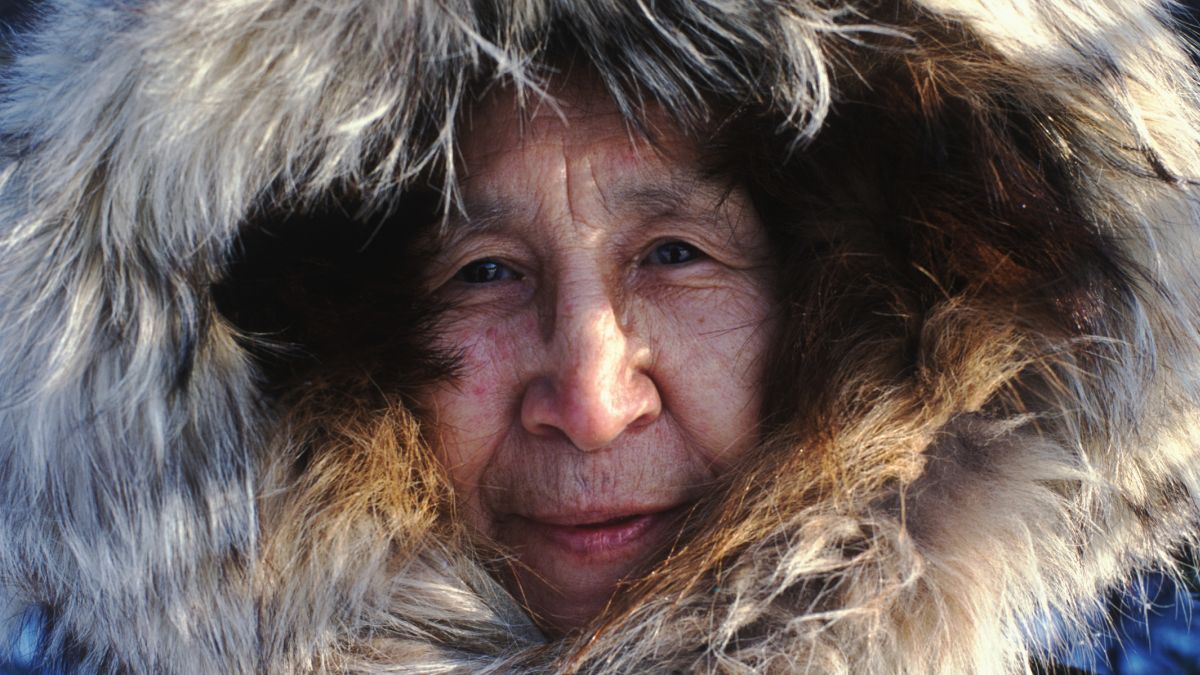
Японы арлуудад амьдарч байсан Жомон соёл иргэншлийн хүмүүсийн генийн судалгаа нь хүн төрөлхтөн эрс тэс уур амьсгалд дасан зохицохдоо биологийн өвөрмөц механизм ашигладаг байсныг баталлаа.
Токиогийн их сургуулийн судлаач Юсүкэ Ватанабэ, Ёшики Вакияма нарын ахалсан баг МЭӨ 16,000-аас МЭӨ 3,000 оны хооронд амьдарч байсан Жомон соёл иргэншлийн 42 хүний геномд шинжилгээ хийжээ. Тэдний судалгаагаар, эртний хүмүүс хүйтэн нөхцөлд биеийн дулаанаа хадгалахын тулд чичрэхгүйгээр дулаан ялгаруулах биологийн чадварыг хувьслын явцад хөгжүүлсэн болохыг тогтоосон байна. Энэхүү дасан зохицол нь бор өөхний эдээр дамжин явагддаг бөгөөд одоогийн Зүүн Азийн хүн амын дунд байдаггүй генетикийн онцлог шинжүүдийг Жомончууд хадгалж байжээ.
Судлаачид орчин үеийн япончуудын генийн мэдээлэлд тулгуурлан эртний ДНХ-ийн дутуу хэсгийг нөхөн сэргээх аргаар энэхүү дүгнэлтэд хүрсэн байна. Жомончуудын геномд илэрсэн өөх тосны бодисын солилцоо болон биеийн жинтэй холбоотой генийн хувилбарууд нь тэднийг Гринландын Инуитчуудтай төстэй бодисын солилцооны онцлогтой байсныг харуулж байна. Энэ нь эртний хүмүүс хүйтэн уур амьсгалтай бүс нутагт өөх тос, уураг ихтэй хоол хүнс хэрэглэн, биеийн дулаанаа алдахгүй байх хувьслын давуу талыг бие даан хөгжүүлснийг баталж буй юм.
Science Advances сэтгүүлд нийтлэгдсэн энэхүү судалгаа нь эртний хүмүүсийн байгаль орчинд дасан зохицох чадвар хэрхэн үе дамжин уламжлагдсаныг гэрчилж байна. Энэхүү нээлт нь палеогеномикийн салбарт эртний хүмүүсийн амьдрах орчин, хоол тэжээл болон бие махбодын өөрчлөлт нь орчин үеийн хүний эрүүл мэндэд ч нөлөөлж болохыг харуулсан чухал алхам боллоо.
Дэлгэрэнгүйг эх сурвалжаас харах
↓Эх сурвалжийг нээх ↓
When you think about it, it seems remarkable that humanity is still here.
Over the last few hundred thousand years, the world has changed a lot, sometimes in ways that might seem difficult for evolution to keep pace with.
Yet our species is remarkably resilient, repeatedly finding ways to survive changing conditions – through culture, technology, and even genetic changes.
Humanity is still evolving – and the genetic adaptability that allows us to thrive around the world today may have also contributed to past success, according to new genetic research from a team led by Yusuke Watanabe and Yoshiki Wakiyama of the University of Tokyo.
They analyzed genomes from 42 Jomon hunter-gatherers who lived in the Japanese archipelago, finding multiple genetic signatures consistent with adaptations to cold conditions in their much older ancestors.
“Our study provides one of the first paleogenomic frameworks for investigating ancient adaptations in Upper Paleolithic East Eurasians,” the researchers write in a paper published in Science Advances, “revealing an evolutionary legacy from a colder past in present-day humans.”
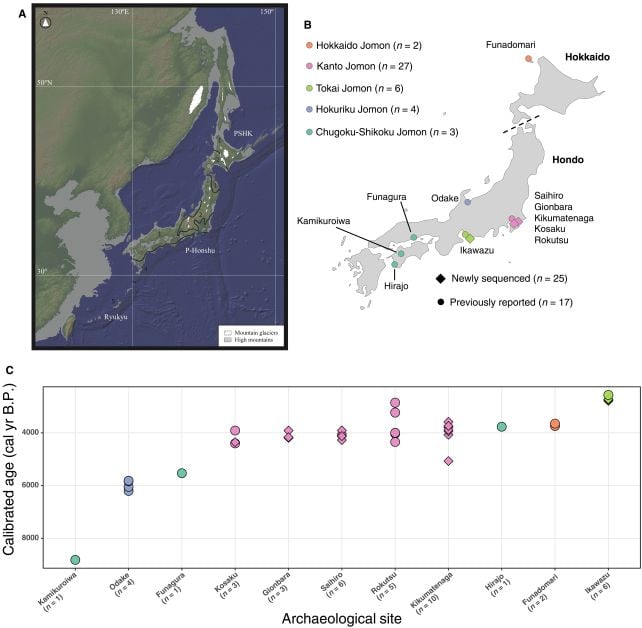
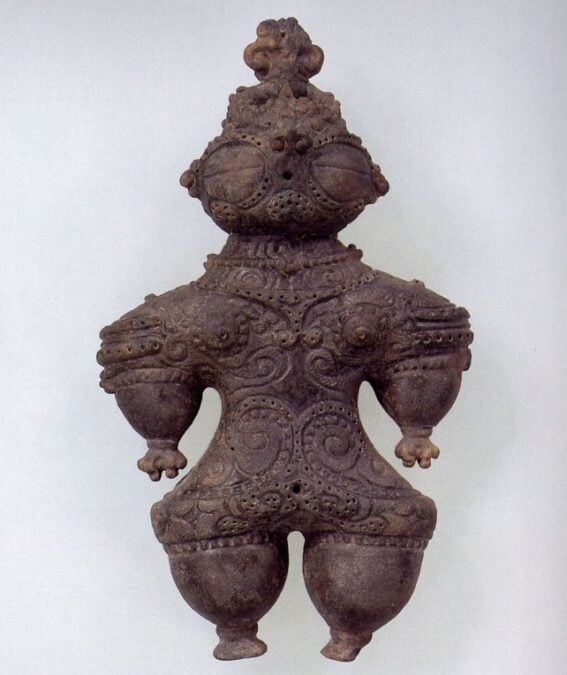
The Jomon culture that inhabited the Japanese archipelago from around 16,000 to 3,000 years ago represents a particularly valuable genetic resource.
Their ancestral lineage is thought to have split from continental East Eurasian populations roughly 27,000 to 19,000 years ago – towards the end of the last glacial period – and their subsequent isolation in the archipelago meant that their genomes helped preserve genetic traces of this ancient lineage, for which genomic evidence is otherwise scarce.
The researchers sequenced DNA from the remains of 25 Jomon individuals dating from roughly 5,400 to 2,300 years ago, and combined these with 17 previously published genomes from across the Japanese archipelago.
Even though that’s a fairly long span of time, the Jomon retained distinctive genetic characteristics inherited from their much older ancestors – effectively creating what the researchers describe as a “genetic archive of Upper Paleolithic East Eurasia”.
Because ancient genomes are often degraded and incomplete, the researchers then imputed missing genetic information using a reference panel of 9,290 present-day Japanese genomes. That means using genetic information from living people to statistically reconstruct the missing parts of ancient genomes.
With that dataset in hand, Watanabe and colleagues could then compare the Jomon genomes with other populations and look for signals that stood out as evidence of positive natural selection – places where particular gene variants appear to have been favored and become more frequent.
Several stood out – and together, they indicated a pattern.
Several variants carried by the Jomon had to do with nonshivering thermogenesis, which is a fancy way of saying keeping the body warm without shivering – a process that takes place primarily in brown fat.
One variant previously linked experimentally to heat production in brown fat had an allele frequency of around 73 percent in the Jomon, compared with just 17 percent in present-day East Asians.
The researchers also found evidence for the selection of gene variants associated with body mass and the metabolism of fat in the bloodstream.
It sounds a little counterintuitive, because storing extra fat can be useful for staying warm, but the body can also burn fat to generate heat, the researchers say.
Together, the adaptations could have helped the body both store energy and make it more readily available to brown fat, where it could be burned to generate heat – potentially making it easier to maintain body temperature in freezing conditions.
Interestingly, the Jomon weren’t the only population to evolve along these lines, either.
When the researchers examined a region of the genome associated with fatty acid processing, they found the Jomon were significantly more similar to Greenlandic Inuit than to present-day East Asian populations.
The researchers think this is an example of convergent evolution – separate populations independently developing similar adaptations in response to similar environmental pressures.
This, Watanabe and colleagues argue, is supported by the archaeological record.
Early Jomon pottery preserves evidence that aquatic resources were an important part of their diet; the genomes and the archaeology both suggest metabolic adaptations to a high-fat, high-protein diet in a cold environment, similar to the Inuit.
But how can genetic changes found in much younger Jomon remains be traced all the way back to the ice age?
This is the really clever bit. Remember how the Jomon genomes spanned several thousand years? The researchers used the ages and genetic relationships of the Jomon remains to reconstruct how the frequency of one of the cold-adaptive variants changed over time.
Their analysis suggested that natural selection acted more strongly on the variant during the last glacial period than during the post-glacial period.
Other evidence suggested that adaptation to the cold didn’t happen all at once. Some of the cold-associated variants were already present in populations related to the Jomon’s more southerly ancestors, while others became common specifically in the Jomon lineage.

The researchers therefore propose that cold adaptation evolved bit by bit, with additional adaptations accumulating as the ancestors of the Jomon migrated north into increasingly cold conditions.
Related: Human Evolution May Be Undergoing a Major Shift Right in Front of Our Eyes
The researchers are careful to note that many of their interpretations remain speculative. Reconstructing the physiology of people who lived thousands of years ago is difficult, particularly when the diets and environments of the past differed so much from those of people today.
Even so, the findings offer a glimpse of how natural selection may have helped ancient humans survive some of the harshest conditions our species encountered.
“Our findings illuminate how ancient populations adapted to extreme environments, and how these adaptations may continue to shape present-day variation in health-related traits, highlighting the broader relevance of paleogenomics to human biology and public health,” the researchers write.
The findings have been published in Science Advances.
This article was fact-checked by Peter Dockrill and edited by Peter Dockrill. While we pride ourselves on our process, we are only human. If you spot a mistake, please let us know.


