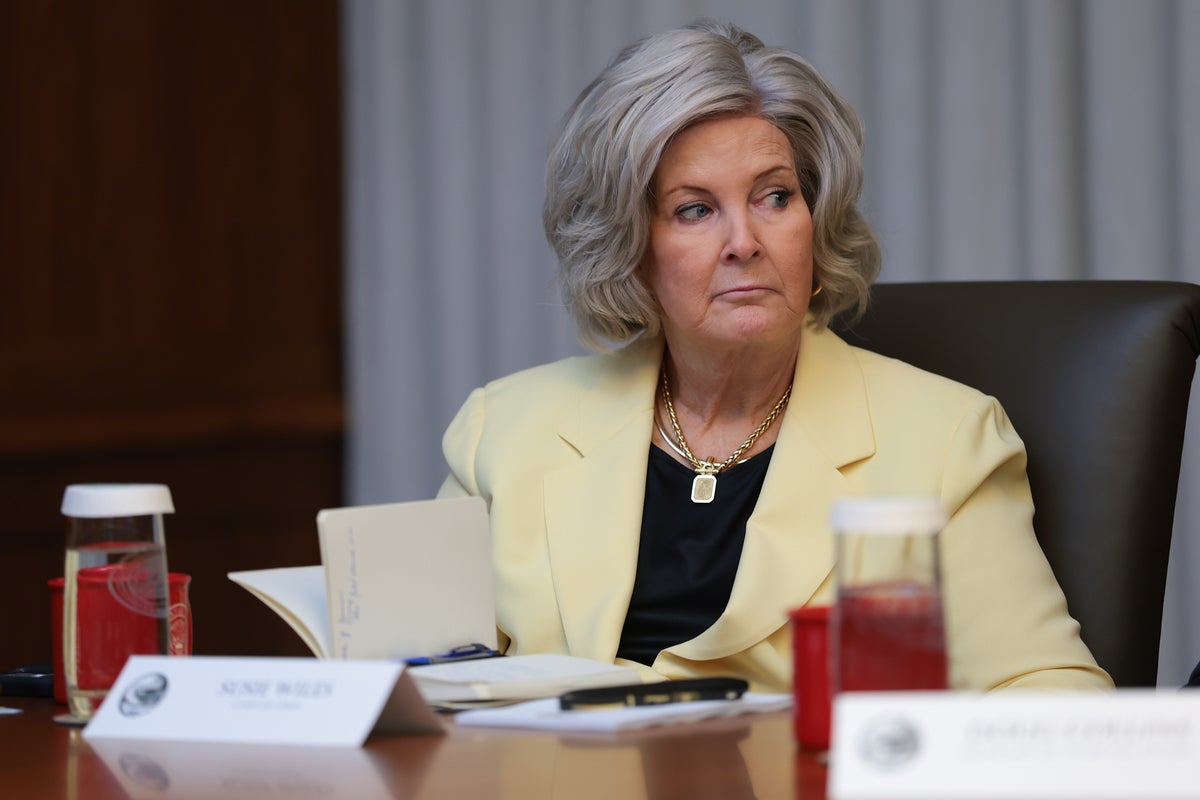
Их Британийн Ерөнхий сайд Энди Бернамд Цагаан ордны тэргүүн ажилтан Сюзи Уайлсын нэрээр ирсэн хуурамч зурвас нь тус албан тушаалтны гар утасны аюулгүй байдалтай холбоогүй болохыг Цагаан ордон мэдэгдэв.
Даваа гарагт Politico сонинд мэдээлснээр, Энди Бернам өөрийг нь Сюзи Уайлс гэж танилцуулсан этгээдтэй богино хугацаанд харилцсан бөгөөд улмаар уг зурвасуудыг жинхэнэ Уайлсаас ирээгүй гэж сэжиглэжээ. Британийн тал энэхүү үйл явдлыг “үндэсний аюулгүй байдлын асуудал” хэмээн тодорхойлж, илүү дэлгэрэнгүй мэдээлэл өгөхөөс татгалзсан байна. Гэсэн хэдий ч өмнө нь Уайлсын утас хакердуулж байсан тохиолдлыг харгалзан Их Британийн засгийн газар Вашингтон дахь өөрийн элчин сайдын яамаар дамжуулан АНУ-ын талд ханджээ.
Цагаан ордны албан ёсны төлөөлөгч энэ удаагийн хэрэг нь өмнөх аюулгүй байдлын зөрчилтэй ямар ч холбоогүй болохыг онцолсон байна. Жилийн өмнө Сюзи Уайлсын нэрээр улс төр болон бизнесийн салбарын нөлөө бүхий хүмүүс рүү хуурамч зурвас илгээгдэж байсан бөгөөд Холбооны мөрдөх товчоо (FBI) энэ хэрэгт гадны улс орны оролцоо байхгүй гэж дүгнэж байв.
Сүүлийн жилүүдэд АНУ болон Британийн өндөр албан тушаалтнууд хуурамч этгээдүүдийн бай болох нь цөөнгүй байна. Тухайлбал, 2024 онд Их Британийн Гадаад хэргийн сайд асан Дэвид Камерон Украйны ерөнхийлөгч асан Петр Порошенкогийн дүрд хувирсан этгээдтэй хуурамчаар холбогдож байсан юм. Мөн өнгөрсөн жил Төрийн нарийн бичгийн дарга Марко Рубиогийн хоолой болон бичгийн хэв маягийг хиймэл оюун ухаан ашиглан дуурайж, гадаадын албан тушаалтнууд руу мэдээлэл цуглуулах зорилгоор хандсан хэрэг гарч байв.
АНУ-ын засаг захиргааны албан тушаалтнууд албан ажлаа явуулахдаа хувийн төхөөрөмж болон Signal зэрэг нууцлалтай мессенжер ашиглах нь аюулгүй байдлын эрсдэл дагуулсаар байна. Тухайлбал, НҮБ-д суугаа АНУ-ын Элчин сайд Майкл Уолц үндэсний аюулгүй байдлын зөвлөхөөр ажиллаж байхдаа Йемений Хути бүлэглэлийн эсрэг агаарын цохилт өгөх төлөвлөгөөг буруу хүнд илгээснээс болж албан тушаалаасаа чөлөөлөгдөж байсан түүхтэй.
Дэлгэрэнгүйг эх сурвалжаас харах
↓Эх сурвалжийг нээх ↓
The White House has denied that an incident in which British Prime Minister Andy Burnham received texts from a person he thought was White House Chief of Staff Susie Wiles was connected to any security breach on the top Trump staffer’s mobile phone more than a year after her mobile device was compromised by hackers.
On Monday, Politico reported that Burnham had briefly “engaged” with text messages purporting to be from Wiles, a veteran Florida political operative who is the first woman to serve as White House chief of staff, before becoming concerned that the messages in question were not actually from Wiles.
Number 10 Downing Street said the “few messages” exchanged were “of no significance” and described the incident as a “national security matter” on which there would be no further comment.
But the incident was concerning enough that the British government contacted the White House about it via their embassy in Washington because of fears that Wiles’ phone had been breached as it was a year ago, when business people and political figures began receiving texts from her that she had not actually sent.
Still, a White House official told The Independent the incident with Burnham is not related to that prior security breach.
“This incident had nothing to do with the Chief of Staff’s devices being hacked,” the official said.
The transatlantic contretemps over the inauthentic messages comes more than a year after the FBI and White House launched a probe into how a slew of political and business bigwigs began receiving texts and calls from someone purporting to be Wiles — after which she reportedly told people her phone had been breached.
According to The Wall Street Journal, FBI officials told the White House they did not believe a foreign adversary was to blame for the incidents.
Burnham is not the first British or American official to fall victim to a high-profile hoax in recent years.
In 2024, Lord David Cameron — then the British Foreign Minister — was duped by a hoaxer who had tricked him into texting and getting on the phone with someone pretending to be ex-Ukrainian president Petro Poroshenko.
And last year, Secretary of State Marco Rubio was impersonated by an individual who used AI to ape his voice and written communications in a series of voice and text messages to what The Washington Post described as “three foreign ministers, a U.S. governor, and a U.S. member of Congress.”
Unlike the incident with Burnham and Wiles, the Post said a State Department cable attributed the Rubio hoaxes to an actor who had the “goal of gaining access to information or accounts.”
Trump administration officials frequently flout record-keeping laws and long-established security practices by using their personal devices to conduct government business, often using the Signal encrypted messaging app.
Michael Waltz, the ex-Florida congressman who currently serves as the U.S. Ambassador to the United Nations, was sacked from his prior position as President Donald Trump’s national security adviser after he inadvertently included The Atlantic editor Jeffrey Goldberg in a signal chat in which he, Rubio, Defense Secretary Pete Hegseth and other top administration officials discussed plans for airstrikes on Houthi rebels in Yemen last year.


