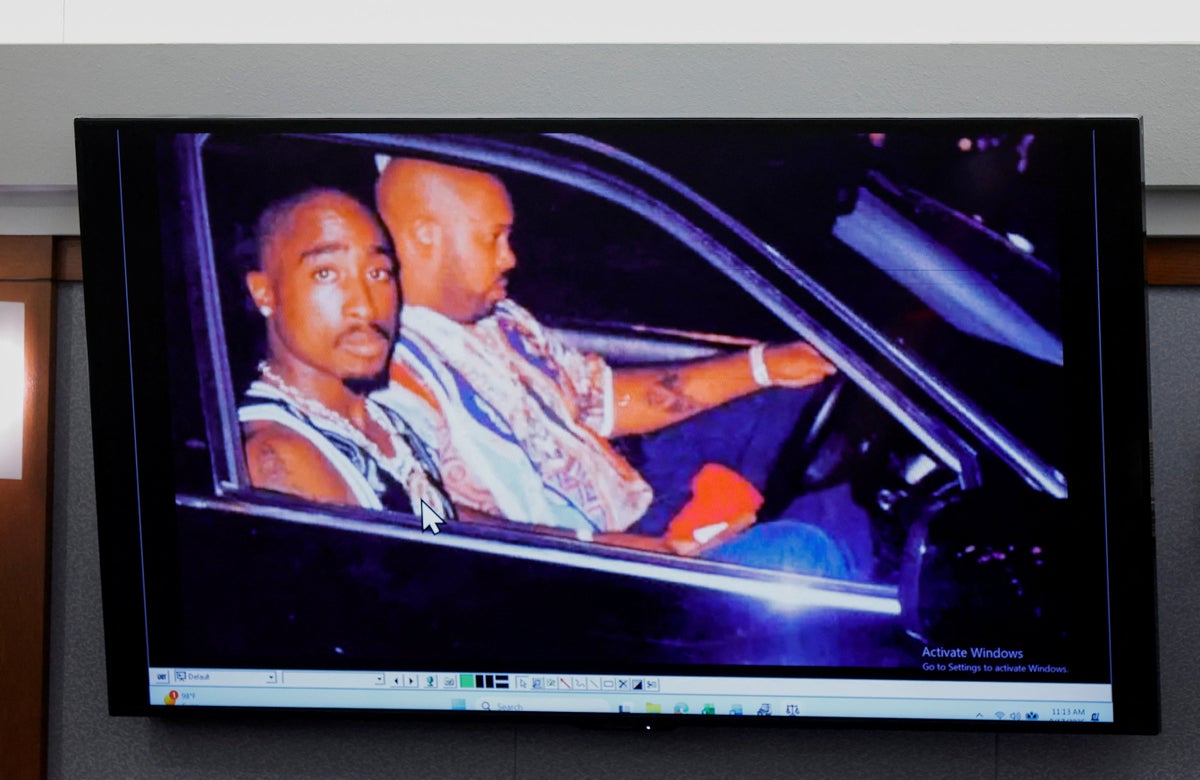
Лас-Вегас хотын шүүхэд 1996 онд рэппер Тупак Шакурыг буудан хөнөөсөн хэргийн улмаас Дуэйн “Keffe D” Дэвисийг буруутган шүүх ажиллагаа албан ёсоор эхэллээ.
Прокурорын зүгээс Дуэйн Дэвисийг уг хэргийг гардан үйлдээгүй ч өөрийн дүүг зодуулсны хариуд өшөө авах зорилгоор буудлагыг зохион байгуулсан гэж мэдэгдэв. Түүнд үхэлд хүргэх зэвсэг ашиглан хүн амины хэрэг үйлдсэн болон гэмт бүлэглэлийн үйл ажиллагааг дэмжсэн гэх ял тулгаад байгаа бөгөөд гэм буруутай нь тогтоогдвол бүх насаараа хоригдох ял сонсож болзошгүй юм. Дэвис уг хэрэгт холбогдолгүй хэмээн мэдүүлж, өмгөөлөгчид нь прокурорын танилцуулсан баримтуудыг худал таамаг хэмээн няцаав.
Шүүх хуралдааны явцад прокурор Дэвисийн 2008 онд хууль сахиулах байгууллагад өгсөн мэдүүлэг болон түүний өөрийн бичсэн дурсамж номыг гол нотлох баримт болгон ашиглахаа мэдэгдлээ. Эдгээр баримтад Дэвис 1996 оны есдүгээр сарын 7-ны өдөр болсон буудлагад оролцсон талаараа дэлгэрэнгүй өгүүлсэн байдаг. Харин өмгөөлөгчдийн зүгээс мөрдөн шалгах ажиллагааг дутуу, хангалтгүй хийгдсэн бөгөөд тухайн үеийн цагдаагийн байгууллагуудын хоорондын үл ойлголцол нь хэргийн үнэн зөвийг тогтооход саад болсныг онцолж байна.
Уг хэрэгт холбогдсон бусад гурван этгээд өдгөө нас барсан тул Дэвис нь тухайн үйл явдлын талаар мэдээлэл өгөх чадвартай цорын ганц хүн болж үлдээд байна. Шүүх хурал сар орчим үргэлжлэх төлөвтэй байгаа бөгөөд энэ хугацаанд 35-45 орчим гэрчийг дуудаж мэдүүлэг авахаар төлөвлөжээ. Тухайн үед хэргийн газарт байсан гэрчүүдээс хууль сахиулах байгууллагын дарамт болон гэмт этгээдүүдээс өшөө авах вий гэсэн айдас нь мөрдөн байцаалтад хүндрэл учруулж байсныг шүүх хурлын үеэр дурдлаа.
Дэлгэрэнгүйг эх сурвалжаас харах
↓Эх сурвалжийг нээх ↓
A prosecutor said Monday that while few people have been willing to discuss the 1996 killing of Tupac Shakur, Duane “Keffe D” Davis has been the “one person who has a hard time being silent.”
“Let’s be clear, Duane Davis did not pull the trigger. But he did plan the shooting in retaliation of the beating of his nephew,” Chief Deputy District Attorney Binu Palal told jurors during opening statements in Davis’ Las Vegas trial. “Remarkably, you will learn that from Duane Davis himself.”
Davis, 63, is charged with murder with a deadly weapon and with intending to promote, further or assist a criminal gang in Shakur’s death. He has pleaded not guilty. In his opening statement, Davis’ attorney dismissed the prosecution’s account as “fiction.” If convicted, Davis could face life in prison.
Palal showed jurors video of Shakur’s entourage attacking Davis’ nephew Orlando “Baby Lane” Anderson outside the boxing match at the MGM Grand hours before the shooting on Sept. 7, 1996.
Davis spent the next two hours planning how to get even, said Palal, and Shakur was gunned down “in an act of revenge.”
What he told investigators in 2008
In a 2008 interview with a federal task force investigating the killing of Shakur’s rival, the Notorious B.I.G., Davis instead talked about the Shakur shooting. He described handing a gun to the men in the back seat of a white Cadillac that fired on a black BMW with Shakur and Marion “Suge” Knight inside.
As prosecutors played audio of Davis explaining the moment Shakur was shot, members of Shakur’s family, including his stepbrother Maurice “Mopreme” Shakur, stared ahead and listened intently from the audience.
Palal told jurors Davis held onto a visceral hatred for Shakur for decades that drove him to speak.
He said as early as 1998, the defendant talked to the FBI and admitted he had been in Las Vegas the night of the shooting. He spoke again in 1999 to the FBI and said again he was in Las Vegas then but denied responsibility.
In 2009, he admitted to his role in the killing in an interview with Las Vegas police, Palal said.
“And now 30 years later, we’re going to ask you to finally hold Duane Davis accountable,” Palal said.
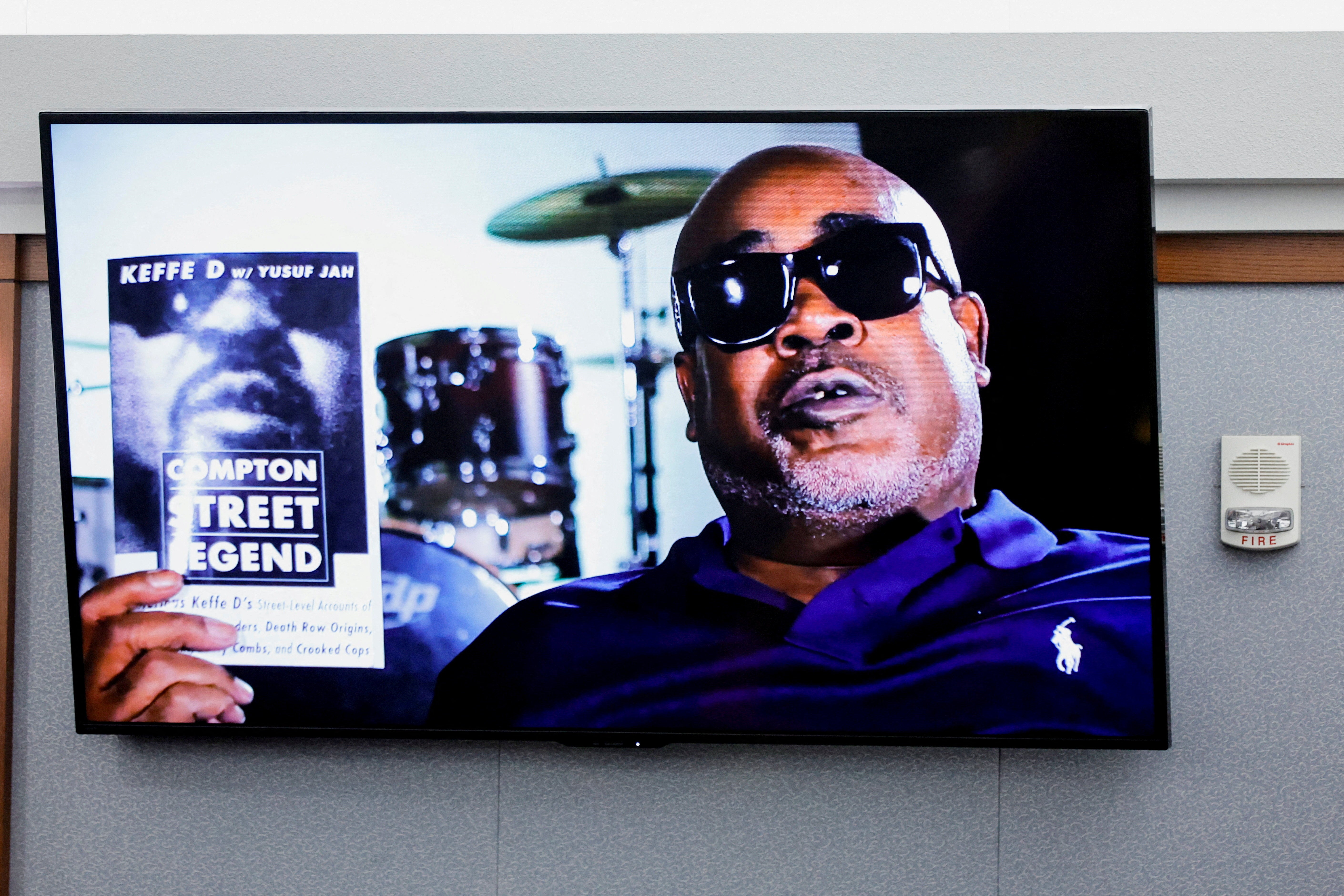
He also showed jurors the 2019 memoir that Davis co-authored, “Compton Street Legend,” that the prosecution will use and that the defense fought to keep out of the trial, along with several of the defendant’s interviews.
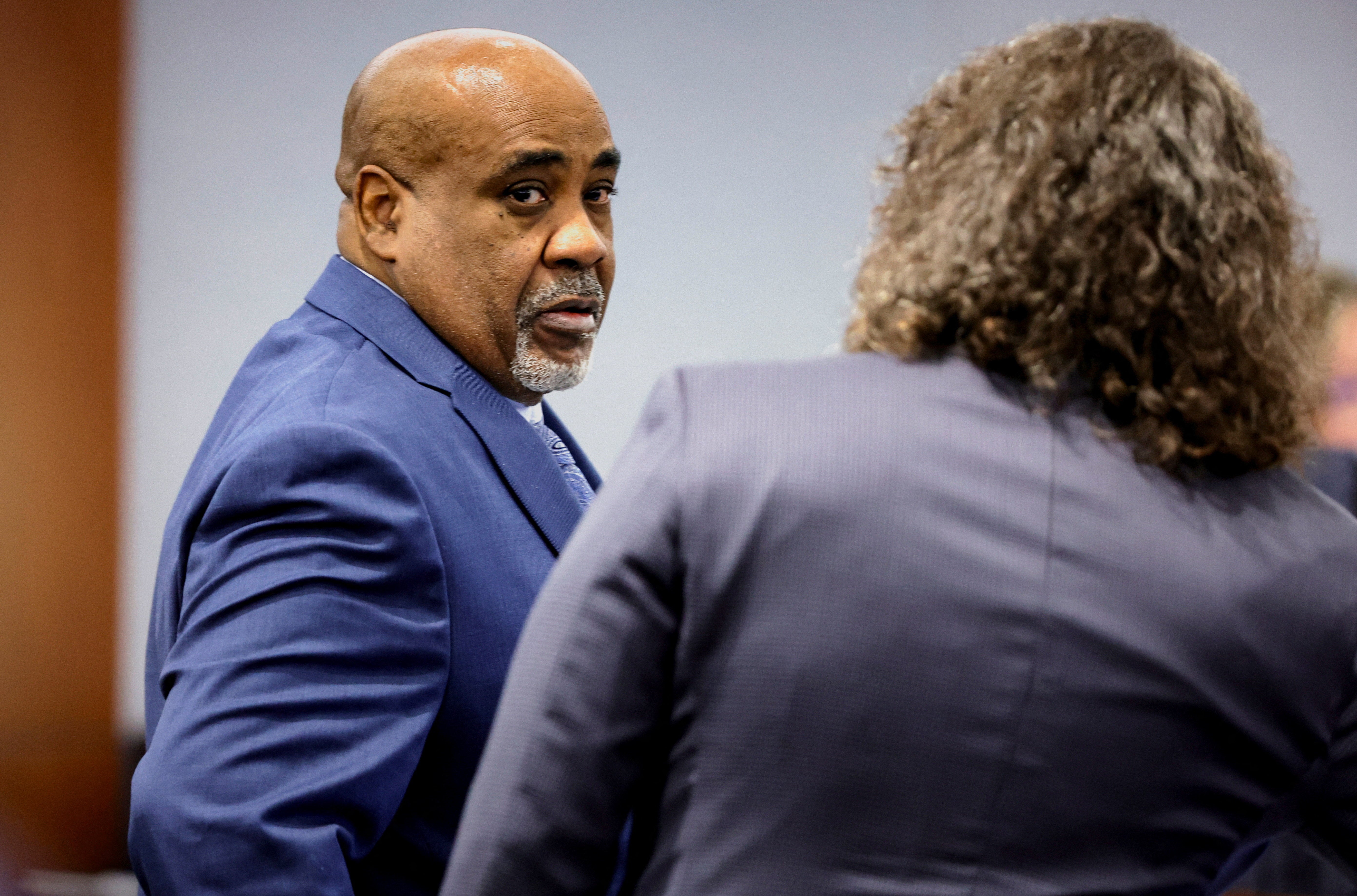
How Davis’ legal team is defending him
Davis, wearing a blue suit and tie, watched the presentation while sitting next to his attorney. He sat quietly with his hands folded on the table in front of him, occasionally nodding along as his attorney spoke.
“The state has just told you what they believe is the evidence in this case,” attorney Michael Sanft said to jurors in his opening. “What they are telling you, they are representing as fact, when it’s really fiction.”
Sanft said Davis wasn’t previously charged for the 1996 killing because law enforcement knew that he was “full of crap.”
“There’s no facts,” he said, to back up what Davis said in his book.
The defense attorney also pointed to missing documents in the original investigation and distrust between Los Angeles and Las Vegas police departments. He pointed out that the Compton Police Department was shut down in September 2000 due to corruption.
He called one detective’s work “biased,” “sloppy” and “incomplete.” He said retired Detective Clifford Mogg read portions of Davis’ book into the record as if it were fact, but said Mogg didn’t verify claims in it.
Most eyewitnesses didn’t live to trial
The story of the drive-by shooting has long gripped the hip-hop community, partly because no one was charged until Davis was indicted in 2023.
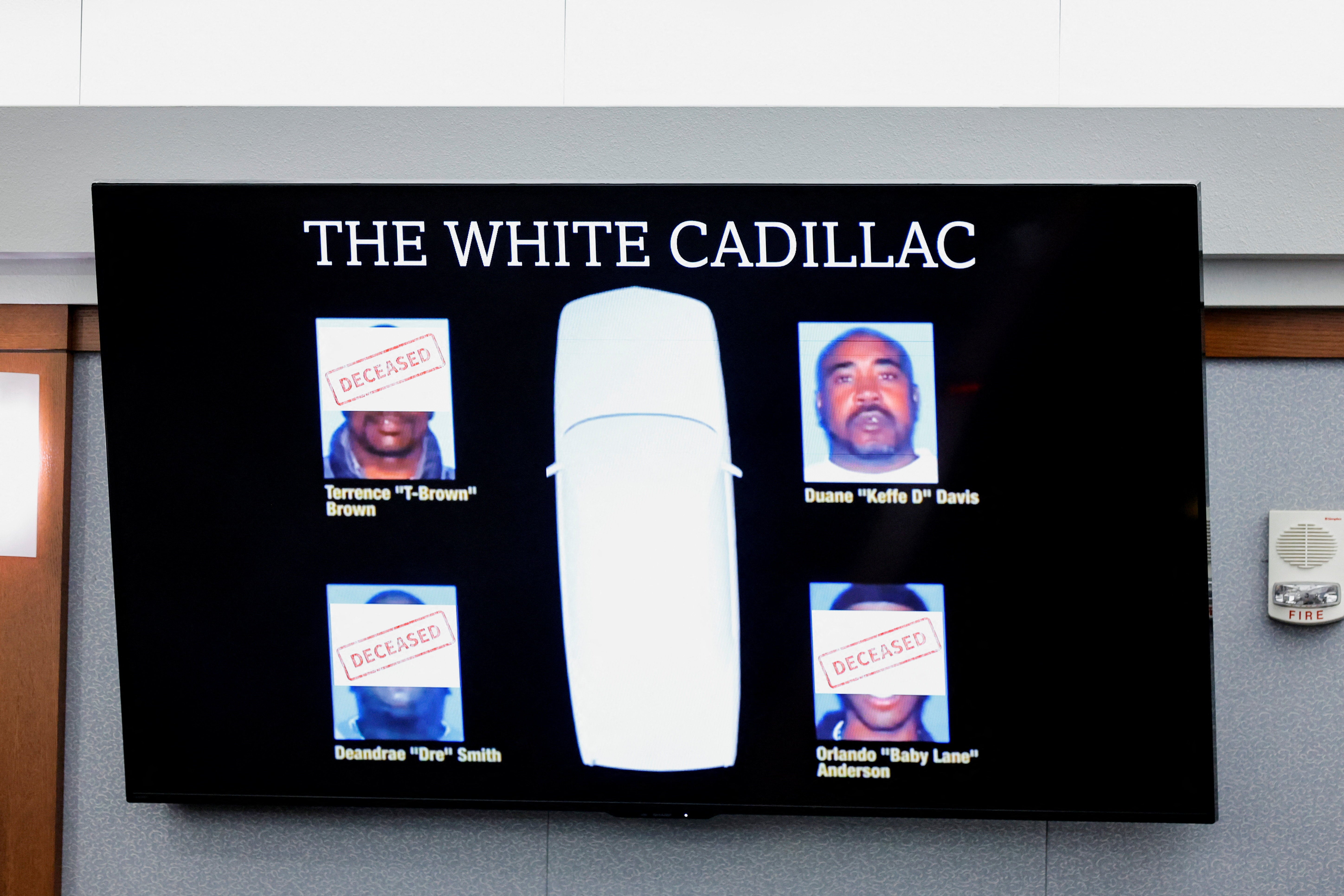
The other three men riding in the Cadillac have all died in the years since.
“When he says he’s the only person who can tell what happened, he’s right,” Palal said.
Witnesses describe the night Tupac was shot
Shakur remains a cultural icon and is considered one of the most influential and versatile rappers of all time, despite dying at 25. He was nominated for six Grammy Awards and was inducted into the Rock & Roll Hall of Fame in 2017.
Retired Las Vegas police officer Garry Dale was the first of the 35 to 45 witnesses the prosecution plans to call at the trial expected to last about a month. He recounted how he and another officer stopped a car carrying Knight and Shakur because the vehicle didn’t have a license plate. They let the pair go with a warning.
About 10 minutes later the two officers responded to a call about a shooting and found Shakur being pulled from the car by EMTs, Dale said. Knight had been grazed by bullets, but told the officers to take care of Shakur, he testified.
Dale jumped in the ambulance and tried to get Shakur to tell him who shot him. The retired officer said that Shakur said something like “no, we’ll take care of it.”
Another witness, Ingrid Stokes, testified that she and her friends were heading home from Las Vegas when they encountered Shakur and Knight, who was friends with a woman in Stokes’ group.
Knight invited them to a nightclub, she said, and they decided to meet them there.
The car Stokes was riding in was one lane over and a car length ahead of Knights’ vehicle, when they heard gunshots while stopped at an intersection, she said.
Stokes said they feared more gunfire and drove away, almost hitting a white four-door vehicle in the process.
When they returned to the scene, police treated them like suspects, she said, and made them sit on the sidewalks. She was scared to talk about the case, worried about poor treatment from law enforcement and the potential for retribution from the unknown shooter.
“Snitches get stitches,” she said.


