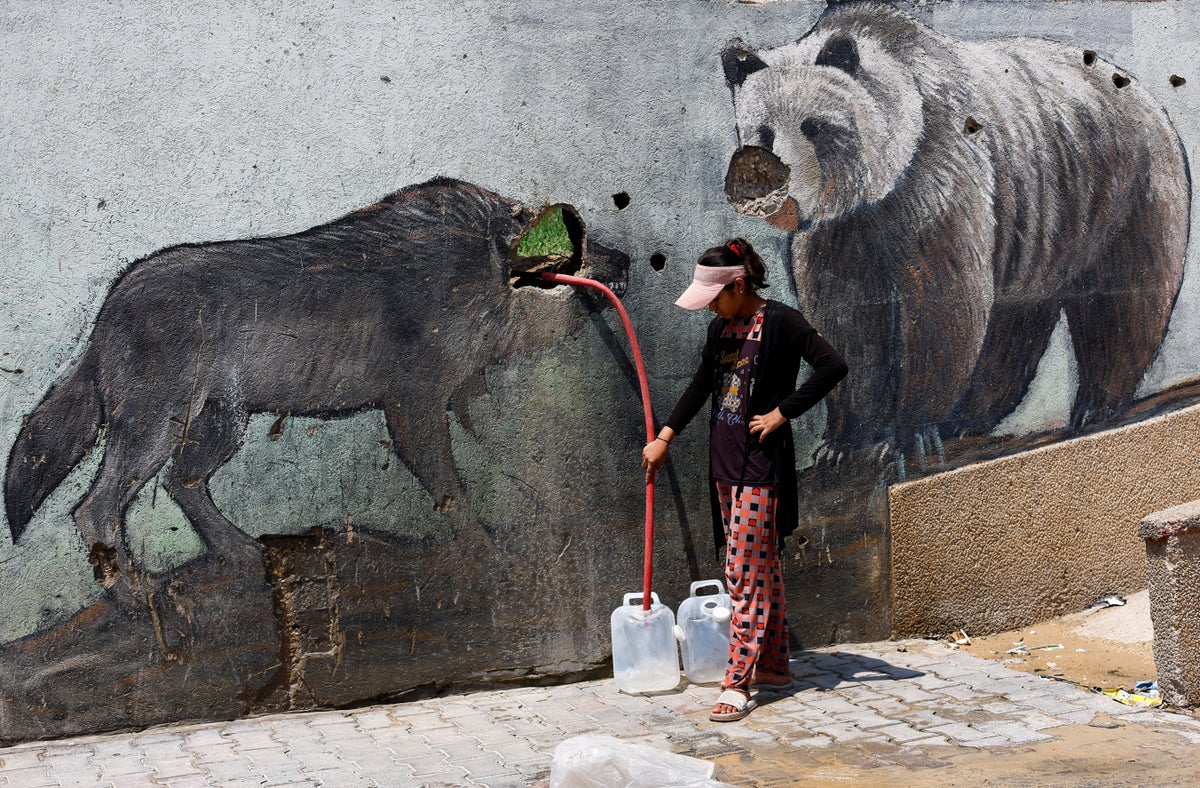
Израйл болон Хамасын хоорондох мөргөлдөөний улмаас Газын зурваст үүссэн хүмүүнлэгийн хямрал энгийн иргэдийн байгууламж, тэр дундаа амьтны хүрээлэнгүүдийн үйл ажиллагаанд ноцтой нөлөөлж байна.
Газын зурвасын төв хэсэгт орших Нусейрат дүрвэгсдийн хуарангийн ойролцоо байрлах амьтны хүрээлэнгийн эзэн Махмуд Гомаа дайны улмаас тулгарсан хоол хүнс, эмнэлгийн тусламжийн хомсдолыг үл харгалзан амьтдыг аврахын төлөө хичээл зүтгэл гарган ажиллаж байна. Тэрээр өмнө нь Рафах хотод үйл ажиллагаа явуулж байсан боловч 2024 онд Израйлын цэргийн ажиллагаа эхэлсний улмаас дүрвэхээс өөр аргагүйд хүрч, амьд үлдсэн амьтдаа зөөвөрлөн одоогийн байршилд шилжүүлжээ.
Дайны хөл хорио болон байнгын агаарын довтолгооны улмаас амьтны хүрээлэнгийн нөхцөл байдал хүндэрч, тэжээлийн хомсдолоос үүдэн амьтад ихээхэн сульдаж байна. Мал эмнэлгийн мэргэжилтнүүдийн мэдээлснээр, амьтдыг зориулалтын бус хөлдөөсөн махаар хооллох нь тэдний эрүүл мэндэд сөргөөр нөлөөлж байгаа бөгөөд байнгын бөмбөгдөлт, чимээ шуугиан нь зэрлэг амьтдад ихээхэн стресс үүсгэж байгаа аж.
Махмуд Гомаагийн мэдээлснээр, Рафах хотоос дүрвэх үедээ орхисон гурван арслан, хэд хэдэн матар болон Африк тэмээн хяруул дайны улмаас үрэгдсэн байна. Тэрээр энэхүү амьтны хүрээлэнг дайны хөлд нэрвэгдсэн нутгийн хүүхдүүдэд сэтгэл зүйн дэмжлэг үзүүлэх, амралт чөлөөт цагаа өнгөрүүлэх цөөн хэдэн газрын нэг хэмээн тодорхойлсон юм.
Израйлын цэргийн хүчин ажиллагааныхаа гол зорилгыг зэвсэгт бүлэглэлүүд гэж мэдэгдсээр байгаа бөгөөд иргэний байгууламж, амьтны хүрээлэнд учирсан хохирлын талаарх асуултад хариу өгөөгүй байна. Одоогийн байдлаар Газын зурваст нөхцөл байдал тогтворгүй, эмзэг гал зогсоох хэлэлцээрийн хүрээнд ч агаарын цохилтууд үргэлжилсээр байгаа нь энгийн иргэдийн амьдрал төдийгүй амьтдын амьд үлдэх боломжийг улам бүр хязгаарлаж байна.
Дэлгэрэнгүйг эх сурвалжаас харах
↓Эх сурвалжийг нээх ↓
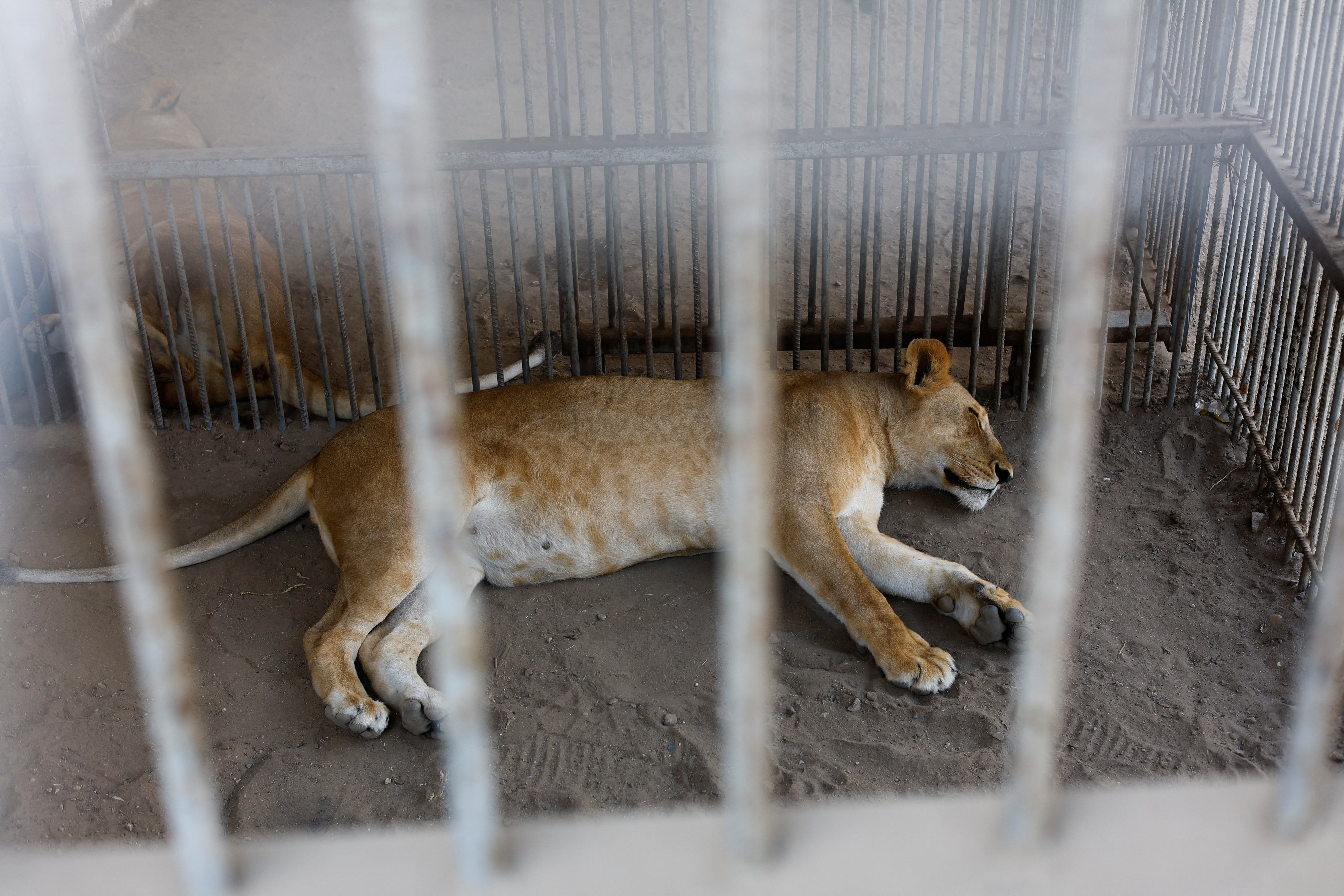
Young visitors walking into a zoo close to Gaza’s Nuseirat refugee camp were greeted by a lion barely acknowledging them through its cage bars, alongside listless chimpanzees sitting in their enclosure.
Shortages of food, vaccines and medicine have left many creatures severely malnourished and weak, but they remain alive thanks largely to the persistent efforts of owner Mahmoud Gomaa.
He originally ran the facility in the southern city of Rafah, but explained he was forced to flee after Israeli forces attacked and occupied sections of the area during 2024.
Amid ongoing fighting, he moved the surviving animals from town to town before securing a new site in Nuseirat in central Gaza earlier this year.
Reopening the zoo at this location, he hoped to give traumatised local children something to enjoy after nearly three years of conflict and destruction.
“In the beginning of the war people were looking for a way to survive … and I was looking for a way to save the animals more than saving myself,” Gomaa told Reuters.
There were a number of zoos in Gaza before the conflict between Israel and Hamas erupted, displaying exotic and wild animals including lions and eagles, municipal records show.
Anyone trying to keep one open now faces enormous challenges, vets and animal experts said, not least in getting food in a territory struggling to feed its human population.
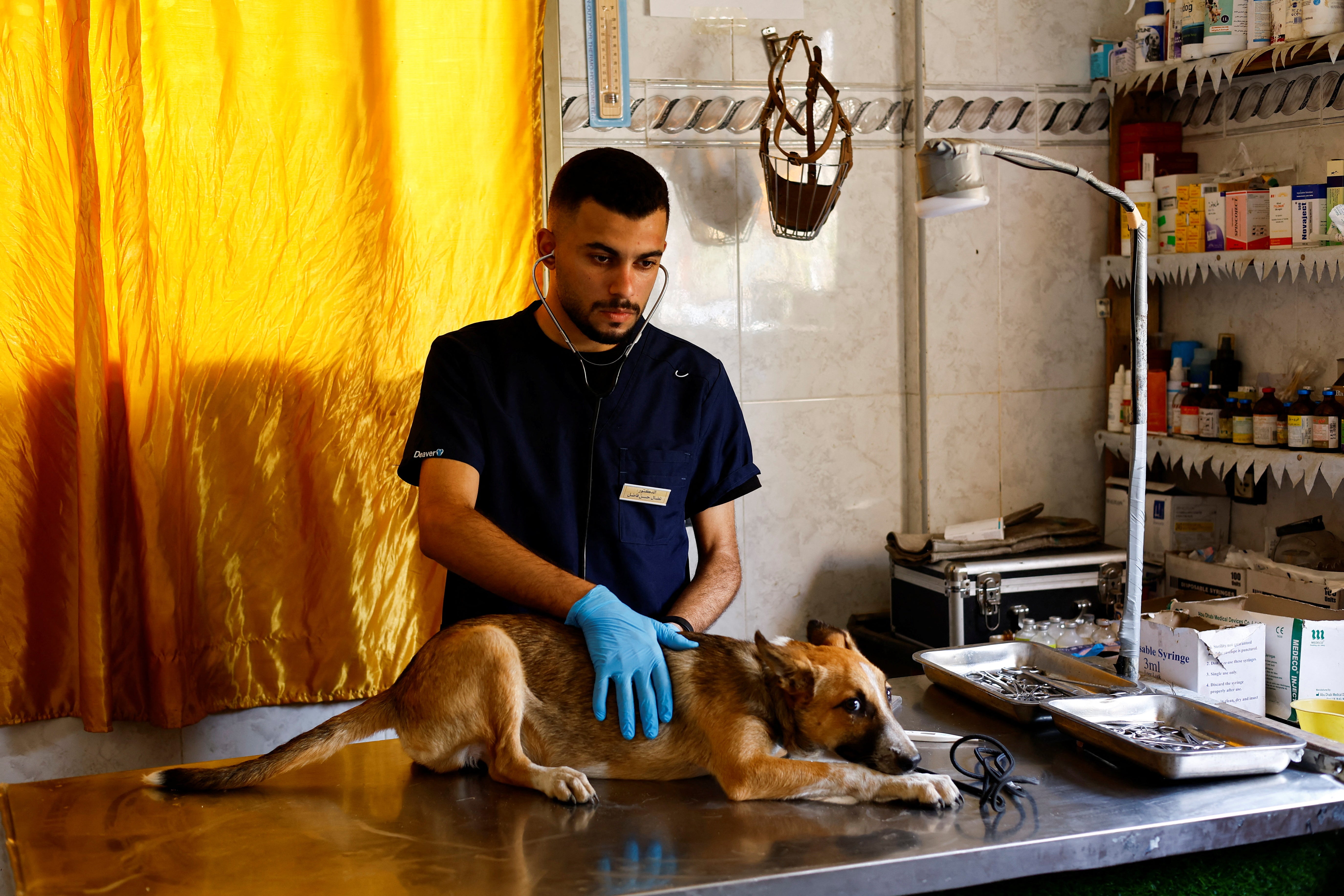
“Owners are currently feeding them frozen meat,” veterinarian Nidal Fadel said. “This is a catastrophe and a wrong nutritional plan because in nature they eat fresh prey.”
The animals themselves are bearing the brunt of the war — sometimes directly.
When Gomaa fled Rafah, he said he had to leave behind three lions, several crocodiles and some African ostriches.
A few months later, Gomaa returned and only found the bones of the crocodiles and the ostriches. Those three lions, which he had locked in their cages, had disappeared.
There is also the trauma caused by the sound and sight of the conflict raging around them.
“Lions can detect sounds and disturbances that humans may not notice,” said Amir Khalil, a veterinarian who has led several trips to Gaza by the animal welfare organisation Four Paws and rescued other zoos’ animals.
“Bombing and constant conflict create enormous stress and fear for them,” he added.
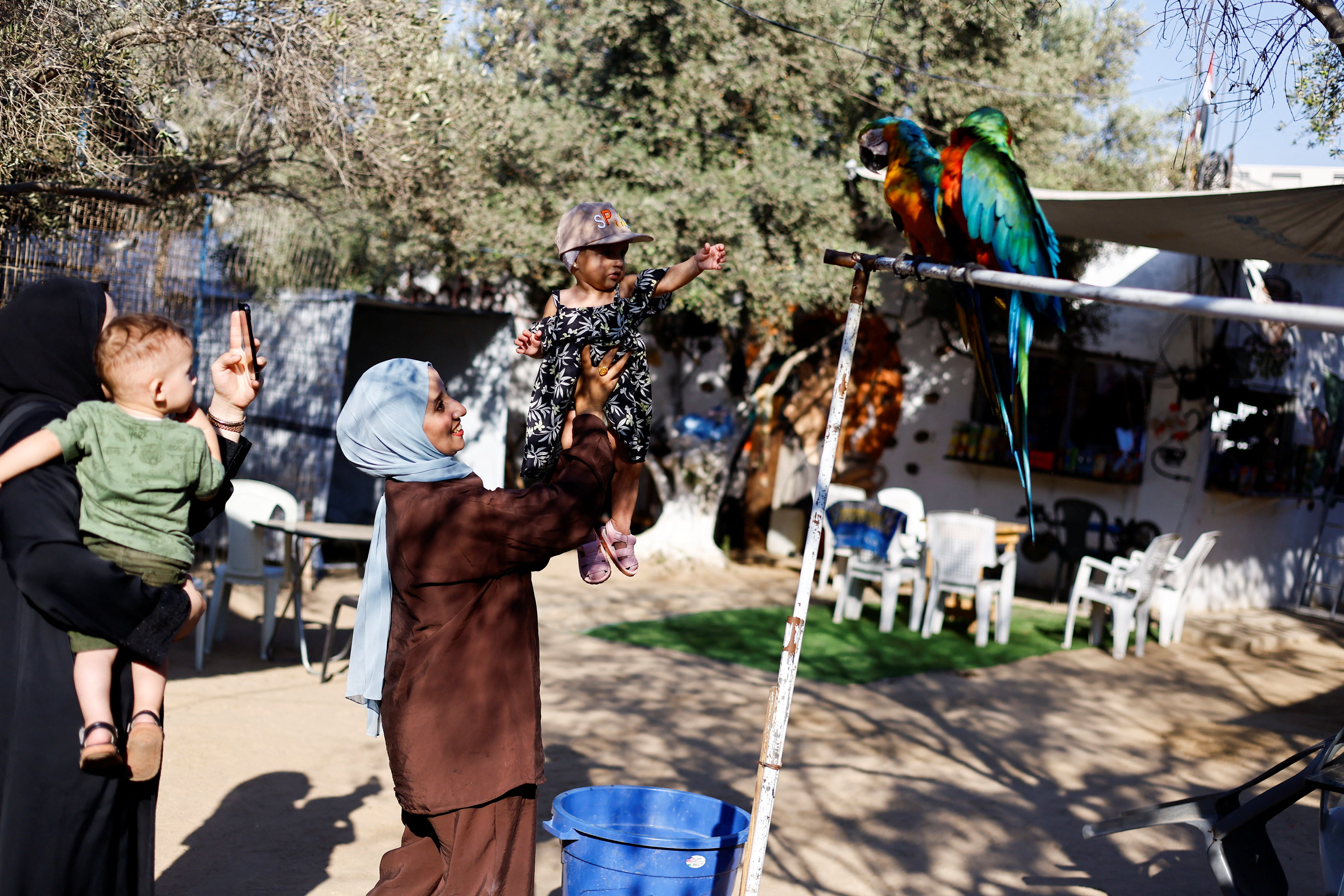
In Nuseirat, the surviving lion barely looked up at the visitors. But the children had better luck with some of the other animals, letting parrots ride on their shoulders and petting smaller monkeys.
It was a rare chance to relax in an enclave still facing regular airstrikes, despite a fragile ceasefire. Israel’s military, which says its attacks are aimed at militant targets, did not immediately respond to questions about the conflict’s impact on civilian facilities like zoos and their animals.
“Today there is no avenue for children to play,” said visitor Karam Al-Mazin, 42.
“There is nothing except rubble, stones and tents, so children today are bored and are in a difficult situation.”

