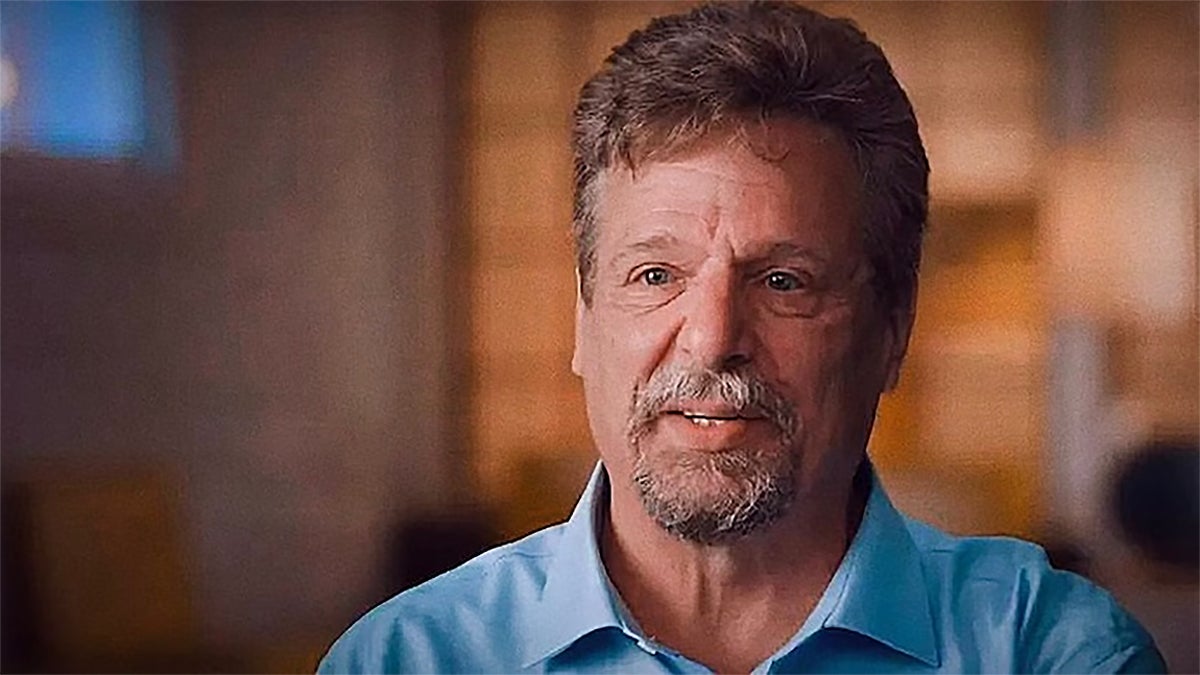
Нисэх онгоц үйлдвэрлэлийн стандартын талаар шүүмжлэлтэй байр суурь илэрхийлж байсан Boeing компанийн ажилтан асан Жон Барнетт 2024 онд амиа алдсаны дараа тус компанийн үйл ажиллагааны аюулгүй байдлын асуудал дахин олны анхааралд орлоо.
АНУ-ын Өмнөд Каролина мужид Жон Барнетт амиа хорлосон байдалтай олдсоныг орон нутгийн цагдаагийн байгууллагаас тогтоожээ. Тэрээр 2017 онд 32 жил ажилласны эцэст тэтгэвэртээ гарсан бөгөөд 2010 оноос хойш тус компанийн Өмнөд Каролина дахь үйлдвэрт 787 Dreamliner онгоцны чанарын менежерээр ажиллаж байсан юм. Тэрээр ажил үүргээ гүйцэтгэх явцдаа аюулгүй байдлын зөрчил гаргасан гэж компаниа буруутгаж, улмаар түүнийг ажлаас шахаж гаргасан гэх үндэслэлээр Boeing-тэй хуулийн дагуу тэмцэж байжээ.
Жон Барнетт 2019 онд 787 Dreamliner онгоцны хүчилтөрөгчийн системд доголдол гарч болзошгүйг анх олон нийтэд дэлгэсэн юм. Түүний туршилтаар хүчилтөрөгчийн баллон бүхий системүүдийн дөрөвний нэг нь шаардлага хангахгүй байсныг тогтоосон ч Boeing компани үүнийг үгүйсгэж, үйлдвэрлэлийн явцад бүх системийг олон удаагийн сорилтод оруулдаг хэмээн мэдэгдсэн байна. Мөн тэрээр үйлдвэрлэлийн явцад стандартын бус эд анги ашиглаж, бүртгэлгүй эд ангиудыг алга болгодог хэмээн буруутгаж байсан бөгөөд АНУ-ын Холбооны нисэхийн удирдах газар (FAA) 2017 онд уг гомдлыг хянан үзэж, зөрчлийг арилгахыг шаардаж байжээ.
Boeing компанийн хувьд 2018 болон 2019 онд гарсан 737 MAX загварын онгоцны ослуудын дараа томоохон хямралд өртсөн юм. АНУ-ын Хууль зүйн яамны мөрдлөгөөр тус компанийн ажилтнууд нисэхийн аюулгүй байдлын байгууллагыг төөрөгдүүлж, мэдээллийг нуун дарагдуулсан хэрэгт буруутгагдан, 2.5 тэрбум гаруй ам.долларын торгууль төлөхөөр болсон билээ. 2024 оны нэгдүгээр сард Alaska Airlines компанийн 737 MAX 9 онгоцны хаалганы хэсэг салж унасан ослын дараа АНУ-ын эрх баригчид Boeing компанийн үйлдвэрлэлийн чанарт хяналтаа чангатгаж, эрүүгийн мөрдөн шалгах ажиллагааг эхлүүлээд байна.
Дэлгэрэнгүйг эх сурвалжаас харах
↓Эх сурвалжийг нээх ↓
A Boeing whistleblower who raised concerns over the firm’s production standards was found dead in South Carolina in 2024. Two years later, his death would become a central mystery in the Netflix documentary Freefall: A Reckoning for Boeing.
Local authorities confirmed at the time that they found John Barnett, a former Boeing employee, dead in his truck in a hotel parking lot over the weekend.
Police said he suffered a “self-inflicted” gunshot wound. The Charleston County Corner’s Office agreed, ruling that the death was a suicide.
Mr Barnett had been giving evidence in a lawsuit against Boeing in the days before his death, having first blown the whistle on alleged aircraft safety issues in 2019.
Boeing has responded to Mr Barnett’s death, saying: “We are saddened by Mr Barnett’s passing, and our thoughts are with his family and friends.”
Who is John Barnett and what were his Boeing accusations?
Mr Barnett worked at Boeing for over three decades, retiring in 2017 after 32 years with the company.
From 2010, he worked as a quality manager at their North Charleston plant in South Carolina, where he worked on the 787 Dreamliner long-haul passenger aircraft.
Since retiring, Mr Barnett was engaged in legal action against his former employer for disparaging his character and hampering his career after being forced to retire for raising issues about the company.
Boeing denies this, claiming that Mr Barnett’s retirement plans were long-standing, and that they had “in no way negatively impacted Mr Barnett’s ability to continue in whatever chosen profession he so wishes”.
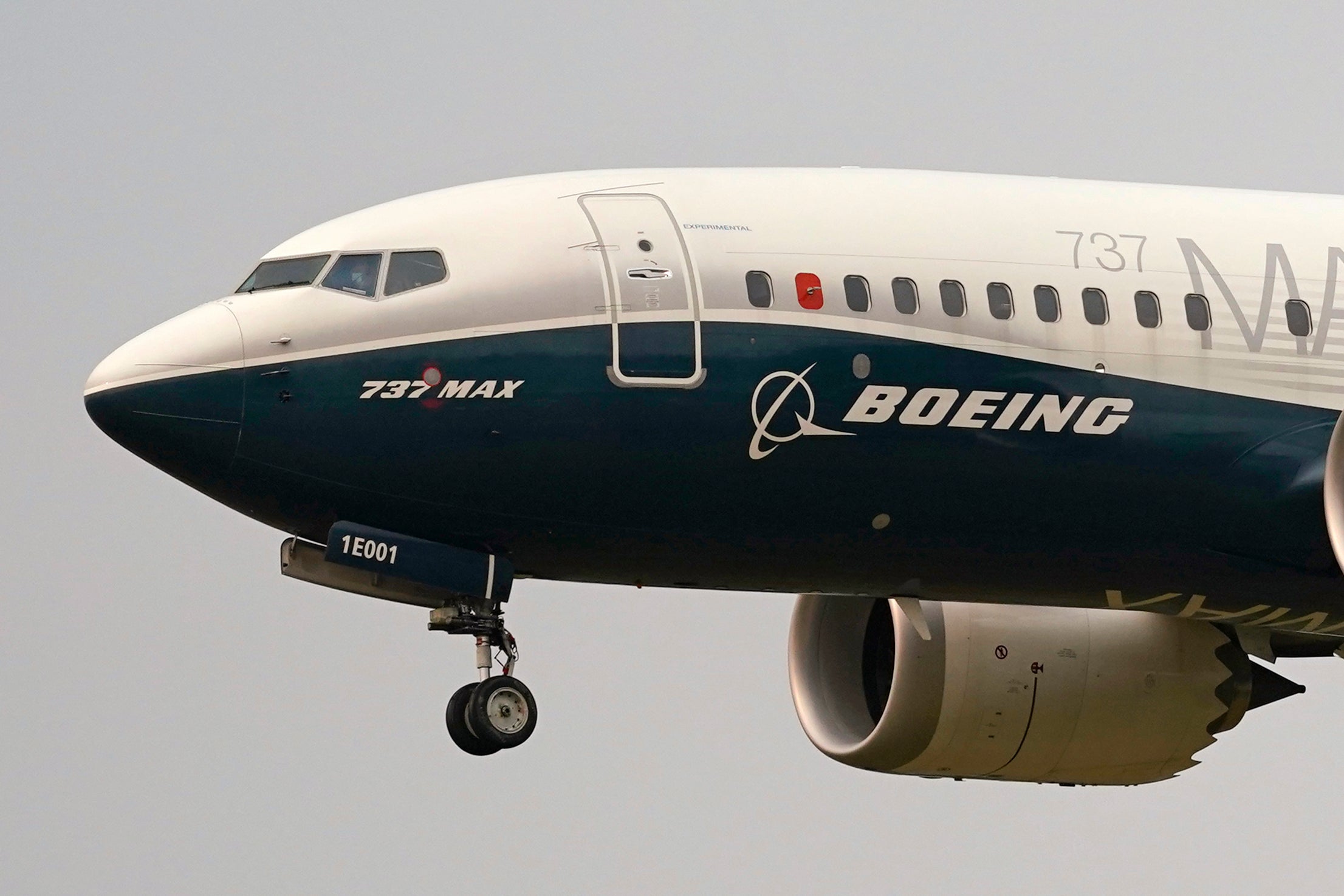
The qualified aerospace engineer had been giving evidence in a lawsuit related to this case in recent days and was due to return for questioning on Saturday 9 March.
Inquiries were made at his hotel when he did not arrive, which is when his body was found.
In 2019, Mr Barnett shared concerns about his former employer with the BBC, alleging issues with the oxygen system on board the 787 Dreamliner.
The qualified aerospace engineer raised concerns that passengers on board the aircraft could be left without oxygen in case of sudden cabin decompression.
After finding some oxygen bottles were not discharging, Mr Barnett commissioned a test of 300 brand new oxygen systems. He claimed 75 of them – a quarter – did not deploy properly.
He claimed that Boeing had blocked him from looking into the matter further. He then went to the Federal Aviation Authority (FAA) to complain, but they were unable to substantiate the claim as Boeing had informed them it was working to resolve the issue at the time.
The aircraft manufacturer rejects Mr Barnett’s allegations, issuing clarification in 2017: “[Boeing] identified some oxygen bottles received from the supplier that were not deploying properly. We removed those bottles from production so that no defective bottles were placed on airplanes, and we addressed the matter with our supplier.
“Every passenger oxygen system installed on our airplanes is tested multiple times before delivery to ensure it is functioning properly, and must pass those tests to remain on the airplane.”
Mr Barnett also alleged that Boeing failed to follow tracking procedures at its South Carolina plant, as defective items were allowed to be “lost”.
He said that workers had deliberately been fitting sub-standard parts from scrap bins on the production line, claiming that “Boeing South Carolina is strictly driven by schedule and cost”.
A 2017 review by the FAA upheld Mr Barnett’s complaint, finding that the location of 53 ‘non-conforming’ parts was unknown, and ordering Boeing to take action on the issue.
Boeing responded to the report saying it had “fully resolved the FAA’s findings with regard to part traceability, and implemented corrective actions to prevent recurrence”.
In 2024, Mr Barnett joined other employees in speaking out against the 737 MAX aircraft, which has been subject to several mid-air technical emergencies in recent years.
“In my opinion, Boeing needs a reckoning from the top down,” he said. “This is a Boeing issue, this is not a 737 issue”.
When did Boeing’s legal issues begin?
In 2018 and 2019, two separate Boeing 737 MAX aircraft crashed, killing a combined 346 passengers with no survivors. In response, the airline model was grounded around the world – a total of 387 planes.
Investigations were subsequently made by both the Federal Aviation Administration and US House of Representatives in 2020.
The following year, the Department of Justice found Boeing had conspired to defraud the FAA during their investigation, meaning they had attempted to ‘cover up’ their failures and not engaged with the federal government agency honestly.
This is a criminal offense in the US, carrying the charge of ‘conspiracy to defraud the US’. Entering a ‘deferred prosecution agreement’ with the DoJ, Boeing was criminally charged and made to pay over $2.5bn.
The payment comprised a criminal fine of $243.6m, compensation payments of $1.77bn and a $500m fund to compensate the relatives of the 737 MAX crash victims.
A spokesperson for the Criminal Justice Department said: “Boeing’s employees chose the path of profit over candor by concealing material information from the FAA concerning the operation of its 737 Max airplane and engaging in an effort to cover up their deception.”
“This resolution holds Boeing accountable for its employees’ criminal misconduct, addresses the financial impact to Boeing’s airline customers, and hopefully provides some measure of compensation to the crash-victims’ families and beneficiaries.”
The agreement sees the criminal charge dropped after three years if Boeing complies with all its conditions.
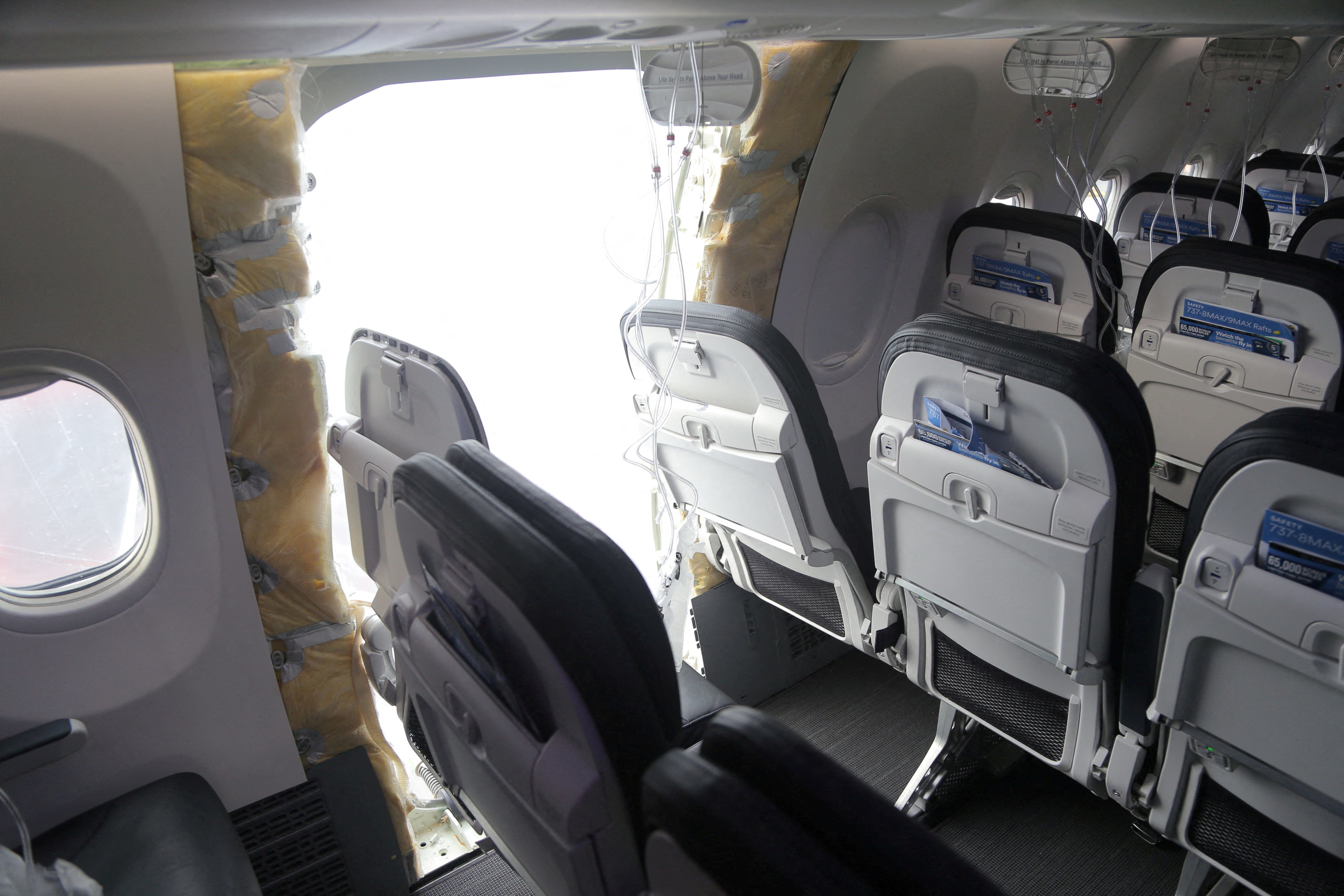
On 5 January 2024, a door plug blowout occurred on board Alaska Airlines Flight 1282 at 16,000 feet. Several passengers were injured as the aircraft made an emergency landing with a door-sized hole in the body of the 737 MAX 9 jetliner.
The FAA said in January that it was increasing its scrutiny of Boeing, while the Justice Department opened a criminal investigation into the Alaska Airlines blowout in March.

