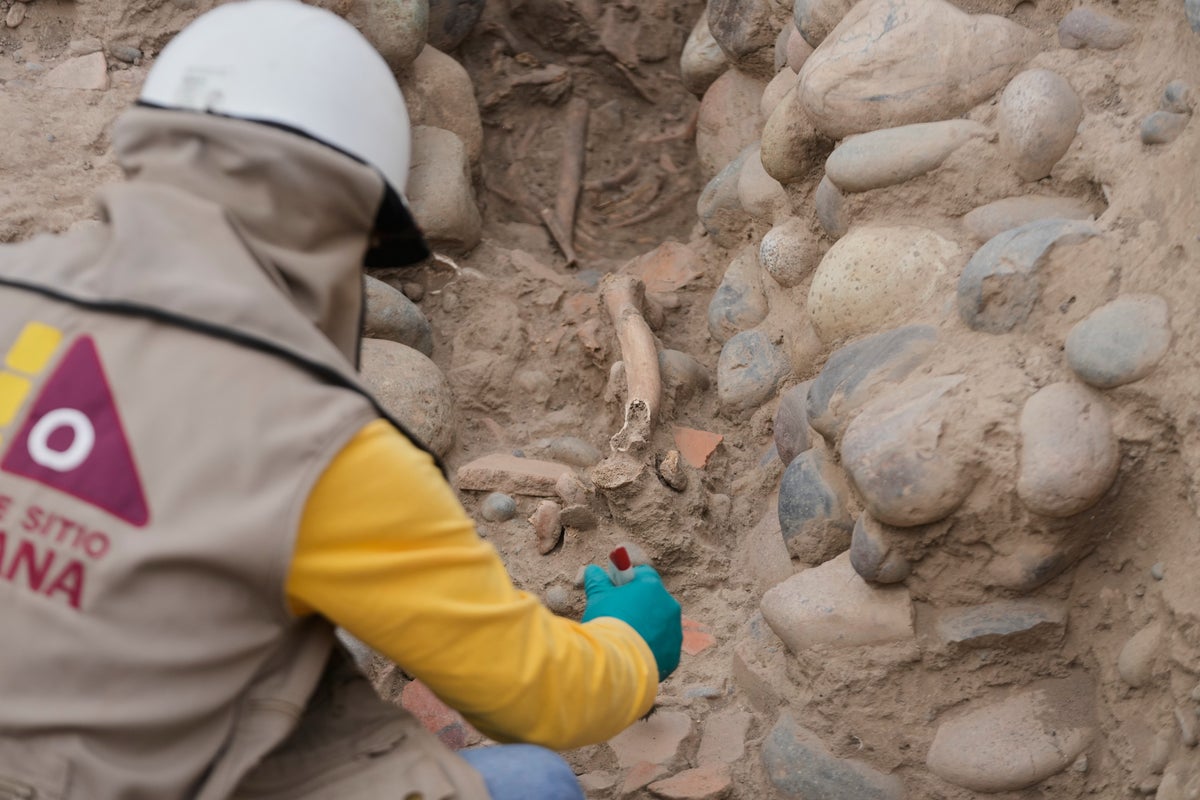
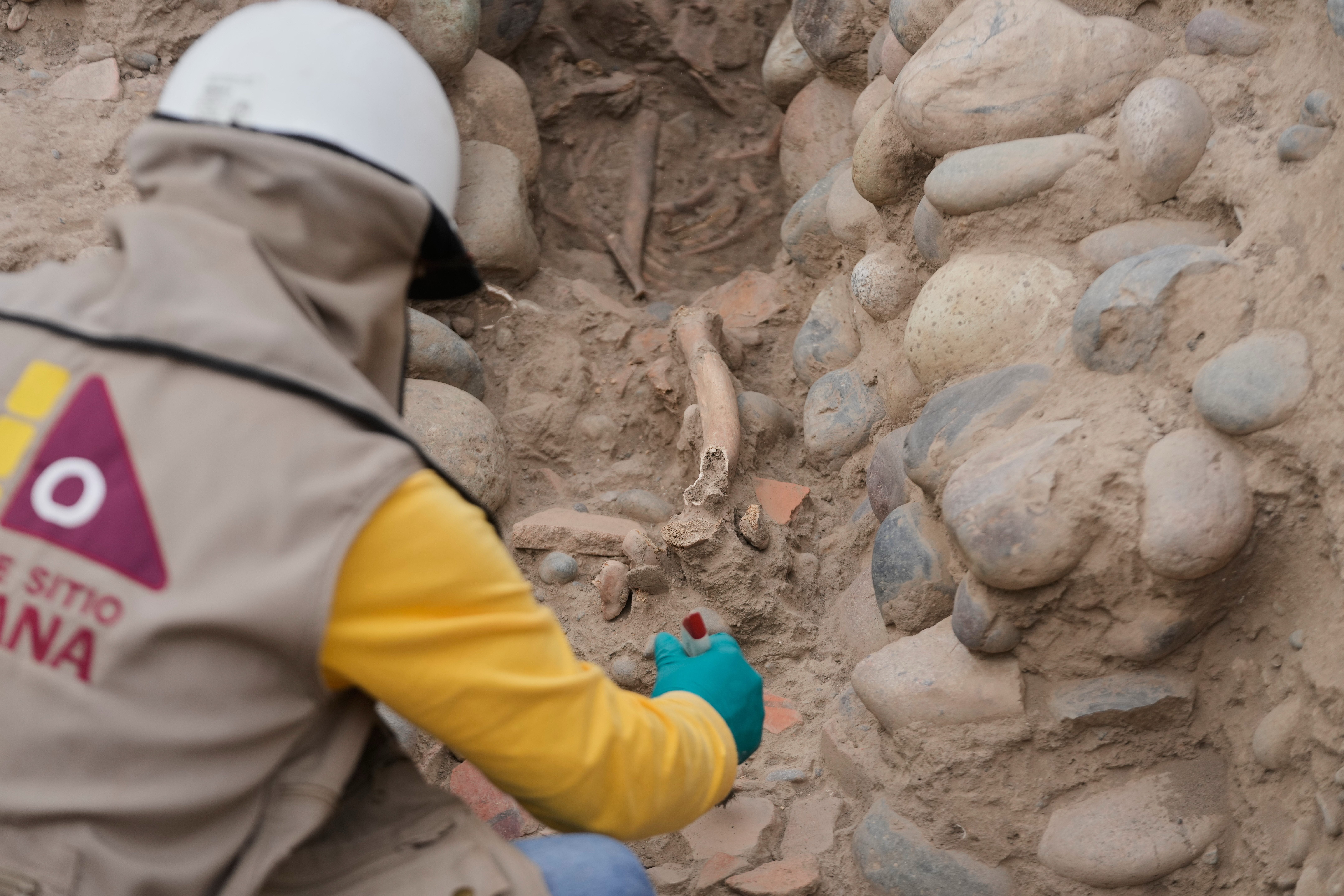
Перу улсын нийслэл Лима хотын Хуака Пуклана пирамидын сууриас олдсон хүний шарил нь Лима соёл иргэншлийн зан үйлийн судалгаанд шинэ баримт болж байна.
Археологчид тус олдворыг ёслолын усан сан болон сувгийг битүүмжлэх зан үйлийн үеэр өргөл болгон тахисан байж болзошгүй гэж үзэж байна. Уг шарилыг сувгийн дотор, зүүн хажуугаар нь хэвтүүлж, гавлын ясыг нь пирамид болон Номхон далайн зүг харуулан байрлуулсан байжээ. Төслийн ахлах археологч Глэдис Пазын мэдээлснээр, энэхүү олдвор нь МЭ I-VII зууны хооронд цэцэглэн хөгжиж байсан Лима соёл иргэншлийн нууцлаг зан үйлийг дахин сэргээн судлахад чухал ач холбогдолтой юм.

Хуака Пуклана нь Инкийн эзэнт гүрэн мандахаас 700 орчим жилийн өмнө тус бүс нутгийн засаг захиргаа, шашны томоохон төв байжээ. Өдгөө Лима хотын нутаг дэвсгэрт 400 гаруй археологийн дурсгалт газар бүртгэгдээд байгаа бөгөөд бүтээн байгуулалтын ажлын үеэр ийм төрлийн олдворууд байнга илэрдэг байна.
Сан Маркосын үндэсний их сургуулийн археологийн профессор Питер Ван Далений тайлбарласнаар, Перугийн эрэг орчмоос олддог шарилууд нь ихэвчлэн байгалийн жамаар эсвэл соёлын зан үйлийн дагуу занданшуулсан байдалтай олддог. Тухайлбал, 2025 онд Лима хотын дэд бүтцийн ажлын явцад 1,000 орчим жилийн настай, Инкийн өмнөх үеийн хүний шарил илэрч байсан удаатай.
Дэлгэрэнгүйг эх сурвалжаас харах
↓Эх сурвалжийг нээх ↓
Archaeologists have found the skeletal remains of an adult human near the base of an ancient pyramid in Peru.
Researchers believe that the person, believed to be a man, was buried as an offering at the base of Huaca Pucllana, an adobe pyramid in the country’s capital, Lima.
They think that he was sacrificed during a ritual that coincided with the sealing of a canal joined to a ceremonial pool.
The lead archaeologist on the excavation, Gladys Paz, said that the find will assist experts to gain insight into “the rituals of the Lima culture” and reconstruct ceremonies that were conducted centuries in the past.
Interred inside the canal, the body was placed resting on its left side, with its skull aligned towards the pyramid and the Pacific Ocean.
The Lima civilisation flourished along Peru’s dry central coast from the 1st to the 7th century, predating the rise of the Inca Empire by around 700 years.
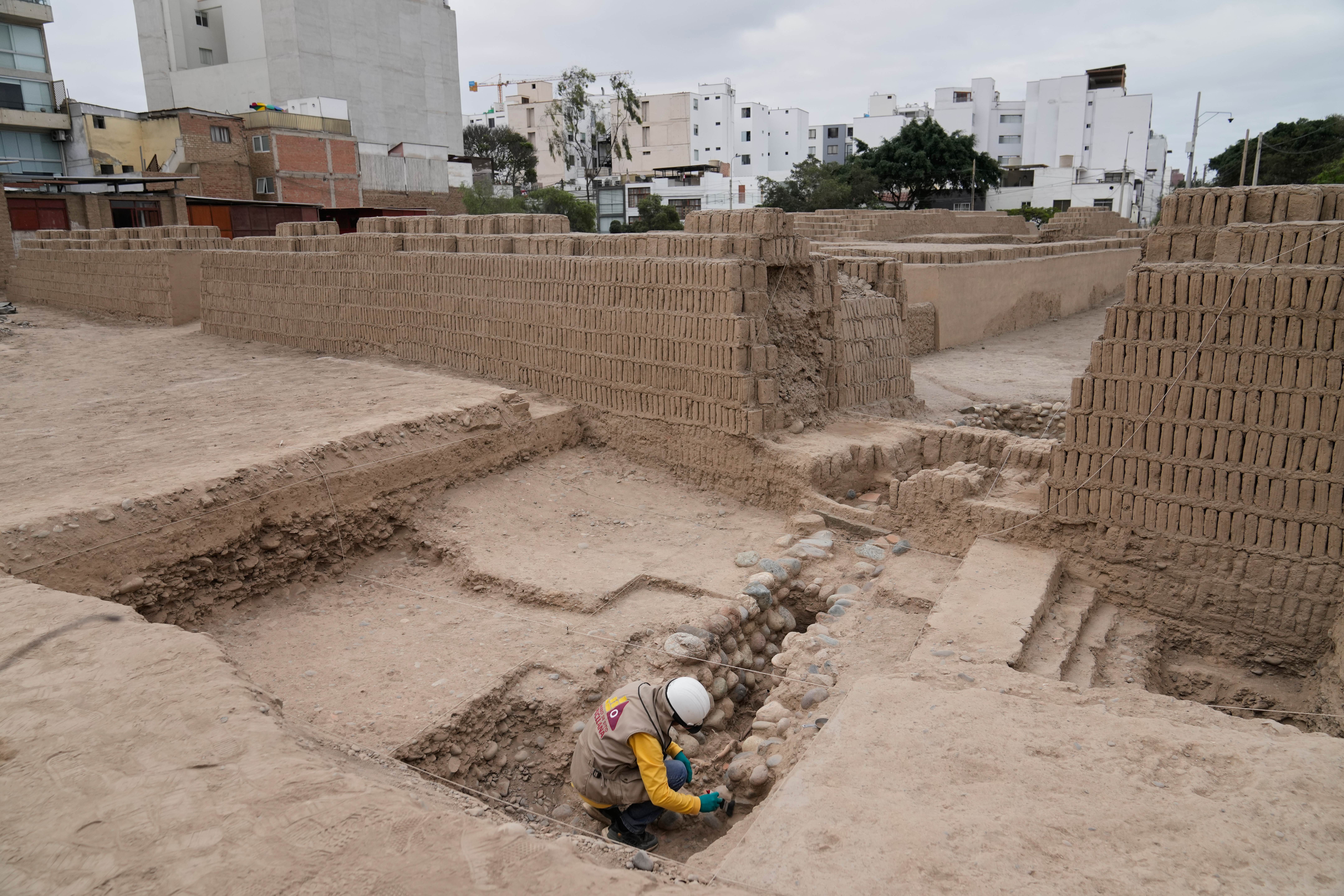
Huaca Pucllana functioned as a major administrative and religious centre for the society, which dissolved hundreds of years before Spanish conquistadors established Lima in 1535.
The monument is now located amongst parks, tree-lined streets and high-end residential buildings in the Miraflores and San Isidro districts.
Open to visitors, the complex features a restaurant offering local dishes such as ceviche, stir-fried beef and roasted alpaca meat.
Government data indicates that metropolitan Lima contains more than 400 archaeological sites.
Pieter Van Dalen, an archaeology professor at the National University of San Marcos who did not participate in the dig, said that burials, mummies and related artefacts are regularly uncovered along the coast, including during construction works for gas pipelines.
In 2025, utility workers excavating trenches in Lima uncovered a pre-Inca mummy about 1,000 years old, barely half a metre (20 inches) below the surface.
Van Dalen said at the time that mummies on the Peruvian coast were usually found mummified naturally, generally in desert areas, with their skin dehydrated by the summer heat.
He explained that other unearthed remains have been found to have undergone mummification procedures for cultural reasons and are usually discovered in a seated position, with their hands covering their faces.


