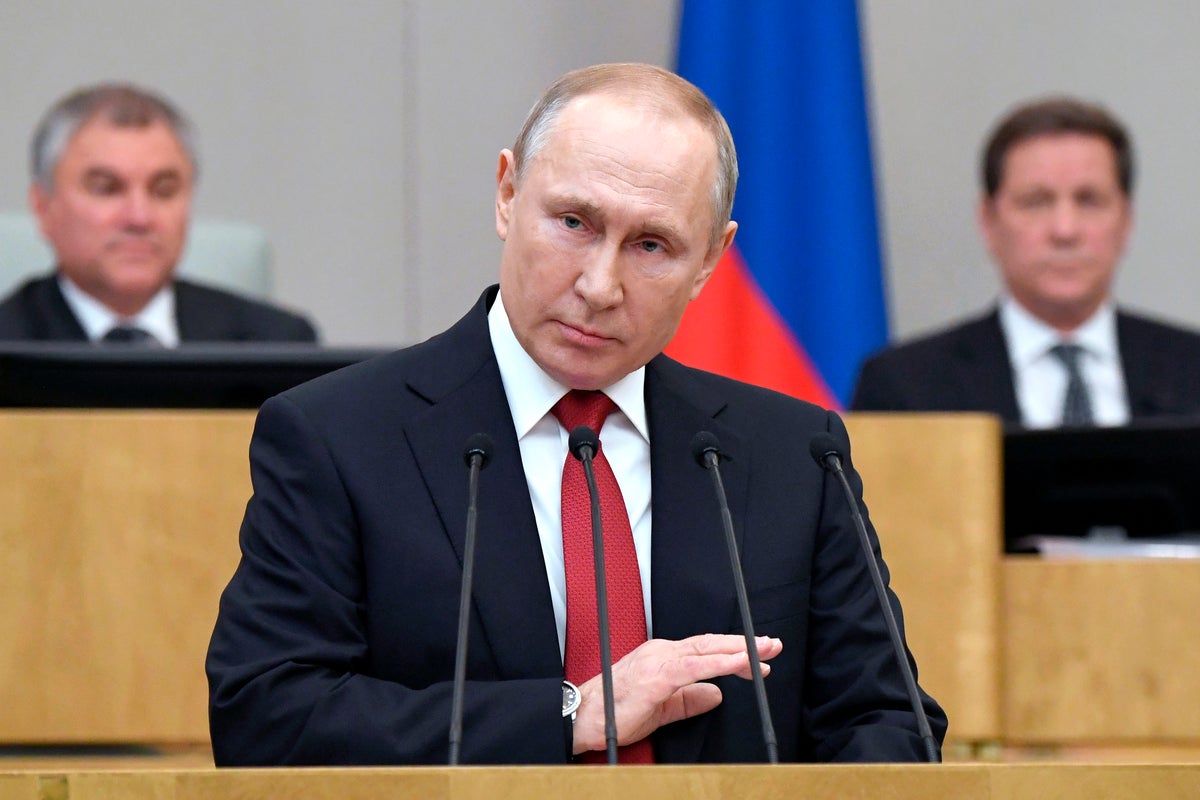
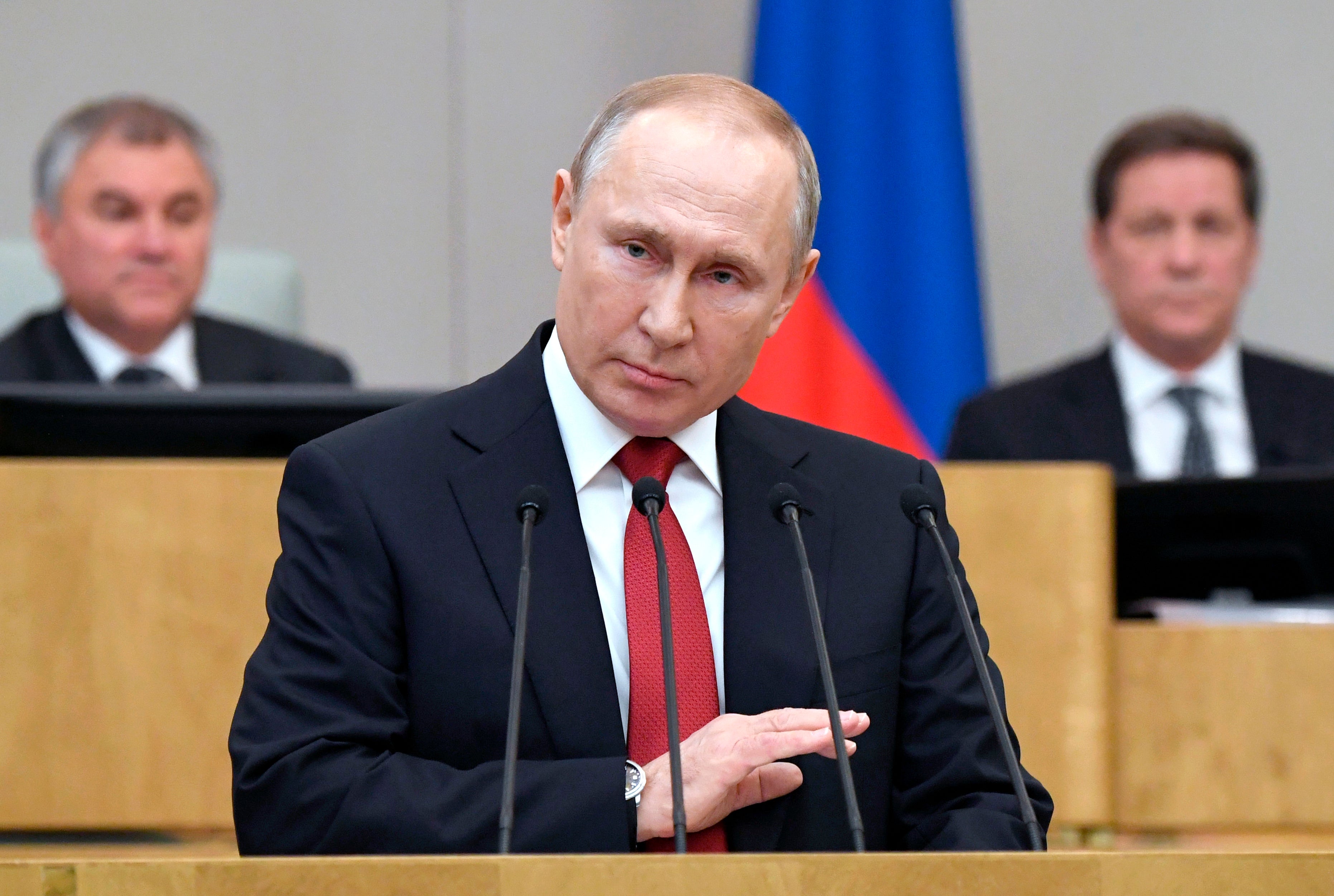
Украйны дайны улмаас үүссэн эдийн засгийн хүндрэл, хөрөнгийн хураалт нь Оросын иргэд болон томоохон корпорацуудын дунд түгшүүр төрүүлж, санхүүгийн тогтолцоонд хямрал үүсгэж эхэллээ.
Наймдугаар сарын эхний хоёр долоо хоногт Оросын банкуудаас 286.4 тэрбум рублийг татсан нь иргэдийн дунд үүссэн сандралыг харуулж байна. Үүнээс өмнө долдугаар сард 5.3 тэрбум фунт стерлинг, зургадугаар сард 3.32 тэрбум фунт стерлингийн мөнгөн хөрөнгө банкуудаас гарсан гэж Төв банкны мэдээлэлд дурджээ. Сбербанкны гүйцэтгэх албан тушаалтан Тарас Скворцовын үзэж буйгаар, энэ онд гадагшлах хөрөнгийн урсгал 2022 онд дайн эхэлсэн үеийнхээс хоёр дахин нэмэгдэж болзошгүй байна.
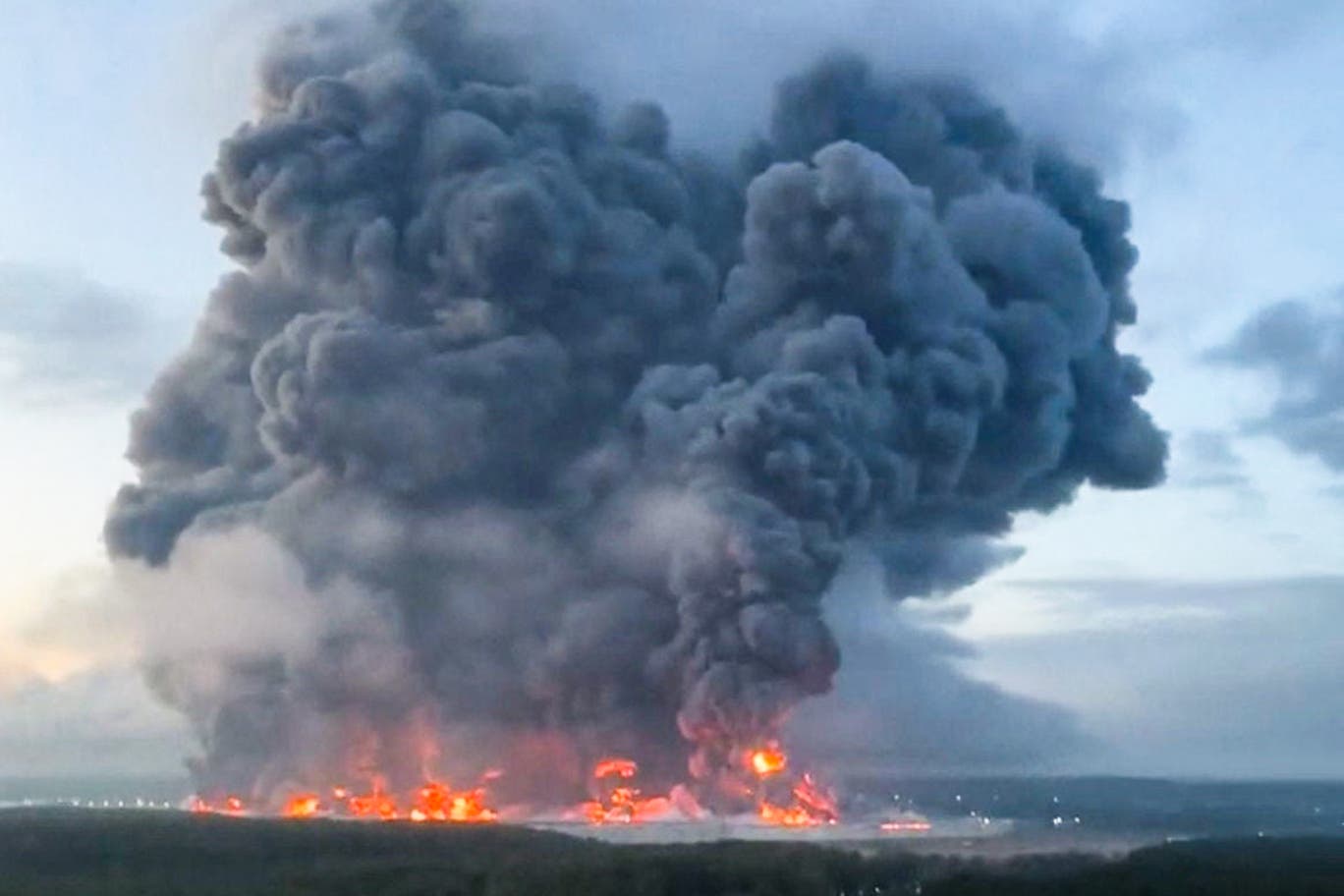
Банкуудын бэлэн мөнгөний хомсдол нь цэргийн ханган нийлүүлэгчдэд хөнгөлөлттэй зээл олгохыг шаардсан төрийн бодлогын улмаас үүссэн чанаргүй зээлийн асуудлыг улам хүндрүүлж байна. Үүний улмаас ОХУ-ын Сангийн яам төсвийн алдагдлыг нөхөх зорилготой бондын дуудлага худалдаагаа цуцлахад хүрсэн нь улс орны санхүүгийн чадавхи суларч байгааг илтгэж байна. Харвардын их сургуулийн судлаач Крейг Кеннеди энэ нөхцөл байдлыг эзэнт гүрний хэт өргөжин тэлэлтийн үр дагавар хэмээн тодорхойлов.
Украйны зүгээс ОХУ-ын газрын тосны дэд бүтцэд хийж буй дроны цохилтууд нь тус улсын боловсруулах хүчин чадлыг 30 гаруй хувиар бууруулж, дотоодын түлшний хямралыг өдөөсөн нь нөхцөл байдлыг улам ээдрээтэй болгож байна. Мөн сүүлийн нэг жилийн хугацаанд 36 тэрбум фунт стерлингээс давсан хувийн хөрөнгийг төрөөс хураан авсан нь элитүүдийн дунд өөрийн хөрөнгөө хамгаалах гэсэн оролдлогыг идэвхжүүлэв.
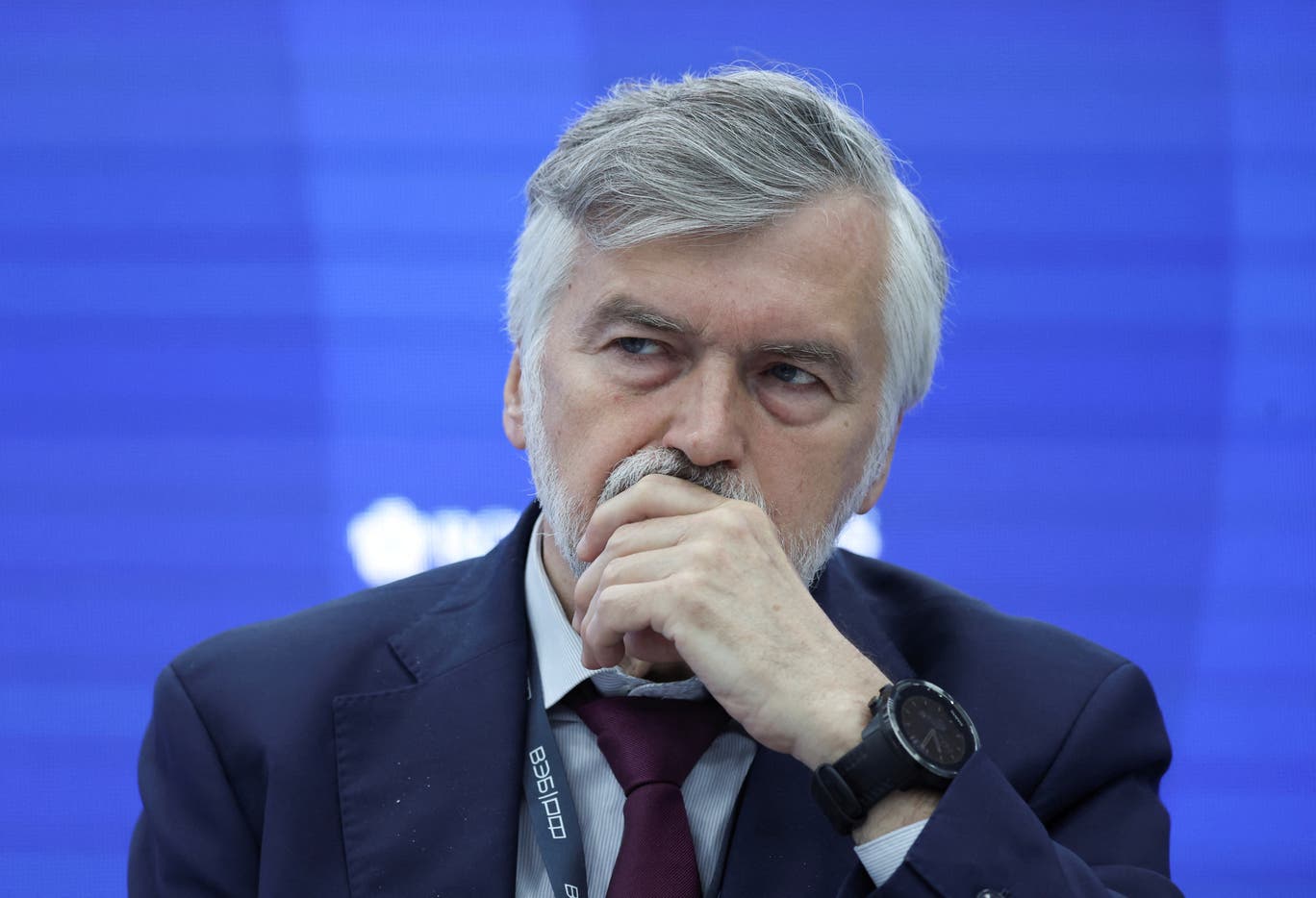
Эдийн засгийн энэхүү хүндрэлтэй холбогдуулан ОХУ-ын төрийн албан хаагчдын дунд ч шүүмжлэл өрнөж байна. Тухайлбал, VEB банкны ерөнхий эдийн засагч Андрей Клепач удаан хугацааны дайнд ОХУ ялах боломжгүй гэж мэдэгдсэнийхээ дараа ажлаасаа чөлөөлөгдсөн юм. Москва хотын дарга Сергей Собянин ч иргэний эдийн засгийг дайны зардалд зориулж сүйтгэх нь улс орныг өөрөө сөнөөхтэй адил үйлдэл болохыг анхааруулжээ.
Дэлгэрэнгүйг эх сурвалжаас харах
↓Эх сурвалжийг нээх ↓
Russian citizens are withdrawing billions of roubles from the country’s banks over fears that the Kremlin could seize deposits to fund the war in Ukraine.
Analysts say fears that the Kremlin could confiscate private savings to bankroll the conflict have triggered widespread panic, with more than 286.4bn roubles (£2.5bn) pulled from Russian banks during the first two weeks of August alone.
A staggering £5.3bn was reported to have been withdrawn in July on top of a further £3.32bn in June, according to Central Bank data.
Taras Skvortsov, an executive at state-owned Sberbank, has warned that total capital flight this year could be double of what was seen during the initial months of Russia’s 2022 invasion.
The cash run is creating a severe liquidity crisis for institutions already staggering under a mountain of bad loans— the result of Kremlin directives forcing banks to extend easy credit to military suppliers.
Skvortsov told The Washington Post: “Drones are flying. Things are burning down. Nervousness is growing.
“Everyday wisdom is kicking in. People feel they need cash under their pillow, not in banks where it may never be returned.”
Such panic is not limited to ordinary depositors. Major corporations are frantically trying to shield assets beyond the reach of state regulators, routing capital through brokerage accounts in Kazakhstan, Kyrgyzstan, and Armenia to reach global markets.
The outflow has directly damaged state finances. With banks short on cash, the Finance Ministry was forced to cancel vital bond auctions intended to cover a budget deficit that has already ballooned past $76bn.
“Great powers don’t have repeated treasury bond failures in the middle of a war,” Harvard scholar Craig Kennedy, told The Washington Post, describing the failure as a stark sign of “imperial overreach.”
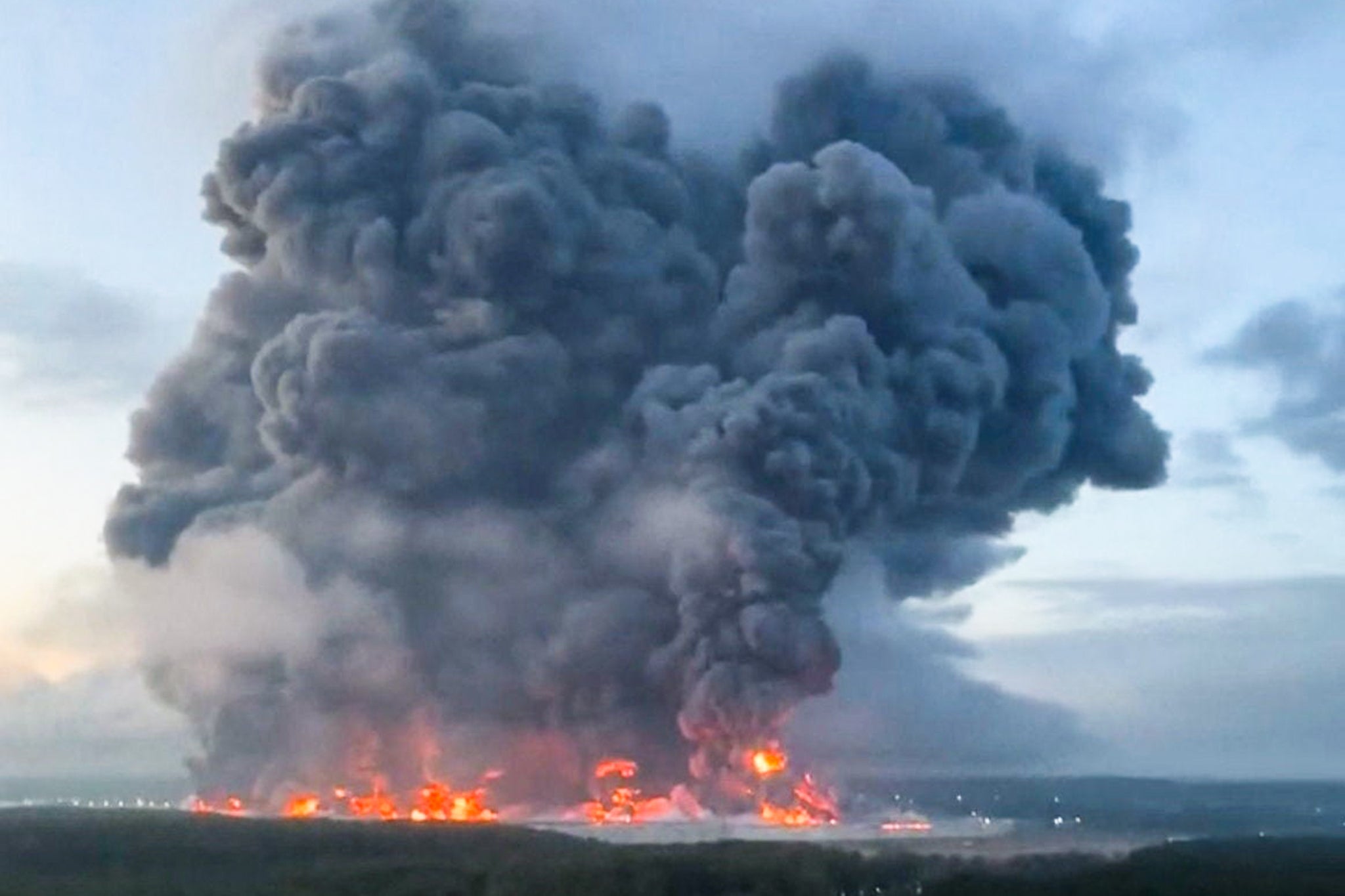
Fears have been heightened by Ukraine’s relentless drone campaign against Russian oil infrastructure, which has knocked out over 30 per cent of the nation’s refining capacity and triggered a chaotic domestic fuel crisis.
Meanwhile, high-profile asset seizures have convinced elites that no one is safe.
The state recently confiscated £5.6bn from agricultural tycoon Vadim Moshkovich, adding to the more than £36bn in private assets seized over the past year.
“If the government needs cash, Putin will just do a grab for assets,” said an associate of one Russian billionaire. “He doesn’t care. And that’s where I think it’s heading.”
The fiscal strain is now putting pressure on the state officials. Earlier this week, Andrei Klepach, chief economist at state bank VEB, was abruptly fired after he warned that Russia “could not win” a prolonged war of attrition against a Western-backed Ukraine.
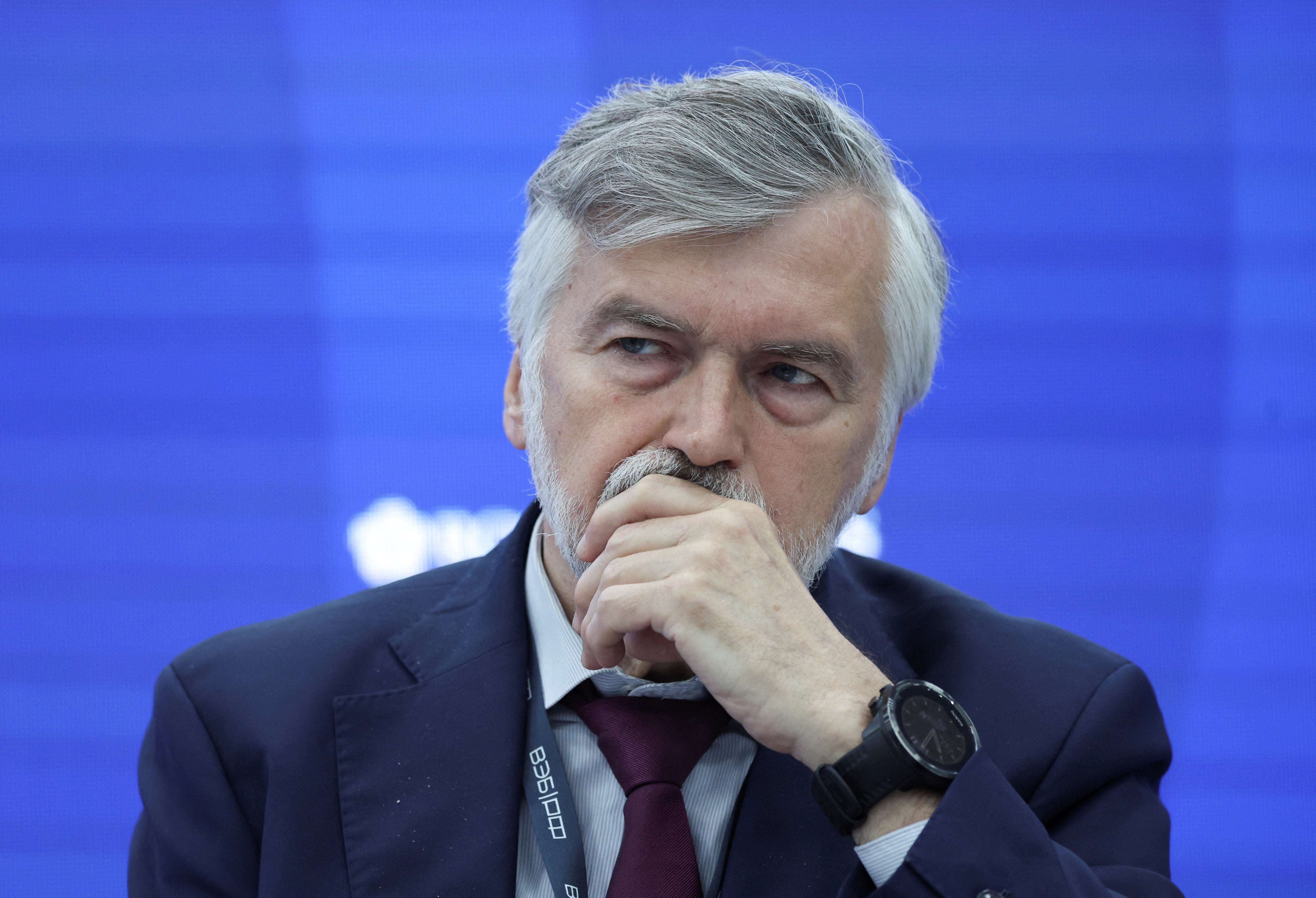
“We’re under the illusion that everything [in Ukraine] will collapse. It hasn’t, and it won’t. Meanwhile, the costs we bear are mounting,” Klepach said.
The former economist’s words appear to ring true, with a widening budget deficit, collapsing bond sales, and record capital flight laying bare the immense financial toll of the conflict.
The message to the Kremlin from within its own establishment is clear: Russia cannot afford to keep escalating its military spending.
In an extraordinary intervention, Moscow’s powerful mayor, Sergei Sobyanin, issued a stark public warning against raiding from the civilian sector to fund the war effort.
“To kill the civilian economy,” Sobyanin warned, “is to kill the country itself.”

