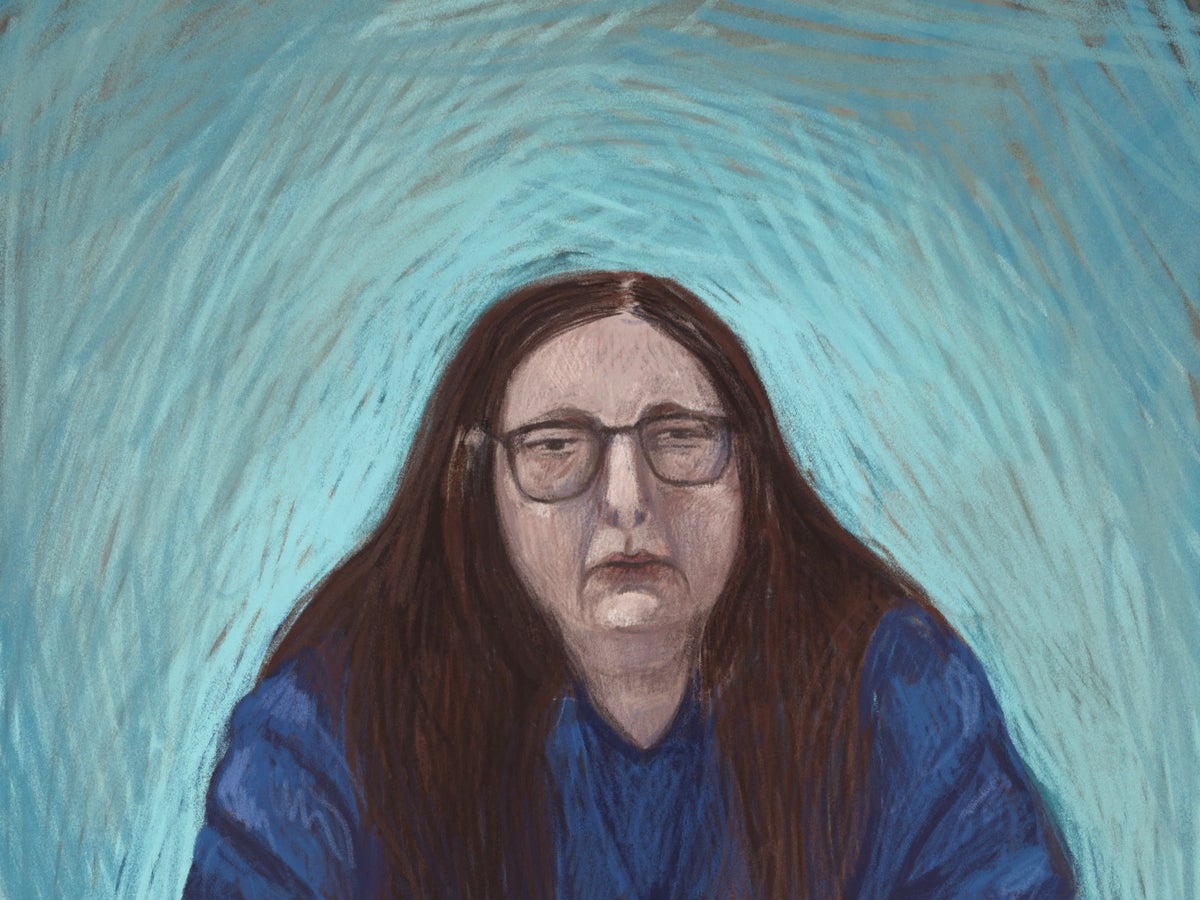
Австралийн Виктория мужийн Давж заалдах шатны шүүхэд хортой мөөгөөр гурван хүний аминд хүрсэн хэргээр бүх насаараа хоригдох ял сонссон Эрин Паттерсоны давж заалдах өргөдлийг хэлэлцэж байна.
Эрин Паттерсоны өмгөөлөгчид шүүх хурлын явцад гарсан ноцтой зөрчлүүдийг үндэслэн ялыг хүчингүй болгохыг шаардаж байна. Тэдний үзэж буйгаар, анхан шатны шүүх хурлын үеэр тангарагтны шүүгчдийг прокурор болон цагдаагийн ажилтнуудтай нэг зочид буудалд байрлуулсан нь шударга шүүхээр шүүлгэх зарчмыг алдагдуулсан “гамшгийн шинжтэй” алдаа болжээ. Харин улсын яллагч Брендан Киссанэ энэ нь санамсаргүй тохиолдсон үйл явдал бөгөөд тангарагтнууд болон прокурорын талынхны хооронд ямар нэгэн харилцаа үүсээгүй гэж няцаав.
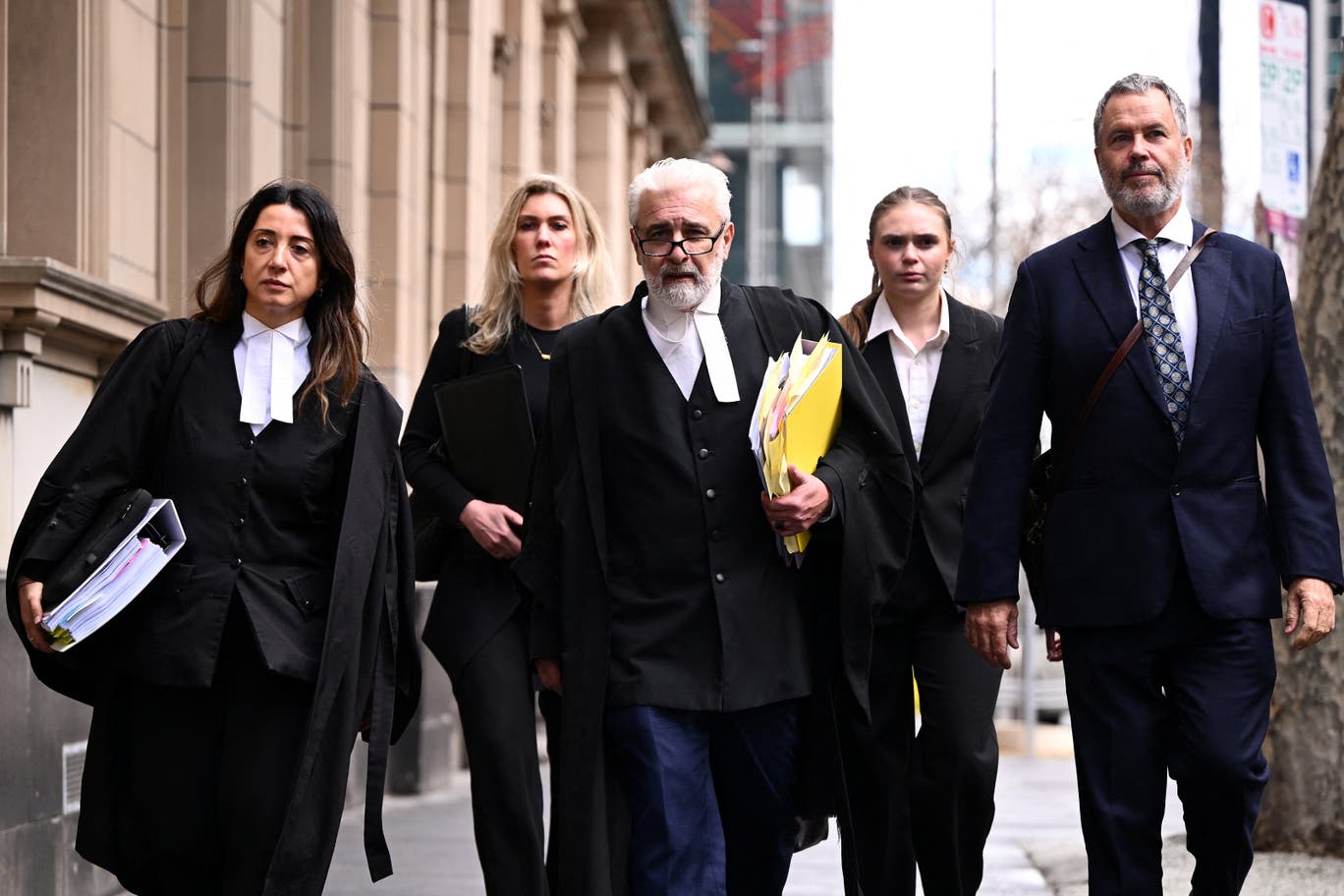
Давж заалдах өргөдөлд мөн мөрдөн байцаалтын явцад цуглуулсан үүрэн телефоны дамжуулах цамхагийн мэдээлэл болон иргэний шинжлэх ухааны цахим хуудсан дахь мөөгний байршлын талаарх баримтыг шүүхэд буруу ашигласан гэж дурджээ. Өмгөөлөгчдийн зүгээс эдгээр нотлох баримт нь хэтэрхий таамаглалд суурилсан бөгөөд Паттерсоныг гэм буруутай гэдгийг нотлох хангалттай үндэслэл болохгүй гэж маргаж байна.
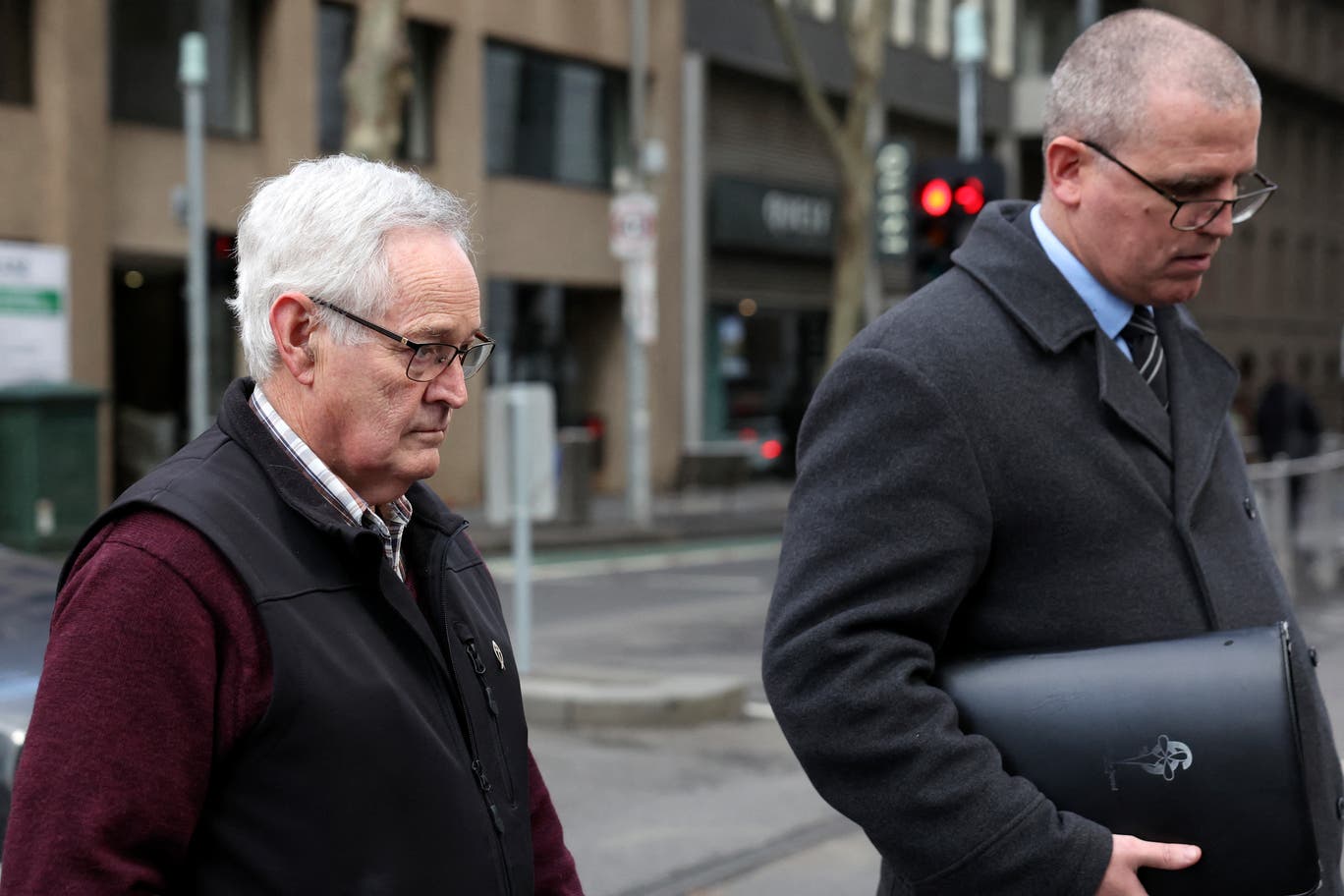
Үүнээс гадна, шүүгч Паттерсоны гэрт хийсэн нэгжлэгээр олдсон, түүнийг мөөг түүдэг байсныг нотлох гэрэл зураг, дүрс бичлэгийг нотлох баримтаар хүлээж аваагүй нь шүүгдэгчийн өөрийгөө хамгаалах эрхийг хязгаарласан гэж үзэж байна. Мөн прокурорын зүгээс шүүх хурлын хаалтын үгэндээ баримтыг зориудаар мушгин гуйвуулж, хэргийн сэдэл болон бусад нөхцөл байдлын талаар үндэслэлгүй дүгнэлт хийсэн гэж өмгөөлөгчид буруутгалаа.
Виктория мужийн Давж заалдах шатны шүүхэд өрнөж буй энэхүү хурал пүрэв гарагт үргэлжилнэ.
Дэлгэрэнгүйг эх сурвалжаас харах
↓Эх сурвалжийг нээх ↓
Lawyers for Erin Patterson, the Australian mushroom killer appealing her conviction, argued on Wednesday that putting her jurors up in the same hotel as police and prosecution officials was a “catastrophic” failure of the justice system.
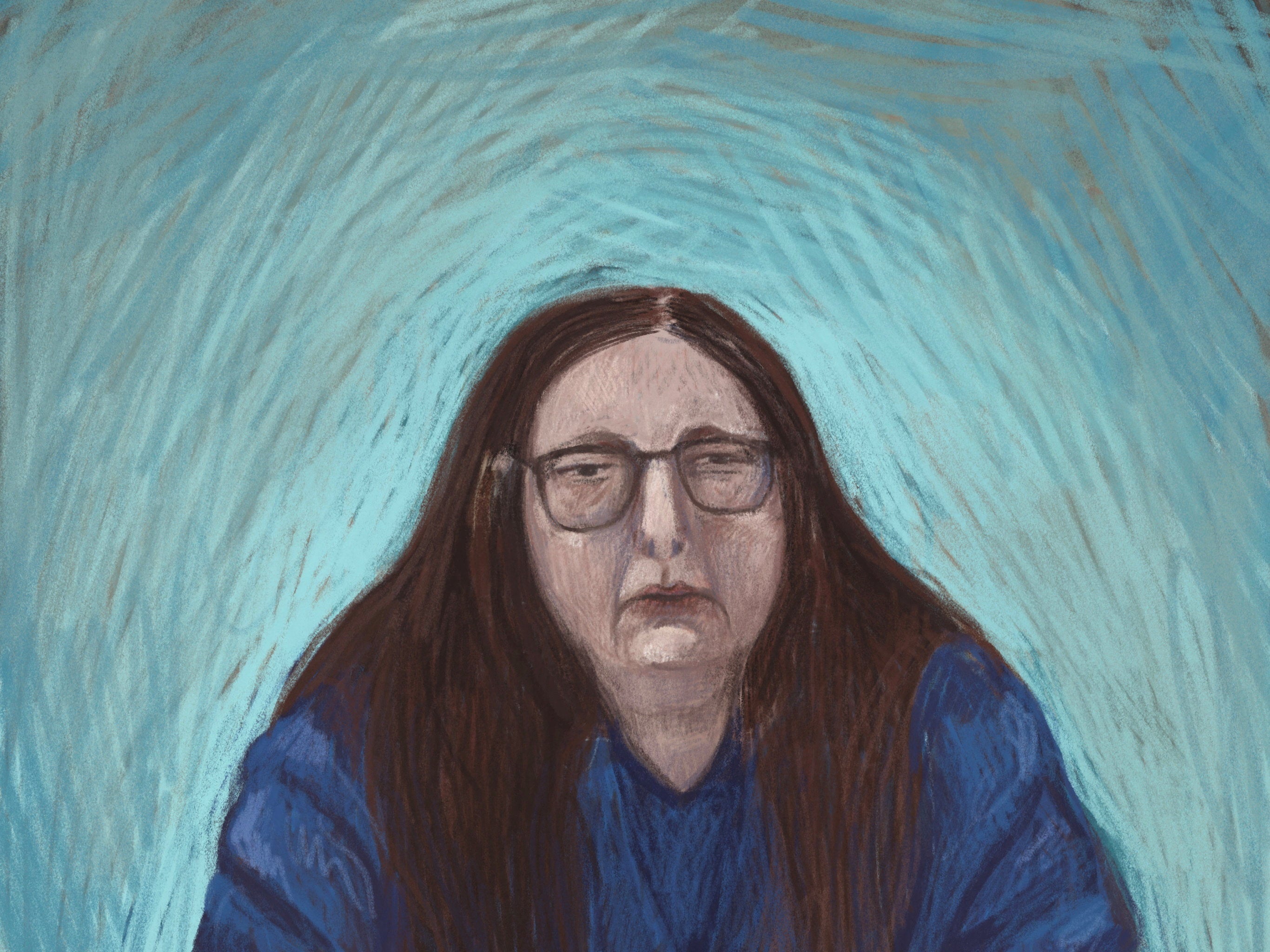
Patterson, 51, serving a life sentence for murdering three members of her estranged husband’s family by feeding them food laced with death-cap mushrooms, appeared by video link as her barristers Richard Edney and Veronika Drago presented seven grounds of appeal to the Victorian Court of Appeal.
The most significant challenge centred on the accommodation arrangement for the jurors in Morwell, where they were briefly housed in the same hotel as some people connected to the prosecution.
Mr Edney described the arrangement as “catastrophic”, arguing that it could have had a “subconscious influence” on jurors and amounted to a “fundamental irregularity” that undermined the integrity of the verdict. Justice must not only be done, but be seen to be done in “perhaps one of the most high-profile criminal trials this state has ever had”, he added.
The director of public prosecutions, Brendan Kissane KC, rejected the claim saying that there was no evidence of contact between jurors and prosecution figures. “There is actually no substance to it,” Mr Kissane said.
“Far from being some sort of catastrophic failure,” he added, “there’s no evidence in our submission to support this ground.”
He said the jurors were kept on a separate floor and had a separate dining room, while jury-keepers were sworn to prevent improper communication.
Mr Kissane conceded that trial judge Christopher Beale would have rejected the arrangement had he known about it in advance.
“I have got no doubt that if it was said to the judge, ‘Look we want to stay in the same hotel as the jury’, he would have said, ‘No, we need other arrangements,’” he said. “But the fact of the matter was that it happened accidentally.”
Patterson’s second ground of appeal was that evidence involving cell towers, along with death-cap mushroom sightings in Loch and Outtrim posted on a citizen science website, should not have been admitted because it was “unfair” and “dangerous”. The prosecution used the evidence at Patterson’s trial to argue that she had an opportunity to obtain death-cap mushrooms before the fatal lunch.
The court heard that death caps had been reported on iNaturalist in Loch and Outtrim, while phone records showed Patterson’s phone had connected to cell towers covering the two areas.
The defence argued on Wednesday that the evidence was too speculative, pointing out that it didn’t establish Patterson had seen the iNaturalist reports or that she had visited the precise locations the mushrooms were found at.
“No such argument was made in relation to the iNaturalist evidence in the trial,” crown prosecutor Jeremy McWilliams replied. “The response is that this evidence was part of a collection of evidence which, taken together, demonstrated that the applicant had opportunity to deliberately source death cap mushrooms at a time close to the lunch, and on the prosecution case, did so.”
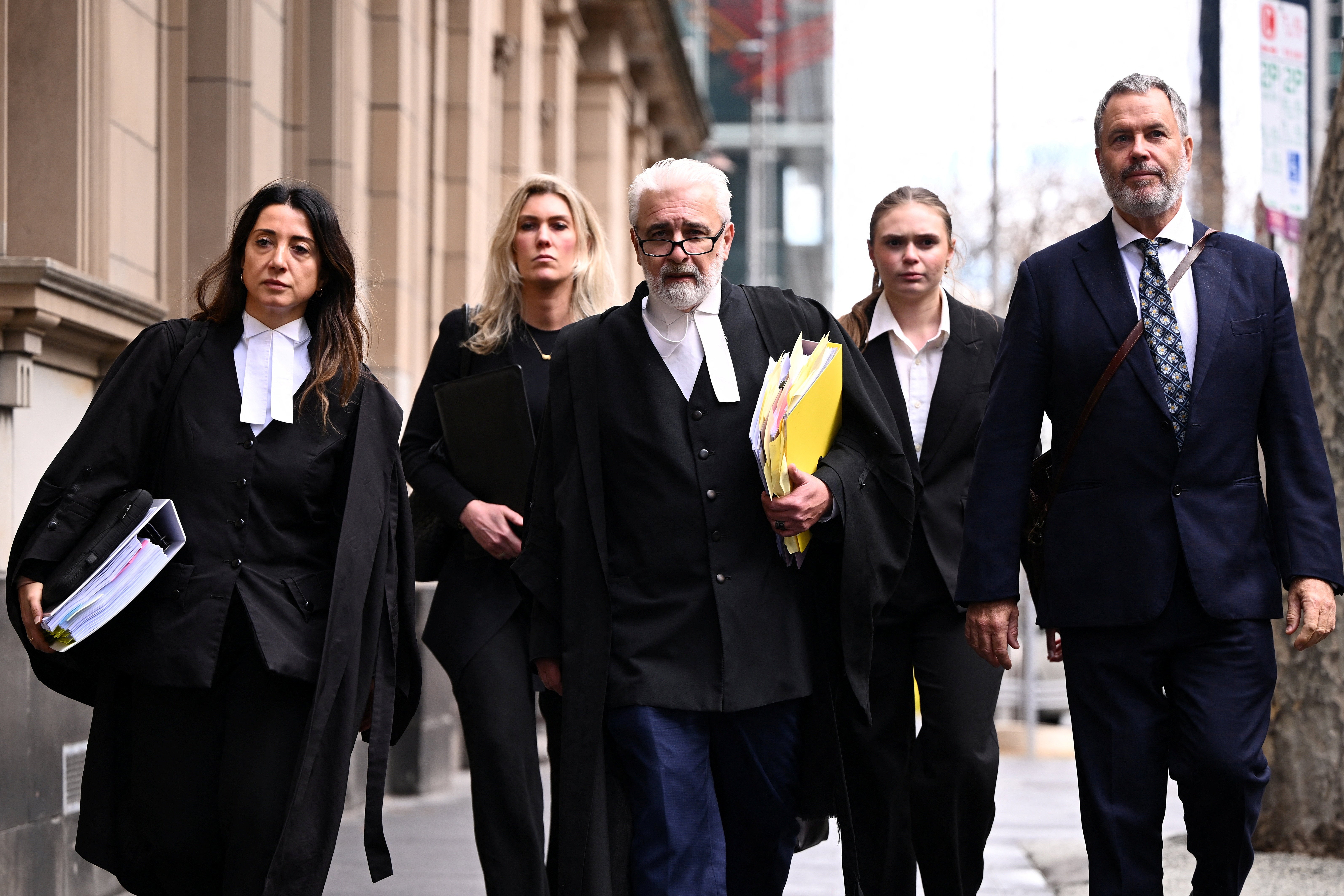
Another ground of appeal said the trial judge wrongly excluded photos and videos of mushrooms found on an SD card at Patterson’s home, which the defence said supported her claim that she had foraged for mushrooms.
“Critical to the defence case was whether the applicant had previously foraged for mushrooms on occasions other than those alleged by the prosecution,” her lawyers argued in written submissions.
“That is, had the applicant innocently picked or foraged for mushrooms on other occasions or were the picking of death cap mushrooms, as alleged by the prosecution, isolated incidents? The first error by the trial judge – where the impugned evidence was incorrectly ruled to be irrelevant on 29 May 2025 – had a cascading and compounding effect on what came over the course of following two days in the trial. It also occurred at a critical and sensitive time in trial.”
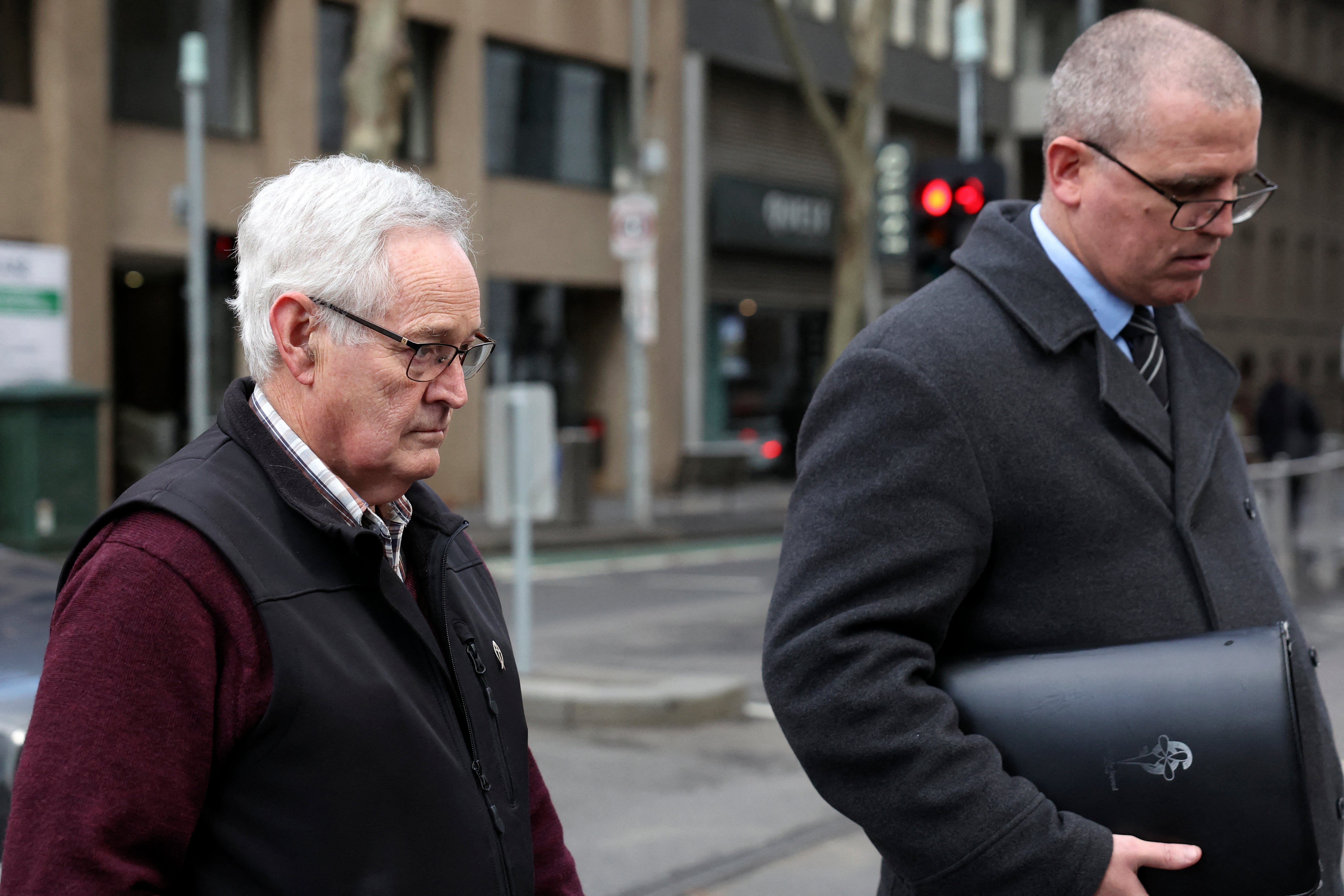
Ms Drago argued the judge’s rulings “compelled” Patterson to give evidence about photographs of mushrooms she had taken years before the fatal lunch.
“It compromised her right to silence,” Ms Drago said.
The lawyers also attacked the prosecution’s cross-examination and closing address. Mr Edney argued that her questioning was “unfair” and “oppressive” and put pressure on Patterson to explain evidence from other witnesses.
“But also asking the applicant whether another witness was wrong, mistaken, or incorrect, in our submission, really diverted the jury from their proper task,” he said.
“The jury might have impermissibly thought or wondered why the applicant didn’t give an explanation, despite those directions that the jury got in relation to standard of proof and the burden of proof.”
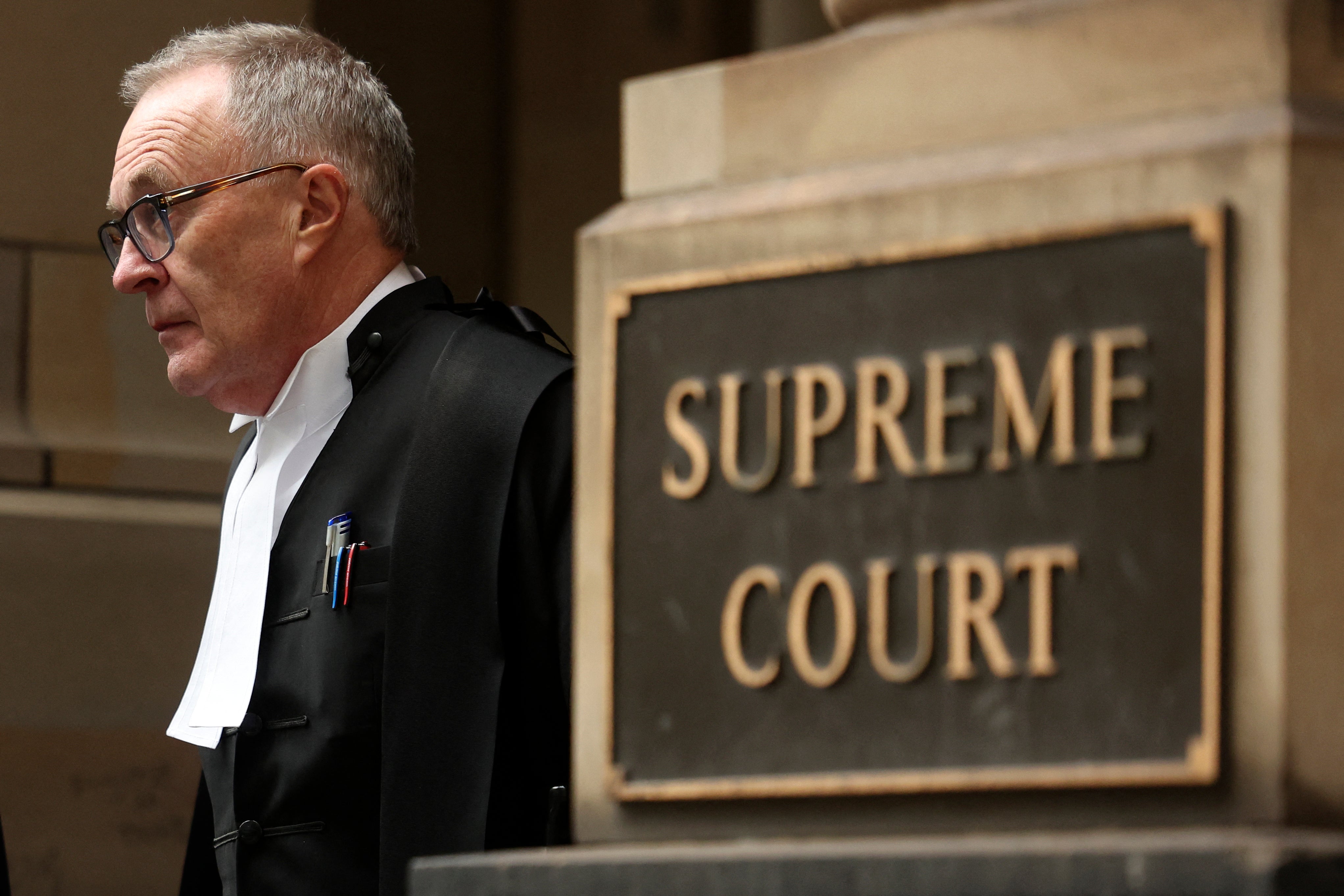
They also alleged that prosecutor Nanette Rogers SC, “cherrypicked” evidence in her final address.
The defence identified 35 complaints with the closing submissions. They argued that she went “too far” and misstated evidence.
The defence further argued that the prosecutors effectively introduced a new motive during their closing address, despite saying they did not need to prove motive.
Ms Drago alleged that the prosecution changed its case “surreptitiously”. “A trial by ambush is not permitted,” she said.
The defence is also challenging the admission of evidence from Patterson’s Facebook, including messages and material involving her friends on the platform. Her lawyers argued that the evidence wasn’t relevant to the charges or that its value was outweighed by the risk of unfairly prejudicing the jury against her.
The hearing will continue on Thursday.

