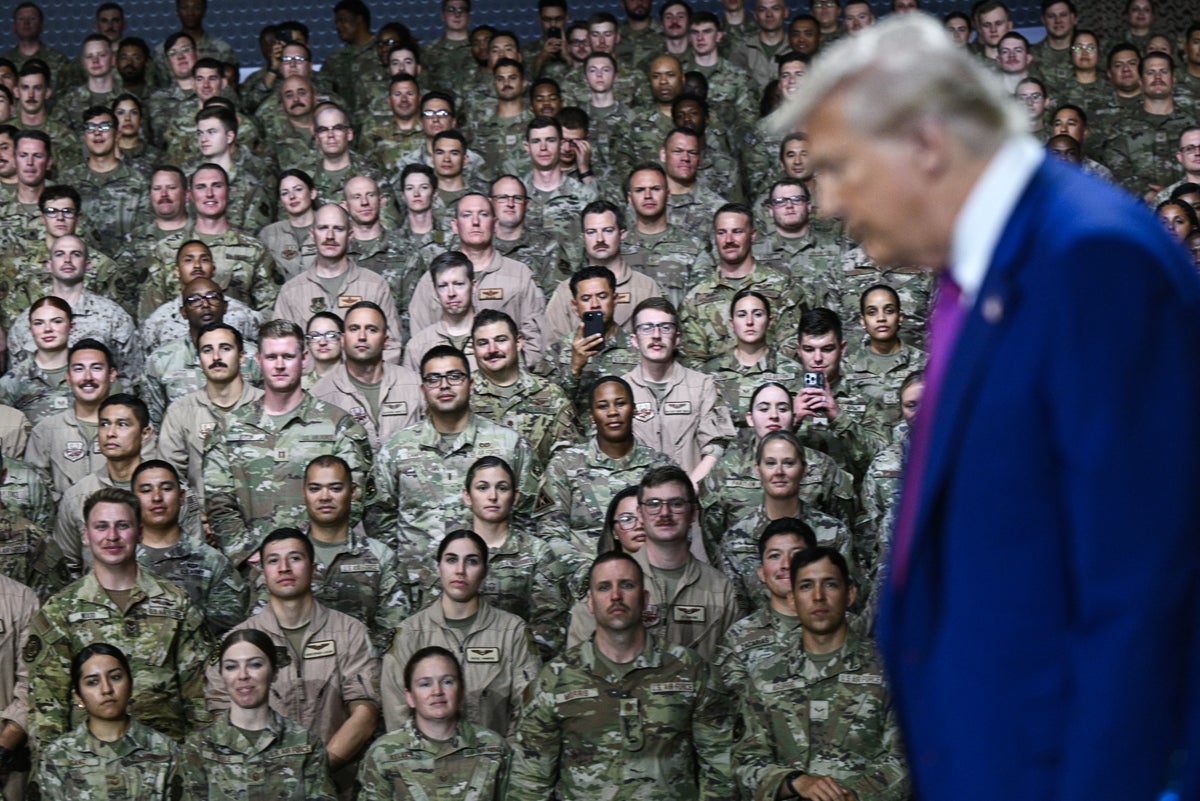
Пентагон Ираны мөргөлдөөн өндөрлөсний дараа тус бүс нутагт байрлаж буй АНУ-ын цэргийн хүчийг бууруулах асуудлыг хэлэлцэж эхэлжээ.
Хоёрдугаар сарын сүүлээс эхэлсэн Ираны дайны улмаас АНУ-ын баазууд удаа дараа халдлагад өртөж, байлдааны техник хэрэгсэлд их хэмжээний хохирол учирсан юм. Эх сурвалжийн мэдээлснээр, Пентагоны бодлогын газар, АНУ-ын Төв командлал (CENTCOM) болон Нэгдсэн штаб бүс нутаг дахь цэргийн байршил, хүчээ эргэн харах ажиллагааг эхлүүлээд байна. Гэсэн хэдий ч Батлан хамгаалахын сайд Пит Хегсет одоогоор албан ёсны шийдвэр гаргаагүй байгаа бөгөөд Пентагоны зүгээс цэргийн байршлыг өөрчлөх албан ёсны шалгалт хийгдээгүй гэдгийг мэдэгджээ.
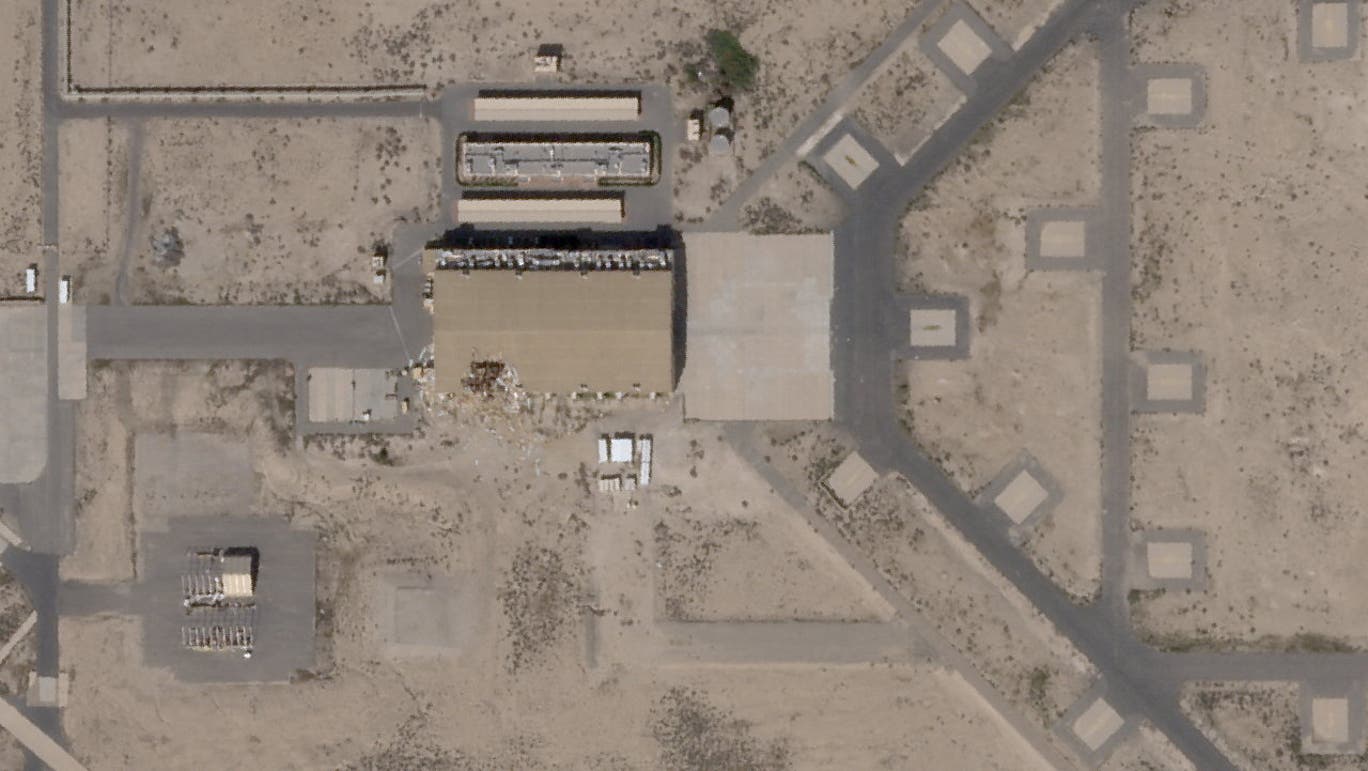
Ойрхи Дорнодод нийт 50 мянга орчим цэрэг байрлаж байгаа бөгөөд АНУ-ын эзэмшлийн 20 орчим цэргийн бааз бий. Үүнээс Бахрейн дахь Тэнгисийн цэргийн тавдугаар флотын төв байр болон Катар дахь 10 мянга орчим цэрэгтэй Al Udeid агаарын бааз нь стратегийн хувьд хамгийн чухал байгууламжуудад тооцогддог. Ираны хүчний халдлагын улмаас эдгээр баазууд болон хамгаалалтын системүүдэд сая сая долларын хохирол учирч, олон арван нисэх онгоц сүйдсэн эсвэл гэмтсэн байна.
Ерөнхийлөгч Дональд Трамп “гадаадын дайныг зогсоох” амлалт өгч байсан ч энэ удаагийн мөргөлдөөн 37.5 тэрбум долларын зардал гаргаад байгаа нь дотоодын улс төрийн шүүмжлэлийг дагуулах болжээ. Цэргийн шинжээчдийн үзэж байгаагаар, бүс нутаг дахь нөхцөл байдал тогтворжсоны дараа АНУ цэргийн бүрэлдэхүүнээ татах эсвэл өөрчлөн зохион байгуулах нь зайлшгүй болох төлөвтэй байна.
Дэлгэрэнгүйг эх сурвалжаас харах
↓Эх сурвалжийг нээх ↓
The Pentagon is considering reducing U.S. military presence in the Middle East following the conclusion of the Iran war, according to a report.
Troops could be withdrawn from the Persian Gulf, officials told The Washington Post, following months of attacks by Iranian forces that have targeted U.S. bases across the region since the war began in late February.
The Pentagon’s policy office is evaluating U.S. regional presence, with U.S. Central Command (Centcom) and Joint Staff also looking at the situation, a senior Pentagon official told the outlet.
While no formal review has been ordered by U.S. defence secretary Pete Hegseth, “decisions are going to have to be made on some of this stuff,” the official told The Post.
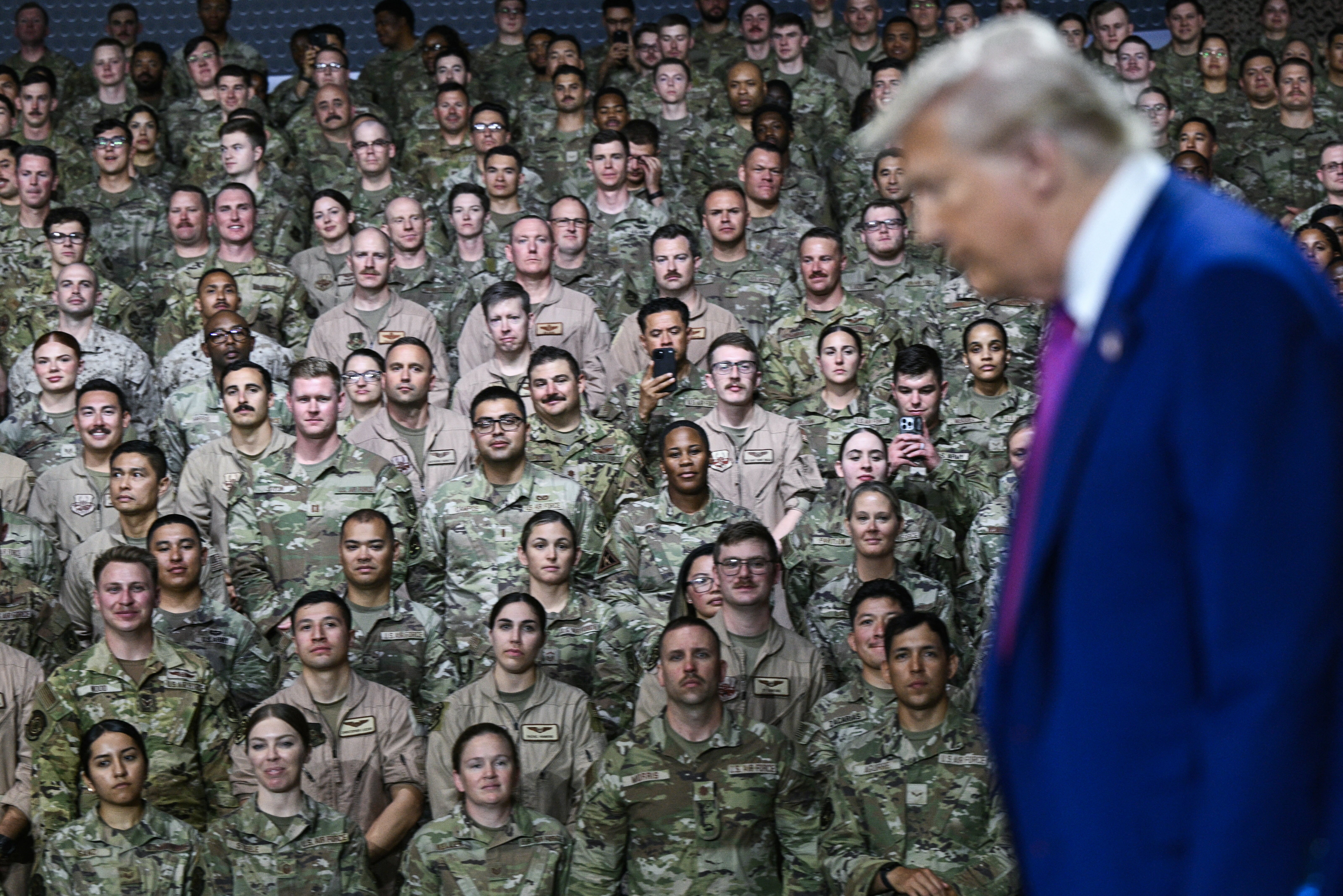
A Pentagon spokesperson told The Independent: “While the Department of War routinely conducts prudent monitoring and assessment of U.S. force posture across the globe, there is currently no formal review of U.S. force posture in the Middle East.”
President Donald Trump has faced ongoing backlash over the war domestically, with some of his own supporters pointing out he campaigned on the promise of “no more foreign wars”.
The Iran conflict has so far cost around $37.5 billion, Hegseth revealed last month, with dozens of aircraft lost or damaged and a number bases hit during Iran’s retaliation.
The U.S. has around 20 military bases across the Middle East, according to the Council of Foreign Relations, including in Iraq, Saudi Arabia, Oman, Kuwait, Jordan, Bahrain, the UAE and Qatar, eight of which are permanent.
Centcom says there are currently around 50,000 troops currently deployed across the Middle East.
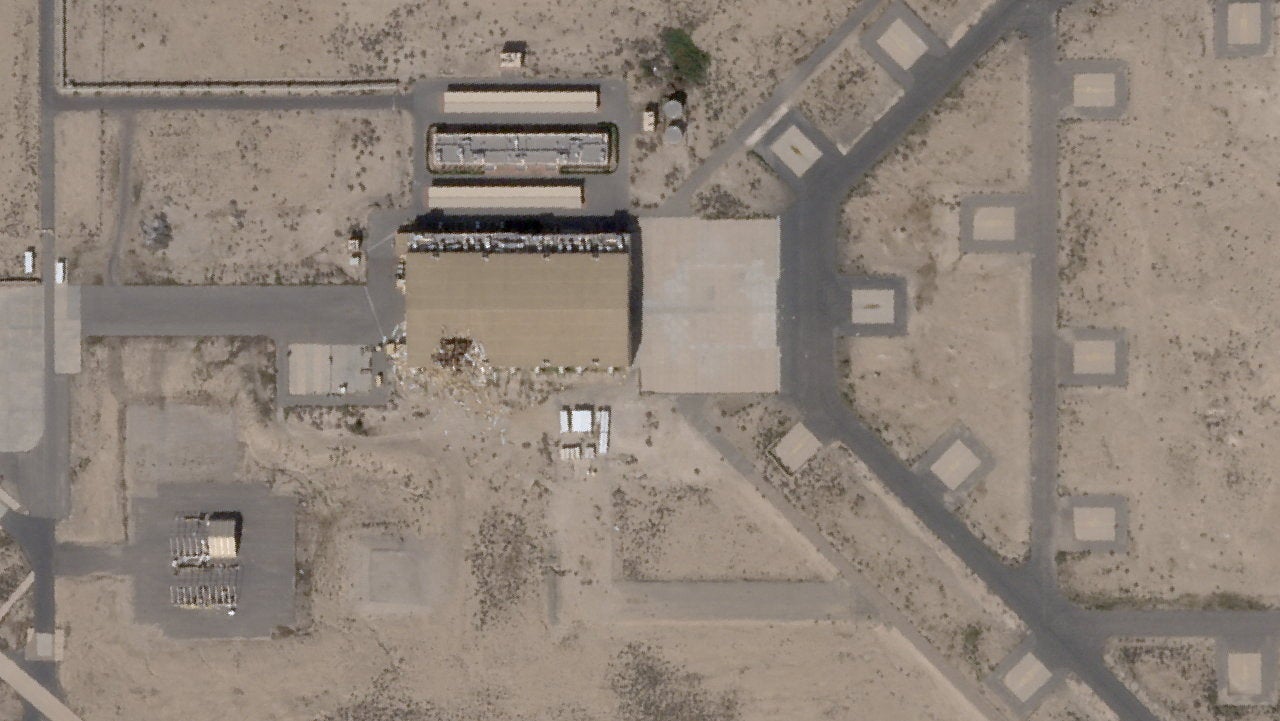
Tehran’s forces have damaged 20 US military sites since the start of the war on 28 February, BBC Verify reported in June, citing satellite images and videos.
It suggested the damage to U.S. bases had been far more extensive then the Pentagon acknowledged, with millions of dollars of damage to defence systems and refuelling aircraft, the report said.
The most significant of the U.S .bases to be attacked include the headquarters of the Navy’s Fifth Fleet in Bahrain, which is responsible for areas across the Gulf, Red Sea, Arabian Sea, and some parts of the Indian Ocean.
The 24-hectare Al Udeid Air Base in Qatar houses around 10,000 troops, making it Washington’s largest in the Middle East. It has also been repeatedly attacked by Iran, during the 2025 hostilities and in recent months. Sites in Jordan, Iraq, Saudi Arabia, Oman, the UAE and Kuwait have also been targeted.
The number of troops in the region has fluctuated over the years depending on the conflict at the time. Major operations saw up to 160,000 troops in Iraq in 2007 and 100,000 in Afghanistan in 2011, according to the CFR.
Early this year, Washington began further building up its military presence as it prepared for war with Iran, sending vast aircraft carriers along with fighter jets to the region.
However, six months on from the war starting, sailors on extended deployment in the region have shared frustrations with their families, including those on board the USS Abraham Lincoln.

