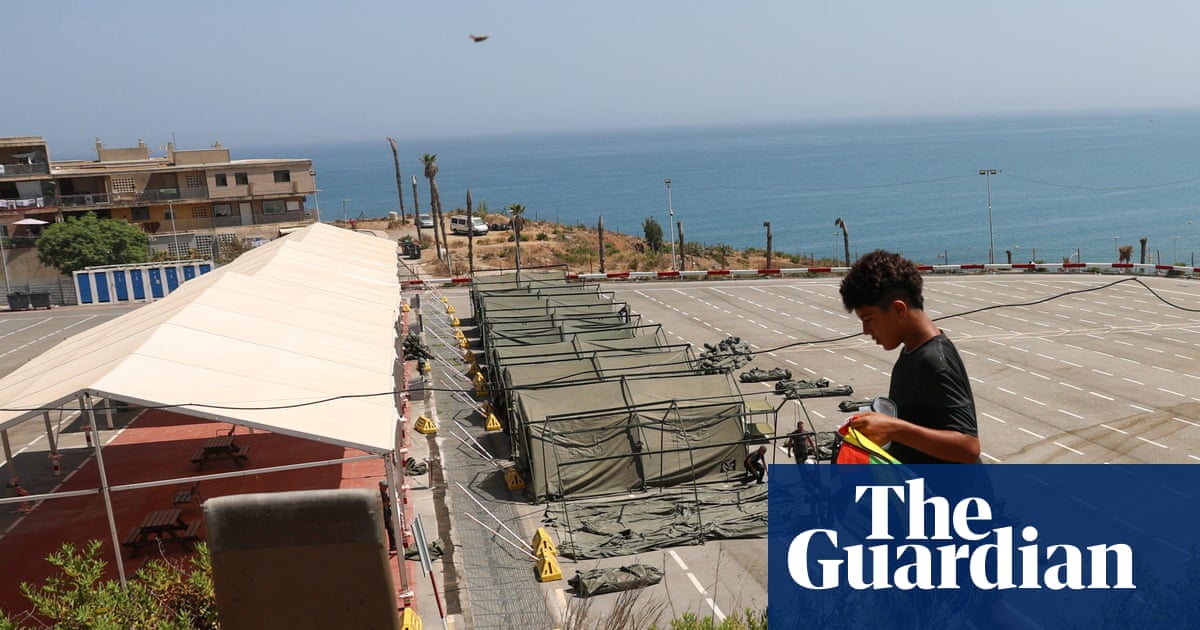
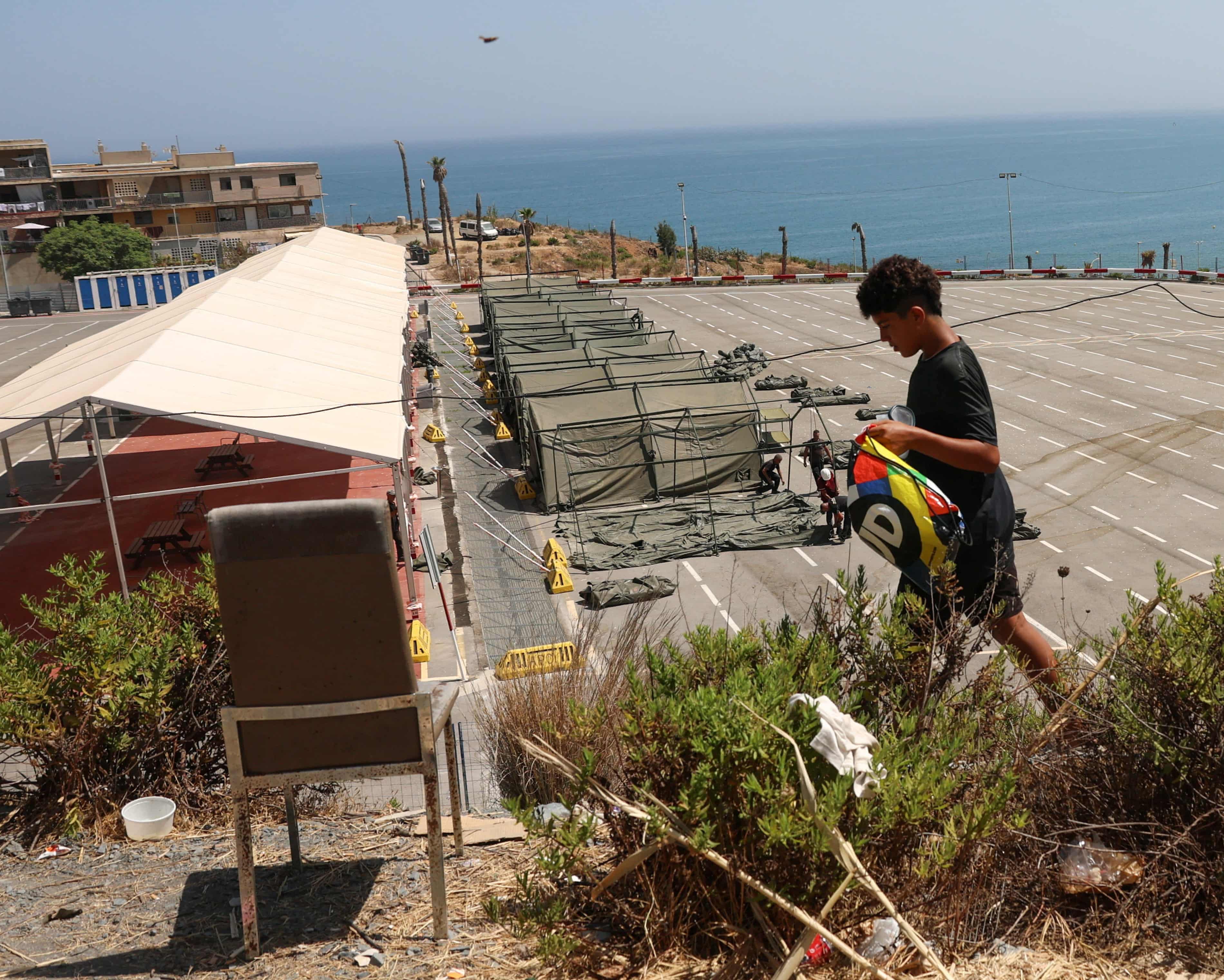
Испанийн засгийн газар өмнө нь баримталж байсан байр сууриа өөрчилж, Хойд Африкт орших тус улсын харьяа Сеута хотод байгаа насанд хүрээгүй цагаачдыг эх газрын нутаг руу нүүлгэн шилжүүлэх шийдвэр гаргалаа.
Долдугаар сарын 30-нд Сеута руу нэвтэрсэн 70,000 орчим цагаачийн ихэнх нь Марокко руу буцсан хэдий ч Испанийн хуулийн дагуу 18 нас хүрээгүй, харгалзах хүнгүй цагаачдыг асран хамгаалах үүрэг тус улсад хэвээр байна. Долдугаар сарын 13-нд Дотоод хэргийн сайд Фернандо Гранде-Марласка хууль бусаар нэвтэрсэн хүмүүсийг эргүүлэн илгээнэ хэмээн мэдэгдэж байсан ч засгийн газар ийнхүү бодлогоо өөрчиллөө.
Энэхүү шилжүүлэг нь улс төрийн хувьд эмзэг сэдэв болж байгаа бөгөөд сөрөг хүчний Ардын нам болон “Vox” намтай хамтран засагладаг зарим бүс нутаг цагаачдыг хүлээн авахаас татгалзаж байна. Мөргөлдөөнийг багасгахын тулд Залуучуудын яам нь Сеутагийн засгийн газартай хамтран хамгийн эмзэг бүлгийн хүүхдүүд, ялангуяа охидыг төрийн бус байгууллагуудын хяналт дор шилжүүлэх яаралтай төлөвлөгөөг боловсруулж байна.
Европын комисс хуулийн дагуу Сеутад үлдсэн бүх цагаачдыг, тэр дундаа насанд хүрээгүй хүүхдүүдийг Марокко руу буцаах ёстой гэсэн байр суурийг илэрхийлсэн юм. Испанийн Ардын нам засгийн газрын энэ төлөвлөгөөг эсэргүүцэж, хүүхдүүдийг гэр бүлийнхэнтэй нь хамт байлгах нь зүйтэй гэж үзэж байна. Одоогийн байдлаар Испанид 16-23 насны 21,104 хүн төрийн асрамжид байгаагийн 3,500 орчим нь 17-оос доош насныхан бөгөөд тэдний тал хувь нь Марокко улсаас иржээ.
Дэлгэрэнгүйг эх сурвалжаас харах
↓Эх сурвалжийг нээх ↓
The Spanish government has U-turned and said it would allow 500 migrant minors in Ceuta to relocate to the mainland.
The majority of the estimated 70,000 migrants who crossed into Ceuta – a Spanish enclave on the coast of North Africa – on 30 July have returned to Morocco. However, under Spanish law, the state has a duty of care to young, unaccompanied migrants until they reach the age of 18.
The plan represents something of an about-face for the government. On 13 August, the interior minister, Fernando Grande-Marlaska, said: “Anyone who illegally enters Ceuta or Melilla [a Spanish enclave in North Africa] knows they will be sent back because Spain and Morocco work together to this end. They will not reach the peninsula, nor the European continent and nor will they remain indefinitely in Ceuta or Melilla.”
The transfer of these children to the Spanish mainland is a sensitive political topic as several regions governed jointly by the conservative People’s party and the far-right Vox are reluctant or opposed to receiving their quota.
To minimise conflict, the youth ministry, in coordination with the Ceuta government, is devising an urgent plan under which NGOs and child protection agencies take charge of the most vulnerable children, girls in particular, without transferring their guardianship to Spain’s regional governments.
Rubén Pérez Correa, the secretary of state for children, has been in Ceuta since Sunday in an effort to resolve a situation in which hundreds of children are living on the street and existing on handouts from Ceuta residents.
News of the government’s plan came only hours after the European Commission said that, under EU law, all of the migrants should be returned to Morocco.
Asked to clarify, the commission’s spokesperson on internal affairs, Markus Lammert, said that by law all irregular migrants remaining in Ceuta should be sent back, “including unaccompanied minors”.
The People’s party has rejected the government plan, saying the best place for the children is with their families.
“If Morocco has asked for the children to be returned and if Europe says the illegal immigrants should all be returned, whether children or not, what more does the government need?” the People’s party deputy finance spokesperson, Juan Bravo, said in a television interview.
The mixed messages partly derive from the fact the latest European pact on immigration has not yet been incorporated into Spanish law and therefore Spain’s own legislation on the treatment of unaccompanied minors remains in force.
According to Spain’s ministry of inclusion and migration, as of last March 21,104 people aged 16-23 were guardians of the state, of whom about 3,500 were under 17. Approximately 50% were from Morocco. Girls made up about 8% of the total.

