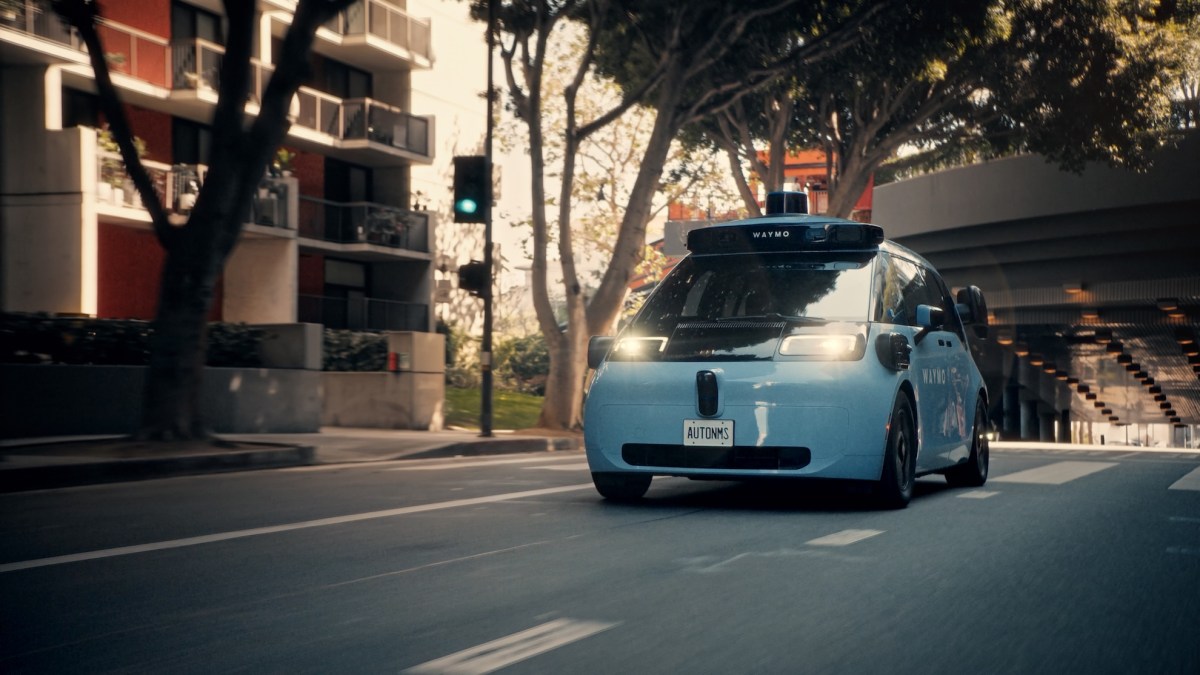
Waymo компани өөрийн бүтээсэн, зардал хэмнэх чадвартай Ojai роботаксиг Лос-Анжелес, Финикс болон Сан-Франциско хотуудын нийт хэрэглэгчдэд нээлттэй болгосноо зарлав.
Одоогийн байдлаар Waymo үйлчилгээний сүлжээндээ 300 орчим Ojai роботаксиг ашиглаж байгаа бөгөөд хэрэглэгчид захиалга өгөх үед энэхүү шинэ загварын тээврийн хэрэгсэлтэй таарах боломжтой юм. Ирээдүйд Ojai-ийн тоо хэмжээ хангалттай нэмэгдсэний дараа хэрэглэгчид хуучин Jaguar I-Pace болон шинэ загварын роботаксиноос сонголт хийх боломжтой болно. Тус компани энэ ондоо багтаан Ojai үйлчилгээг Денвер, Лас-Вегас болон Сан-Диего хотуудад нэвтрүүлэхээр төлөвлөж байна.
Ojai загвар нь Waymo-ийн зургаа дахь үеийн бие даасан жолоодлогын системээр тоноглогдсон бөгөөд Google-ийн Gemini AI-ийг зорчигчдод туслах систем болгон ашигладаг. Энэхүү тээврийн хэрэгсэл нь Хятадын Geely Holding Group-ийн эзэмшдэг Zeekr брэндийн SEA-M платформ дээр суурилсан бөгөөд үйлдвэрлэл, ашиглалт, засвар үйлчилгээний зардлыг бууруулах зорилгоор бүтээгджээ.
Хэдийгээр АНУ-ын зүгээс Хятадад үйлдвэрлэсэн автомашинд өндөр татвар ногдуулдаг ч Waymo компани Аризона дахь үйлдвэртээ угсралтын ажлыг гүйцэтгэж байна. MoffettNathanson судалгааны фирмийн мэдээлснээр, Waymo 2026 оны эцэс гэхэд 5,000 ширхэг Ojai автомашиныг АНУ-д нэвтрүүлэх төлөвтэй байгаа нь одоогийн Jaguar флотыг хоёр дахин нэмэгдүүлсэн үзүүлэлт юм.
Дэлгэрэнгүйг эх сурвалжаас харах
↓Эх сурвалжийг нээх ↓
Waymo has opened its next-generation robotaxi to all riders in Los Angeles, Phoenix, and San Francisco — a notable milestone for the Alphabet company as it pushes to expand its fleet with vehicles that are cheaper to build, operate, and maintain.
For now, customers in these markets may be matched with the new robotaxi, called the Ojai (pronounced oh-hi) when they hail a ride. Once Waymo has enough Ojais in its fleet, riders will be able to choose between the new vehicle and the older Jaguar I-Pace robotaxi. Waymo has about 300 Ojai robotaxis in its commercial fleet today, according to a company spokesperson.
The company said Wednesday that it plans to roll out the Ojai in Denver, Las Vegas, and San Diego later this year.
For years, Waymo has relied on the all-electric, modified Jaguar I-Pace for its robotaxi fleet, which now operates in 11 U.S. cities. While the white, sensor-laden autonomous hatchback has become ubiquitous in markets such as San Francisco, it has been more of a stopgap in Waymo’s longer-term push toward mass scale, and eventually, profitability.
The Waymo Ojai robotaxi is meant to deliver on that ambition. The Ojai is equipped with Waymo’s sixth-generation self-driving system, which is critical to the company’s commercial strategy because it’s modular and designed to work across multiple vehicles types. The robotaxi also comes with a redesigned user interface and Google’s Gemini AI, which acts as an in-car assistant for riders.
Strip away that technology, though, and the Ojai is a minivan made by Zeekr, a brand owned by China’sGeely Holding Group. Waymo partnered with Zeekr in 2021 and has spent years testing a prototype, and later a production-intent version of the vehicle. It’s built on Zeekr’s SEA-M platform, an updated version of the automaker’s “Sustainable Experience Architecture,” which the company designed for vehicles like robotaxis and delivery vans. The goal was to create a robotaxi that was attractive and easy for riders to access, but also cheap to build and maintain and durable enough to withstand near-constant use.
The Ojai delivers on many of those goals, though tariffs on the imported vehicles have added cost. Under current U.S. trade policy, vehicles built in China face steep import tariffs, which raises Waymo’s costs for every Ojai it brings into the country. The base Zeekr vehicles ship without any Chinese connected-car technology on board. After arriving in the U.S., they’re sent to Waymo’s Arizona factory, where they are outfitted with the self-driving system.
New York-based research firmMoffettNathanson, which tracks Ojai imports by examining detailed receipts of shipped goods, said Waymo is on pace to bring 5,000 Ojai vehicles to the United States by the end of 2026. That would be more than double Waymo’s current Jaguar fleet, according to the firm. In July alone, 725 Ojai vehicles entered the country, underscoring the scale and pace of Waymo’s expansion efforts.
When you purchase through links in our articles, we may earn a small commission. This doesn’t affect our editorial independence.


