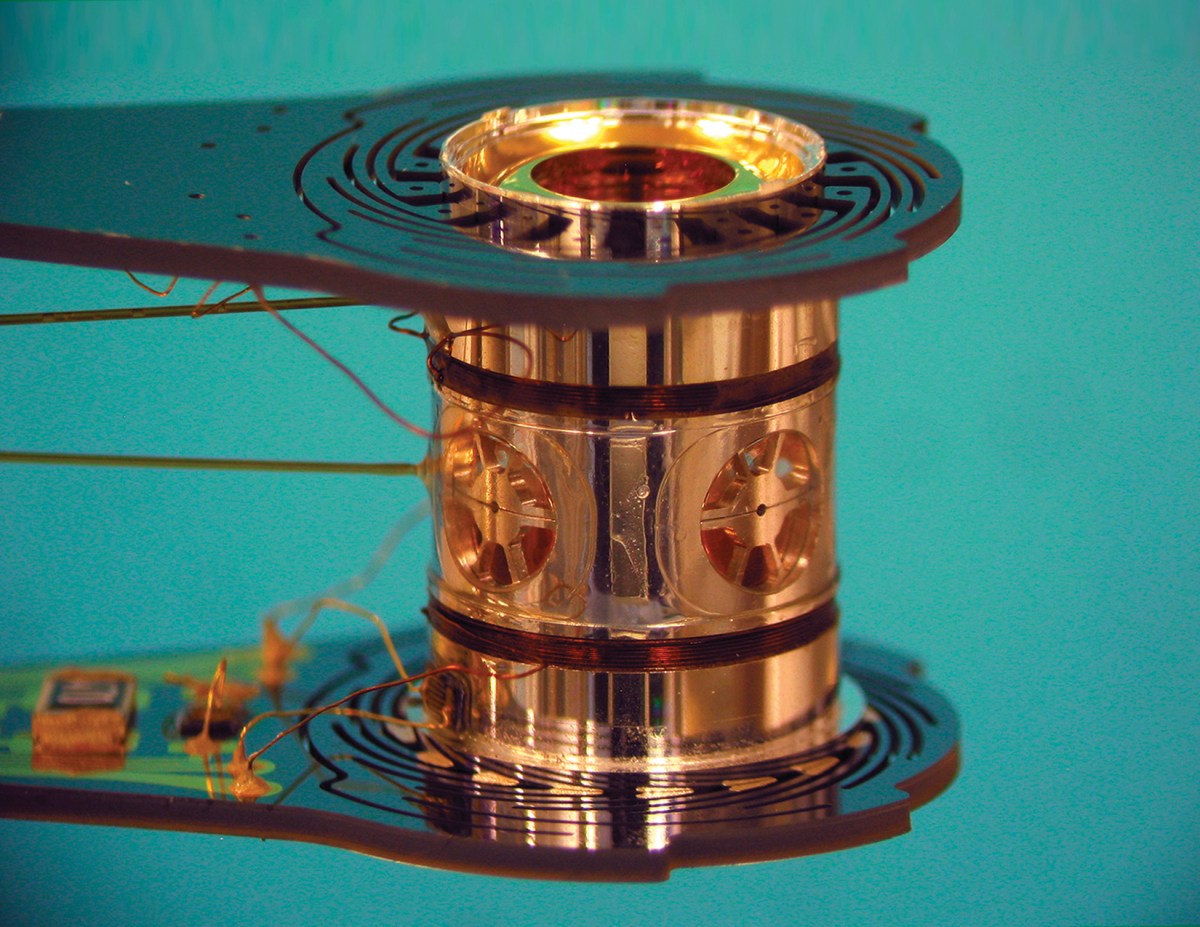
Стартап компани өмнө нь хэдэн өдөр зарцуулдаг байсан түлшний бэлдмэлийг хэдхэн минутын дотор үйлдвэрлэх технологийг нэвтрүүлснээр арилжааны эрчим хүчний станц байгуулах зорилгодоо томоохон алхам хийв.
Цөмийн нэгдлийн салбарт үйл ажиллагаа явуулдаг Inertia Enterprises компани түлшний бэлдмэл үйлдвэрлэх хугацааг хэдэн өдрөөс хэдхэн минут болгон бууруулснаа зарлалаа. Энэхүү дэвшил нь тус стартапын арилжааны зориулалттай цахилгаан станц барих төлөвлөгөөний хүрээнд даван туулах ёстой 10 гол саад бэрхшээлийн нэгийг шийдвэрлэсэн явдал юм. Тус компани нь 450 сая ам.долларын санхүүжилт татсан бөгөөд Үндэсний нэгдлийн байгууламж (NIF)-ийн технологийг үйлдвэрлэлийн түвшинд нэвтрүүлэхээр ажиллаж байна.
Inertia-ийн гүйцэтгэх захирал Жефф Лоусоны тайлбарласнаар, NIF-ийн туршилтын аргачлал нь маш удаан бөгөөд өндөр өртөгтэй байсан тул тэд үүнийг үйлдвэрлэлийн арга барилд шилжүүлэхээр шийджээ. Үүний тулд Apple зэрэг томоохон компаниудаас туршлагатай инженерүүдийг татан оролцуулж, түлшний бэлдмэлийг олноор үйлдвэрлэх боломжтой процессыг боловсруулсан байна. Компанийн хамтран үүсгэн байгуулагч бөгөөд ахлах эрдэмтэн Энни Кричерийн удирдлага дор хийсэн хөгжүүлэлтийн үр дүнд болор бүтцийг 30 минутад ургуулж, нийт үйлдвэрлэлийн хугацааг 2-3 цаг хүртэл богиносгожээ.
Түлшний бэлдмэл нь алмазан бүрхүүлтэй бөгөөд дотроо хөлдөөсөн дейтерий болон тритийн давхаргатай. Inertia нь NIF-ийн одоогийн лазераас дөрөв дахин хүчтэй лазер ашиглахаар төлөвлөж байгаа тул үйлдвэрлэлийн явцад гарч болох бага зэргийн алдааг илүү сайн тэсвэрлэх чадвартай юм. Энэхүү давуу тал нь үйлдвэрлэлийн хурдыг нэмэгдүүлж, радио идэвхт бодис болох тритийн нөөцийн хэрэгцээг бууруулахад тусална.
Тус компани нь ирээдүйн арилжааны цахилгаан станцдаа секунд тутамд 10 түлшний бэлдмэл ашиглах зорилт тавьжээ. Лоусоны үзэж байгаагаар, үйлдвэрлэлийн процессын хурдыг нэмэгдүүлснээр байгууламжийн хэмжээг багасгаж, үйл ажиллагааны үр ашгийг бүхэлд нь дээшлүүлэх боломж бүрдэж байна.
Дэлгэрэнгүйг эх сурвалжаас харах
↓Эх сурвалжийг нээх ↓
Fusion startup Inertia Enterprises said it has found a way to cut the time it takes to make its fuel pellets from several days to just minutes.
By slashing fuel filling time, Inertia says it has knocked down one of the 10 barriers it must overcome to deliver the first phase of its commercial power plant ambitions. The startup gave TechCrunch an exclusive first look at the process.
The advance was not guaranteed: Investors gave Inertia $450 million on the premise that it could commercialize technology developed at the National Ignition Facility (NIF), which is an elaborate science experiment that requires painstaking care and feeding to operate. At the NIF, making fuel pellets can take a week or more and cost a small fortune. That’s not a great recipe for a profitable operation.
“But when you really double-click on it, you’re like, wait a minute, they’re only making a handful of them a year,” Jeff Lawson, co-founder and CEO of Inertia, told TechCrunch. “I put on my commercial hat and was like, wait a minute, I know the word for this: Prototypes.”
At Inertia, the team set about turning those prototypes into something mass manufacturable. “That’s why we’re hiring people from the likes of Apple,” he said. “There’s a bunch of industrial engineers who are like, ‘Alright, I guess I have to go figure out how to make that a billion times over in a factory.’”
NIF’s fuel pellet is far from an iPhone, though. The outside is a spherical diamond shell, and just inside, there’s a thin layer of frozen deuterium and tritium, the isotopes of hydrogen that can fuel a fusion reactor. Inside the crystalline layer lies a mix of gaseous deuterium and tritium. Each solid layer must be as close to perfectly spherical as possible.
Those fuel pellets are then wrapped in gold casings known as hohlraums, which convert laser energy into X-rays that compress the fuel pellet inside. If everything goes to plan, that compression causes atoms to fuse and release energy. But even small imperfections in the spherical shape can disrupt the ignition process, preventing a fusion reaction from reaching its full potential.
Inertia had to condense the process to the point where it makes commercial sense without straying too far from the physics discovered at NIF.
“What happens if you try to do it faster?” Lawson said. The team had a head start: Annie Kritcher, co-founder and chief scientist at Inertia, designed the first fusion experiment at NIF that released more power than it consumed.
After several rounds of development, the startup was able to grow the crystals in about 30 minutes, something that could take up to a week at NIF. Altogether, a single fuel pellet can be made in about two to three hours, and the process can be ramped to industrial scale. Inertia developed the process with help from the NIF at the Lawrence Livermore National Lab, with which the startup has formed a public-private partnership.
Inertia has an advantage that NIF does not, though. Because the startup is planning to use a laser that is four times more powerful than the one currently at the NIF, it can tolerate more imperfections in the fuel pellet. This also helped speed the manufacturing process.
“We actually have a lot of margin,” Lawson said. “That’s our strategy, to oversize our driver, our laser, to give us lots of margin to go play with in every other part of the system.”
Reducing fuel filling time has the knock-on effect of reducing the amount of tritium Inertia needs to hold at any given time. Tritium is radioactive, and handling it requires care. It’s also extremely expensive at the moment, about $30,000 per gram, and only about 25 kilograms are stockpiled globally, according to the journal Science.
Inertia, like many fusion startups, plans to make its own tritium with help from the fusion reactions, but it still needs some inventory to get started. Plus, reducing manufacturing time helps keep inventory small. Inertia expects its full-scale commercial power plant will use 10 fuel pellets every second.
“By reducing the latency of this step, you’ve made your facility smaller; you’ve made the whole thing faster, the whole thing more efficient,” Lawson said.
When you purchase through links in our articles, we may earn a small commission. This doesn’t affect our editorial independence.

