
АНУ-ын армийн удирдлага Европ дахь дроны дайн байлдааны чиглэлээр дагнан ажиллаж байсан тусгай ангийг татан буулгаж, хуучин явган цэргийн батальоны үүрэгт нь буцаахаар шийдвэрлэжээ.
АНУ-ын армийн штабын даргын үүрэг гүйцэтгэгч, генерал Кристофер ЛаНеве-гийн гаргасан энэхүү шийдвэр нь тус улсын зэвсэгт хүчний бүтцийн өөрчлөлтийн хүрээнд хийгдэж байна. Өнгөрсөн арваннэгдүгээр сард 600 цэргээс бүрдсэн уг батальоныг Украйн-ОХУ-ын мөргөлдөөнөөс сургамж авч, нисгэгчгүй онгоцны дайн байлдааны ажиллагаанд ашиглах зорилгоор байгуулж байсан юм.
173-р агаарын десантын бригадын бүрэлдэхүүнд багтаж байсан тус анги нь Итали болон Германд байрлаж, FPV (first-person view) дроны загвар зохион бүтээх, турших ажлыг гүйцэтгэж байв. Армийн албан ёсны мэдэгдэлд дурдсанаар, тус анги нь Германд болох хоёр томоохон сургуулилалтын дараа туршилтын ажлаа дуусгавар болгож, олж авсан туршлагаа ирээдүйн зэвсэгт хүчний хөгжилд ашиглахаар төлөвлөжээ.
Ойрхи Дорнод болон Персийн булангийн бүс нутагт Ираны үйлдвэрлэлийн Shahed зэрэг хямд өртөгтэй дронууд АНУ-ын бааз болон хөлөг онгоцнуудад аюул учруулж, дэвшилтэт пуужингийн системийг их хэмжээгээр зарцуулахад хүргэж байгаа нөхцөл байдал үүссэн. Хэдийгээр Украйны туршлагаас суралцах шаардлага хэвээр байгаа ч АНУ-ын армийн шинэ удирдлага цэргийн ангиудыг уламжлалт явган цэргийн үндсэн үүрэгт нь эргүүлэн оруулах бодлого баримталж байна.
Генерал ЛаНеве-гийн баталсан шинэ чиг баримжаанд дайны шинж чанар өөрчлөгдөж байгааг дурдсан боловч нисгэгчгүй онгоцны тусгай ангиудыг онцлохын оронд цэргийн сахилга бат, дайсныг устгах чадварыг нэн тэргүүнд тавьжээ. Энэхүү өөрчлөлт нь АНУ-ын Батлан хамгаалахын сайд Пит Хегсет-ийн удирдлага дор явагдаж буй армийн томоохон шинэчлэлийн нэг хэсэг болж байна.
Дэлгэрэнгүйг эх сурвалжаас харах
↓Эх сурвалжийг нээх ↓
A drone warfareUS Army unit in Europe has been told to return to being a traditional infantry battalion.
For more nearly a year, soldiers of the 173rd Airborne Brigade have been experimenting and building their own drones, as well as participating in drills on waging unmanned warfare after Ukraine pioneered such tactics in its yearslong conflict with Russia.
In November, 600 soldiers formed a battalion that specialized in drone warfare and was set up to be used as a dedicated unit that could deploy anywhere drones were required.
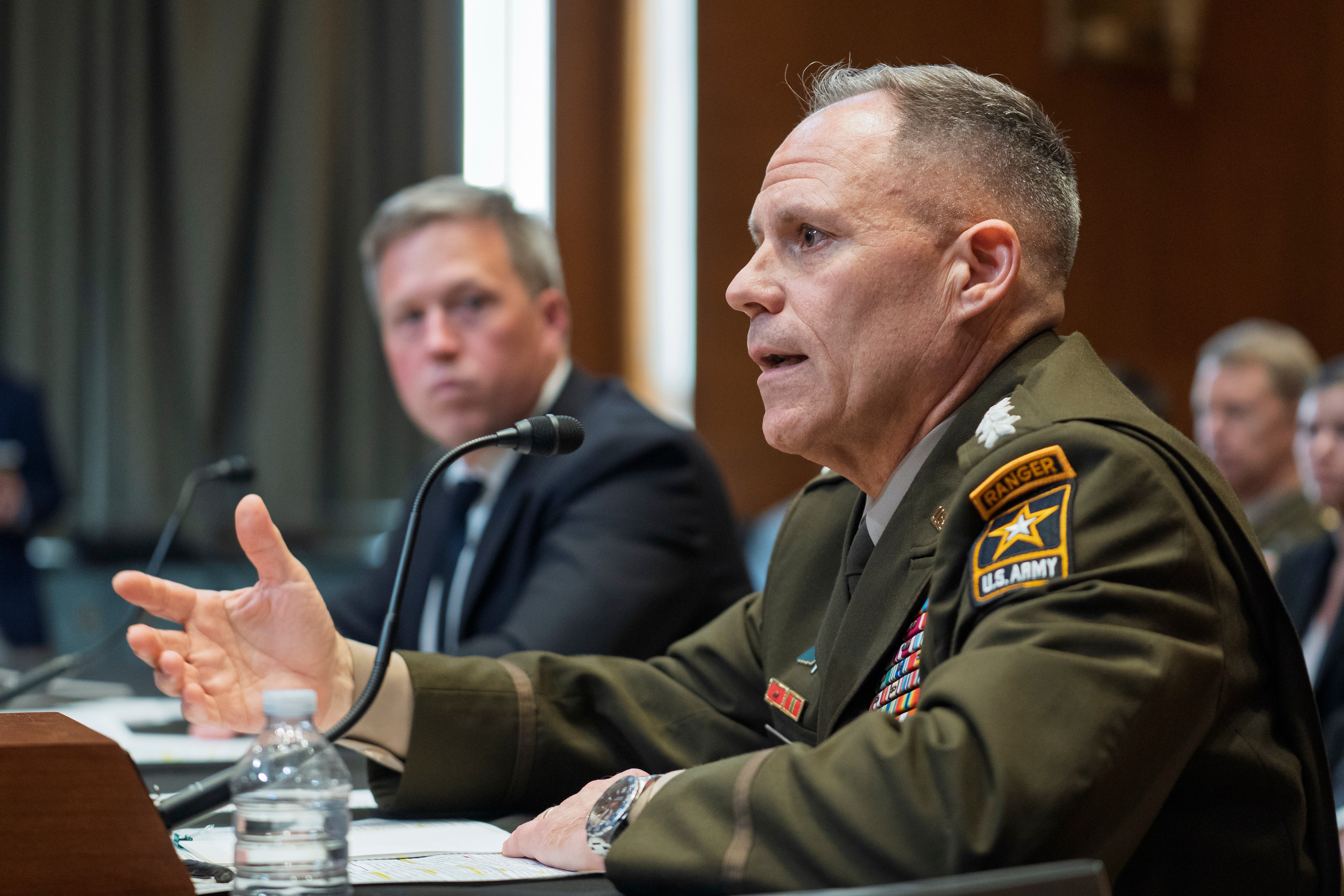
Gen. Christopher LaNeve, the Army’s acting chief of staff, has ordered the battalion to refocus on its core mission of being an airborne infantry unit, according to two U.S. officials who spoke on condition of anonymity to discuss internal Army deliberations. The Wall Street Journal earlier reported the change.
The move comes amid a broader reshuffling of the Army under LaNeve, who has been its top uniformed leader since Defense Secretary Pete Hegseth suddenly ousted Gen. Randy George in April.
The decision also comes despite the Iran war showing the need for the U.S. to learn lessons about drone warfare from Ukraine. Iran has deployed its low-cost Shahed drones against ships and bases, killing U.S. troops, downing an Army helicopter and forcing the military to expend precious supplies of advanced interceptors.
Ukrainian President Volodymyr Zelenskyy said in March that Ukrainian officials were helping five countries in the Middle East and Gulf region counter Iranian drone attacks, while the United States and European countries were among others that had requested support.
The overall 173rd Airborne Brigade, which is based in Italy and Germany, has been involved in drone warfare even before last November.
In May 2025, the Army highlighted that soldiers from the brigade were designing and building their own attack drones in a new “first-person view (FPV) drone lab” at Caserma Del Din, Italy.
Its commander at the time, Col. Joshua Gaspard, said in an Army media post that his soldiers “see videos of FPV drones in Ukraine all over Instagram and the news media” and they were “excited to be using these systems.”
The unit also dabbled in artificial intelligence, which Hegseth has been pushing, and designing drones resistant to jamming.
An Army statement said the specialized drone unit will wrap up its experimentation following two major exercises in Germany this month and next, then “deliver what it learned there, together with the past year’s findings, to the Army to inform force design and future experimentation.”
A third official, who, like the others, spoke on condition of anonymity to detail internal moves, noted the expectation was always that the exercises would be a “culminating event” for the drone battalion and that its future would then be reevaluated. During George’s tenure, most expected the unit to continue its work in drone warfare, the official said.
“The unit was tasked to study and absorb lessons from dedicated unmanned systems forces, including those developed by the Ukrainian armed forces, and to provide that feedback to the Army in support of the Department’s direction to accelerate U.S. military drone dominance,” the Army said in a statement.
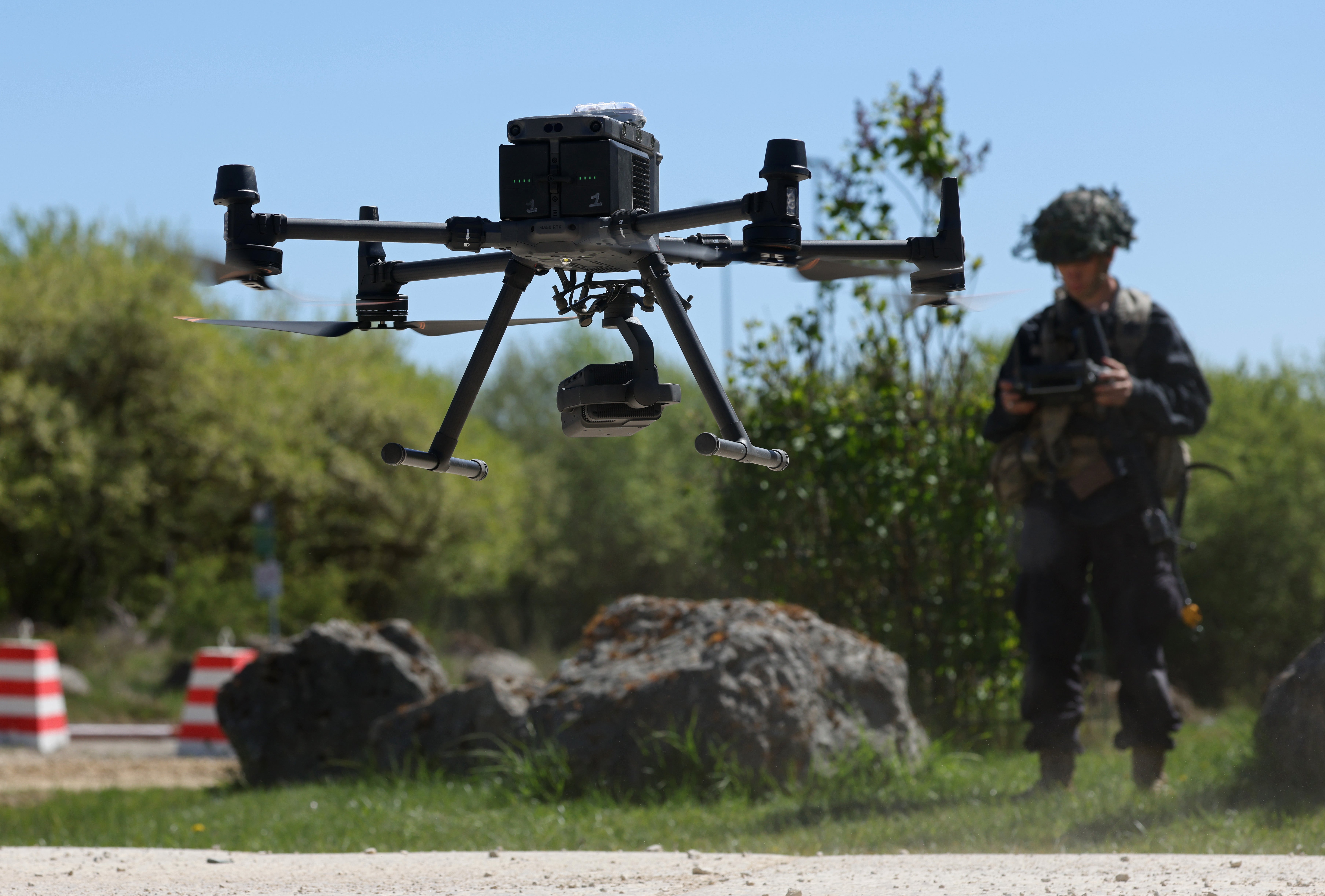
Integrating drones into the Army’s tactics was a major focus for LaNeve’s predecessor. George, alongside Army Secretary Dan Driscoll, last year rolled out what they called the Army Transformation Initiative, which pushed to add “modernized (unmanned aircraft systems) into formations.”
George, who became Army chief of staff under President Joe Biden, regularly spoke about the need to accelerate development of new drone systems and get them in the hands of regular soldiers, not just specialized units.
After George was ousted without explanation in April, LaNeve took his place. He was George’s deputy and an officer whose career has seen a meteoric rise under Hegseth.
LaNeve was commanding the U.S. Eighth Army in South Korea when he called in to the Commander in Chief Ball during President Donald Trump‘s inauguration in January 2025 and welcomed him back to office.
In March 2025, LaNeve was transferred to the Pentagon, where he became Hegseth’s top military adviser. Trump then nominated LaNeve to be the Army’s vice chief of staff last October.
In a guiding memo for the Army published Wednesday, LaNeve argued that “the next war will not look like our last” and that soldiers need to “learn, innovate, and adapt faster by pairing our human ingenuity and judgment with advanced technologies like autonomy and artificial intelligence.”
However, the memo does not mention drones and closes by arguing that “there are timeless truths in war.”
“This is the Army we must be: disciplined, lethal, and relentless — an Army that closes with and destroys the enemy, leaving no doubt about the will and power of the United States,” the document says.

