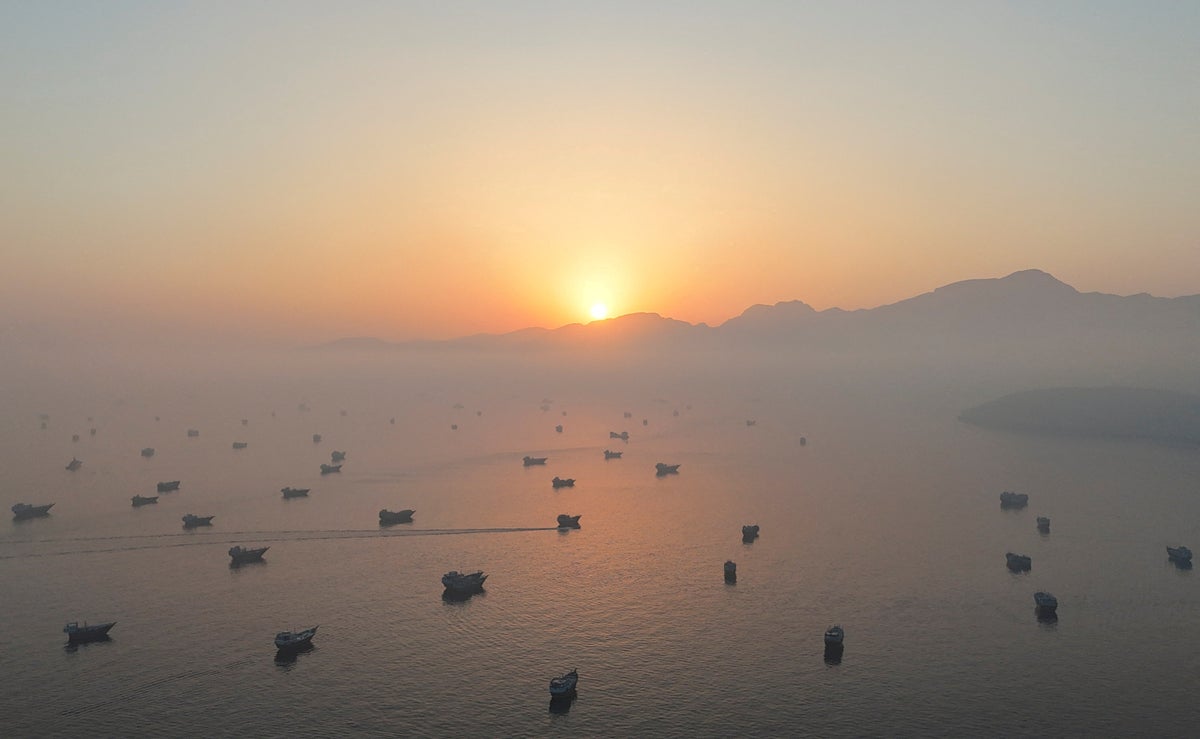
Олон улсын эрчим хүчний гол гарц болох Хормузын хоолойгоор нэвтрэх хөлөг онгоцны тоо эрс цөөрч, бүс нутгийн нөхцөл байдал хурцадмал хэвээр байна.
Kpler мэдээллийн сангаас үзвэл, пүрэв гарагт тус хоолойгоор ердөө долоон ачааны хөлөг онгоц дамжин өнгөрсөн нь сүүлийн долоо хоногуудын хамгийн бага үзүүлэлт болжээ. Хоёрдугаар сарын 28-нд АНУ болон Израйлын цэргийн ажиллагаа эхлэхээс өмнө өдөрт дунджаар 130-140 хөлөг онгоц нэвтэрдэг байсан бол одоо супер танкер болон шингэрүүлсэн байгалийн хий тээвэрлэгч хөлгүүдийн хөдөлгөөн бүрэн зогссон байна.
АНУ-ын ерөнхийлөгч Дональд Трамп тус хоолойг “нээлттэй, үйл ажиллагаа хэвийн явагдаж байна” хэмээн мэдэгдсэн ч бодит тоон үзүүлэлтүүд үүнийг үгүйсгэж байна. Тегераны зүгээс АНУ-ын тавьсан хориг арга хэмжээ болон тэнгисийн бүслэлтийг “эдийн засгийн терроризм” хэмээн нэрлэж, хоёр талын хэлэлцээ бүрэн зогссон нөхцөлд усан замыг нээх боломжгүй гэсэн байр суурьтай байна.
Оман улс Тегерантай хэлэлцээ хийж, хоолойг нээхээр ажиллаж байгаа ч бүс нутагт тогтвортой амар амгалан тогтоогүй цагт аюулгүй байдлыг хангах боломжгүй гэж мэдэгдлээ. АНУ-ын зүгээс Ираны эсрэг түүхэн дэх хамгийн хатуу хориг арга хэмжээг авахаа мэдэгдсэн нь нөхцөл байдлыг улам хурцатгаж байна.
Шинжээчдийн үзэж буйгаар, АНУ-ын ерөнхийлөгчийн Оман улсын эсрэг чиглэсэн хатуу мэдэгдэл нь Вашингтон болон Тегераны хооронд дипломат зуучлал хийх Оманы үүрэгт сөрөг нөлөө үзүүлж болзошгүй юм. Хэдийгээр АНУ-Оманы харилцаа институцийн түвшинд гүнзгий боловч ийм төрлийн мэдэгдлүүд нь бүс нутгийн дипломат яриа хэлэлцээг улам хүндрүүлж байна.
Дэлгэрэнгүйг эх сурвалжаас харах
↓Эх сурвалжийг нээх ↓
Shipping through the Strait of Hormuz has plunged to single digits as US-Iran peace talks have ground to a complete halt.
Only seven commodity vessels passed through the waterway on Thursday, some of the lowest numbers seen in weeks, according to Kpler data. Four ships entered the Gulf while only three exited.
This number was down from 14 on Wednesday. No supertankers or liquefied natural gas carriers were recorded passing through the vital chokepoint through which one fifth of the world’s energy passes.
Between 130 to 140 vessels transited the passage every day, before US-Israeli strikes sparked the war with Iran on 28 February.
Oman, which has been working on a deal with Tehran to reopen the strait, said on Thursday that lasting security required permanent peace in the region and rejected further escalation or conflict.
Before a 60-day ceasefire deal expired on Monday, oil flows through Hormuz had nearly tripled with 6.1 million barrels per day transiting on average, according to Al Jazeera, citing a Kpler briefing published on Wednesday.
When the memorandum of understanding was signed in June this figure had dropped to around 2.3 million barrels per day. But despite the halting progress throughout the agreement period, numbers have not reached the heights of 15 million barrels a day that were seen before the conflict broke out.
The US has grown increasingly frustrated at a lack of progress with President Donald Trump threatening “TREMENDOUS” sanctions on Wednesday while US treasury secretary Scott Bessent vowed to impose the “toughest sanctions in history” against Iran on Thursday.
Tehran has hit back at the threats as “economic terrorism” and has previously warned it is preparing to switch to a “fully offensive” strategy in the event that America escalates its campaign.
Trump declared the vital waterway “new US territory” in a bizarre post on Truth Social on Tuesday accompanied by a map.
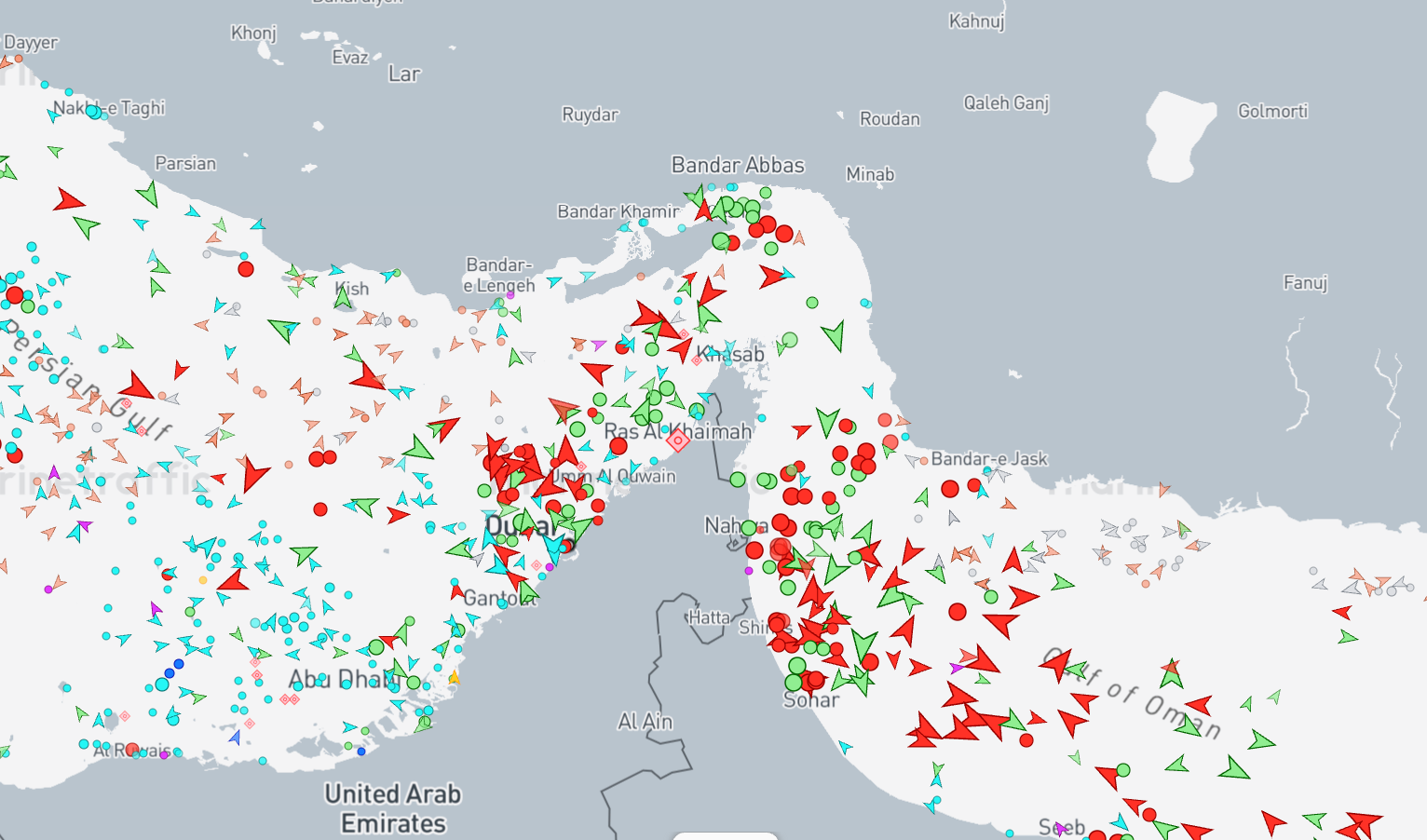
“The Naval Blockade remains in full force and effect,” he continued on the platform. “The Hormuz Strait is open and operating. All water mines have been removed or detonated.”
Oil prices have hit a three-week high amid the uncertainty.
Earlier this week, Tehran said that it was close to finalising a deal with Oman over Hormuz acknowledging that there had been delays in the agreement.
Parliamentary speaker Mohammed Bagher Ghalibaf said that the shipping route is to remain closed until the US meets the conditions agreed in an interim deal.
This includes lifting a marine blockade and sanctions as well as releasing Iran’s frozen assets.
Trump threatened to launch an attack on Oman on Monday, writing: “If Oman gets in the way, we’ll bomb the s**t out of them.”
He was later asked if he was out of patience with Oman and told reporters: “No, I don’t think they behaved very well, but we’d handle them very easily, just like we do other things.”
“Trump’s remarks are unlikely to fundamentally alter US-Oman ties, which are deep, multidimensional and institutionalised,” Neil Quilliam an analyst at Chatham House told The Independent.
He added: “If Trump repeats these types of remarks, then it will be more difficult for Oman to act as a trusted diplomatic bridge between Washington and Tehran.”


