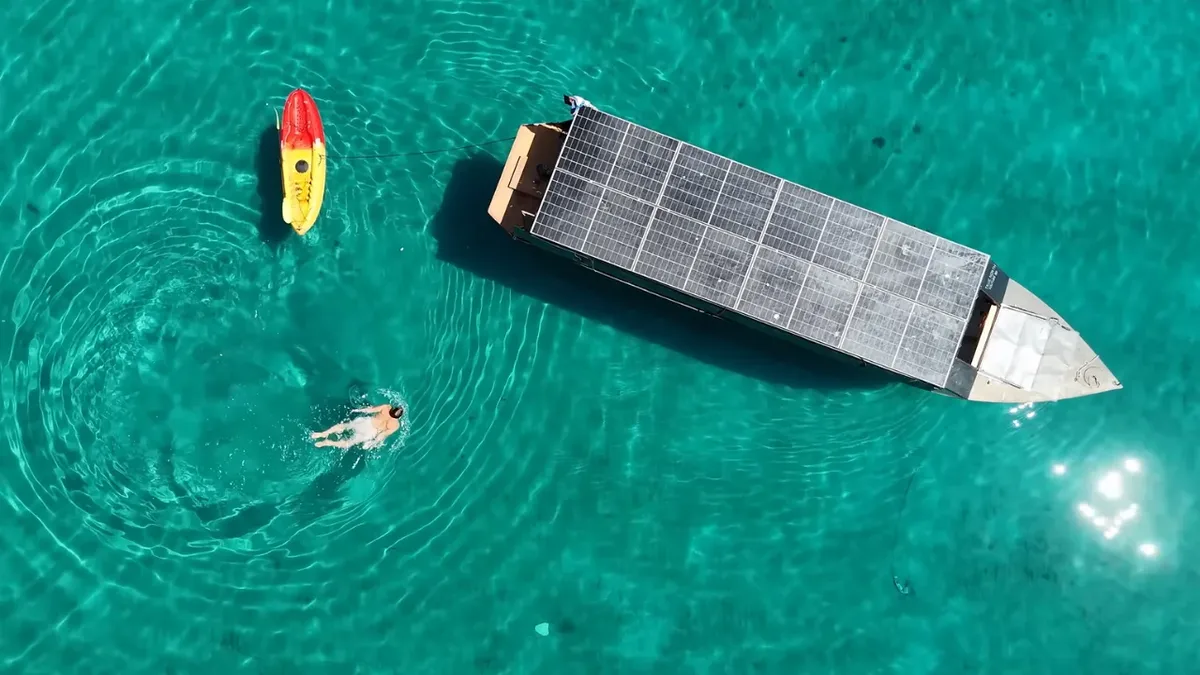
Финландын иргэн Лукас Шёман нарны эрчим хүчээр цэнэглэгдэж, тасралтгүй ажиллах боломжтой Helios 11 дарвуулт завины төсөл болон ирээдүйн төлөвлөгөөгөө хуваалцлаа.
Лукас Шёман уг завины бүтээн байгуулалтад төлөвлөлт муутай байснаас үүдэн 30 мянган евро зарцуулсан бөгөөд 2026 он гэхэд сайтар төлөвлөвөл уг систем 18 мянган еврогийн өртөгтэй болохыг тооцоолжээ. Үүнээс гадна хөргөгч, усны хоолой шаардлагагүй ариун цэврийн өрөө болон бусад жижиг хэрэгсэлд нийтдээ 1000 орчим евро зарцуулсан байна. Тэрээр Газар дундын тэнгисийн хүчтэй салхины сорилт болон Испанид тулгарсан бэрхшээлүүдийг даван туулж, аяллын туршлагаа баримтжуулжээ.
Нарны эрчим хүчээр ажилладаг уг завины хамгийн давуу тал нь түлш цэнэглэх шаардлагагүй бөгөөд нарлаг өдрүүдэд батерейгаа бүрэн цэнэглэж, хязгааргүй аялах боломжтой юм. Хэдийгээр агааржуулагчгүйгээс халуун, чийгтэй нөхцөлд ажиллах зэрэг хүндрэл гардаг ч цахилгаан эрчим хүчний хангамж тогтвортой байгааг тэрээр онцлов.
Ирээдүйд тэрээр 15 метрийн урттай Helios 12 загварыг бүтээн Атлантын далайг гатлах зорилго тавьжээ. Мөн нүүрстөрөгчийн шилэн эдлэлээр хийсэн, нарны эрчим хүчээр ажиллах нисдэг хөлөг бүтээх нь техникийн хувьд боломжтой гэж үзэж байна.
Дэлгэрэнгүйг эх сурвалжаас харах
↓Эх сурвалжийг нээх ↓
The man who built a solar-powered yacht which can run forever has revealed how much the project has cost him, and what plans he has lined up in the future.
Ever since he set sail on Helios 11, Lukas Sjoman has been documenting every step of the journey.
It was an ambitious endeavor and there’s been some challenges along the way.
Speaking to Supercar Blondie, he opened up about the costs of the project and whether he’d recommend his seafaring lifestyle to others.
No stone has been left unturned in documenting the voyages of this solar-powered yacht
Sjoman, who documents the Helios 11 on hisTrue North Yachts YouTube channel, has shared a lot about his project over the months since he set sail from his native Finland.
Since embarking on his travels, he’s put his yacht through heavy wind test in the Mediterranean sea and faced troubles in Spain – from a stolen utility dinghy to being pelted with rocks.
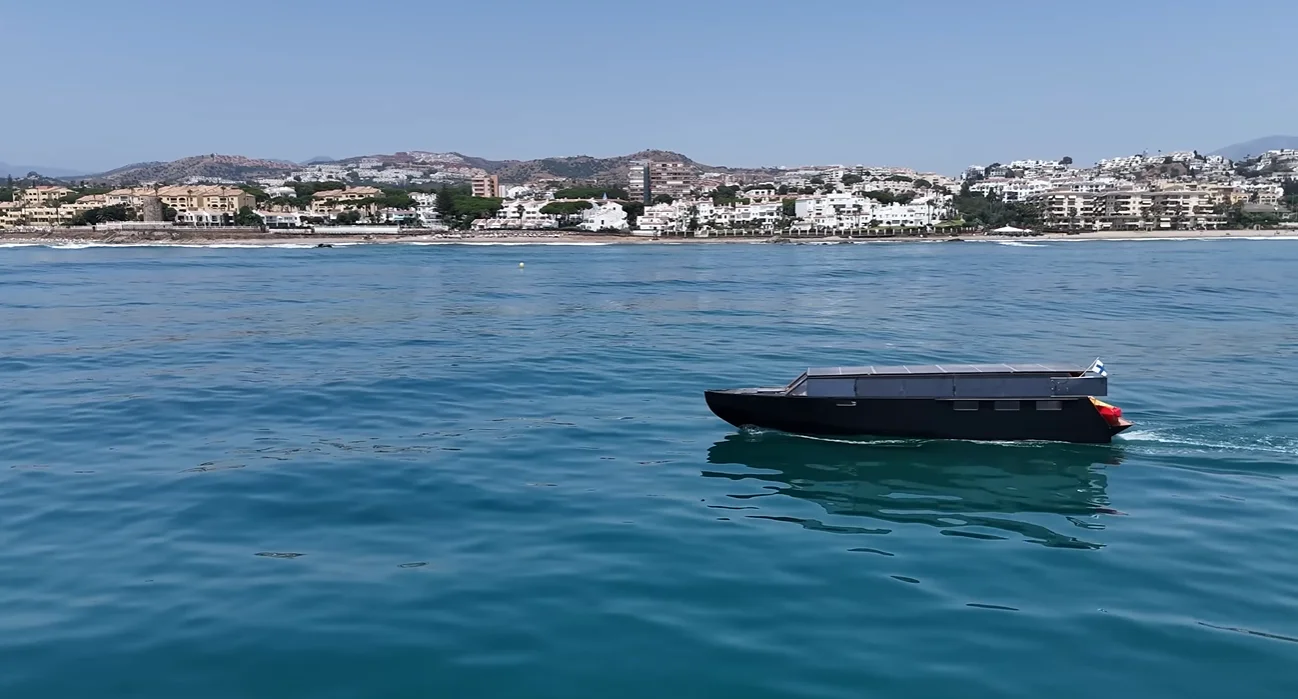
He’s seen his fair share of ups and downs.
Speaking to Supercar Blondie, he laid out what he felt were the pros and the cons of his seafaring lifestyle.
“Pros – always able to swim. ‘Unlimited’ electricity for my devices. Never needing to refuel, or start motoring (as a sailboat) when there is no wind,” he told Supercar Blondie.
“Cons – Occasional moisture and heat due to lack of air conditioning. I did not expect Spain to get so hot. Sometimes ending up in a rolling anchor, not ideal sleep as the light prototype needs some improvements.”
How much has this whole project cost him?
“Build costs were around 30k Euros [$34,731] due to lack of planning. Recalculated full system costs for 2026 are 18k [$20,837] if well planned,” he explained.
“Other costs were a new fridge and flushable ‘no plumbing’ marine toilet, both about 150€ [$173] each.
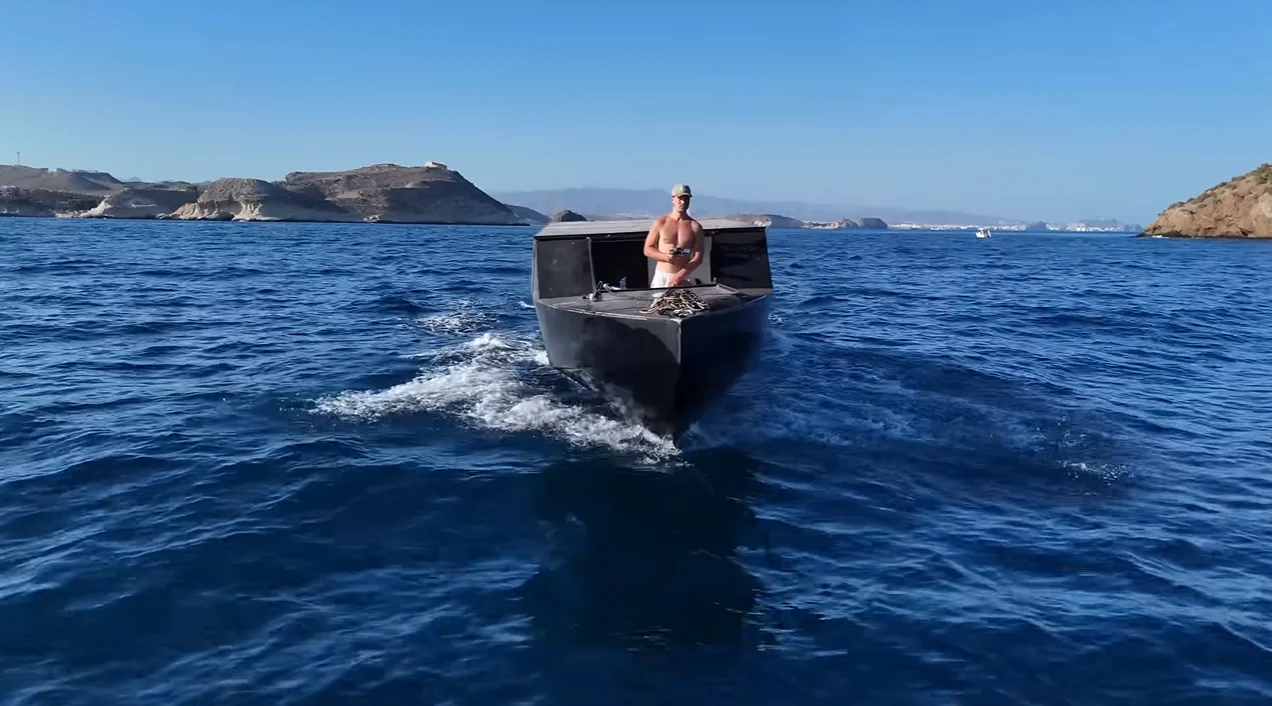
“Marinas have not been expensive since I’ve barely been in them. In low season Europe, the marinas were 15 – 25€ [$17 to $28] to a night. Sometimes ‘free’ because no one was around.
“The new kayak was 350€ [$405], and some small expenses such as kitchenware and the interior were maybe 200 total [$231] so far.”
What’s come as the biggest surprise about his experience so far?
“How far and quick I can go on a sunny day, and how easily the batteries charge to 100% even on a cloudy day if you spend some time at the beach or in the city,” Sjoman said.
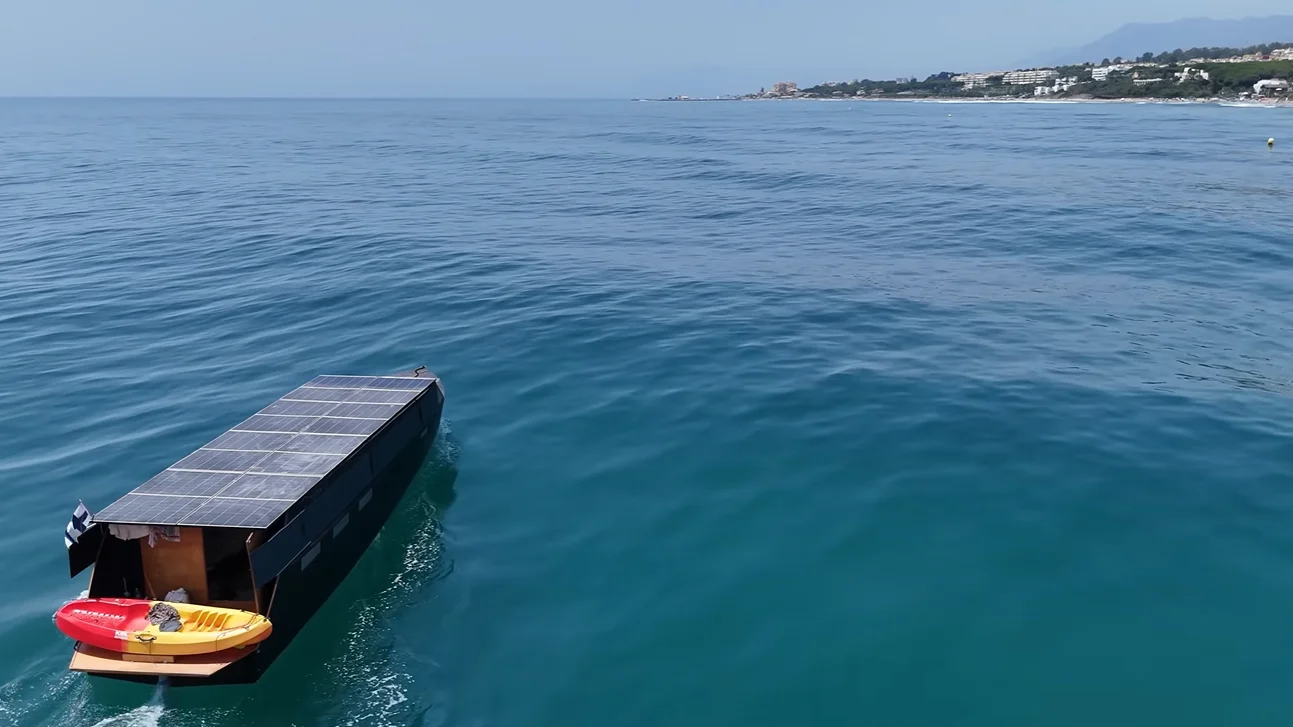
“Returning to a full battery feels like I’ve automatically gathered ‘free’ resources.”
Would he recommend living on a solar-powered yacht to others?
In terms of future projects, Sjoman has lofty ambitions further down the line.
“I dream of building a solar vessel classified as a ship, or a solar ground effect flight vehicle of carbon fiber that is technically possible right now (near-infinite range flying liveaboard),” he explained.
Having spent hundreds of days out at sea onboard the Helios 11, could he say he would recommend it to others?
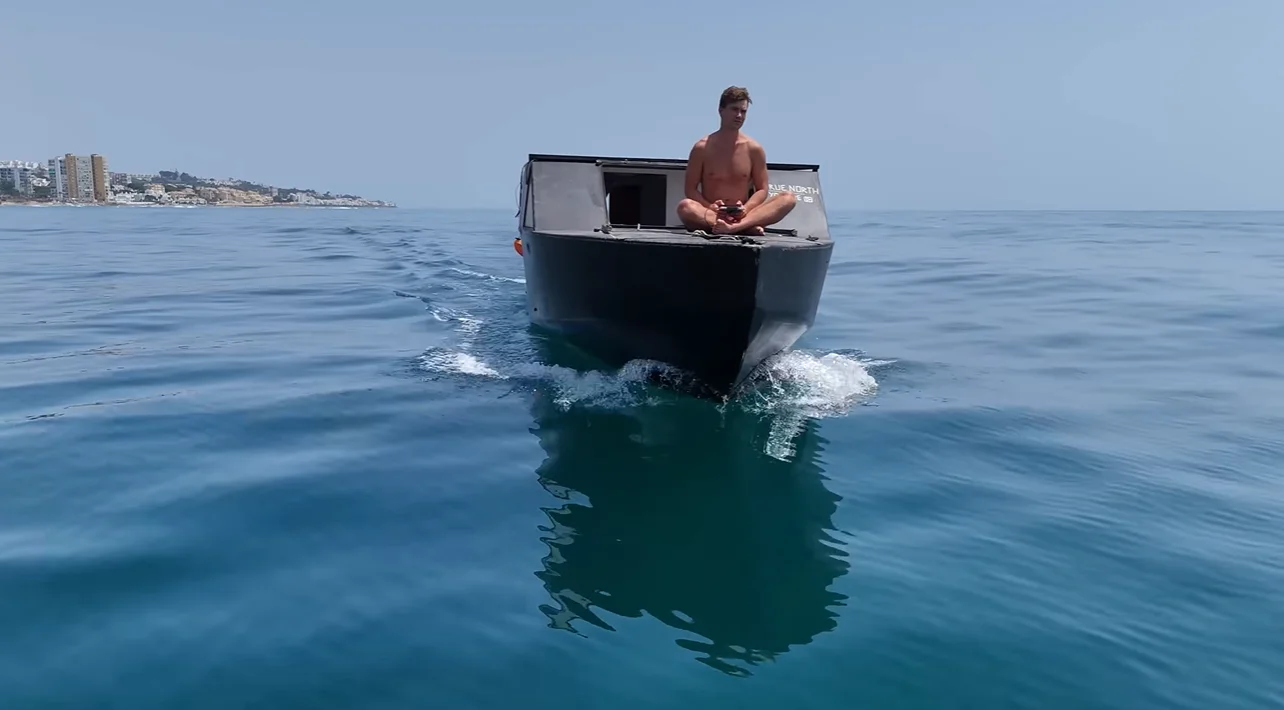
“Yes, but with just a bit bigger version if you intend to be on the open seas,” he explained.
“An optimised Helios 12 would already be ready for the Atlantic, and if built, let’s say 15 meters, it will be very safe and fast on any well-planned crossing.
“For calmer waters such as the Baltic and Mediterranean coastline with islands and natural coves, the Helios 11 in its current prototype stage is nearly ideal for 1 – 2 persons, although it sleeps 5 people without compromise.”

