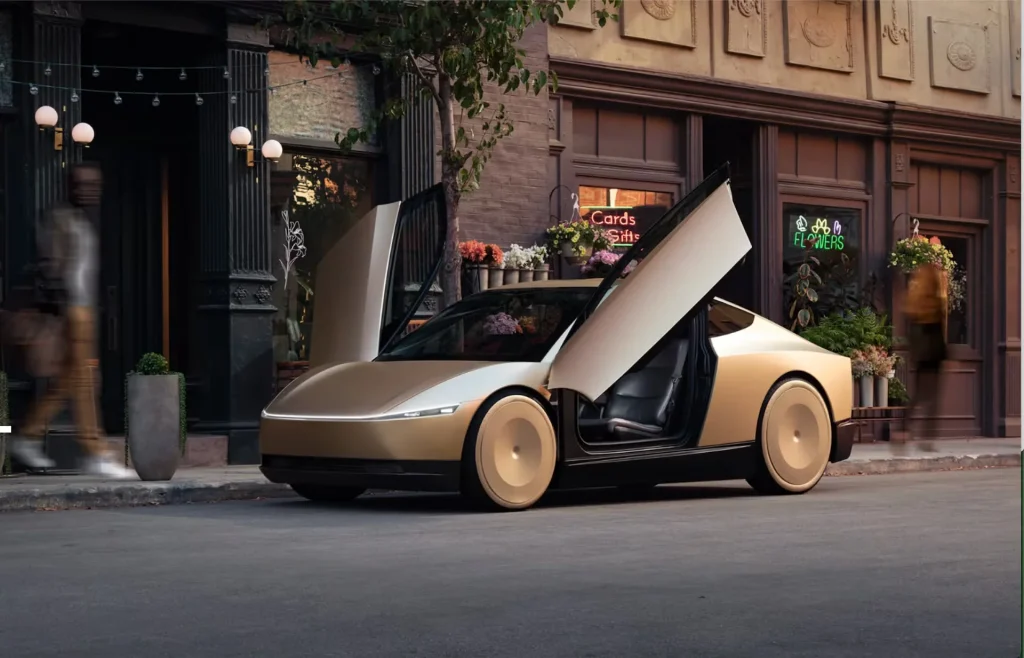
Невада мужийн Тээврийн удирдах газар Tesla компанийн 5,000 бие даасан автомашин ажиллуулах хүсэлтийг ердөө 10 автомашинаар хязгаарлаж, хатуу нөхцөлүүдийг тавьжээ.
Tesla компани Лас-Вегас хотын бүсэд 5,000 Robotaxi ажиллуулах хүсэлт гаргасан ч Невада мужийн Тээврийн удирдах газар (NTA) тус хүсэлтийг хүлээж авахдаа ердөө 10 автомашинд л зөвшөөрөл олгохоор шийдвэрлэсэн байна. Зөвшөөрлийн дагуу эдгээр автомашин нь зөвхөн тусгайлан заасан коридорын дагуу, цагт 45 миль хүртэлх хурдтай хэсэгт л зорчих ёстой. Мөн нисэх онгоцны буудлаас дөрөвний нэг миль радиуст зорчигч тээвэрлэхийг хориглосон байна.
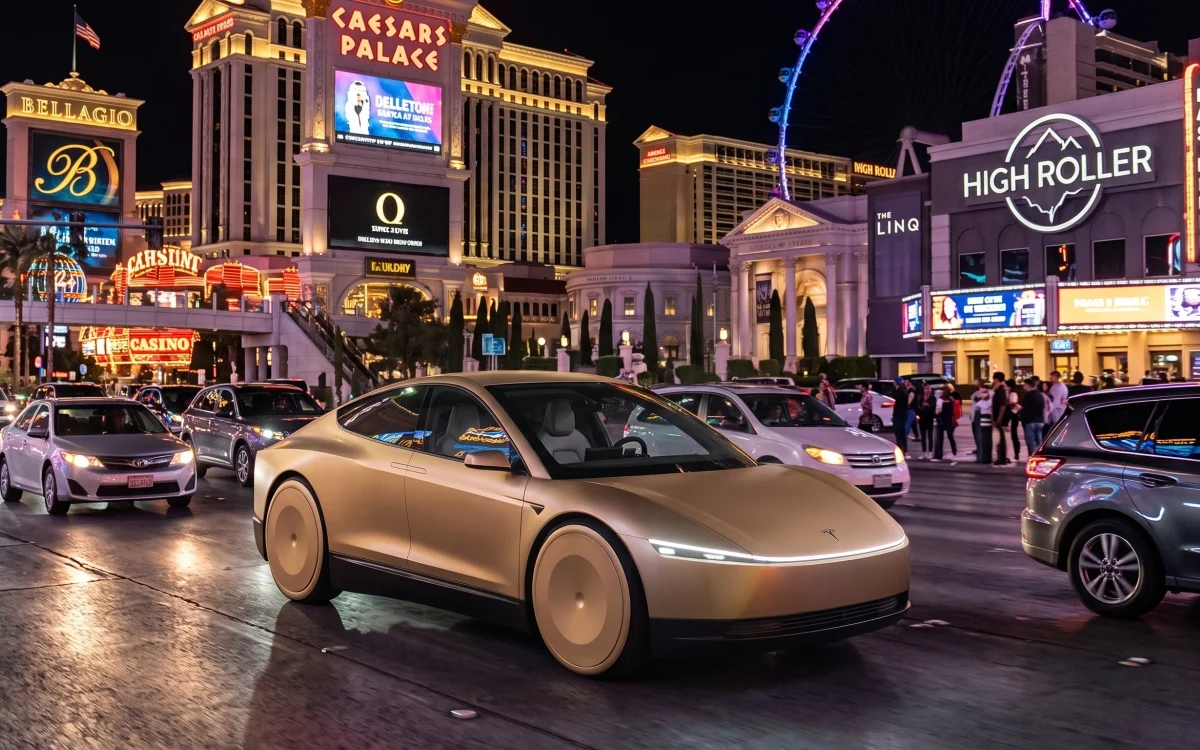
Зөвшөөрлийн нөхцөлд зааснаар, бүх автомашин “Robotaxi” гэсэн таних тэмдэгтэй байх ёстой бөгөөд зорчигчдод аялал эхлэхээс өмнө тухайн тээврийн хэрэгсэл нь бие даасан системээр ажилладаг болохыг мэдэгдэх үүрэгтэй. Түүнчлэн Автомашины инженерүүдийн нийгэмлэгийн (SAE) стандартын дагуу үйл ажиллагаанд хүний зохих хяналт шаардлагатай гэж үзжээ.
Техас мужийн Остин хотод Tesla компани 2026 оны нэгдүгээр сараас хойш аюулгүй байдлын хяналтын ажилтангүйгээр үйл ажиллагаа явуулж байгаа ч Невада муж ийнхүү хатуу хяналтыг тогтоосон байна. Кларк тойргийн төлөөлөгчийн мэдэгдснээр, тус тойрог нь ийм төрлийн тээврийн хэрэгслийг авто зам дээрээ ашиглахыг зөвшөөрөөгүй ч Robotaxi-ийн үйл ажиллагаа нь нийтийн замын хөдөлгөөнд шууд нөлөөлж байгааг онцолжээ.
Дэлгэрэнгүйг эх сурвалжаас харах
↓Эх сурвалжийг нээх ↓
Tesla has asked Las Vegas for around 5,000 Robotaxi permits, with the Nevada Transportation Authority giving it a very strict response.
The Strip in Las Vegas brings in roughly $8.8 billion in revenue each year, with it making about $24 million a day in 2025.
So it should come as no surprise that the company filed an application for 5,000 permits to operate autonomous vehicles in the city.
Equally, it may come as a surprise to hear what the response was from the Nevada Transportation Authority (NTA) regarding the EVs.
What did the NTA say to Tesla?
Tesla submitted an application for 5,000 vehicles to operate within Sin City.
The EV manufacturer clearly has lofty ambitions.
So it won’t come as a surprise to see how many applications Tesla submitted.
But to the shock of the manufacturer, the NTA responded a month later by issuing a permit for just 10 vehicles.
“A maximum fleet of ten fully autonomous vehicles,” said the statement.
The permit also stated that the 10 Robotaxis could only operate on an authority-approved corridor.
This was one along the Strip, but one that had speeds of no more than 45mph.
The permit also prohibits passenger pickups within a quarter-mile of the airport.
This is what else the permit states about Tesla’s Robotaxi
The permit also states that every vehicle must be marked as ‘Robotaxi’.
Riders have to be notified before each trip that it is an autonomous vehicle.
It also says that operations require ‘appropriate human supervision’.
This falls under the Society of Automotive Engineers standards.
The move probably comes as a surprise to the EV manufacturer.
In Austin, Texas, the company is currently operating without any safety monitor and has done so since January 2026.
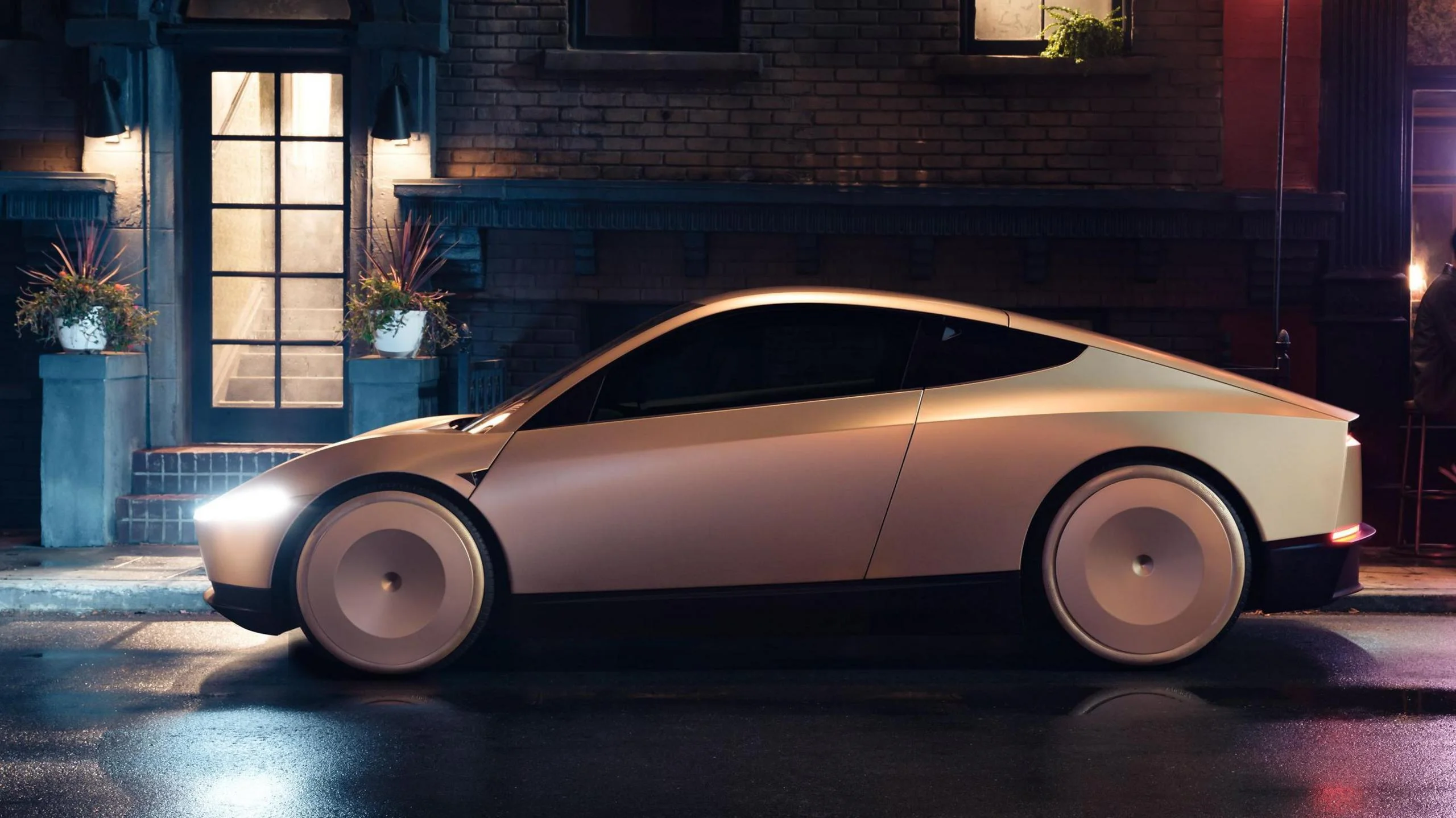
Clearly, Nevada isn’t quite ready to extend the same grace to Tesla in its own backyard.
Clark County, which has to deal with any permits the NTA issues, isn’t happy about the Tesla Robotaxi situation.
“While Clark County does not authorize this type of transportation on our roadways, we are directly impacted by the operations of the robotaxis,” a county spokesperson said.
Clearly, even with a reduced fleet, not everyone is thrilled about Tesla’s Robotaxi schemes.
A brief history of Tesla
July 2003: Founders Martin Eberhard and Marc Tarpenning officially incorporate the business
April 2004: Elon Musk leads a $7.5M Series A funding round and becomes board chairman
March 2008: The first production vehicle, the all-electric Roadster, officially launches
June 2010: The EV maker debuts on the NASDAQ and raises $226M in its IPO
June 2012: The groundbreaking Model S luxury sedan enters the global market
September 2015: Tesla Model X is officially released
July 2017: Mass production begins for the more affordable Model 3
March 2020: The Model Y debuts as total vehicle production hits one million
November 2023: First customer deliveries begin for the stainless-steel Cybertruck
2025: The energy division hits record growth driven by massive global battery deployments
2026: Strategic focus shifts heavily toward autonomous driving and the Cybercab platform

