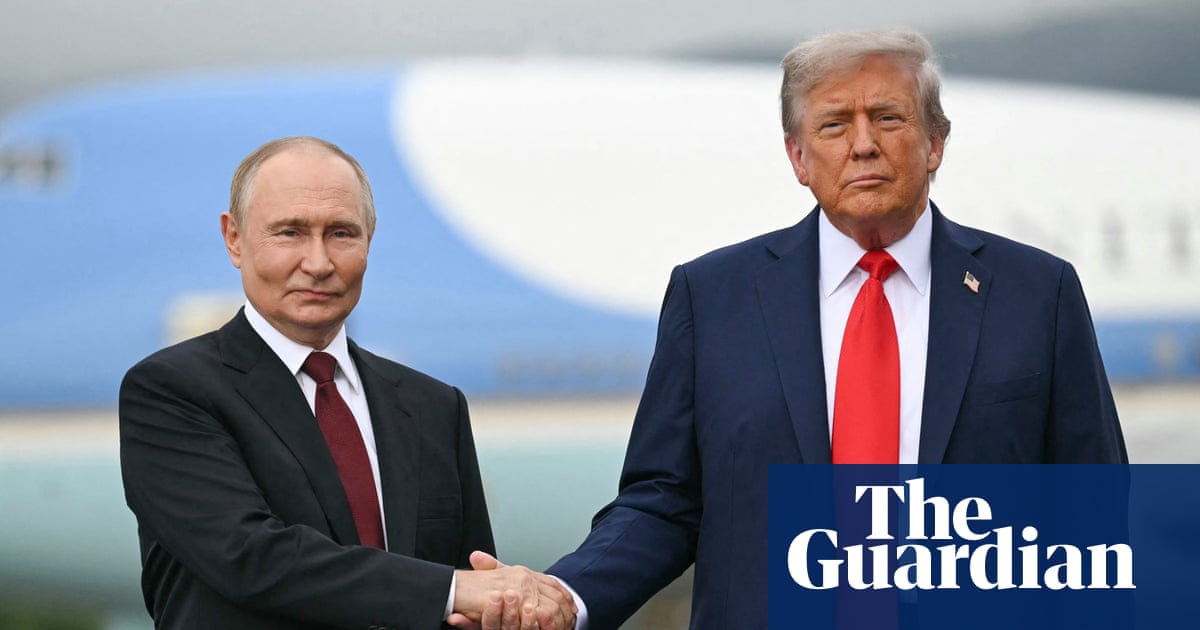
АНУ-ын ерөнхийлөгч асан Дональд Трампын ОХУ-ын удирдагчтай тогтоосон харилцаа болон Украйны дайны үеийн бодлогыг шүүмжилсэн судалгааны бүтээл хэвлэгдлээ.
Сэтгүүлч Люк Хардингийн “Betrayal: Trump, Putin and the New Age of Conquest” номд АНУ-ын шинэ засаг захиргаа Украйныг дэмжих бодлогоосоо ухарч, ОХУ-д буулт хийхийг оролдсон үйл явдлуудыг дэлгэрэнгүй өгүүлжээ. Тухайлбал, АНУ-ын эрх баригчид НҮБ-ын Ерөнхий ассамблейн хуралдаанаар ОХУ-ын түрэмгийллийг буруушаасан тогтоолыг эсэргүүцэн санал өгч, Украйнд үзүүлэх цэргийн болон тагнуулын дэмжлэгээ хязгаарласан нь эргэлзээ төрүүлж байна. Мөн Трамп Аляскад болсон дээд хэмжээний уулзалтын үеэр Путины шаардлагыг хүлээн авч, Украйны газар нутгийн бүрэн бүтэн байдлыг золиослох замаар гал зогсоохыг эрмэлзсэн гэж уг бүтээлд дурджээ.
Хардинг өөрийн сурвалжилгаараа дамжуулан Украйны хотууд, тухайлбал Одесса дахь эмнэлэг ОХУ-ын Shahed дроны цохилтод өртөж буйг баримтжуулсан байна. Дайны улмаас энгийн иргэд болон цэргүүдийн амсаж буй зовлон зүдгүүрийг харуулсан энэхүү номд БНХАУ-ын нөлөө болон ОХУ-аас Европын орнуудыг далайн ёроолын кабель таслах зэргээр сүрдүүлж буй аюулыг ч онцолжээ. Зохиогч нь Дональд Трамп ОХУ-ын ашиг сонирхолд үйлчилж байна уу эсвэл зүгээр л түрэмгий удирдагчдын эрх мэдлийг биширдэг үү гэсэн асуултыг тавьсан байна.
Өдгөө Владимир Путин өөрийн хүссэнээр Украйныг бууж өгөхийг албадаж чадаагүй тул Трампын бодлогод сэтгэл дундуур байгаа нь ажиглагдаж байна. Гэсэн хэдий ч ОХУ-ын удирдагч яагаад ийм өндөр зардалтай, ялалт байгуулах боломжгүй дайныг үргэлжлүүлсээр байгаа нь тодорхойгүй хэвээр үлдлээ. Энэхүү ном нь АНУ-ын бодлого, ОХУ-ын түрэмгийлэл болон дэлхийн геополитикийн нөхцөл байдлыг хөндсөн чухал баримтат бүтээл болж байна.
Дэлгэрэнгүйг эх сурвалжаас харах
↓Эх сурвалжийг нээх ↓
American presidents have struggled to get the measure of Vladimir Putin. When George W Bush met him in 2001, he reported that he had “looked the man in the eye”, got a “sense of his soul” and found him “trustworthy”. Barack Obama thought Putin was making a mistake with his interventions in Ukraine and Syria, butdidn’t do much about it. Joe Biden backed Ukraine’s resistance to the Russian invasion, yet his fear that Putin would reach for the nuclear button if backed into a corner made him risk averse. He worried about the impact of the sort of long-range strikes against Russian territory that Kyiv is now launching on a daily basis.
This caution frustrated Ukrainians to the point that they looked forward to Donald Trump shaking things up after he won re-election. Be careful what you wish for: the returning president thought his rapport with Putin would be enough to get Russia tosign up to an immediate ceasefire. In Trump’s head it was President Zelenskyy, fighting a war he was bound to lose, who was the problem.
This led to the betrayal that gives Guardian correspondent Luke Harding’s book its title. Instead of increasing thepressure on Moscow, the new administration set about abandoning Ukraine. In the UN General Assembly, the US voted with the dregsof Russia’s supporters against a resolution condemning its aggression (even Chinaabstained). Trump denounced hispredecessor, Biden, forthe support given to Ukraine, exaggerated its value (claiming it was $350bn when it was close to $70bn) and demanded privileged access to Ukraine’s mineral wealth as a form of repayment. Then came the greatest indignity of all as Zelenskyy was baited in the Oval Office, with JD Vance accusing him of disrespecting the president, after he hadmerely tried to correct falsehoods about how his country was coping with the war. He was ushered out of the White House and subjected to further denunciations. Intelligence was even cut off to Ukraine’s frontline forces forashort but critical period.
Trump’s delusions about Putin persisted. Later that year he invited him to Alaska for a summit, where he was treated with extraordinary deference, in the mistaken belief that he was prepared to compromise. The only compromise Putin had in mind involved Ukraine handing over its territory without a fight. (Marco Rubio, the secretary of state, is still denying Russian claims that this was agreed in principle at the summit.) In any case, the meeting was a failure, with Trump left irritated by one of Putin’s long disquisitions on the history of Russian-Ukrainian relations. It ended before lunch.
Harding demonstrates Trump’s betrayal less through accounts of negotiations and summits than in hisreporting from Ukrainian cities under constant attack from the air. AsZelenskyy was being ambushed in front of the world’s press, Harding was in Odessa, visiting a clinic that had been hit by an Iranian-designed Russian Shahed drone. As she viewed the wreckage of the gutted children’s clinic in which she worked, Olena Palsh lamented: “We fashioned it with love. The work of five years was destroyed in an instant.” Harding tells many such stories of the suffering and devastation inflicted by Putin on a country he considers to be a natural part of Russia.
In this way, he creates a sobering chronicle of a long and vicious conflict. He is skilled at describing the individuals caught up in events, including Ri Chol-nam, a North Korean soldier who was surprised to find himself fighting for Russia, and for whom the shame of being captured by the Ukrainians led to a suicide attempt. The wider context is also deftly conveyed, with chapters on how China is trying to make the most of the situation and how Putin seeks to intimidate Europeans, sabotaging internet cables on the seabed or flyingdrones into their airspace.
The villains at the core of the book are undoubtedly Trump and Putin. Harding discusses the question of whether Trump might himself be a Russian asset. Is it just that he enjoys the company of tyrants and envies their supreme power, or do they have embarrassing kompromat that he wants to ensure doesn’t see the light of day (though admittedly this is a man who seems to know no shame)? Harding concludes with a question in the subjunctive: “IfTrump were a Russian agent, what exactly would he do differently?”
Yet now Putin seems disappointed by Trump, for he has not delivered the Ukrainian surrender he sought. Which leads to a different question: given Trump’s readiness to accommodate Putin, how come the Russian leader has been unable to make the compromises that would have allowed him to close the deal? It’s a shame that Harding is no longer allowed into his old stomping ground of Moscow, where his contacts might have helped him to explore the biggest puzzle: why Putin persists with a futile and costly war he can’t win.

