Олон улсын тэргүүлэх кардиологийн байгууллагууд зүрхний дутагдлыг оношлох, эмчлэх арга барилыг шинэчлэн тодорхойлж, илүү нэгдмэл тогтолцоог санал болголоо.
American Heart Association, World Heart Federation, American College of Cardiology болон European Society of Cardiology байгууллагын мэргэжилтнүүд зүрхний дутагдлын талаарх хамтарсан зөвшилцлийн баримт бичгийг Circulation сэтгүүлд нийтэлжээ. Өмнөх тодорхойлолтод зүрхний шахах чадамжийг илэрхийлдэг “ejection fraction” (EF) буюу зүүн ховдлын шахалтын хэмжилтэд хэт их ач холбогдол өгдөг байсан бол шинэ баримт бичигт энэхүү хэмжилт нь өвчнийг бүрэн оношлох эсвэл үгүйсгэх боломжгүйг онцолсон байна. Мэргэжилтэн Mary Norine Walsh-ийн тайлбарласнаар, зүрхний дутагдал нь хүн бүрд харилцан адилгүй илэрдэг тул зөвхөн нэг төрлийн хэмжилтэд тулгуурлах нь эмгэг судлалын хүрээг хязгаарлаж байна.
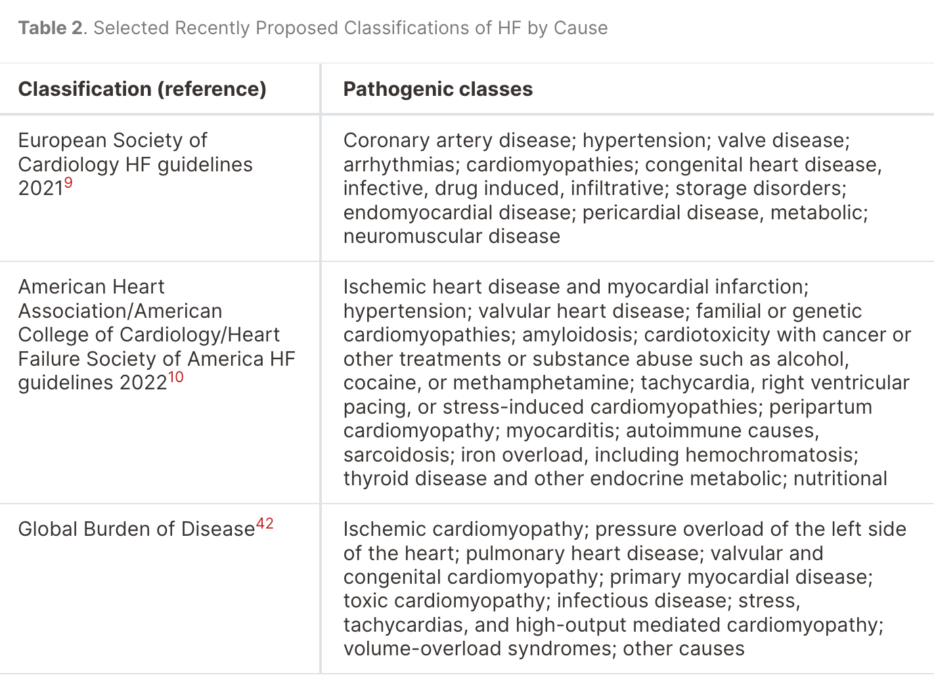
Шинэ баримт бичигт зүрхний дутагдал үүсгэдэг 18 төрлийн шалтгааныг ангилж, дүрс оношилгоо, цусны шинжилгээ болон генетикийн шинжилгээг цогцоор нь ашиглахыг зөвлөжээ. Эдгээр шалтгааны дотор судасны нарийсал, даралт ихсэлт, зүрхний хавхлагын өвчин, хэм алдагдал, үрэвсэл, бодисын солилцооны эмгэг болон хорт хавдрын эмчилгээний нөлөө зэрэг багтаж байна.
Дэлхий даяар 55 сая гаруй хүнийг хамарч буй энэхүү өвчнийг эрт үе шатанд нь илүү нарийвчлалтай тодорхойлох нь урьдчилан сэргийлэх, эмчилгээний үр дүнг сайжруулах боломжийг бүрдүүлнэ. Судалгаагаар зүрхний дутагдалтай хүмүүсийн 85 орчим хувьд оношлогдохоос өмнөх таван жилийн хугацаанд эмчлэх боломжтой эрсдэлт хүчин зүйлс илэрсэн байдаг нь энэхүү шинэчлэгдсэн ангиллын ач холбогдлыг харуулж байна.
Дэлгэрэнгүйг эх сурвалжаас харах
↓Эх сурвалжийг нээх ↓
Leading cardiology organizations around the world are having a change of heart.
Just five years after the first universal definition of heart failure was published, they are proposing a big update.
Experts from the American Heart Association, the World Heart Federation, the American College of Cardiology, and the European Society of Cardiology have now put forward a new understanding of heart failure to the international community.
Their consensus document, published in Circulation, argues that a ‘normal’ measure of the heart’s pumping ability may not rule out heart failure after all.
What’s more, figuring out the true underlying cause could reveal opportunities for prevention, treatment, and even remission.
“I think the definitions are really, really important to patients,” co-chair of the consensus document, cardiologist Mary Norine Walsh, told Circulation in an accompanying podcast.
The updated definition of heart failure, she and her co-authors argue in their review, “provides a clearer, more consistent framework” for physicians and patients alike.
Heart failure isn’t a rigid or simple condition, the cardiologists explain; it is malleable and presents very differently from person to person.
Technically, heart failure is a clinical condition caused by a structural or functional abnormality that impairs the heart’s ability to pump or fill with blood.
It is the world’s leading cause of hospitalization, impacting more than 55 million people.
Despite this enormous burden, however, the way that heart failure is defined and classified has varied widely among countries and medical organizations.
“Lack of awareness about heart failure has recurrently been identified as a major stumbling block for patients… and their families, communities at large, healthcare workers at all levels of care, and policymakers,” reads the World Heart Federation website.
The new international consensus is the second attempt in five years to get us all on the same page.
It argues that current definitions rely too heavily on a single measurement to define heart failure.
This measurement is called the ‘ejection fraction’ (EF), and it records the percentage of blood pumped out of the heart with each beat.
While measuring EF can help diagnose the condition, this one measurement alone cannot confirm or rule out heart failure completely. Imaging, blood work, or genetic testing should also be taken into account.
“We really recommended a shift away from rigid measurement of ejection fraction,” argued Walsh on a podcast for the peer-reviewed journal Circulation.
“That’s been a little controversial, but we felt that the fact that the measurements had previously been so rigid really limited some of the thoughts about heart failure pathology.”
To date, some clinical trials investigating heart failure have required a very narrow range of EF measurements to be met. Typically that is a measurement of the left ventricular ejection fraction (LVEF).
But LVEF measurements may vary based on age, sex, and ethnicity. So what is normal and healthy for one person may not be the same for another.
“LVEF is the key criterion on which heart failure trial eligibility has been anchored for decades,” write Walsh and colleagues in their consensus.
“However, the LVEF cutoffs used in the first Universal Definition of Heart Failure were arbitrary.”

Leading cardiovascular organizations from Europe, Japan, and the US have now joined together and come up with a revised definition.
Walsh told the Circulation podcast host, Editor-in-Chief Bradley Maron, that this update “recognizes that heart failure changes over time, regardless of ejection fraction.”
For instance, just because a patient’s EF reading sits above a certain threshold, that doesn’t mean their heart is in the clear.
Their overall cardiovascular function may still be in an unhealthy range, and they may still benefit from drugs that reduce strain on the heart.
The new consensus also introduces a comprehensive list of potential heart failure causes.
Narrowing arteries, or ischemia, is a common risk factor in the Western world, but in other nations, there are leading causes that are being overlooked.
“From back when I was in medical school, the only things we really said were non-ischemic and ischemic,” explained Walsh on Circulation’s podcast.
“We know there are so many different heart failure causes. And so we’ve really, I think, launched a pretty extensive list of what we think we should be using for definitions.”
Related: US Cardiologists Issue New Guidelines For How to Manage Cholesterol
The new consensus proposes 18 categories of causes. These do not amount to clinical guidelines; however, they do seek to provide “a deeper understanding” of heart failure’s diverse presentations and causes.
Some of the causes listed include narrow or blocked arteries, hypertension, valve disease, and arrhythmias, as well as infections, inflammation, inherited disorders, metabolic or nutritional conditions, pregnancy, extreme stress, and cancer treatments.
Recent analysis suggests that almost 85 percent of individuals with heart failure had at least one potentially treatable or modifiable risk factor recorded in the five years before their diagnosis.
If doctors can better categorize the cause of heart failure, they may be able to give their patients more targeted care, and sooner.
Walsh says that future guidelines based on the new universal definition are on their way.
The new universal definition and classificationare published in Circulation.
This article was fact-checked by Rebecca Dyer and edited by Rebecca Dyer. While we pride ourselves on our process, we are only human. If you spot a mistake, please let us know.


