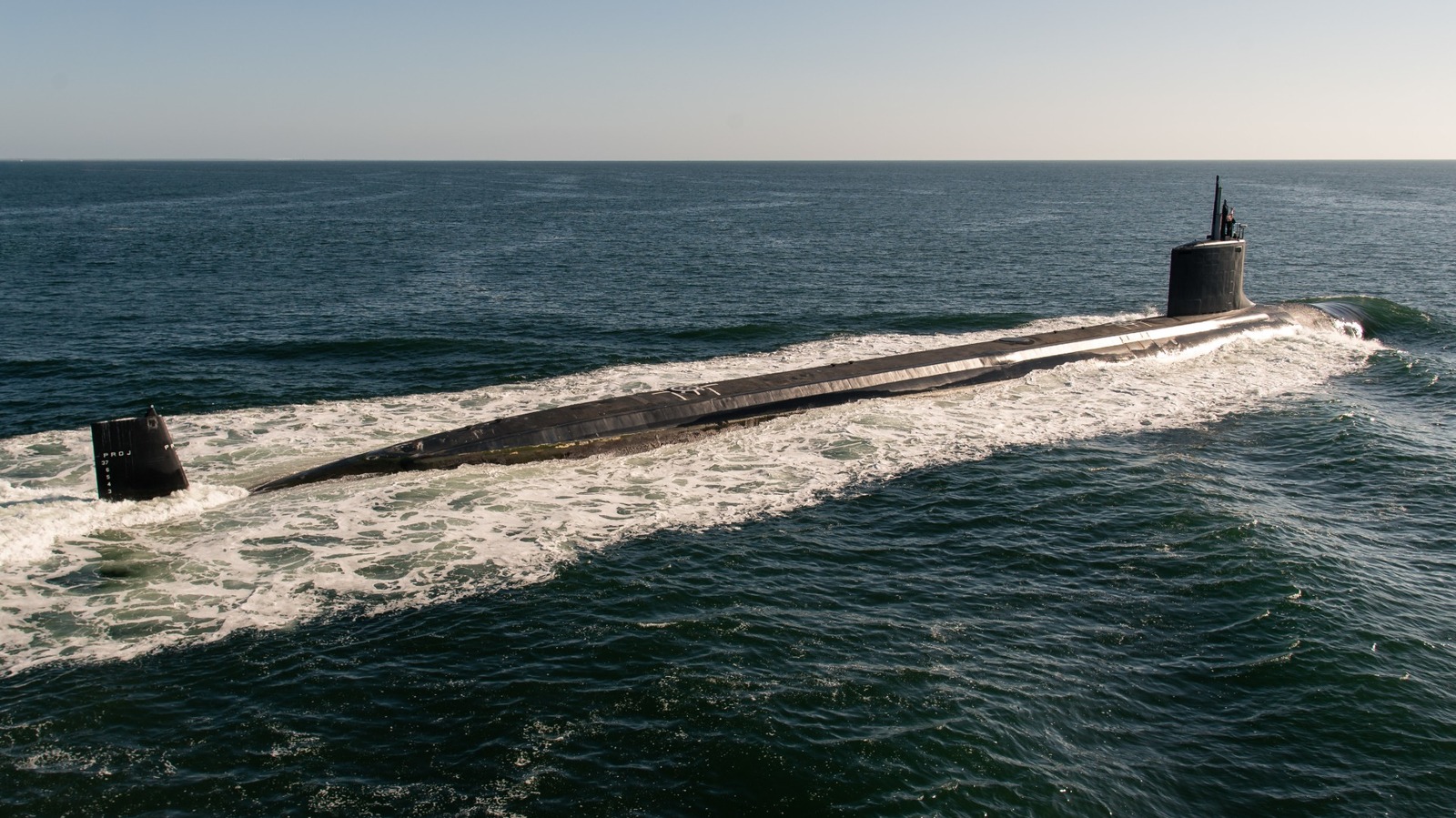
“Virginia” ангиллын шинэ шумбагч онгоцыг байлдааны бэлэн байдалд оруулах хугацааг хурдасгах зорилгоор ийнхүү ердийн журмаас гадуур арга хэмжээ авчээ.
АНУ-ын Тэнгисийн цэргийн хүчин “Virginia” ангиллын “USS Massachusetts” (SSN-709) цөмийн шумбагч онгоцыг ашиглалтад оруулахдаа хэвийн үед хийдэг “Post-Shakedown Availability” (PSA) буюу туршилтын дараах засвар үйлчилгээний үе шатыг алгасахаар шийдвэрлэжээ. Наймдугаар сарын 17-ны өдөр хийсэн анхан шатны туршилтаар хөлөг онгоцны байлдааны бэлэн байдал өндөр түвшинд байгаа нь тогтоогдсон тул ийнхүү шууд флотын бүрэлдэхүүнд шилжүүлж байна. Энэ нь Дэлхийн хоёрдугаар дайны үеэс мөрдөж ирсэн уламжлалт журмаас татгалзсан ховор тохиолдол болж байгаа юм.
Тэнгисийн цэргийн ажиллагааны дарга, адмирал Дэрил Кодлын тайлбарласнаар, энэхүү шийдвэр нь хөлөг онгоцны техникийн төгс нөхцөл байдлыг илтгэж байгаа бөгөөд байлдааны чадвартай зэвсэглэлийг флотод аль болох хурдан нийлүүлэх зорилготой аж. PSA үе шатыг алгассанаар засвар үйлчилгээний байгууламж болон боловсон хүчний нөөцийг чөлөөлж, бусад хөлөг онгоцны ажилд дайчлах боломж бүрдэж байна. Гэсэн хэдий ч мэргэжилтнүүд энэхүү алхам нь тооцоолсон эрсдэл гэдгийг онцолж байгаа бөгөөд урьд нь “Virginia” ангиллын бусад хөлөг онгоцууд ийм дарааллаар ашиглалтад орж байгаагүй юм.
“USS Massachusetts” нь “Block IV” хөтөлбөрийн хүрээнд бүтээгдсэн, дэлхийн хамгийн дэвшилтэт цөмийн шумбагч онгоцнуудын нэг юм. 7,800 тонн усан түрцтэй энэхүү хөлөг онгоц нь Tomahawk далавчит пуужин харвах хоёр ширхэг “Virginia Payload Tube” (VPT) систем болон торпедо хоолойгоор тоноглогдсон. Цөмийн реактор бүхий тус хөлөг онгоц нь цэнэглэлтгүйгээр алсын зайд ажиллах чадвартай бөгөөд 120 далайчин, 15 офицерын бүрэлдэхүүнтэйгээр үүрэг гүйцэтгэх юм.
Дэлгэрэнгүйг эх сурвалжаас харах
Эх сурвалжийг нээх ↓
The United States Navy has been hard at work replacing its aging Los Angeles-class and Ohio-class nuclear submarines with the newer and more advanced Virginia-class fast attack submarines, of which 25 have been constructed as of this writing. The latest boat to come out of the shipyards and enter the inventory is the USS Massachusetts (SSN-709), which is the eighth U.S. vessel named after the state. On the surface, pun definitely intended, the USS Massachusetts is like its preceding 24 Virginia-class submarines, but on August 17, 2026, it skipped a pivotal step in the process from construction to service.
After completing shakedown trials, the Navy determined that it was ready to proceed with fleet tasking, meaning that it could begin serving immediately. What’s interesting about this is the fact that the Massachusetts will not have to undergo its post-shakedown availability (PSA), thanks to its combat readiness and the boat’ssuperb construction. This move is a calculated risk, but as far as the Navy is concerned, the Massachusetts’ shakedown proved it was ready to join the fight.
Chief of Naval Operations Adm. Daryl Caudle explained that the “USS Massachusetts is ready to fight, and that is exactly where we need her, in the hands of our Sailors and available to the Fleet. Waiving this availability reflects the exceptional condition of the ship and our determination to deliver combat-ready capability faster.” The Massachusetts’ delivery to the Navy is surprising, as SlashGear previously reported about its then-forthcoming shakedown period that is no longer happening. Regardless, the Massachusetts is now expected to begin fleet operations as soon as possible.
Skipping the post-shakedown is an unusual move for the Navy
The process to build, commission, undergo sea trials, and perform a PSA is a tried-and-true method the Navy has employed since World War II. Because of this, it’s unusual to skip any of those steps, especially the PSA prior to passing the new vessel into the fleet. When a new sub finishes its sea trials, and before it’s ready for combat operations, the PSA is designed to address any maintenance or performance issues that arise.
Because the USS Massachusetts didn’t reveal any problems, it skipped the step. That’s significant, as it can take a year or more to move through the PSA in drydock to service entry. Because the USS Massachusetts skipped that step, it indicates that the boat is ready, but it’s also concerning, as it suggests that the Navy is rushing the sub through the customary process. All new U.S. Navy vessels undergo their PSA, which often requires a great deal of maintenance in a shipyard.
Any design flaws or issues are taken care of during the PSA, and while the Navy allowed the Massachusetts to skip it, it’s unlikely that no problems arose. Still, if there were concerns, they were likely minor and could be addressed during normal submarine operations. No other Virginia-class submarines skipped their PSAs, so the Navy’s decision has raised eyebrows. There are benefits beyond receiving the sub early, as freeing it from its PSA also frees up shipbuilding and maintenance facilities and personnel who can work on other vessels instead, so there are several positives resulting from this decision.
The USS Massachusetts (SSN-709) Virginia-class fast attack sub
Now that the USS Massachusetts is ready to join the fleet, it brings a great deal of undersea capability to the Navy’s submarine force. The U.S. Navy’s submarine fleet is big, and it includes several different types of boats. As the 25th Virginia-class submarine and the 7th built under the Block IV program, the Massachusetts is one of the most advanced and potentially lethal subs in the world. The Virginia-class program is expected to produce 45 total boats for the U.S. Navy, though three were sold to the Royal Australian Navy with an option to purchase additional subs in the future.
The Massachusetts is an impressive vessel that displaces 7,800 tons of seawater, stretches 377 feet in length, and can reach speeds of up to 29 mph. It will be crewed by 120 enlisted submariners and 15 officers. Thanks to its nuclear reactor and auxiliary diesel engine, the Massachusetts has an unlimited range and will not require refueling. Previous nuclear-powered submarines underwent mid-life refueling at 15 years, extending a boat’s service life to 30 years after modernization upgrades and enhancements.
The Virginia-class was built specifically to eliminate this need, andit’s expected to retire after 33 years. As a Block IV vessel, the Massachusetts utilizes the Virginia Payload Tube (VPT), a revolver-type vertical launcher system, of which it has two, whereas earlier blocks used 12 vertical launch systems. Each VPT can house and fire six Tomahawk cruise missiles. The boat is also outfitted with four torpedo tubes, enhanced acoustics and stealth capabilities, and advanced combat systems that make the USS Massachusetts an impressive boat.


