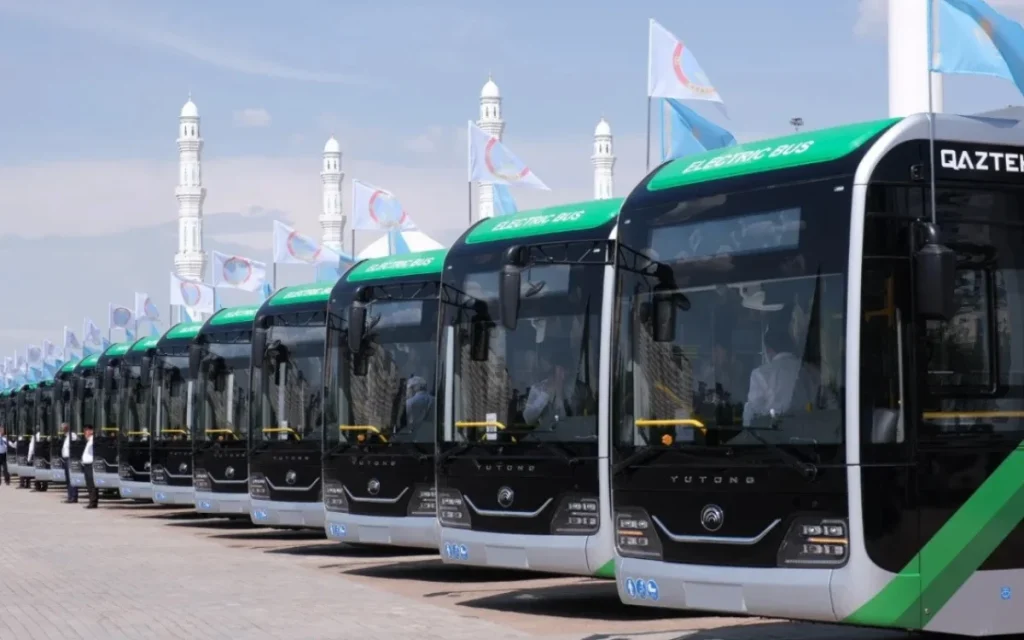
Тээврийн яамны мэдээлснээр Их Британид ашиглагдаж буй Yutong брэндийн цахилгаан автобуснууд нь кибер аюулгүй байдлын шаардлага хангасан бөгөөд зорчигчдод учрах эрсдэлгүй гэж үзжээ.
2025 оны сүүлээр Норвегийн тээврийн байгууллага Yutong брэндийн цахилгаан автобуснуудыг Хятад дахь серверээр дамжуулан алсаас удирдах боломжтой болохыг илрүүлснээр олон улсад болгоомжлол үүссэн юм. Энэхүү асуудалтай холбогдуулан Их Британи болон Дани улс өөрийн улсад ашиглаж буй цахилгаан автобусны паркад нарийвчилсан шалгалт хийхээ мэдэгдсэн билээ.
2026 оны тавдугаар сард Их Британийн Тээврийн сайд Хайди Александр тус улсад үйлчилгээнд явж буй 600 гаруй Yutong автобусны аюулгүй байдлын талаар албан ёсны мэдээлэл өгсөн юм. Тэрээр Норвегийн тал болон Их Британийн Зорчигч тээврийн нэгдсэн холбоотой хамтран ажилласны дүнд эдгээр тээврийн хэрэгсэл нь аюулгүй ажиллагааны горимд нийцэж байгааг баталжээ.
Тээврийн яамны дүгнэлтэд дурдсанаар, Их Британид ашиглаж буй автобуснуудын програм хангамжийн шинэчлэл нь кибер аюулгүй байдлын нийтлэг стандартуудад нийцэж байна. Үйлдвэрлэгч Yutong компанийн зүгээс хэрэглэгчдийн санаа зовнил хэвээр байвал автобусны телематик функцийг идэвхгүй болгох эсвэл SIM картыг нь салгах боломжтой бөгөөд энэ нь тээврийн хэрэгслийн хэвийн үйл ажиллагаанд нөлөөлөхгүй гэдгийг мэдэгдсэн байна.
Норвеги улсын хувьд олон нийтийн тээврийн хэрэгслийн худалдан авалтад эрсдэл бууруулах шинэ удирдамж боловсруулж байгаа боловч энэ нь аль хэдийн худалдан авсан автобуснуудад нөлөөлөхгүй юм. Дани улсын хувьд холбогдох шалгалтын тайланг он дуусахаас өмнө танилцуулахаар төлөвлөж байна.
Дэлгэрэнгүйг эх сурвалжаас харах
↓Эх сурвалжийг нээх ↓
At the end of 2025, Chinese electric buses made headlines around the world in a rather controversial way.
Back in November, investigators in Norway discovered the Yutong buses could beaccessed remotely from servers in China.
This led to authorities in Denmark and the UK announcing they would investigate their own fleets, as they had also incorporated these buses into their public transport networks.
Months later, the UK government has revealed its findings.
These electric buses caused a big stir at the tail end of 2025
The story began back in 2025, when Oslo’s transport authority Ruter struck a major deal with Chinese automaker Yutong for 300 new electric buses.
This was done as part of Norway’s plan to make all public transport emission-free by 2030.
But then investigators discovered something that would soon make headlines around the world.
Ruter’s engineers ran a set of cybersecurity tests, comparing one European-built electric bus and one Yutong-built model to check for digital vulnerabilities.
Investigators discovered the Yutong buses could be accessed remotely – potentially from servers in China.
Through that link, the manufacturer could send software updates, monitor diagnostics, or, in theory, shut the buses down entirely.
After this, Ruter removed the buses’ SIM card.
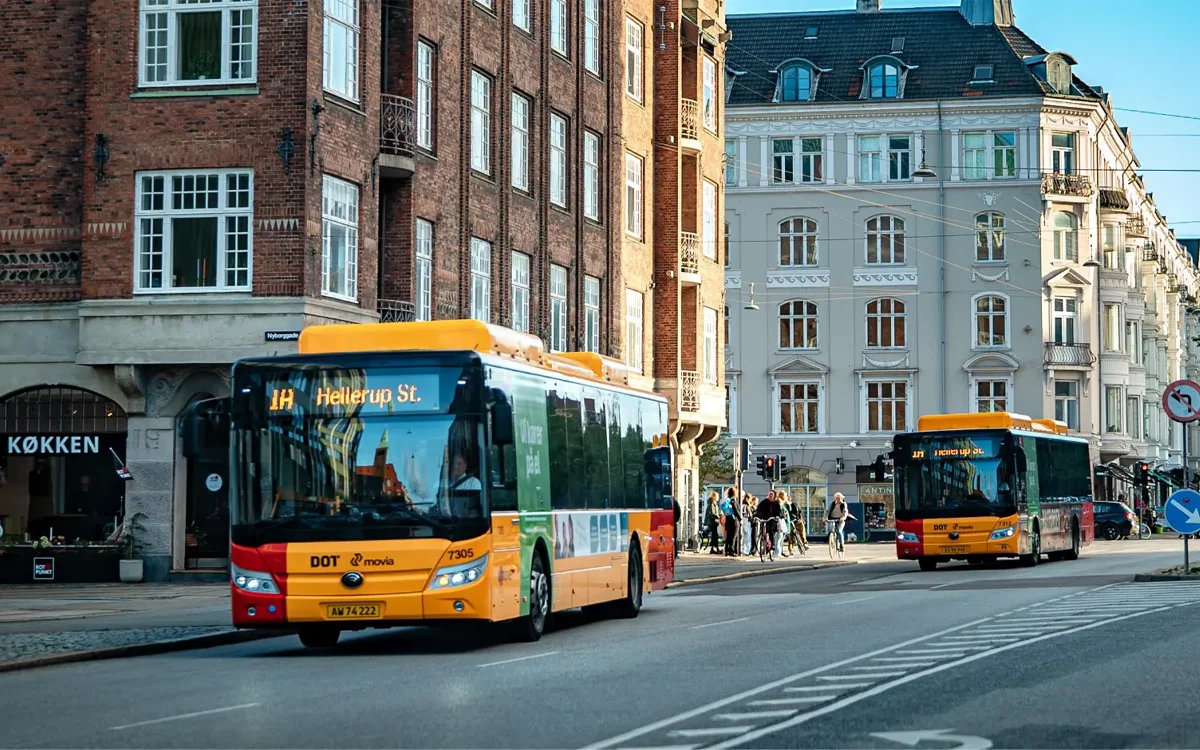
In the wake of this controversy, Denmark and the UK both announced that its governments would be launching investigations into the matter, as both nations had brought Yutong buses into their public transport networks.
At the time, Yutong affirmed that it ‘strictly complies with the applicable laws, regulations, and industry standards of the locations where its vehicles operate’.
It also clarified that terminal data for its vehicles within the EU would be stored in Frankfurt.
The company also said the data is only used for maintenance, optimization, and to improve the customers’ needs.
The UK government has announced its findings
For a few months, the story seemed to fall out of the news cycle, with relatively little coverage.
But in May 2026, the UK’s Secretary of State for Transport, Heidi Alexander, would provide an update.
In a letter written to one of her fellow MPs, Alexander provided an update on the investigation.
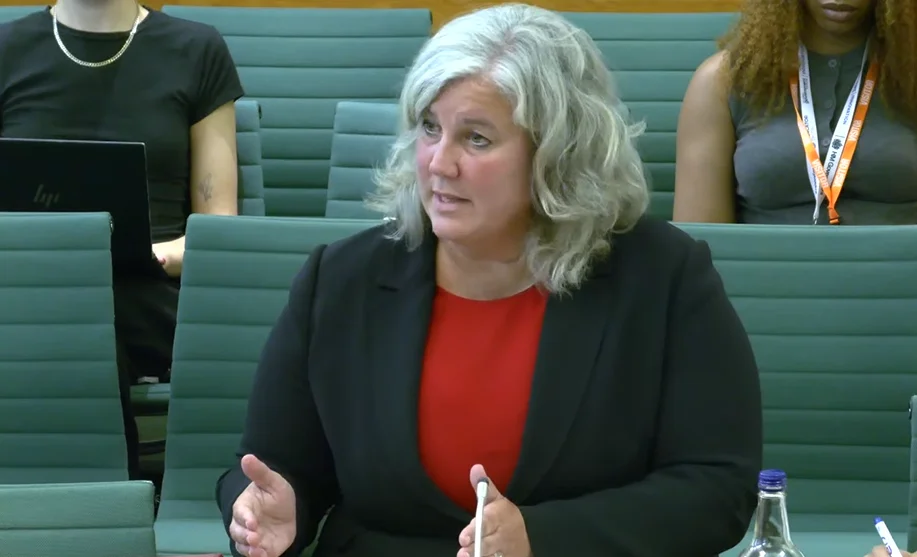
Confirming that just over 600 of the 5,000 electric buses in the UK were manufactured by Yutong, she went on to deliver her department’s conclusion.
“Following the media reports last year, my officials have been in touch with their counterparts in Norway,” she wrote.
“They have also engaged the relevant UK trade association, the Confederation of Passengers Transport (CPT), who consider there is no cause for passenger concern, and that vehicles currently in service continue to operate safely.
“Based on those dialogues and assessments from the Vehicle Certification Agency (the UK’s vehicle type approval authority), I am assured that this is a managed risk for this manufacturer.
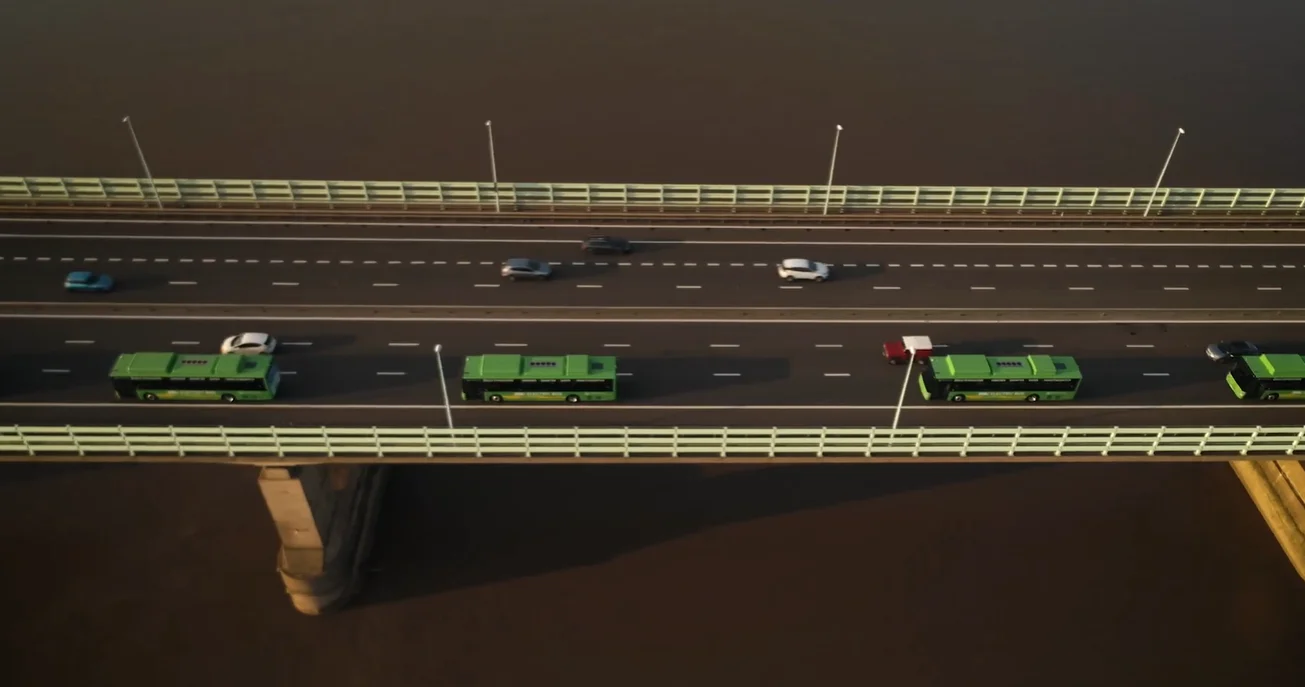
“Officials assess that these buses in the UK have software update protocols which are in line with HMG’s [His Majesty’s Government’s] security expectations on common threats, and vulnerabilities, including cyber security.”
Further down in the letter, Alexander reaffirmed the UK government’s commitment to national security.
“My department will continue to ensure that these contributions are made with safety and national security at the forefront of its consideration as the technology changes and develops,” she wrote.
The NCSC – the National Cyber Security Centre – referred Supercar Blondie to the Department of Transport when approached for comment.
When contacted for comment, the Department of Transport confirmed to Supercar Blondie that ‘the position as set out in the letter remains the case’.
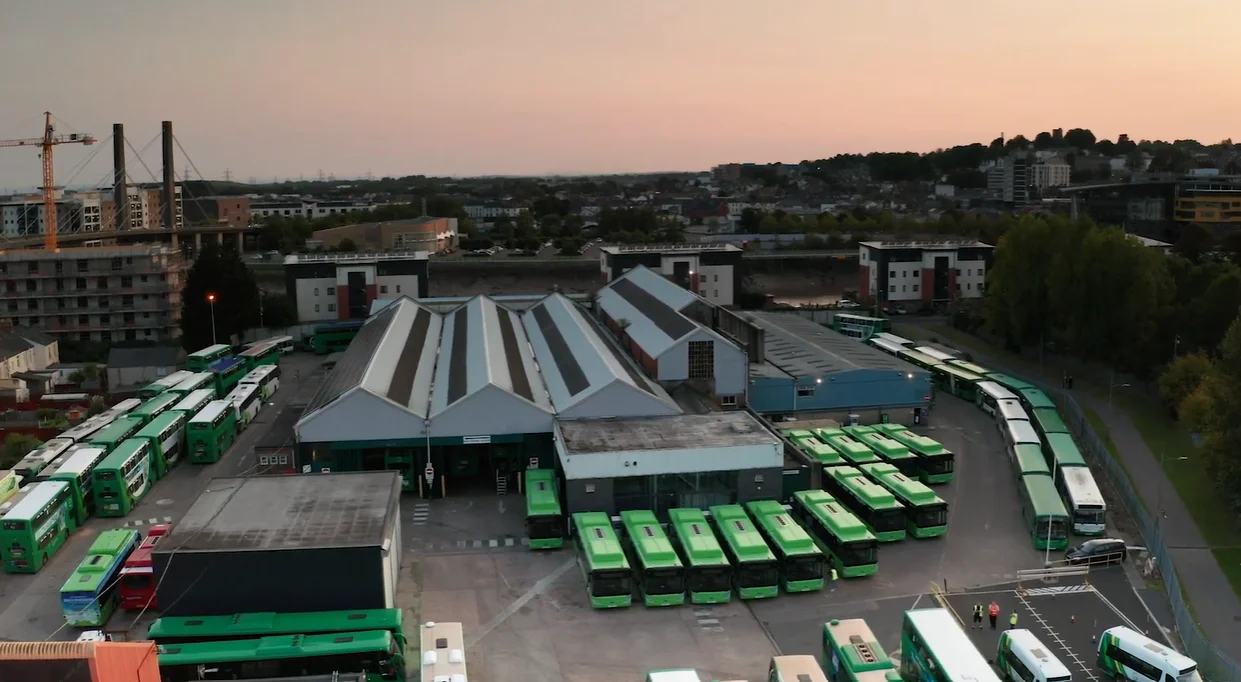
Yutong buses have been rolled in several cities across the UK, including Nottingham, Hull, and Leicester.
When contacted for comment, Yutong Buses provided a statement, reaffirming its commitment to ‘vehicle data security and customer privation protection’.
“For customers who may still have concerns, it is possible to disable all telematics functions by turning off the power supply to the connected device or by removing the SIM card. Disabling telematics functions will not affect the normal operation of the vehicle,” the statement read in part.
“As a responsible global manufacturer, Yutong always prioritizes user trust and continuously enhances vehicle cybersecurity and data protection capabilities, providing global users with higher-quality products and services.”
What’s going on in Norway and Denmark with the Chinese electric buses?
That raises the question – what’s happening in Norway and Denmark with their supply of Chinese electric buses?
When approached for comment, the Danish authorities confirmed that an investigation had been launched and indicated that the report would be expected later this year.
As for Norway, the government has drawn up some guidelines about ‘risk-reducing measures in bus procurement’.
Among the proposals is an amendment to zero-emission regulations for public transport vehicles.
“The Ministry of Transport and Communications proposes that a new exemption from the emission requirement for buses be introduced, where it is necessary to safeguard safety and emergency preparedness,” the Ministry of Transport proposed.
At the time of writing, such proposals have been submitted for consultation.
Gunnar Berg Treidene, the Director of Transport in Vestfold County Municipality, confirmed that any measures brought in wouldn’t affect buses that have already been purchased, Norwegian public broadcaster NRK reported.
“It has no retroactive effect. So for Vestfold’s tender, and what we have in production today, it has no significance,” he said.
Evidently, the question of the Chinese electric buses isn’t a settled issue everywhere.


