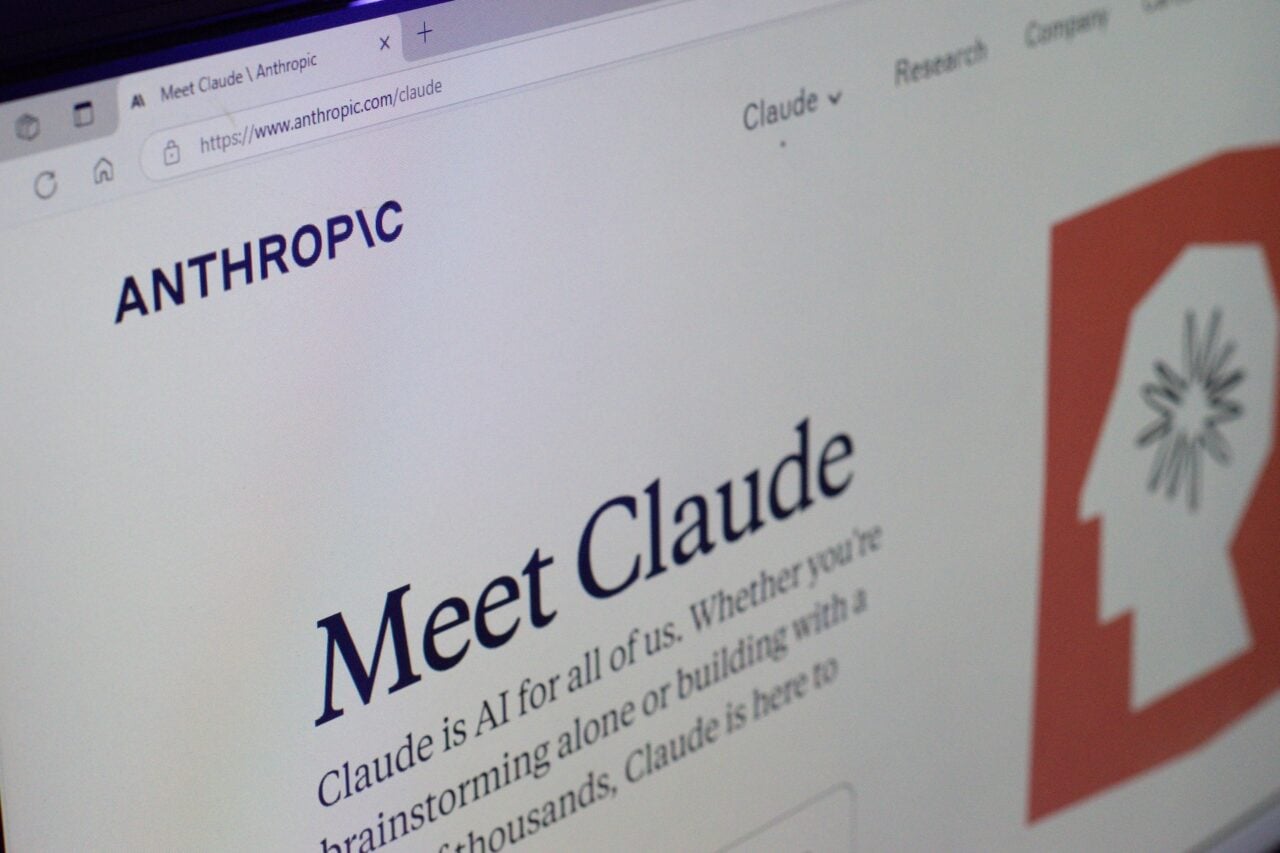
Хиймэл оюун ухааны шинэ шийдэл нь хэрэглэгчдэд вэб хуудас тусдаа нээх шаардлагагүйгээр мэдээлэл хайх боломжийг олгож байна.
Anthropic компани өөрийн Claude чатботдоо вэб хөтөч суулгаснаар хэрэглэгчдийн интернэт ашиглах дадал руу чиглэсэн томоохон алхам хийлээ. Лхагва гарагт нийтэлсэн мэдээллээр, Claude Cowork-ийн шинэ хувилбар нь вэб хайлтыг автоматаар илрүүлж, тусгай цонхоор дамжуулан хайлтын үр дүнг харуулах юм. Энэхүү хөтөч нь зөвхөн олон нийтэд нээлттэй мэдээллийг хайхад зориулагдсан бөгөөд хэрэглэгчийн банк болон хувийн бүртгэлийн мэдээлэлд нэвтрэх эрхгүй.
Уг шинэ боломж нь одоогоор Enterprise төлөвлөгөөний хэрэглэгчдэд нээлттэй байгаа бөгөөд энэ долоо хоногт Pro, Max болон Team хэрэглэгчдэд нэвтрүүлж байна. Anthropic-ийн зүгээс хэрэглэгчдэд тусдаа вэб хөтөч ашиглахын оронд чатботын нэгдсэн системээр дамжуулан ажлаа гүйцэтгэх илүү хялбар замыг санал болгож буй нь Google-ийн хайлтын системийн давамгайлалд сорилт болж байна. Өмнө нь OpenAI компани ChatGPT-д зориулсан вэб хөтөч нэвтрүүлж байсан ч удалгүй зогсоож, илүү дэвшилтэт “Work” горимыг танилцуулсан туршлага бий.
Гэсэн хэдий ч хиймэл оюун ухааныг интернэтэд шууд холбох нь аюулгүй байдлын эрсдэл дагуулсаар байна. Мэргэжилтнүүдийн үзэж буйгаар чатботууд хуурамч мэдээлэл өгөх, халдлагад өртөх, эсвэл хортой код бүхий вэб хуудсуудаар дамжин системд нэвтрэх зэрэг аюултай хэвээр байгаа аж. Anthropic компани өөрийн шинэ хөтөчид Claude in Chrome өргөтгөлийн адил хамгаалалтын түвшний арга хэмжээ авсан гэж мэдэгдсэн ч хиймэл оюун ухааныг халдлагаас бүрэн хамгаалах нь өнөөдрийн технологийн салбарын нэгэн шийдэгдээгүй асуудал хэвээр байна.
Дэлгэрэнгүйг эх сурвалжаас харах
↓Эх сурвалжийг нээх ↓
Every AI startup is hungry for a piece of Google’s pie.
The company has for decades been the unquestioned ruler over the internet. The rise of AI chatbots over the past four years has seriously threatened that reign: Why waste time scrolling through an endless list of links when you can ask ChatGPT to summarize whatever it is you’re looking for? But at least in web browsing it remains secure: as of last month, Chrome was used for close to 70% of the world’s web traffic, according to web analytics site Statcounter.
Anthropic just became the latest AI company to try to pushGoogle out of that niche by launching a web browser directly within its flagship chatbot.
In a short blog post published Wednesday, the company—which is expected to move forward with the biggest IPO in history as soon as October—said Claude Cowork now has a custom browser within the chatbot’s desktop app. (It can also be used on web and mobile, as long as the desktop app is up and running separately.) Claude will automatically detect when a prompt requires a web search and open the browser in a side panel. The browser doesn’t have access to a user’s login information for email, banking, and other online services unless those are entered manually. It’s designed, in other words, to execute quick searches for publicly available information.
Claude’s browser is available now on Enterprise plans and is being rolled out this week to Pro, Max, and Team subscribers, Anthropic said. It will be turned on by default, but plan administrators or individual users can revert to Claude in Chrome via settings.
It’s the latest effort by Anthropic, mirrored by other AI startups like OpenAI and Perplexity, to turn their flagship models from simple question-answering chatbots into fully-fledged agents that effectively can manage users’ entire digital lives from a single window, thereby cutting out services like web browsers from the competition. Anthropic took direct aim at Google in its post. “Until now, giving Claude the ability to use the web in Cowork meant giving it access to your browser through the Claude in Chrome extension,” the startup wrote. “But a lot of web tasks don’t need your browser, just a browser, and now Claude has one.”OpenAI had a short-lived browser, called Atlas, which operated as a standalone product and was shut down earlier this month after the company launched a new “Work” mode for ChatGPT, complete with its own built-in browser.
Handing chatbots the keys to the open internet has been riddled with disaster: they hallucinate, pull information from questionable sources, get lured into sneaky prompt injection attacks, and in extreme cases—as events this summer have shown—break out of testing sandboxes and hack into third-party organizations. It remains very much an open question whether developers can build AI agents that can safely be granted access to the internet.
On that note, in-app doesn’t necessarily mean more secure. In its blog post, Anthropic noted that prompt injection attacks—code hidden on the web designed to hijack and redirect AI agents—remain a risk within the new in-app browser, and that it uses the same safety guardrails already built into the Claude in Chrome extension. Some industry experts have already concluded that AI agents’ vulnerability to such attacks is an unresolvable problem, and the best developers can do is try to remain one step ahead of hackers.

