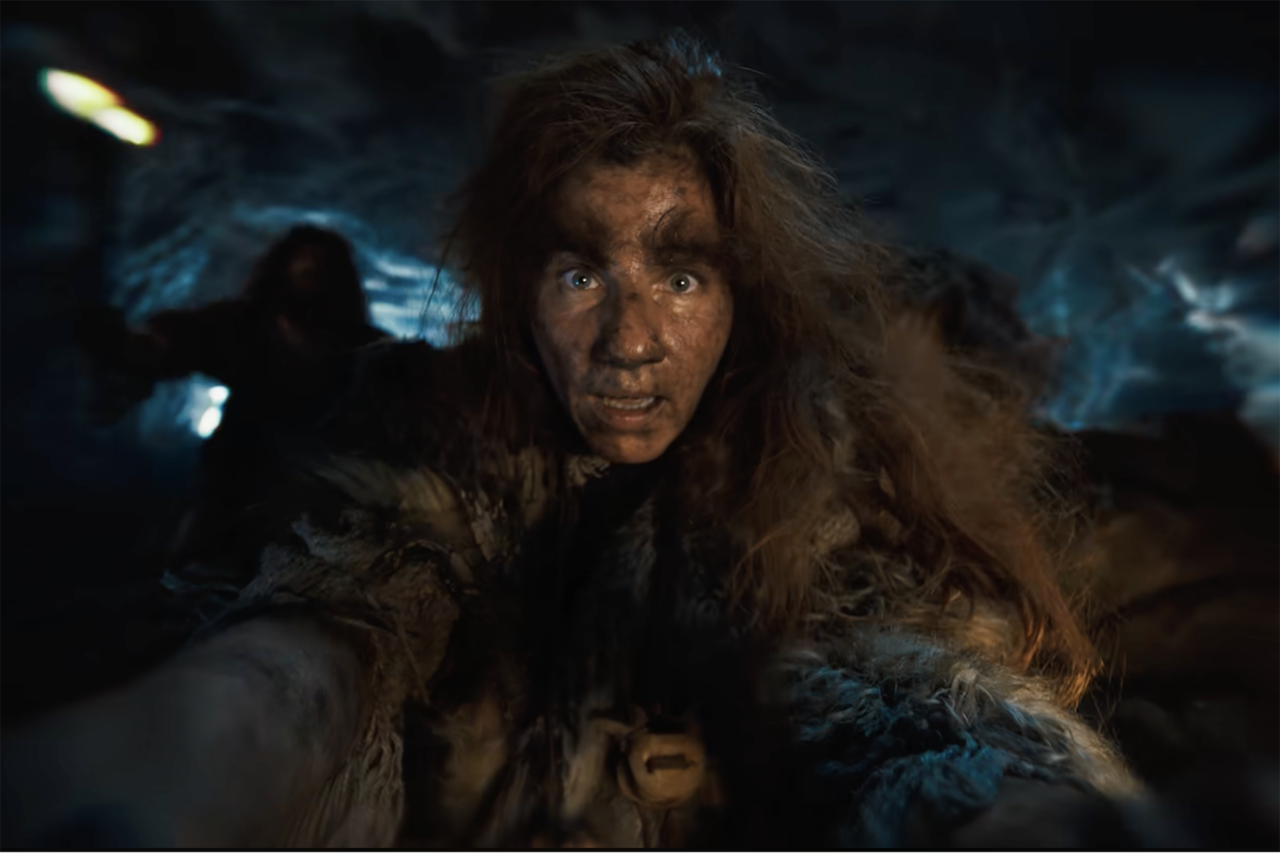
Хэрэглэгчид хиймэл оюун ухаанаар бүтээсэн контентыг танихад хэцүү болж, үүний улмаас бодит бүтээлүүд ч үндэслэлгүйгээр “AI slop” буюу чанаргүй хиймэл оюун ухааны бүтээл хэмээн шүүмжлэгдэх эрсдэл нэмэгдэж байна.
Gamescom наадмын нээлтийн үеэр танилцуулсан “Humankind 2” тоглоомын 90 секундын танилцуулга видео үзэгчдийн дунд маргаан дэгдээв. Олон нийтийн сүлжээнд тус видеог хиймэл оюун ухаан ашиглан бүтээсэн хэмээн шуугисан ч, Amplitude Studios үүнийг Болгар улсын Софи хотод бодит жүжигчид, тайз засал ашиглан зураг авалт хийсэн “live-action” бүтээл гэдгийг мэдэгдлээ.
Гэвч дүрслэлийн хэт тод байдал, камерын хөдөлгөөн болон фокусын хувьд тоглоомын ертөнцтэй төстэй мэт санагдах нь үзэгчдийг эргэлзэхэд хүргэж байна. Бодит жүжигчид болон компьютерын аргаар бүтээсэн орчныг хослуулах үед үүсдэг энэхүү ер бусын мэдрэмж нь орчин үеийн үзэгчдийн хиймэл оюун ухаанд хандах сэжигтэй хандлагатай шууд холбоотой юм.
Энэхүү үйл явдал нь контент бүтээгчид бүх зүйлийг зөв хийсэн ч гэсэн, технологийн өнөөгийн нөхцөлд хиймэл оюун ухаанд буруутгагдах эрсдэл ямар өндөр байгааг харуулж байна. Хиймэл оюун ухааны хэрэглээ интернэт болон өдөр тутмын амьдралд гүн нэвтрэхийн хэрээр жинхэнэ бүтээлүүд ч “барьцааны хохирогч” болох аюул нүүрлэжээ.
Дэлгэрэнгүйг эх сурвалжаас харах
↓Эх сурвалжийг нээх ↓
Spotting videos made by generative AI used to be as simple as counting the fingers of the people depicted. But as with every other aspect of the technology, while AI video’s utility remains questionable, its ability to create a reasonably convincing facsimile of human-created footage has come a long way since the days of this sort of cursed nonsense.
And yet. There’s still something off about a lot of AI-created video—if anything, it looks too real, too in-focus, too crisp. It’s like watching The Hobbit in 5K 3D at 48 frames per second, something your correspondent had the misfortune of doing at the time of its release. While the quality was “good” by all objective metrics, there’s just something disconcerting about a big-budget Hollywood movie looking like a telenovela, and I think even viewers who wouldn’t know fps from GPS would still look at the film and say it just felt wrong.
AI video is similar—even if you can’t quite put your finger on what feels off about it, you know it when you see it. Unfortunately, “you know it when you see it” is a pretty dangerous standard, especially now that skeptical consumers are justifiably primed to think pretty much anything they’re being sold is somehow AI-generated—and equally primed to avoid it if that’s the case.
This brings us to the trailer for Humankind 2, Amplitude Studios’ upcoming sequel to their 2021 4x Civilization-alike Humankind. The 90-second video premiered during the opening night of Gamescom, and was greeted with an immediate online chorus decrying it as AI slop. And here’s the thing: you can see why.
Amplitude says the trailer was “live-action”, insofar as it featured “real actors, practical sets, and custom-made props created specifically for the production.” The studio explained that the footage was shot at Nu Boyana Film Studios in Sofia, Bulgaria, and it will “be sharing behind-the-scenes images from the shoot soon.” That’s all very well and good, but unless Sofia’s finest film studio has a storm-lashed ocean or a spare Tenochtitlan in a back room, there’s still a lot of this video that’s computer-generated. Which is fine, obviously—it’s not like we weren’t shooting basically entire films in front of green screens long before generative AI came along.
If anything, though, I wonder whether it’s the presence of real actors in an environment that’s entirely computer-generated that gives the trailer its slightly uncanny aspect. Take the scene that lasts from 0:35 to 0:40, where a woman runs toward the camera as it backpedals away from her. If you pause the video at any point, she’s either perfectly or almost perfectly in focus. And if she slips out of focus for a frame or two, the camera reacquires her almost immediately. Everything else in the center of the frame is sharply in focus as well, while the edges get some kind of motion blur effect.
If this were a chase scene in a video game, that wouldn’t raise an eyebrow in the slightest. Video game cameras are always in focus unless you enable motion blur, which exists to simulate the way your eyes also lose focus when you move them—or your head—sharply. Especially if you’ve disabled motion blur. But pulling off a shot like this in real life, in a real marketplace with a bunch of real extras and a real actor, would be extremely difficult. Maintaining deep focus like this in real life with real cameras and lenses requires lots of light, and gets much more difficult if the camera is moving.
So that’s perhaps why the trailer looks somewhat uncanny—and that’s before we get to the havoc that the compression used by Steam/YouTube/etc can wreak on your video. Unfortunately for Amplitude, pretty much everyone these days associates “looking somewhat uncanny” with “being made by AI”—and it’s hard to blame them. Generative content has oozed its way into every corner of the internet and, increasingly, into our offline lives too, and we’re right to be on the lookout for it. But there are going to be a whole lot of people who end up as collateral damage, accused of using generative AI when their work was all their own. We’re already seeing this with the written word, and if you didn’t speak up because you weren’t a lover of exuberant em-dash usage, rest assured that they’ll come for you sooner or later.
To be fair, Amplitude hasn’t come out and said that no AI was used in the making of the trailer, and it could well be that there was some degree of generative AI involvement. But it could well also be that there wasn’t, in which case the whole thing is a demonstration that you can do everything right, and if your video still somehow just looks weird, you’re going to have accusations of “AI slop” from every direction. Thanks, Sam Altman!

