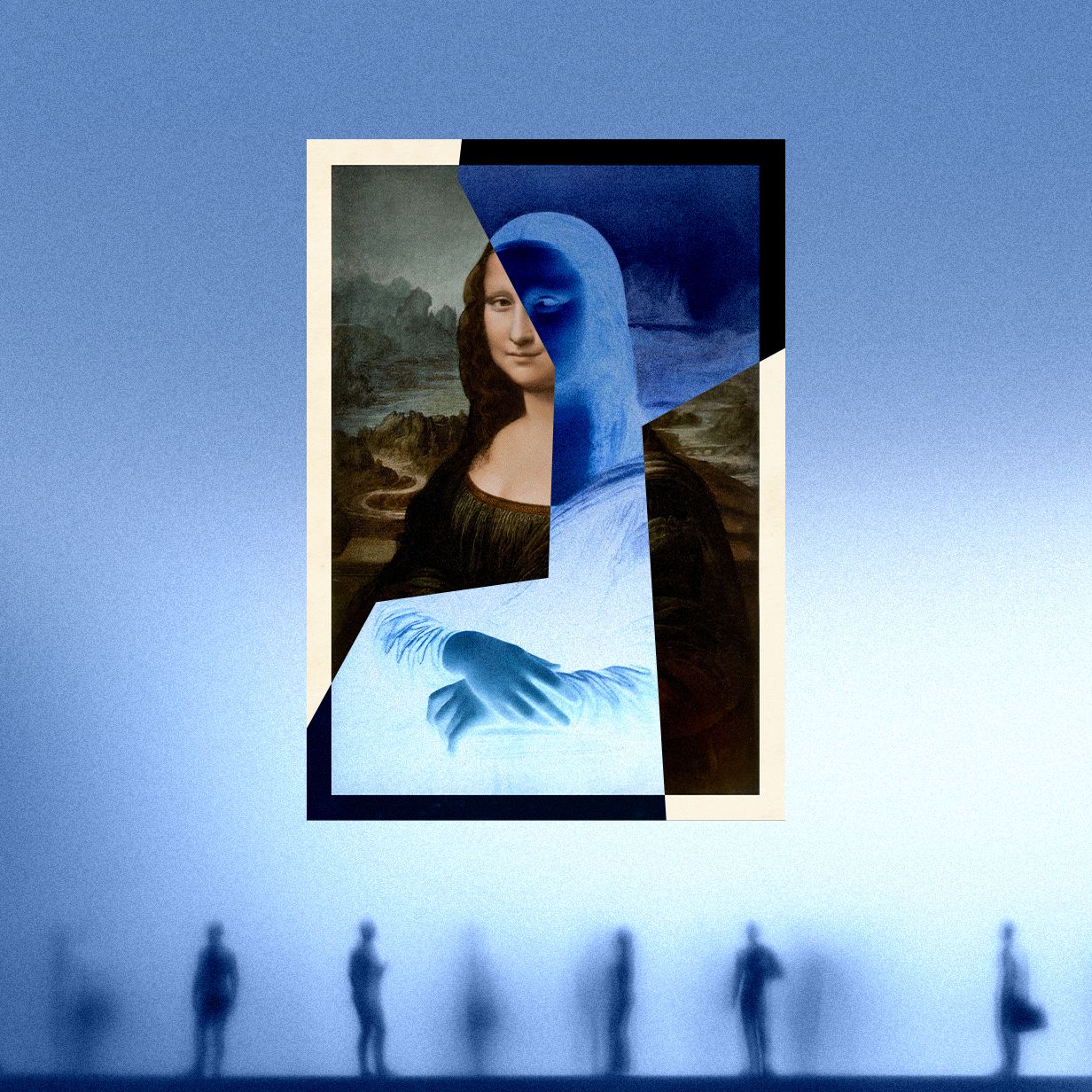
Хиймэл оюун ухааны загваруудыг сургахад ашиглах зорилгоор уран бүтээлчдийн зургийг хуулбарладаг байсан хүн өөрийн үйлдлээ эргэцүүлэн, уран бүтээлчдийг хамгаалах нээлттэй эх сурвалжтай хэрэгсэл бүтээхээр Жинна Жантай хамтарч байна.
Гэрэл зурагчин Жинна Жан болон сайн дурынхны баг 2023 оны эхнээс уран бүтээлчдэд зориулсан Cara нэртэй сошиал медиа платформыг хөгжүүлж ирсэн. Хиймэл оюун ухааны загваруудад бүтээлээ зөвшөөрөлгүй ашиглуулахыг эсэргүүцдэг 1.5 сая орчим уран бүтээлч энэ тавцанг ашигладаг бөгөөд тус апп нь уран бүтээлийн хэв маягийг хуулбарлахаас сэргийлэх Glaze зэрэг хамгаалалтын функцуудыг санал болгодог.
Гэсэн хэдий ч наймдугаар сарын 13-наас эхлэн Cara платформ гурван удаагийн томоохон өгөгдөл хуулах (scraping) халдлагад өртөж, серверийн зардал нь огцом нэмэгдсэн байна. Эхний халдлагын үеэр 12 сая орчим уран бүтээлийг 10 хүрэхгүй доллараар хуулбарласан нь олон нийтийн шүүмжлэлийг дагуулсан юм. Үүний дараа бусад халдлагуудаар хэрэглэгчдийн хувийн мэдээлэл болон мета өгөгдлүүд хуулагдаж, Hugging Face болон Academic Torrents зэрэг платформуудад байршсан байна.
Жинна Жан хууль эрх зүйн хамгаалалт хангалтгүй байгааг онцлоод, платформыг хамгаалах зорилгоор GoFundMe сангаар дамжуулан 120,000 ам.доллар босгох аян эхлүүлснээс одоогоор 100,000 гаруй ам.доллар цуглаад байна. Тэрээр хиймэл оюун ухааны компаниудын эсрэг шүүхэд хэд хэдэн нэхэмжлэл гаргаад байгаа бөгөөд Cara платформыг кибер болон зохиогчийн эрхийн хүрээнд хамгаалах бүхий л боломжит арга замыг эрэлхийлж байна.
Дэлгэрэнгүйг эх сурвалжаас харах
↓Эх сурвалжийг нээх ↓
Since early 2023, photographer Jingna Zhang and a small crew of volunteers have worked tirelessly to maintain an image-sharing social media and portfolio app called Cara. So far, it has attracted about 1.5 million artists. What drew them to the platform? A shared opposition to the unauthorized use of their work to train AI models and a desire to publicize their art while avoiding exploitation by Big Tech.
But while Cara filters out AI images and offers protective features—including Glaze, a tool meant to mask the style of the images picked up by scrapers in order to disrupt AI mimicry—preventing scrapes themselves is nearly impossible. And just this month, beginning on August 13, Cara was subjected to three major scrapes, which spiked its server fees and alarmed creators who had migrated there from platforms like Instagram, where all content is explicitly available to Meta as training data.
The first of these incidents came to light when the individual responsible posted a 12-terabyte archive of 12 million works from Cara—more or less its entire library of publicly available images—on the subreddit r/DefendingAIArt. “It was a fun project,” wrote the redditor, MandarinDawnPoppy994, in his since-deleted post, saying the process cost him less than $10.
“We actually found out about it through our users tagging us,” Zhang tells WIRED, since the scraper was “gloating and looking for other people to join him to do something with the dataset on Reddit,” sparking a fierce debate across AI-related forums about the ethics of what he had done. “I just feel it’s targeted and very hurtful,” she adds, noting that “laws are not caught up on” protections against such data harvests, meaning that scrapers can often justify it as technically legal. (Zhang is separately part of two ongoing class actions brought by visual artists, one against Stability AI, Midjourney, and others and the second against Google, alleging that the companies’ image generator tools were trained on their copyrighted work.)
In a surprising turn of events, however, the person who grabbed all the art off Cara would turn out to regret his stunt and agree to collaborate with Zhang on a new open-source tool to protect artists.
In the meantime, unfortunately, other scrapers continued to take advantage of Cara’s vulnerabilities and minimal resources. While a number of AI proponents objected to going after Cara, a few were apparently emboldened by MandarinDawnPoppy994 to carry out what Zhang sees as “copycat” attacks.
A second scraper pulled about 8.5 million links from Cara, as well as metadata like usernames, titles, and tags, and uploaded these to Hugging Face, the AI developer platform. After Hugging Face was bombarded with takedown requests, it responded in a statement that while it would issue a notice to the user, “CaptiveDreamer,” to remove the personal metadata, it could not do the same for the URLs, since “no copies of the artworks are hosted here,” and the links “point to the copies the artists published on Cara.” The company concluded that “further copyright reports on the same basis will not change this outcome.”
Finally, on August 22, a third scraper obtained 123,000 images from Cara, along with text posts and user bios that included personal information, sharing it all on a site called Academic Torrents. Zhang then launched a GoFundMe for legal fees, setting a goal of $120,000, explaining that the money would go toward exploring any and all strategies of defending Cara through cyber and copyright laws. As of Thursday, she has raised more than $100,000, and she says Cara is actively looking for any additional legal assistance.

