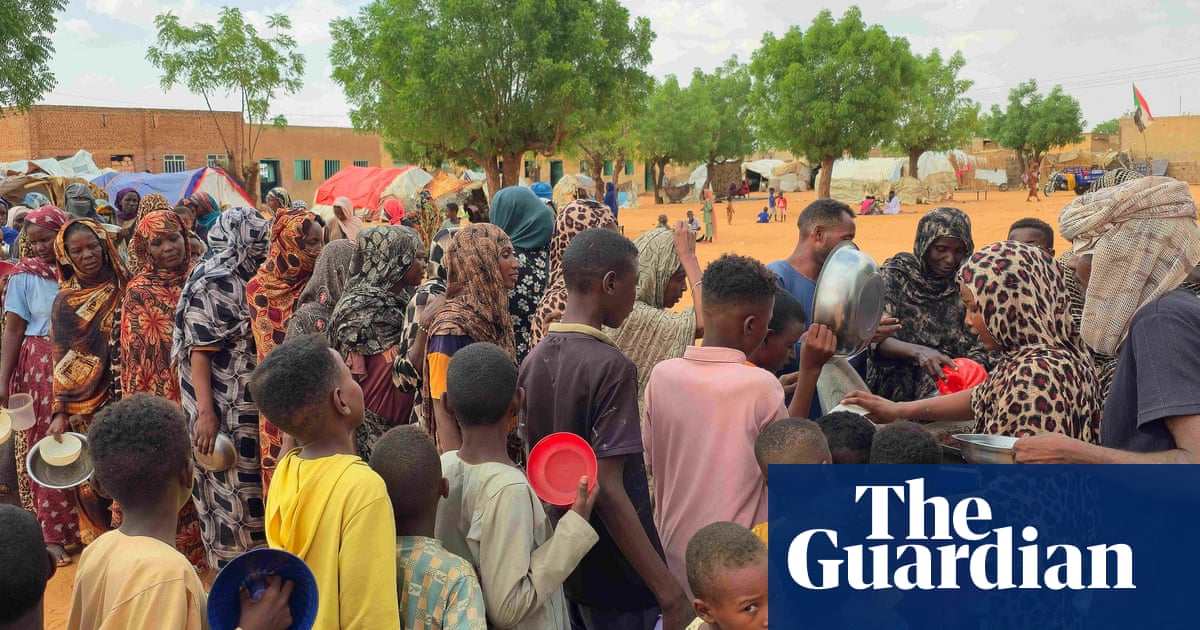
Хойд Кордофан мужийн төв Эль-Обейд хотод дүрвэгсдийн тоо тасралтгүй нэмэгдэж байгаатай холбоотойгоор хоол хүнс, эрүүл ахуйн нөхцөл эрс муудаж байна.
Суданы Зэвсэгт хүчин болон Түргэвчилсэн дэмжлэг үзүүлэх хүчний (RSF) хоорондох мөргөлдөөнөөс зугтсан олон мянган иргэн Эль-Обейд хот болон түүний ойр орчмын майхан хотхонуудад олноор цугларч байна. НҮБ-ын мэдээлснээр, долдугаар сарын дунд үеэс хойш 15,000 гаруй өрх нэмж ирсэн бөгөөд нийт дүрвэгсдийн 85 хувийг эмэгтэйчүүд болон хүүхдүүд эзэлж байгаа аж. Тус хот дайны өмнө хагас сая орчим хүн амтай байсан бол одоо хэт ачааллаас үүдэн хүмүүнлэгийн томоохон хямрал нүүрлээд байна.
Дайны улмаас Суданд нийт 11.3 сая хүн орон гэрээ орхин дүрвэж, зарим бүс нутагт өлсгөлөн нүүрлэх аюул тулгараад байна. Эль-Обейд хотын дэд бүтэц, ялангуяа ус хангамж, цахилгаан эрчим хүчний шугам сүлжээ RSF-ийн дроны цохилтын улмаас эвдэрч, засварлагдаагүй байгаа нь нөхцөл байдлыг улам хүндрүүлж байна. Одоогоор хотын эмнэлэг болон дүрвэгсдийн хуаранд усны машин ашиглан хангамж хүргэж байгаа боловч энэ нь хүрэлцээгүй, ариун цэврийн байгууламжийн хүрэлцээ туйлын муу байгааг олон улсын байгууллагууд анхаарууллаа.
Мөргөлдөөний бүсэд дроны ашиглалт эрс нэмэгдсэн бөгөөд аврагчид болон энгийн иргэдийг онилсон давтан цохилтууд бүртгэгдсээр байна. АНУ болон Ираны хоорондох хурцадмал байдал эхэлснээс хойш RSF-ийн дроны ашиглалт илүү зорилтот шинжтэй болсон гэж ажиглагчид үзэж байна. Хэдийгээр Зэвсэгт хүчин зарим гол замыг хяналтдаа авч, бүслэлтийн аюулыг тодорхой хэмжээгээр бууруулсан ч иргэдийн амь нас, аюулгүй байдал, хүнсний үнийн өсөлт нь нөхцөл байдлыг тогтворгүй хэвээр үлдээж байна.
Дэлгэрэнгүйг эх сурвалжаас харах
↓Эх сурвалжийг нээх ↓
Humanitarian conditions in the Sudanese city of El Obeid and two camps on its outskirts are dire and deteriorating, according to people on the ground, as civilians displaced by fighting between the Sudanese Armed Forces and Rapid Support Forces (RSF) militia continue to pour in from the surrounding countryside.
The UN says more than 15,000 families have arrived since mid-July, joining more than 200,000 people who arrived in the first half of the year, according to government figures cited by Save the Children.
“The situation is very harsh and is deteriorating as El Obeid is receiving IDPs [internally displaced people] on a daily basis … The city is shockingly overcrowded,” said Maryam, a humanitarian volunteer whose name has been changed for her safety.
The new arrivals came on foot, carrying almost nothing, she said. “They also suffer from a shortage of food and they definitely arrive traumatised.”
The city, the capital of North Kordofan province, was home to around half a million people before the war broke out more than three years ago.
While many of the new arrivals have been absorbed into the city, tens of thousands are living in two main tented camps. According to analysis of satellite data by the Yale Humanitarian Research Lab, 800 new tents appeared in one of the camps between 4 and 25 August.
“During my visit, I saw 450 arrivals coming from the surrounding villages just that morning,” said Paul Byars, the Sudan country director for the Danish Refugee Council, who was in El Obeid last week. “The authorities’ estimates are correct, that 85% of them are women and children. Most of the men are staying behind because this is the only time for farming.”
Civil war erupted in Sudan’s capital, Khartoum, about 250 miles (400km) north-east of El Obeid, on 15 April 2023, when a power struggle between the armed forces and RSF descended into open conflict.
Since then, about 11.3 million people have been displaced, more than a fifth of the population. Some parts of the country, including El Obeid and surrounding areas, are at risk of famine.
Estimates of the number of people killed in the war range from tens to hundreds of thousands. More than 10,000 people are thought to have been massacred by the RSF in El Fasher over two days when they seized the city in Sudan’s western Darfur region in October 2025 after an 18-month siege.
A surge in RSF drone strikes on El Obeid and nearby areas in June led the UN to warn that the city could face a repeat of what happened in El Fasher.
The number of strikes has since fallen. The armed forces also recaptured a key road leading north to Khartoum in late July, which at least partly lifted the threat of besiegement. However, drones are still killing and injuring civilians, while violence rages in the surrounding districts, pushing people to the city.
Recently, volunteers in El Obeid had noticed more “double-tap” drone strikes, where a second drone follows the first, hitting rescuers at the scene, Maryam said. “It is hard, so hard, living with this, hearing the sound of a drone hitting somewhere,” she said. “It’s very disturbing.”
Sudan’s civil war has become dominated by drones, accounting for half of all violent incidents, up from 4% at the start of the war, said Nohad Eltayeb, who monitors Sudan for Acled, a conflict tracking group.
Both sides used drones, but the RSF’s usage had become more volatile since the US war with Iran began to interrupt supply lines in February, she said. “They rely on fewer, very targeted strikes.”
So far this year, there have been 322 incidents of violence affecting civilians in the wider Kordofan region, compared with 388 for the whole of 2025, according to Acled data. While the RSF was responsible for half of those, the SAF has also killed and injured civilians. On 10 August, armed forces and an allied militia killed five civilians and injured 10 about 60 miles north-east of El Obeid, according to Emergency Lawyers, a non-governmental group.
With the threats to delivery trucks, food prices have rocketed. In north Kordofan in July, according to World Food Programme data, a litre of groundnut oil cost 17,000 Sudanese pounds (£21), up from 13,000 in June and 7,700 a year ago. The prices of wheat flour and goat and sheep meat have also more than doubled in the last year.
Meanwhile, El Obeid’s power and water infrastructure still has not fully recovered from RSF drone strikes in June.
“The main problem is the big [water] source that is in the north of the city has been severely damaged and it has not been repaired,” said Esperanza Santos, an emergency coordinator in Sudan for Médecins Sans Frontières. “The water pipes in the city have [also] been impacted. So mostly, both in the city – for example, in the hospital – and also in the IDP camps, they are relying on water trucking and it’s not enough.”
Conditions in the camps were poor too, Santos said. “In terms of sanitation, it’s very, very bad. It’s not enough. The ratio of latrines per person is impossible – there are more than 100 people for a latrine. So basically there is open defecation.”
Maryam said she and her fellow local volunteers remained committed, despite the difficulties. “The situation is deteriorating, but we are trying to stay together, to stay strong in the face of the drone attacks and the influx of IDPs … We are living with this and we hope things will become better.”

