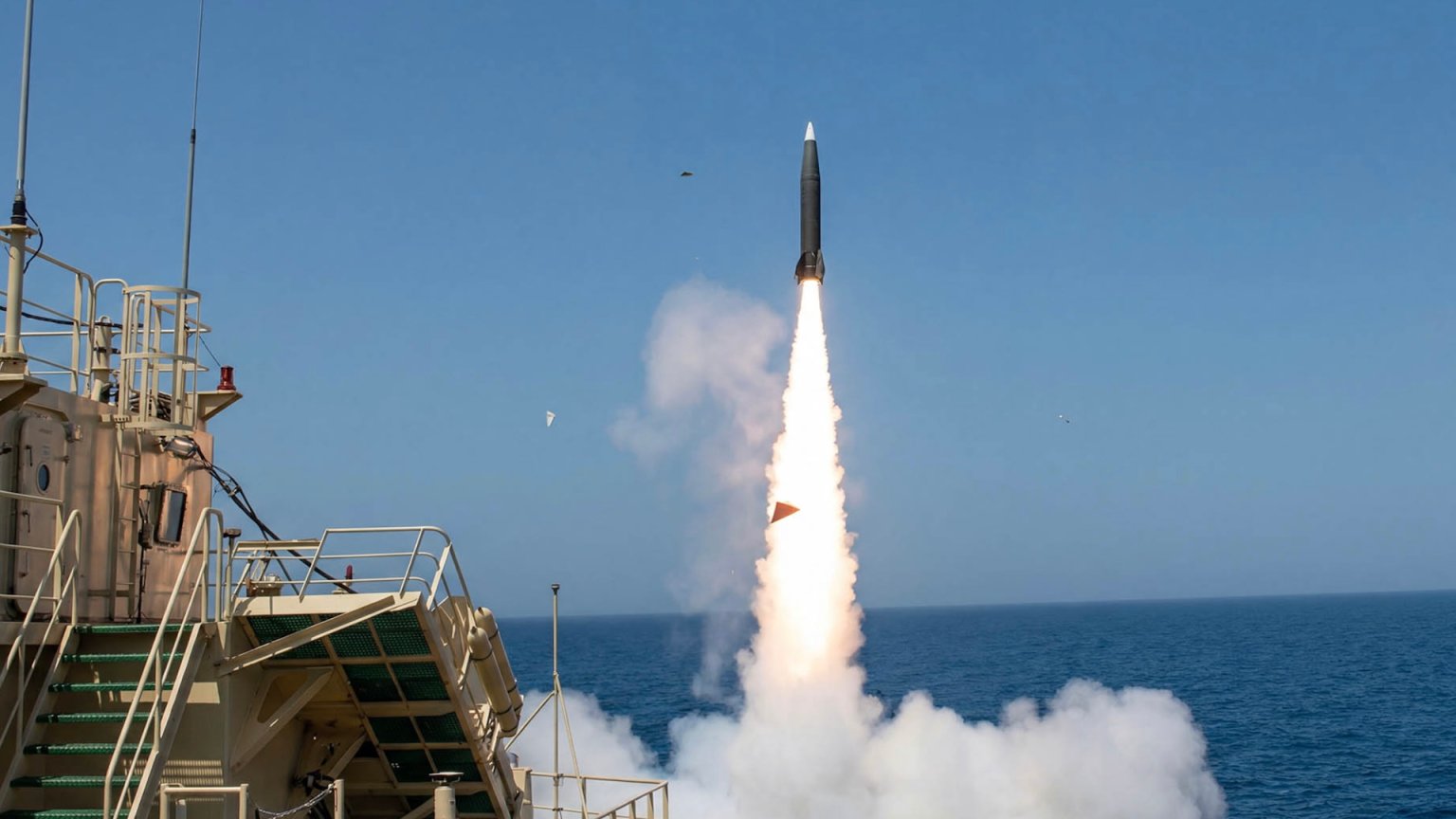
Германы тэнгисийн цэргийн хүчин F125 ангиллын хөлөг онгоцноос Израилын үйлдвэрлэлийн LORA баллистик пуужинг амжилттай харваж, алсын зайн цохилт өгөх чадавхаа туршсан байна.
Германы Тэнгисийн цэргийн хүчин Хойд Атлантын далайд “Sachsen-Anhalt” хөлөг онгоцны тавцангаас LORA (Long-Range Artillery) баллистик пуужингийн хоёр нэгжийг харважээ. Энэхүү туршилтыг Бундесверийн үйл ажиллагааны туршилтын (OPEX) хөтөлбөрийн хүрээнд зохион байгуулсан бөгөөд пуужингууд төлөвлөсөн замаар нисэж, байг өндөр нарийвчлалтайгаар оносон болохыг Израилын Аэрокосмийн үйлдвэр (IAI) баталсан байна.
Германы Тэнгисийн цэргийн командлалын мэдээлснээр, уг туршилт нь далай тэнгисийн хамгаалалт болон цэргийн бэлэн байдлын шинэ үе шатыг нээж буй чухал үйл явдал болжээ. LORA пуужин нь ойролцоогоор 60-270 милийн тусгалтай бөгөөд квази-баллистик траектороор нисдэг тул ердийн далавчит пуужингаас илүү хурдан, кинетик энерги өндөртэй цохилт өгөх чадвартай юм.
Одоогийн байдлаар F125 ангиллын хөлөг онгоцнуудын нислэгийн тавцан дээр пуужин хөөргөх төхөөрөмжийг байрлуулах нь хөлгийн үндсэн үүрэгт саад учруулж байгаа тул энэ нь зөвхөн туршилтын шинжтэй хэвээр байна. Гэсэн хэдий ч Герман улс НАТО-гийн бүтцийн хүрээнд алсын зайн нарийвчлалтай цохилт өгөх чадвараа нэмэгдүүлэхийг зорьж байгаа тул ирээдүйн F127 ангиллын хөлөг онгоц болон алсын удирдлагатай пуужин тээгч хөлгүүдэд энэ системийг нэвтрүүлэх боломжийг судалж байна.
Дэлгэрэнгүйг эх сурвалжаас харах
Эх сурвалжийг нээх ↓
The German Navy has demonstrated the launch of Israel Aerospace Industries’ (IAI) LORA ballistic missile from an F125 frigate, with at least two missiles fired from the Sachsen-Anhalt during a test in the North Atlantic last night. The demonstration points to a potentially significant new long-range strike capability for Germany’s surface fleet, should it be adopted.
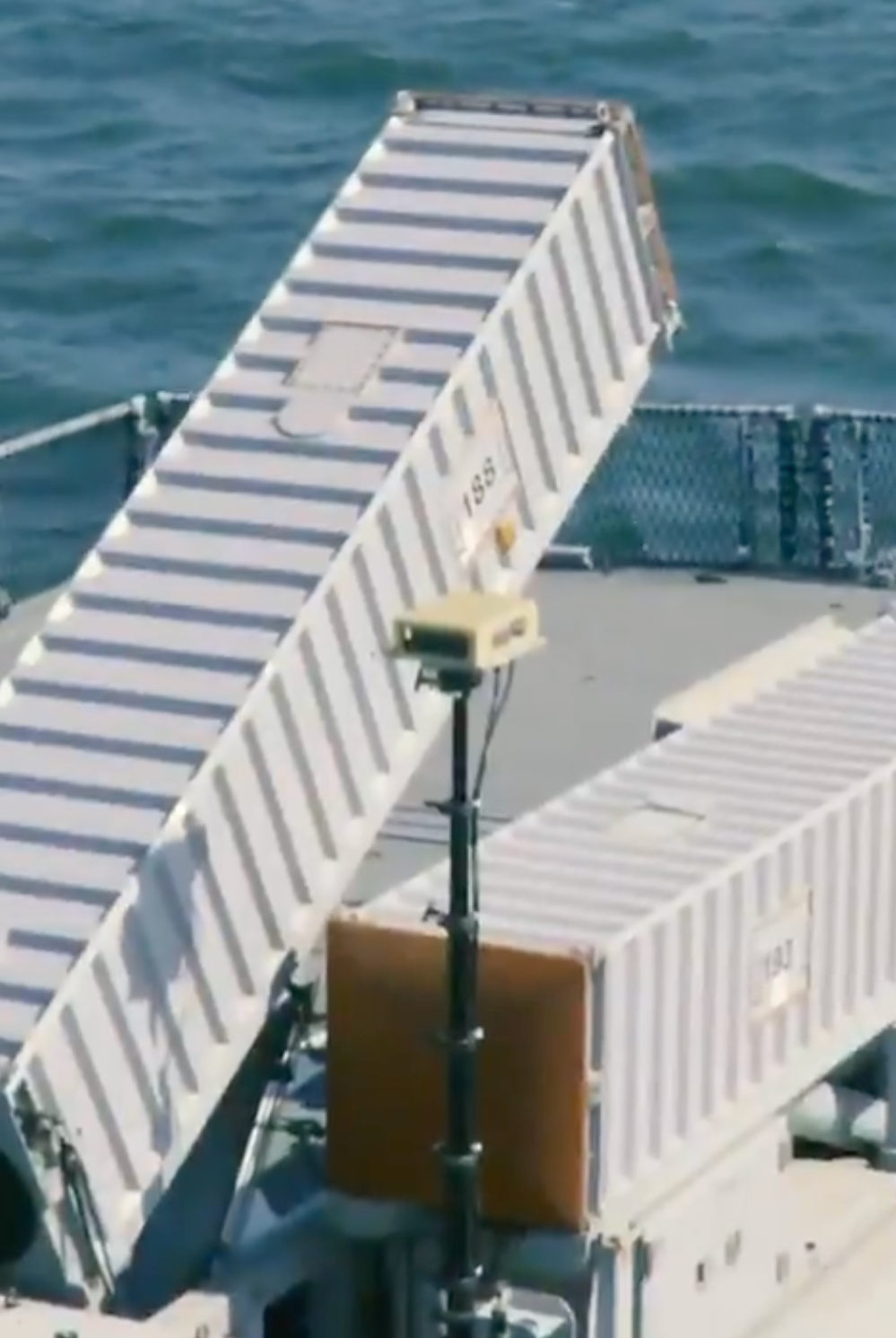
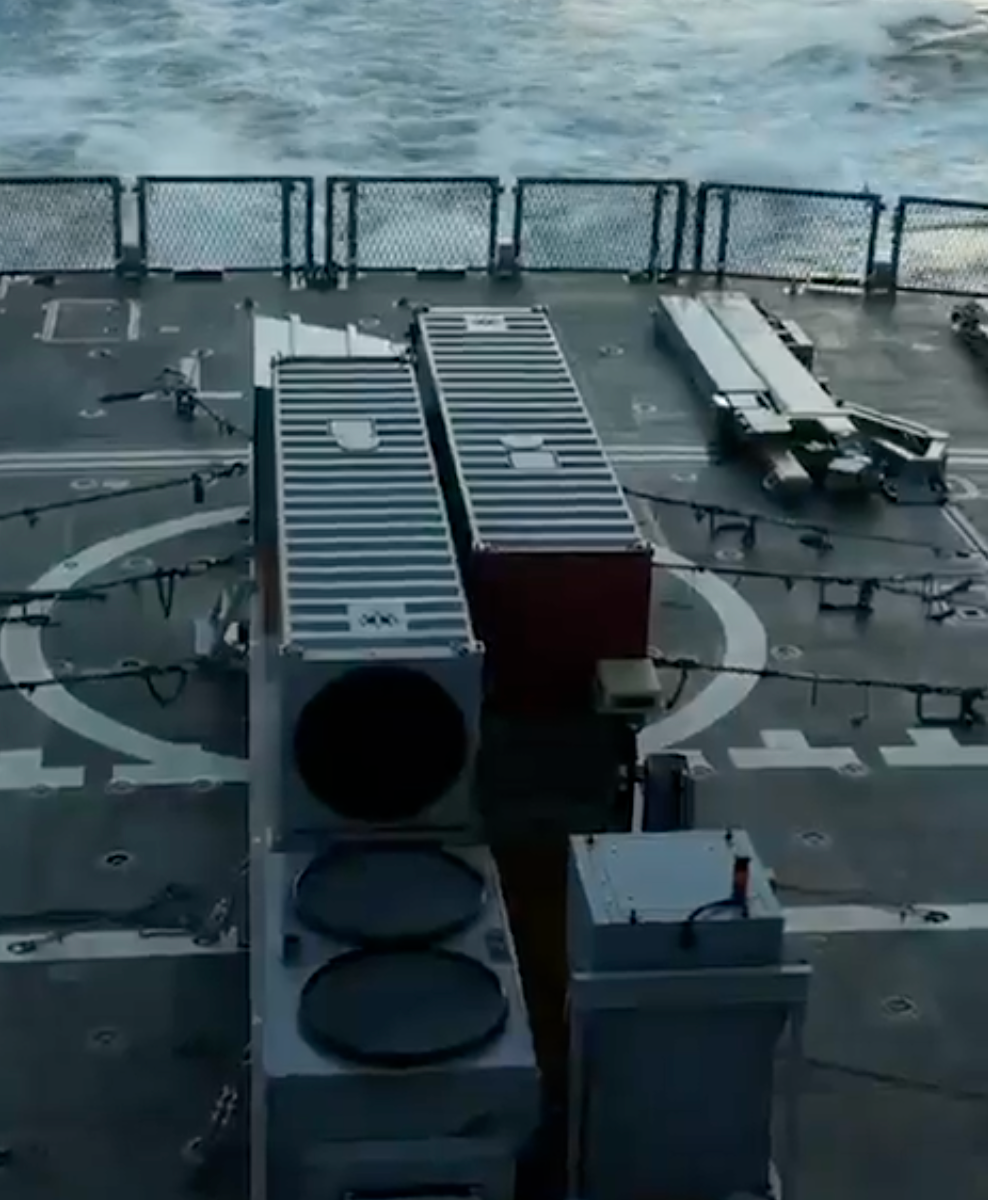
Video released by the German Ministry of Defense alongside the test shows two LORA launch canisters positioned on the frigate’s flight deck, followed by a missile launching from each container.
Die Fregatte „Sachsen-Anhalt” (Klasse 125) hat im Nordatlantik mindestens zwei ballistische Raketen vom Typ LORA (IAI) verschossen – gestartet aus Kanistern auf dem Flugdeck. Die Erprobung erfolgte im Rahmen der OPEX-Serie.
Video: Deutsche Marine pic.twitter.com/eV3yzjrcgg
— Clemens Speer (@clemens_speer) September 2, 2026
The launches were conducted as part of the Bundeswehr’s operational experimentation (OPEX) program in cooperation with the Bundeswehr Innovation Center in Erding. Reportedly, two German frigates were deployed to the waters between Ireland and Iceland for the test, and a warning was issued to maritime and air traffic 45 days beforehand.
The test marks a notable expansion of the weapons capabilities demonstrated by Germany’s F125 frigates and could provide a pathway toward a new long-range naval strike capability.
German Navy Inspector General Vice Adm. Jan Christian Kaack described the event in a statement distributed through the Bundeswehr’s official WhatsApp channel:
“With the successful launch of a ballistic missile last night in the North Atlantic, we have made naval history. I am extremely pleased with this achievement. The system can be successfully deployed by our units, and its potential range exceeds anything we have seen before. For the protection of Germany and our allies, this test marks a new chapter in deterrence and defense readiness at sea.”
IAI also confirmed the results of the test, stating that both missiles followed their planned trajectories and struck their targets with high precision.
The exact targets, engagement ranges, flight profiles, and missile configurations used during the test have not been disclosed.
There is no possibility that Sachsen-Anhalt will retain the launchers in their current location, since they mean the F125’s flight deck cannot be used, depriving it of a critical capability. Potentially, they could be installed elsewhere on the vessel, but, moreover, it is unclear if the current experiment will lead to a formal acquisition program.
At the same time, LORA is a substantially different weapon from the anti-ship and land attack cruise missiles normally associated with modern surface combatants.
Available for ship- and ground-launch, the missile is approximately 17 feet long, 25 inches in diameter, and weighs around 3,500 pounds. It follows a quasi-ballistic trajectory and has an officially stated range of approximately 60 to 270 miles. An air-launched derivative has also been developed.
A weapon capable of reaching targets hundreds of miles away would give German surface combatants a long-range strike option extending far beyond the range of traditional naval guns and many shorter-range precision weapons.
Its quasi-ballistic flight profile also differentiates LORA from a conventional cruise missile. A ballistic-style trajectory allows the weapon to cover distance rapidly and presents an air-defense challenge different from that posed by a low-flying cruise missile. This type of missile also impacts its target with much greater kinetic energy, making it especially useful for sstriking more hardened target sets.
LORA uses a navigation architecture combining GNSS satellite navigation with an inertial navigation system and can achieve a circular error probable, or CEP, of approximately 33 feet. IAI also says LORA can be launched within minutes, including from unprepared positions, and can attack a target within its range in less than 10 minutes after a decision to launch.
Back in 2017, as you can read about here, IAI successfully test-fired LORA from a containerized launcher on the back of a truck sitting on the deck of a cargo ship.The missile successfully struck a target on land.
What is less clear is its ability to strike targets at sea.
A long-range anti-surface application would be particularly interesting for the German Navy, although the weapon, in its basic form, has no terminal seeker. This limits the missile to use against targets with a fixed location, rather than autonomously finding and tracking a maneuvering warship during the terminal phase of flight.
In a 2020 test, IAI demonstrated firing two LORA missiles from a ship before hitting separate floating targets at approximately 60 miles and 250 miles. However, striking a static floating target is different from an enemy warship that is maneuvering and potentially employing electronic warfare and air defenses.
Regardless, Germany has an even clearer requirement for land attack capabilities, which LORA is fully capable of fulfilling, as we will return to later.
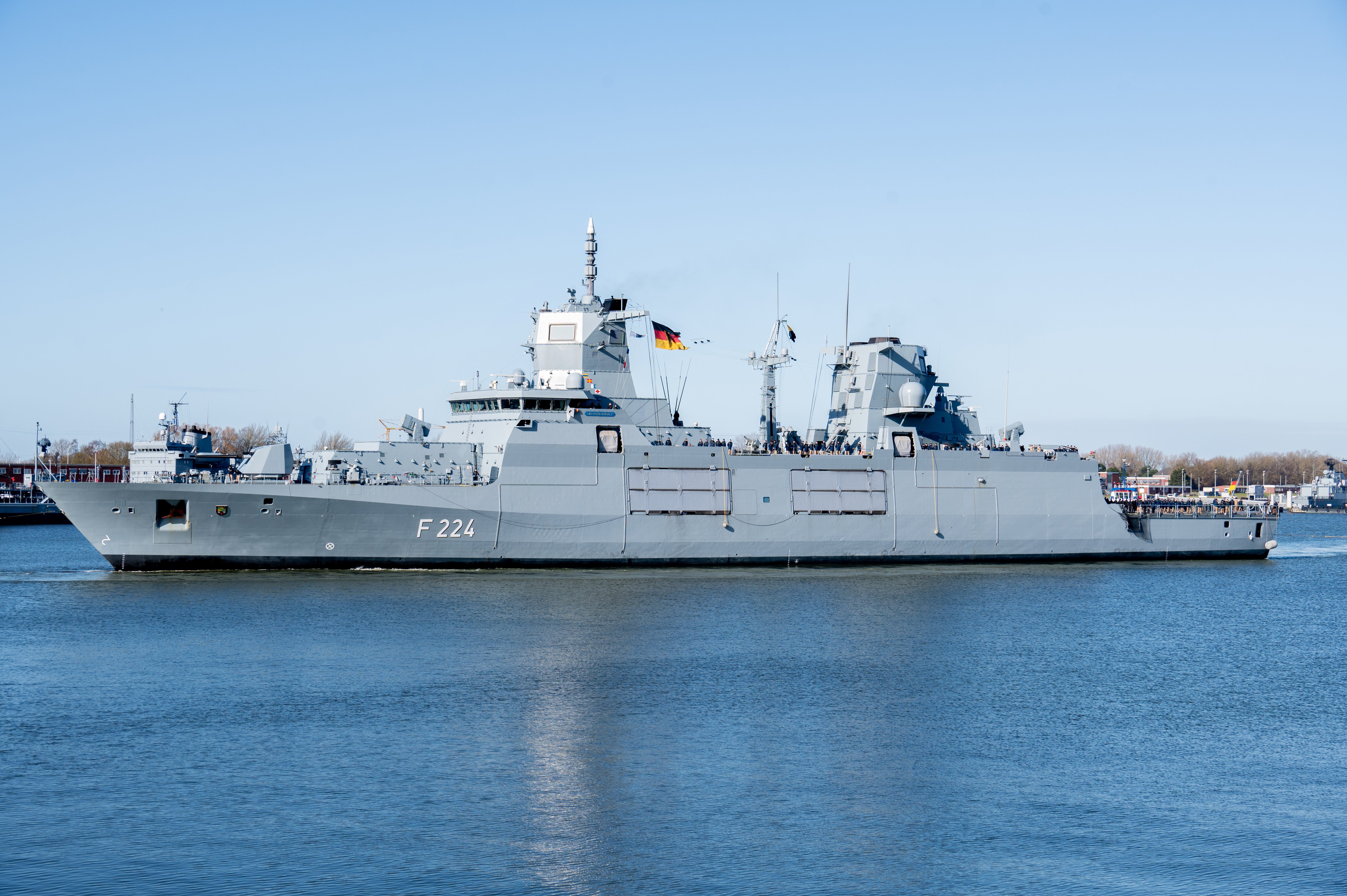
As for Germany’s F125 frigates, these were designed primarily for long-duration deployments, maritime security, stabilization operations, and other missions requiring a persistent naval presence. Their overall lack of firepower is something we have examined in detail before now.
The latest test involving the Sachsen-Anhalt is in line with the Bundeswehr’s OPEX framework, which is intended to evaluate emerging technologies and operational concepts under realistic conditions before decisions are made about wider adoption.
There is precedent for such experimentation leading to operational capabilities. Israeli-developed systems, including IAI’s Blue Whale autonomous underwater vehicle, have previously been evaluated through German naval experimentation efforts and subsequently moved toward formal adoption.
As well as the four F125 hulls, Germany might look to incorporate LORA from the start on its future F127 multi-purpose frigates and/or its planned Large Remote Missile Vessels (LRMV), uncrewed vessels that will serve asarsenal ship‘wingmen,’ supporting conventional surface combatants.
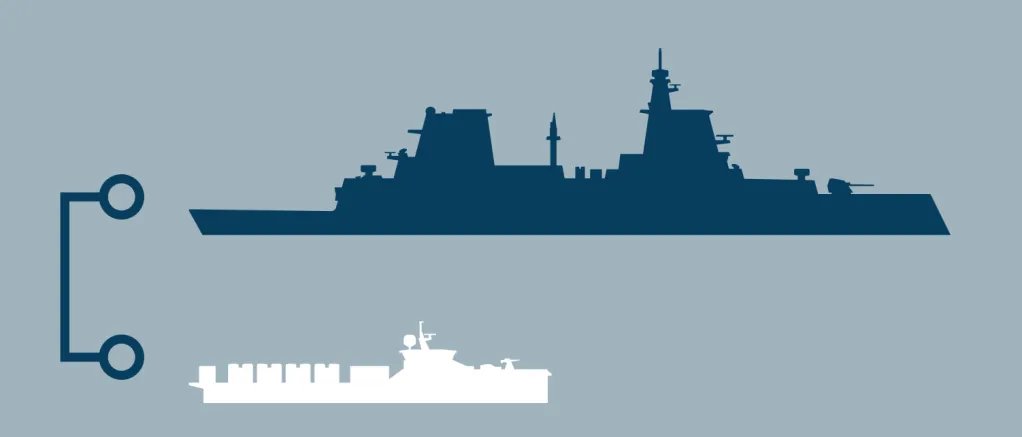
It is worth noting that Germany has recently acquired various other Israeli-made missile and rocket systems. These include the Arrow 3 anti-ballistic missile system — the largest-ever Israeli defense export deal — and the PULS multiple rocket launcher. A German purchase of the land-based version of LORA would also be an option, with the truck-mounted system also able to be launched from ships at sea.
Meanwhile, Germany is a major provider of weapons systems to Israel, among them its most powerful surface combatants and submarines.
The LORA test also reflects a broader European push toward longer-range precision fires.
Russia’s war in Ukraine has underscored the importance of ballistic and cruise missiles, while NATO countries have increasingly sought weapons capable of holding targets at greater distances at risk.
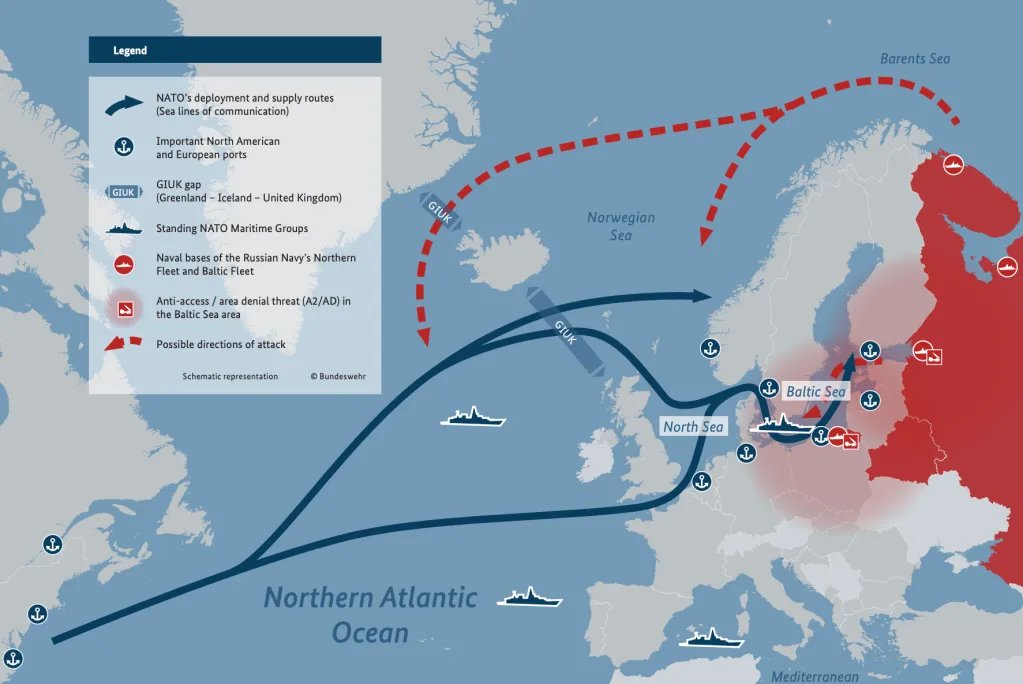
Germany has historically possessed comparatively limited deep-strike capability. The Bundeswehr is now working to expand its ability to conduct long-range precision engagement, both independently and within NATO structures. This includes planned procurement of land-based Tomahawk cruise missiles, with a range exceeding 1,000 miles depending on the exact configuration.
A naval LORA capability could add another layer to that effort and would allow Germany to distribute long-range fires across surface combatants, complicating an adversary’s targeting problem while giving its naval forces a more meaningful role in high-end combat operations. With the security situation in Europe deteriorating, the potential deterrence factor that such a weapon would bring to Germany, and to NATO, should also not be underestimated.
Contact the author: thomas@thewarzone.com
The post Israeli LORA Ballistic Missiles Fired From German Frigate appeared first on TWZ.

