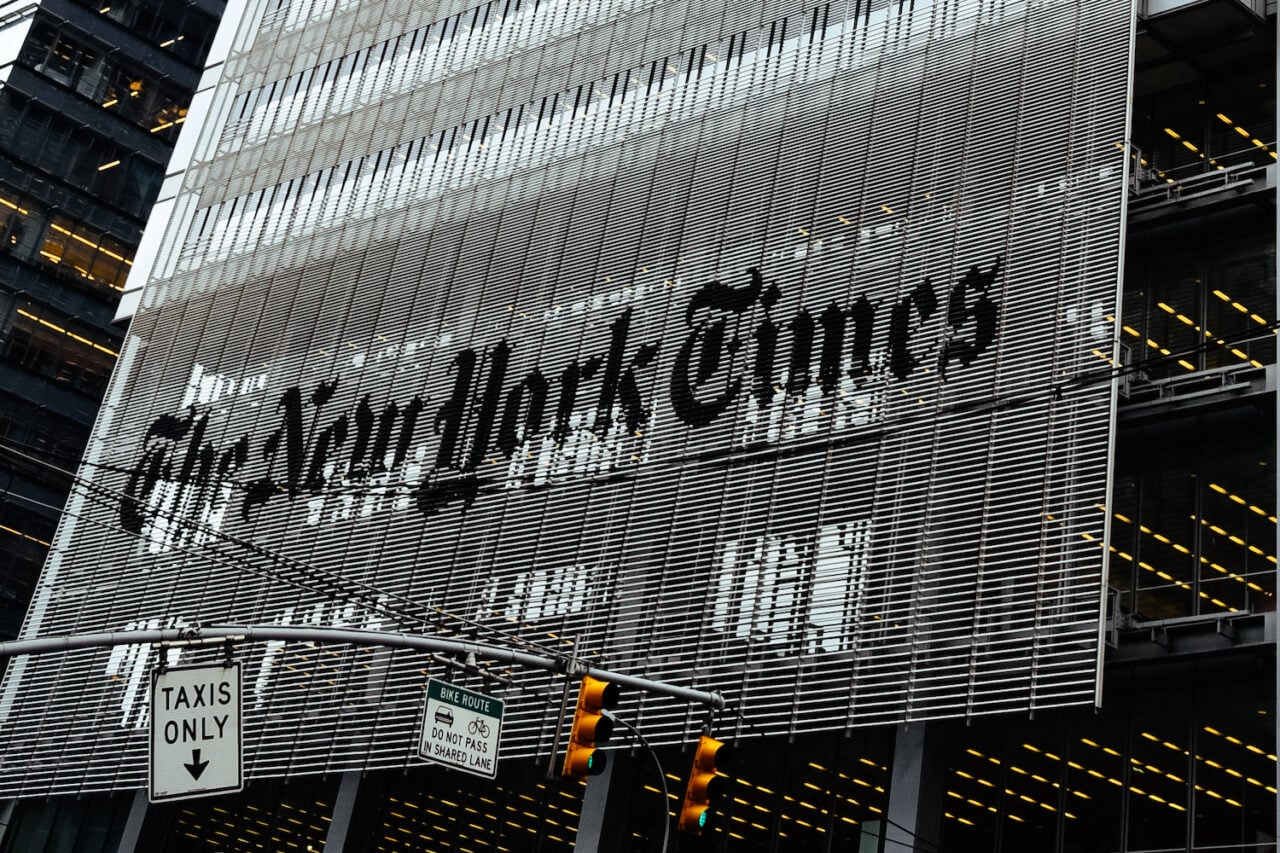
АНУ-ын Хууль зүйн яам OpenAI болон The New York Times сонины хоорондын зохиогчийн эрхийн маргаанд хөндлөнгийн байр суурь илэрхийлж, хиймэл оюун ухааныг хөгжүүлэх нь үндэсний аюулгүй байдалд чухал болохыг онцоллоо.
Мягмар гарагт шүүхэд хүргүүлсэн албан ёсны баримт бичигт АНУ-ын Хууль зүйн яам хиймэл оюун ухааны загваруудыг сургахад зохиогчийн эрхээр хамгаалагдсан бүтээлийг ашиглах нь “шударга ашиглалт” (fair use) гэж үзэж буйгаа илэрхийлжээ. Тус яамны үзэж байгаагаар, хиймэл оюун ухааныг дотооддоо хөгжүүлэх явдлыг хязгаарлах нь АНУ-ыг гадаадын өрсөлдөгчдийн эсрэг сул талтай болгож болзошгүй юм. Энэ нь АНУ-ын засгийн газар хиймэл оюун ухааны салбарт үүсээд буй зохиогчийн эрхийн олон арван шүүх хурлын аль нэгэнд шууд оролцож буй анхны тохиолдол болж байна.
The New York Times 2023 онд OpenAI болон Microsoft компаниудыг сая сая нийтлэлийг зөвшөөрөлгүйгээр ашиглаж, ChatGPT загвараа сургасан хэмээн шүүхэд өгсөн. Харин Трампын засаг захиргаа хиймэл оюун ухааныг сургах үйл явцыг “онцгой хувиргах шинж чанартай” хэмээн тодорхойлж, сургалтын явц болон AI-ийн гаргаж буй үр дүнг тусад нь авч үзэх ёстой гэсэн байр суурийг баримталж байна.
Энэхүү алхам нь Трампын засаг захиргааны хиймэл оюун ухааныг хөгжүүлэх бодлоготой нийцэж байгаа юм. Үүний эсрэг The New York Times сонины төлөөлөгчид хиймэл оюун ухааны компаниуд бүтээгчдийн хөдөлмөрийг зохих ёсоор үнэлж, төлбөр төлөх ёстой гэж мэдэгдсэн байна. OpenAI тал одоогоор уг асуудалд албан ёсны тайлбар өгөөгүй байна.
Дэлгэрэнгүйг эх сурвалжаас харах
↓Эх сурвалжийг нээх ↓
Donald Trump and OpenAI have found a common enemy.
Trump’s Department of Justice filed a statement of interest Tuesday in OpenAI’s ongoing copyright fight with The New York Times, arguing that the U.S. has a “strong interest in the question whether training AI models on written works constitutes ‘fair use’ under copyright law.”
The brief also argues that the effective integration of AI is “critical for U.S. national security capabilities” and warns that making it harder to develop AI in the U.S. could give foreign rivals an advantage.
While the brief is non-binding, it gives the court the Justice Department’s interpretation of the copyright issues at the center of the case. Reuters reports that it appears to be the first time the U.S. government has directly weighed in on the dozens of copyright lawsuits against the AI industry.
The New York Times first sued OpenAI and Microsoft in 2023, accusing the companies of violating copyright law by using millions of its articles without permission to train their AI models. The lawsuit also alleges that ChatGPT sometimes reproduces long portions of the newspaper’s articles verbatim.
Meanwhile, OpenAI has argued that its use of copyrighted works for training is protected by fair use because the process transforms the material.
In Tuesday’s brief, the Trump administration largely backed that argument, calling AI training “extraordinarily” transformative. It also argued that potential copyright violations in what an AI model generates should be considered separately from whether the training itself is fair use.
The brief states “whatever legal questions certain output uses might raise, that should not bear on the transformative nature (or any other aspect) of the training use.”
The Trump administration’s involvement in the case isn’t totally surprising. During his second term, Trump has been very AI-friendly and signed numerous executive orders aimed at accelerating AI development. The DOJ brief itself repeatedly ties AI to national security.
“@POTUS has made clear that AI dominance is critical to promote national security, prosperity, and economic mobility for all Americans,” wrote U.S. Associate Attorney General Stanley Woodward, one of the brief’s signatories, in a post on X. “This Administration will never let our Nation be at a disadvantage relative to our foreign adversaries based on a plainly incorrect understanding of copyright law.”
Of course, Donald Trump himself also has a long history of hating The New York Times and its coverage of his administration.
The New York Times, for its part, is making the case for a middle ground in which AI companies can continue developing their models while compensating creators whose work they use for training.
“The Administration is siding with a handful of trillion-dollar AI companies at the expense of the countless American creators whose work they stole. Both AI and creators can thrive – AI companies simply need to pay fairly for the content that makes their products possible, as copyright law requires,” a spokesperson told Gizmodo in an emailed statement. “The Administration’s proposal to let companies take that content without permission or compensation would undermine the sustainability of the human-created content that a healthy society depends on, and which AI needs to function.”
OpenAI did not immediately respond to a request for comment.

