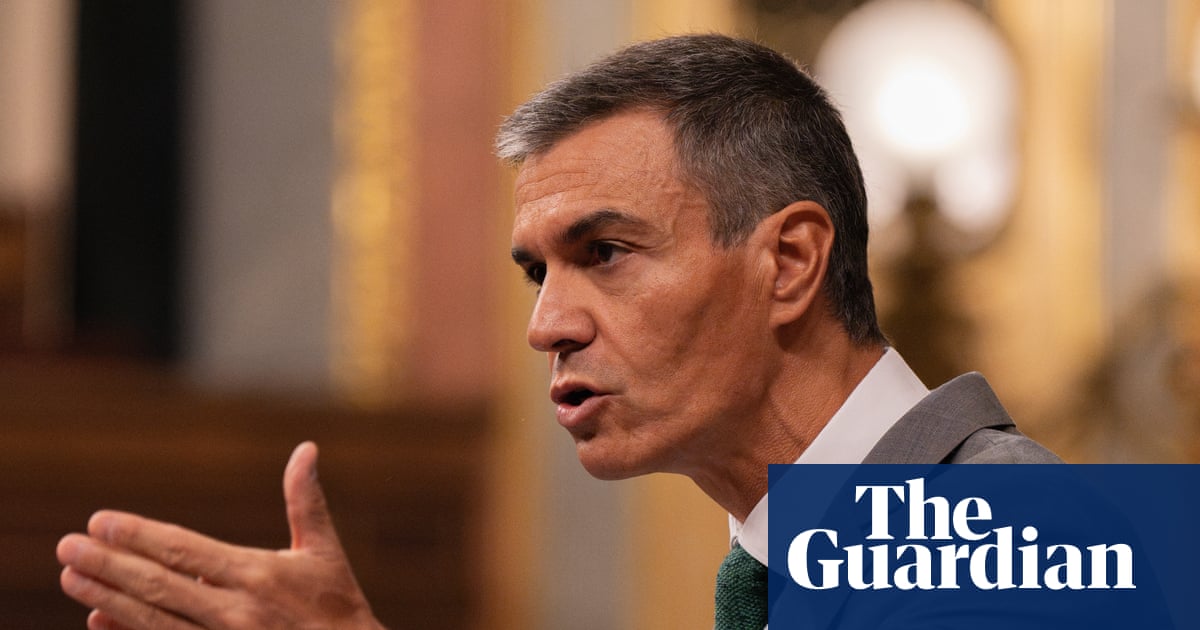
Испанийн Засгийн газрын тэргүүн Педро Санчес хилийн бүсэд гарсан хямралын асуудлаар Марокко улсыг буруутгах үндэслэл байхгүй хэмээн парламентад илтгэлээ.
Испанийн Ерөнхий сайд Педро Санчес долдугаар сарын сүүлээр Сеута хотын хилийг 70 мянга орчим хүн зөрчин орж ирсэн хэрэгт Марокко улс оролцсон, эсвэл төлөвлөсөн гэх ямар ч баримт нотолгоо байхгүй гэдгийг мэдэгдэв. Тэрээр Европын комисс болон олон улсын байгууллагуудаас энэ хэргийг Марокко улстай холбоотой гэх нотлох баримт ирээгүйг онцолсон байна. Хэдийгээр долдугаар сарын 30-нд Мароккогийн хүчнийхэн хил нэвтрэхийг зөвшөөрсөн 10 цагийн хугацаа байсныг тэрээр хүлээн зөвшөөрсөн боловч үүнийг улсын хэмжээний төлөвлөгөөт үйл ажиллагаа гэж үзэхгүй байгаагаа илэрхийлжээ.
Энэхүү үйл явдлын улмаас 141 орчим хүн амиа алдсан байж болзошгүй гэсэн тооцоо гарч, улс төрийн хямрал, хүмүүнлэгийн нөхцөл байдлыг үүсгээд байна. Одоогийн байдлаар хил нэвтэрсэн хүмүүсийн 90 хувь нь Марокко руу буцсан ч хэдэн мянган хүн, түүний дотор 500 гаруй насанд хүрээгүй иргэн Испанийн нутаг дэвсгэрт үлджээ. Засгийн газар тэдгээр иргэдийг хуулийн дагуу бие даасан байдлаар хүлээн авч, зохих нөхцөлөөр хангах шаардлагатай гэж үзэж байгаа юм.
Мароккогийн албаны хүмүүс хил нэвтрэхэд тусалсан гэх мэдээллийг няцааж байгаа бөгөөд Испанийн сөрөг хүчин Ерөнхий сайдыг энэ асуудалд хариуцлагагүй хандсан хэмээн шүүмжилж байна. Педро Санчес Европын орнуудыг энэхүү хямралын үед эв санааны нэгдэл үзүүлэхийг уриалж, Сеута хотын нөхцөл байдлыг тогтворжуулахын тулд үргэлжлүүлэн ажиллахаа мэдэгдлээ. Түүнчлэн Мароккогийн сайд нарын Сеута болон Мелилла хотуудын бүрэн эрхт байдлын талаарх мэдэгдлүүдтэй холбогдуулан Испани улс өнгөрсөн наймдугаар сарын 21-нд тус улсын Элчин сайдыг дуудан уулзсан байна.
Дэлгэрэнгүйг эх сурвалжаас харах
↓Эх сурвалжийг нээх ↓
Spain has seen no evidence “whatsoever” that Morocco planned or facilitated a mass border breach into its north African enclave of Ceuta, the Spanish prime minister, Pedro Sánchez, has told parliament.
The address on Thursday followed the emergence of a police report, commissioned by a judge and widely quoted in the media, claiming Moroccan border forces had actively aided about 70,000 people to cross the border in late July.
“I can assure you that no institution – not the diplomatic service, nor the European Commission, nor any international body – has provided the Spanish government with any solid evidence that Morocco planned or carried out the incident. None whatsoever,” Sánchez told parliament.
Speaking the morning after about 50,000 people marched in Madrid to protest his handling of the Ceuta crisis, the socialist prime minister also denied the government had received any warning of the mass breach, saying no reports to authorities had anticipated “the scale or probability of what eventually happened”.
Sánchez has repeatedly defended Morocco during the crisis, highlighting Rabat’s cooperation in returning most of the migrants in the days after the surge.
But he said on Thursday that Spain had summoned Morocco’s ambassador on 21 August because of “unacceptable statements” made by two ministers over Ceuta and Melilla, Spain’s other North African enclave. Last month, Morocco’s justice minister, Abdellatif Ouahbi, publicly reiterated Rabat’s sovereignty claims over the cities.
Sánchez said he had “for now” ruled out Moroccan government involvement but conceded that Moroccan forces had allowed crossings to occur during a key 10-hour period on 30 July.
Many of those who crossed said in interviews they had been actively encouraged to do so. Moroccan officials have denied enabling the crossing.
Alberto Núñez Feijóo, leader of the conservative People’s party, called on Sánchez to resign for his “incompetence and complicity”.
In response to Sánchez summoning the Moroccan ambassador to discuss the crisis, Santiago Abascal, leader of the far-right Vox party, said: “Morocco doesn’t need an ambassador in Spain- you are its ambassador.”
As many as 141 people are thought to have died trying to enter Ceuta at the end of July. The influx unleashed a political crisis, a humanitarian emergency and reignited tensions within the EU over immigration.
On Thursday, Sánchez appealed for European solidarity over the crisis. He did not single out any countries by name but, in a pointed passage apparently aimed at Italy and Denmark, the two countries that had led public criticism of Spain, said the principle of solidarity should apply to Ceuta as much as it applies to Greenland and Lampedusa.
Although 90% of the people had returned to Morocco within 24 hours, several thousand, including at least 500 minors, are thought to remain, either living on the street or in makeshift shelters.
Amid calls from Vox to return them to Morocco, Sánchez reminded parliament that under Spanish, European and international law migrants had a right to be treated as individuals.
“You can’t just grab someone by the arm and drag them across the frontier as though they were a sack of dirt,” he told MPs.
In reference to the hundreds of destitute minors, Aina Vidal of the leftwing group Sumar, said: “They’re children, not invaders, not soldiers. They didn’t come carrying bombs, they arrived wearing water wings, in tears.”
It seems likely the government will invest in facilities in Ceuta to accommodate the remaining migrants rather than risk the political backlash both in Spain and across Europe were they to bring them to the mainland.
There is also evidence that, faced with hunger as well as hostility from many local people, some migrants have already begun going back to Morocco.
However, as Sánchez told parliament, the per capita income of Ceuta is eight times that of Morocco and “even if we build a wall 100 metres high there will still be people prepared to throw themselves into the sea to get across”.
“We will not stop working until Ceuta emerges from this difficult situation: stronger, more prosperous, and more integrated with the rest of Spain and the EU,” he added.
Additional reporting by Jakub Krupa

