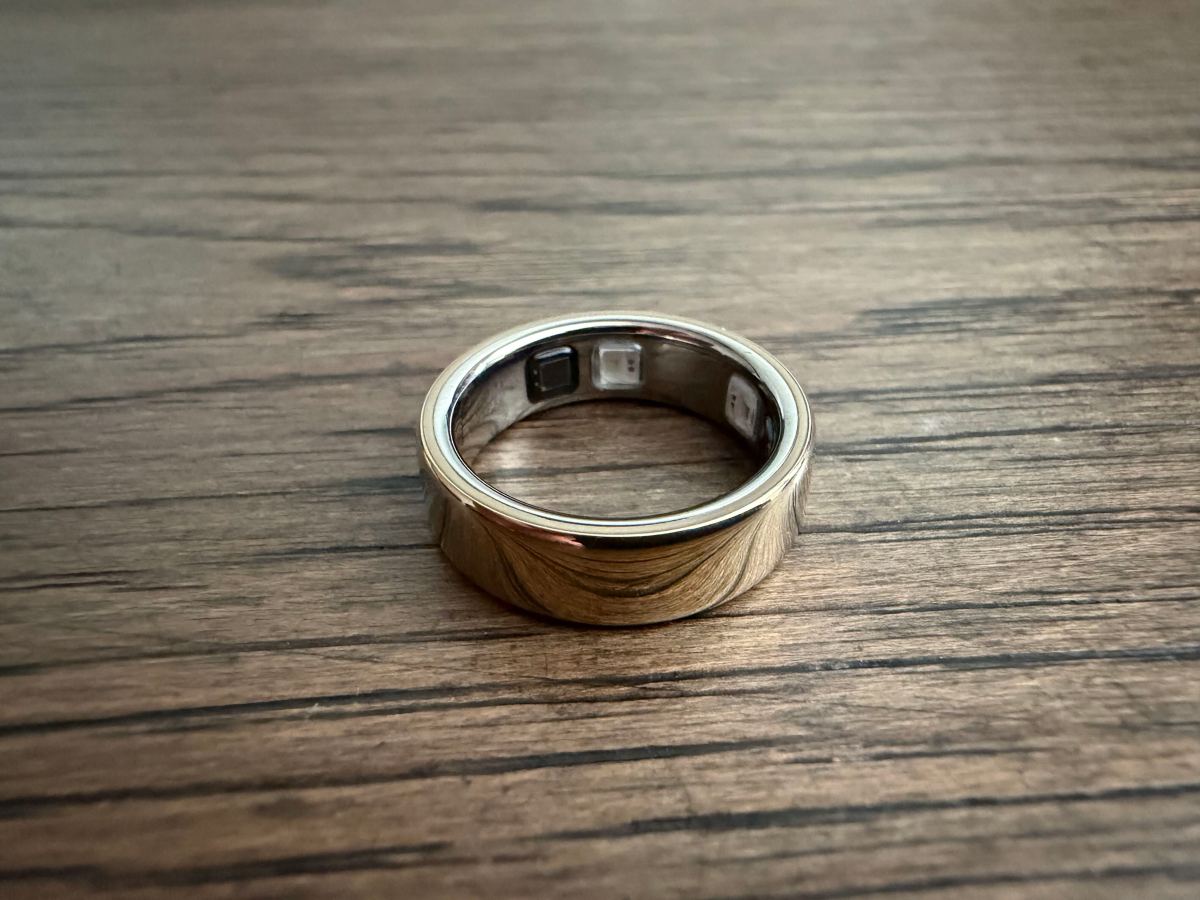
Финландын технологийн стартап нь 16 тэрбум ам.долларын үнэлгээтэйгээр IPO хийхээр төлөвлөж байна
Ухаалаг бөгж үйлдвэрлэгч Oura компани Үнэт цаас, биржийн хороонд (SEC) албан ёсоор хүсэлт гаргаж, хувьцаагаа олон нийтэд нээлттэй арилжаалах үйл явцыг эхлүүллээ. Тус компанийн орлого өнгөрсөн оны зургаадугаар сарын 30-нд дууссан есөн сарын хугацаанд 697 сая ам.доллар байсан бол энэ жил 1.2 тэрбум ам.доллар болж огцом өссөн байна. Компани 2024 онд 500 сая, 2025 онд 1 тэрбум ам.долларын орлого олсон бөгөөд энэ онд 2 тэрбум ам.долларт хүргэх төлөвтэй байгаагаа мэдэгджээ.
Тус компани сүүлийн нэг жилийн хугацаанд 3.6 сая ширхэг бөгж борлуулж, нийт 5 сая орчим төлбөртэй гишүүнчлэлтэй болсон байна. Хэрэглэгчид 350-400 ам.долларын үнэтэй уг төхөөрөмжийг ашиглан бодисын солилцоо, зүрхний цохилт, стресс болон нойрны хэмнэлийг хянах боломжтой. Oura нь гишүүнчлэлийн 12 сарын хугацаанд үйлчлүүлэгчдийн үнэнч байдлын түвшин 85 орчим хувьтай байгааг онцолжээ.
Oura нь цуглуулсан биометрийн өгөгдлөө хиймэл оюун ухаан (AI) болон машин сургалтын загваруудыг хөгжүүлэхэд ашиглаж байна. Одоогоор тус компани 42 тэрбум цагийн физиологийн өгөгдөл бүхий мэдээллийн сантай бөгөөд энэ нь хэрэглэгчийн эрүүл мэндийн хэв маягийг илүү нарийвчлалтай урьдчилан таамаглах боломжийг бүрдүүлдэг гэж үзэж байна.
Гэсэн хэдий ч тус компани нойрны хяналтын нарийвчлалын талаар хэрэглэгчдийг төөрөгдүүлсэн гэх үндэслэлээр шүүхийн маргаанд ороод байна. Шүүхэд гаргасан гомдолд Oura-гийн бөгж нь нойрны үе шатыг тодорхойлох бодит дохиог хэмжих чадваргүй бөгөөд AI-д суурилсан таамаглал нь санамсаргүй үр дүн өгөх эрсдэлтэй гэж дурджээ. Oura компани эдгээр буруутгалыг эсэргүүцэж, хуулийн хүрээнд өөрийгөө хамгаалах байр суурьтай байна.
Дэлгэрэнгүйг эх сурвалжаас харах
↓Эх сурвалжийг нээх ↓
Oura, the smart ring maker, has filed to go public.
The filing with the Securities and Exchange Commission on Thursday shows that Oura’s revenue has jumped substantially in the past year. The company went from $697 million in revenue during the nine-month period that ended June 30 last year to $1.2 billion during the corresponding period this year.
The company has said previously said publicly that it generated $500 million in revenue in 2024, roughly $1 billion in 2025, and that it expected to generate close to $2 billion in revenue this year.
The company says it has sold 3.6 million rings over the past year, and that it currently has approximately 5 million paid members — that is, users who subscribe to its service for broader health metrics. The filing also says that Oura has an approximately 85% weighted-average 12-month membership retention rate, meaning that roughly 85% of members who sign up in a given month are still subscribed a year later.
The company’s rings, which sell in the range of $350 to $400, are, at their most fundamental level, fitness trackers designed to measure a user’s biometrics — everything from metabolism and heart rate to stress levels and sleep patterns. Paired with an app, the ring and that software are marketed by Oura as an “always-on health intelligence platform.”
Late last month, it was reported that Oura was looking raise $3 billion during its expected public offering. The company, which was founded in Finland in 2013,confidentially filedfor an IPO in May. Bloomberg previously reported that the company is expected to seek a $16 billion valuation. In October of last year, it hadbeen valued at around $11 billion.
In its SEC filing, Oura outlines where it believes its audience can widen in the coming years. “We believe our opportunity extends beyond traditional wearable use cases centered on activity and fitness tracking,” it says. “We believe our platform can support significantly larger populations as we continue to expand access, build clinical evidence, and deepen integrations with health plans, employers, and care providers.”
Oura also notes how its trove of data is fueling new AI integrations. “We believe we have amassed one of the largest and highest-quality longitudinal biometric datasets in consumer health, tracking over 50 health and wellness metrics and representing nearly 42billion hours of physiological data,” it states. “This dataset powers our AI and machine-learning models, which decode complex physiological patterns and improve in accuracy, personalization, and predictive capability as member histories deepen.”
TechCrunch has reached out to Oura for more information.
The company, which now has offices throughout the world, including San Francisco, was recently hit with a proposed class action lawsuitaccusing it of misleading users about the accuracy of its sleep tracking capabilities. The suit alleges Oura’s rings can’t actually detect the physiological signals needed to determine sleep stages, and instead rely on AI-generated estimates that the complaint describes as little more reliable than a coin flip. The litigation follows years of online complaints from users who said that Oura consistently rated their sleep as optimal when, in fact, it was not.
The company has disputed the allegations and previously told TechCrunch it will “defend against” the claims in the “appropriate legal forum.”
When you purchase through links in our articles, we may earn a small commission. This doesn’t affect our editorial independence.

