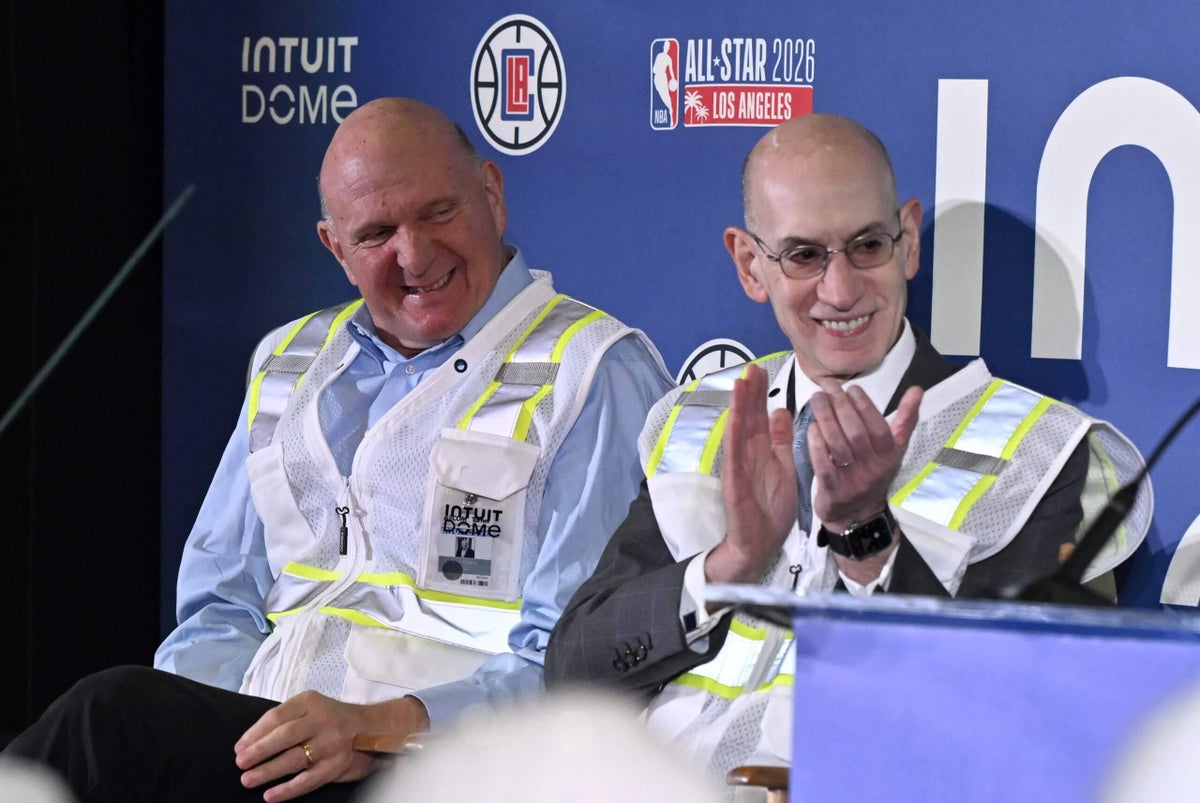
Лигийн дүрэм зөрчиж тоглогчдоо зөвшөөрөгдөөгүй орлого олох боломжоор хангасан Лос Анжелес Клипперс багийн эзэн Стив Балмерт NBA-ээс 30 сая долларын торгууль, нэг жилийн эрх хасах болон драфтын таван эрхээ алдах шийтгэл оногдууллаа.
Адам Силвер болон Стив Балмер нарын 2014 оноос хойш үргэлжилсэн хамтын ажиллагаа NBA-ийн лигт үлгэр жишээ харилцаа гэгддэг байсан ч Лхагва гарагт болсон үйл явдал энэхүү харилцааг эрс өөрчиллөө. NBA-ийн мөрдөн шалгах ажиллагаагаар Кавай Леонард Аспирэйшн компанитай байгуулсан гэрээгээр дамжуулан багийн зүгээс зөвшөөрөгдөөгүй санхүүгийн дэмжлэг авсан нь тогтоогдсон байна.
Энэхүү шийтгэл нь лигийн шударга өрсөлдөөнийг хамгаалах Адам Силверийн шийдвэр байв. Стив Балмер болон Лос Анжелес Клипперс багийн зүгээс мөрдөн байцаалтын дүгнэлтийг эрс үгүйсгэж байгаа нь хоёр талын хооронд ширүүн маргаан эхлэх эсэхийг шийдэх гол хүчин зүйл болоод байна.
Хэдийгээр Стив Балмерын хөрөнгөнд 30 сая долларын торгууль бага мэт санагдах ч багийн ирэх арван жилийн үйл ажиллагаанд нөлөөлөх драфтын эрхүүдээ алдсан нь Лос Анжелес Клипперс багт хүнд цохилт боллоо. Өөрийн бүтээсэн нэр хүндээ хамгаалах гэсэн Балмерын алхам нь NBA-ийн лигтэй сөргөлдөх эхлэл болох эрсдэлтэй байгааг шинжээчид онцолж байна.
Дэлгэрэнгүй эх сурвалжийг харах
Эх сурвалжийг нээх ↓
For almost a dozen years, Adam Silver and Steve Ballmer enjoyed a dream commissioner-owner relationship. Both assumed their roles in 2014, an NBA recruiting class of sorts: Silver rising from longtime lieutenant to David Stern’s replacement in February, Ballmer purchasing the LA Clippers for a then-record $2 billion in August. Immediately, they made each other look good, real good.
After Silver’s ban of Donald Sterling influenced the owner to sell the Clippers, Ballmer became more than the league’s wealthiest governor. He symbolized an ambitious new direction for a changing NBA. His arrival amounted to a stunning first impression for the Silver era, a goofy businessman with serious acumen determined to transform the saddest franchise and emerge from the Lakers’ immense shadow.
Six months into the partnership, Silver appeared on television with Charlie Rose and called Ballmer “the absolute perfect owner.” The measured Silver doesn’t throw verbal bouquets for effect. He meant it as a description, not flattery. For more than a decade, as Ballmer elevated the Clippers’ relevance, translated his tech entrepreneurial sense to the NBA and invested $2 billion in an Inglewood palace, it was hard to argue about how well he fit.
On Wednesday, Silver took a hammer to that relationship. He had to do it. He has a league to run. No BFFs allowed, just business.
The NBA commissioned an investigation into Kawhi Leonard’s arrangement with the now-bankrupt environmental company Aspiration, and it revealed more layers to what Pablo Torre has been reporting on his podcast for more than a year: There’s evidence to suggest the Clippers routed impermissible money to their franchise player, and deniability cannot shield Ballmer.
In response to the findings, Silver handed down a historic punishment intended to rattle an entire sports world built atop compliance and integrity. The harshest among a list of penalties longer than a CVS receipt: Five forfeited first-round draft picks, a $30 million fine and a yearlong suspension for an owner whose reputation deteriorated from perfect to rotten in record time.
The Kawhi Saga: What the NBA’s investigation into the Clippers revealed
Mike Vorkunov and Jeshua Kidd
The $30 million penalty against Ballmer’s estimated $150 billion net worth feels merely like a parking ticket given to the man who owns the meter. The loss of draft picks could ruin the organization for a decade, but there are ways to heal a roster.
What doesn’t heal so easily is perception. Ballmer built his NBA image as the anti-owner. A man too rich and too exuberant to care what anyone thought of him, a sophisticated hoophead bettering the game financially and emotionally. In an exclusive world, he could come across as an everyman.
He endeared himself to the public with his enthusiasm and unfiltered intensity. He’s the brilliant maniac, sweating profusely and leading chants, thrashing his arms wildly, crying and lip-syncing to “(I’ve Had) The Time Of My Life” during his farewell address as the Microsoft CEO. He’s the owner who opened a news conference introducing Leonard and Paul George in 2019 like a pro wrestler, shouting about how it was “pretty damn cool” before belting out “Wooooo!”
The 36-page report by Wachtell, Lipton, Rosen & Katz, the law firm the league hired to investigate the allegations of cap circumvention, didn’t just expose a scheme. It puts the perception of Ballmer as an adorable geek in jeopardy. As he fights to be seen again as simply an affluent superfan, he is at odds with Silver. How can he be the Clippers’ bombastic evangelist when the probe found that Ballmer “knowingly sought to help Mr. Leonard obtain off-court income opportunities?” And how can he continue to be the forward-thinking influencer of an NBA business model currently thriving because the league has wisely positioned itself at the intersection of basketball, media and technology?
This version of Ballmer, one accused of skirting fundamental salary-cap rules that keep the NBA honest, is an antagonist. Based on the Clippers’ aggressive statement in reaction to the punishment, he seems primed to become a litigious adversary. If Ballmer truly wants this fight, if he treats Silver’s ruling as a legal problem to wrestle into submission, he could become a greater villain than he already is. He also risks turning into a cautionary tale, the most disappointing kind of rich guy whose money bought him the benefit of the doubt for about 11 years until reckless ambition ruined a good run.
Why did the NBA’s investigation into the Clippers last so long?
The NBA’s competitive integrity depends on owners believing the rules also apply to them. Silver is too methodical to deliver this punishment without considerable support from the governors he technically serves. He didn’t go rogue. He has a mandate to protect the league.
If Ballmer chooses a prolonged, bitter feud, it would provide the biggest test yet of Silver’s leadership. His opponent would be the most significant ally of his first dozen years as the commissioner. In Ballmer, Silver would face a man who has never really had to back down from anything in his professional life.
Silver couldn’t have gone easy on Ballmer, even if some part of him wanted to, and he can’t lose his nerve now. Here’s the irony of it all: The very thing that made Ballmer a dream NBA owner — the money, the drive, the ingenuity — is the thing that makes leniency impossible. If the NBA lets the man with the fattest wallet in the room buy his way around the cap without severe repercussions, then all of a sudden, there is a price tag on cheating. And for even the least wealthy billionaire, it would be affordable.
To maintain order, Silver had to swing the hammer. It had to hurt. He had to show, as he said in a statement, that he was “deeply disappointed by the flagrant violations of our rules.” And he probably anticipated Ballmer and the Clippers would declare that they “vehemently reject” the investigation’s findings.
Strip away all the adverbs and posturing, and both statements leave the same conclusion. The idyllic Ballmer-Silver partnership is over. This isn’t 2014. They aren’t in this together anymore. Ballmer broke the trust, but even so, he seems convinced he should look at Silver with suspicion.
Silver opened his tenure by waving goodbye to Sterling, and all his toxicity, and welcoming an owner capable of wiping the shame off the Clippers’ organization. Twelve years later, he crushed that owner with a franchise-crippling punishment. For certain, it’s a deep wound. But it could also be a declaration of war.
It all depends on whether Ballmer considers Silver’s act discipline or betrayal.

