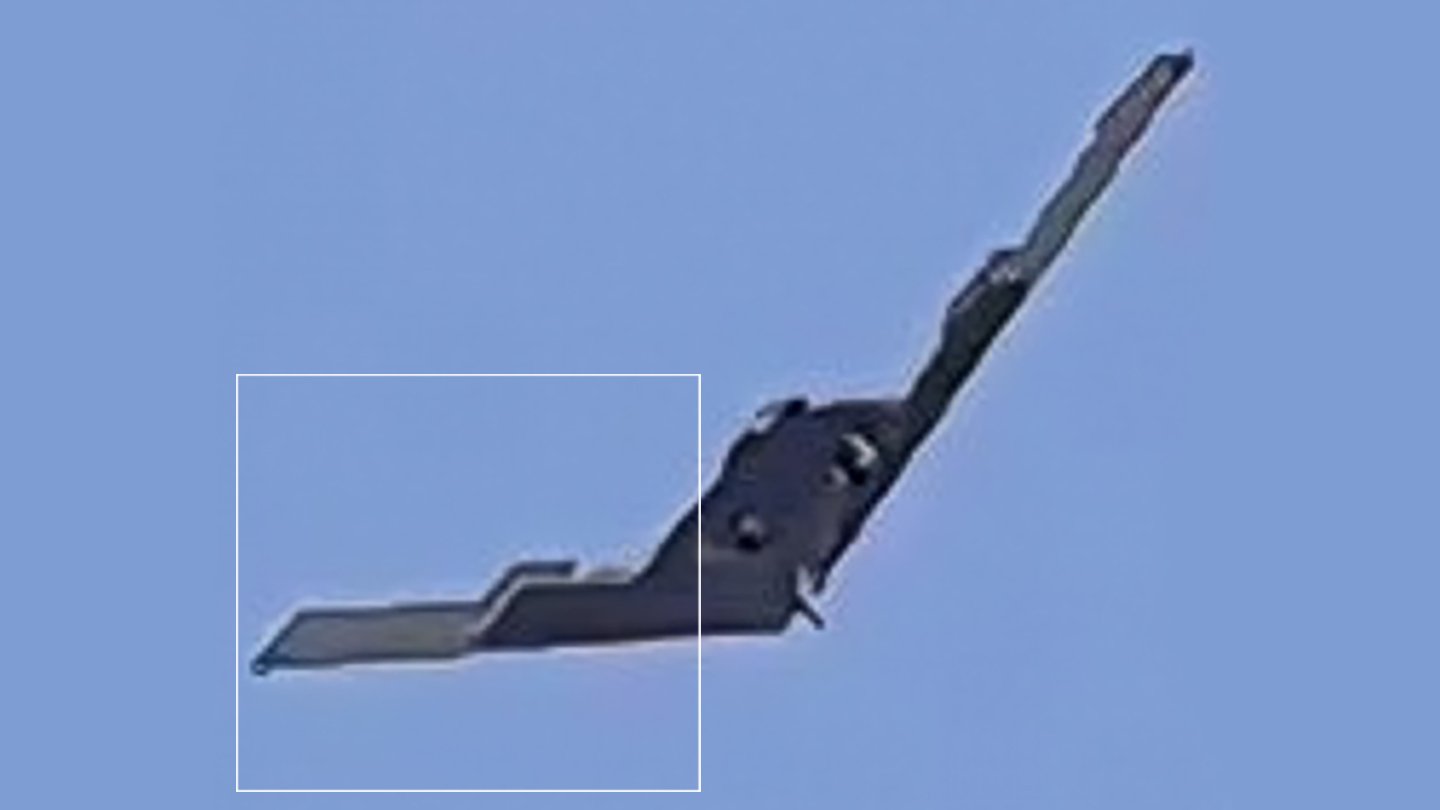
Шинээр ил болсон гэрэл зураг болон хиймэл дагуулын дүрсүүд Хятадын армийн туршилтын баазад байрлах WZ-X нисгэгчгүй онгоцны өвөрмөц хийцийг илүү тодорхой харууллаа.
БНХАУ-ын Ардын чөлөөлөх армийн агаарын цэргийн хүчний Шинжаан дахь Малан туршилтын баазад анх 2025 оны тавдугаар сард илэрсэн энэхүү нисгэгчгүй онгоц нь маш том хэмжээтэй, үл үзэгдэгч технологи бүхий нисэх хэрэгсэл юм. Шинэ дүрсүүдээс харахад уг онгоцны далавч нь төв хэсгээсээ үзүүр рүүгээ жигд нарийсах бус, дотор талын өргөн хэсгээс гадна талын нарийн хэсэг рүү огцом шилжсэн “шатлаг” бүтэцтэй байна. Энэхүү зохион байгуулалт нь далавчны үр ашигтай байдлыг нэмэгдүүлж, өндөрт удаан хугацаагаар нисэх чадварыг сайжруулах зорилготой байж болзошгүй гэж шинжээчид үзэж байна.
Ойролцоогоор 52 метр буюу 170 фут далавчны урттай WZ-X нь АНУ-ын B-2 бөмбөгдөгч онгоцтой бараг тэнцэх хэмжээтэй бөгөөд Хятадын өмнө нь илэрч байсан нисгэгчгүй онгоцуудаас хамаагүй том юм. Шинжээч Андреас Руппрехтийн таамаглаж байгаагаар уг онгоц нь хоёр хөдөлгүүртэй, их биеийн төв хэсэгтээ түлш болон мэдрэгч төхөөрөмжүүдийг багтаах зайтай, өндөр хүчин чадалтай тагнуулын хэрэгсэл байх магадлалтай. Хэдийгээр үл үзэгдэгч технологид далавчны ийм бүтэц нь сөрөг нөлөө үзүүлж болзошгүй ч дизайны хувьд байнгын тагнуул болон өндөр уулын бүсэд ажиллахад илүү тохиромжтой гэж дүгнэж байна.
Малан дахь туршилтын баазад WZ-X-ээс гадна GJ-X гэх өөр нэгэн том хэмжээний нисгэгчгүй онгоц туршигдаж байгаа нь Хятад улс үл үзэгдэгч технологи бүхий нисэх хэрэгслийн олон төрлийн загварыг зэрэг хөгжүүлж байгааг харуулж байна. Одоогийн байдлаар WZ-X-ийн үйлдвэрлэгч, хөдөлгүүрийн систем болон албан ёсны зориулалтын талаарх мэдээлэл нууц хэвээр байна. Энэхүү онгоц нь Хятадын нисгэгчгүй болон нисгэгчтэй, үл үзэгдэгч технологи бүхий сөнөөгч онгоцуудыг хөгжүүлэх өргөн хүрээний хөтөлбөрийн нэг хэсэг болох нь тодорхой байна.
Дэлгэрэнгүйг эх сурвалжаас харах
Эх сурвалжийг нээх ↓
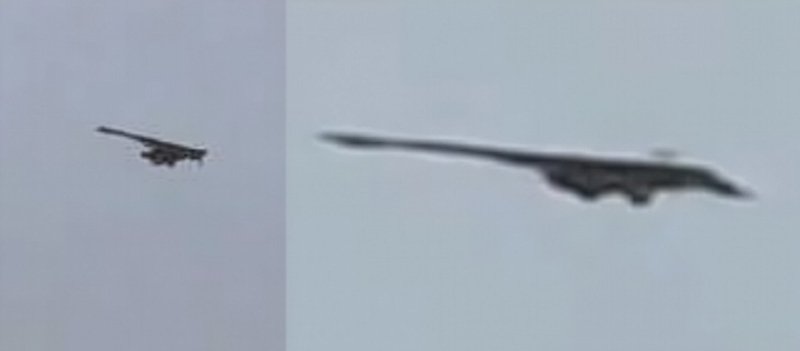
New imagery appearing out of China provides the best look yet at one of the country’s most enigmatic aircraft: the very large, low-observable, flying-wing drone widely referred to as the WZ-X. Seen previously primarily in satellite imagery, TWZ broke the story of the existence of this monster high-altitude, long-endurance drone. The new views that emerged today help clear up one of the most puzzling aspects of the aircraft’s appearance, namely the unusual shape of its enormous wings.
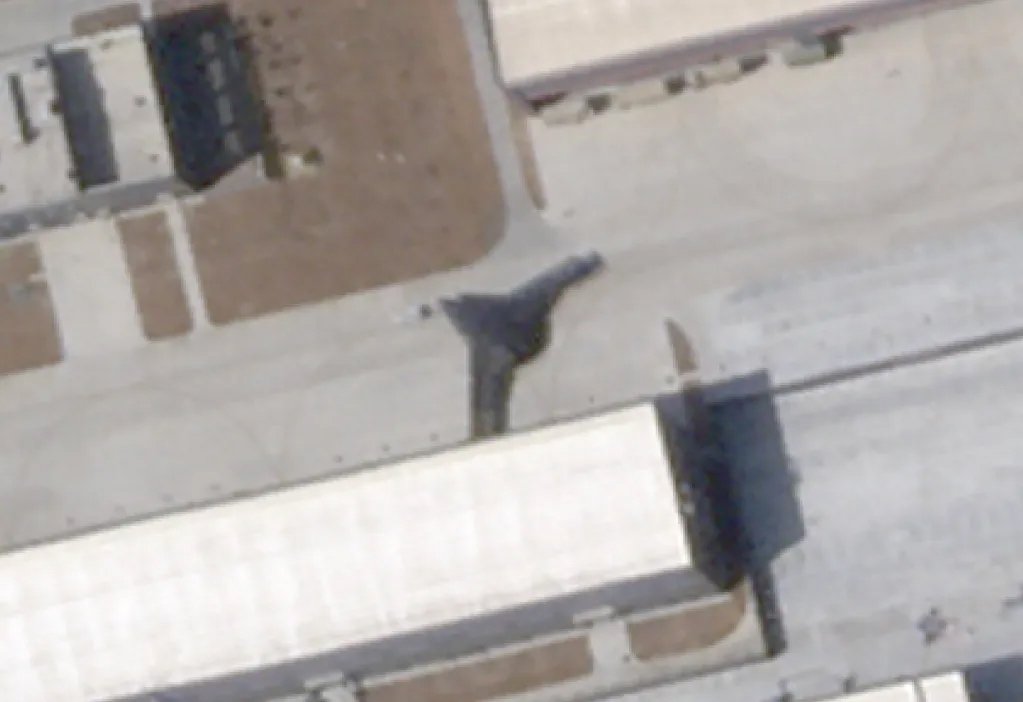
The aircraft was first identified in satellite imagery collected in May 2025 showing the People’s Liberation Army Air Force’s (PLAAF) sprawling test facility at Malan in Xinjiang. At the time, it was difficult to determine whether some of the apparent discontinuities in the wing planform were genuine features, visual countermeasures, or artifacts of the imagery.
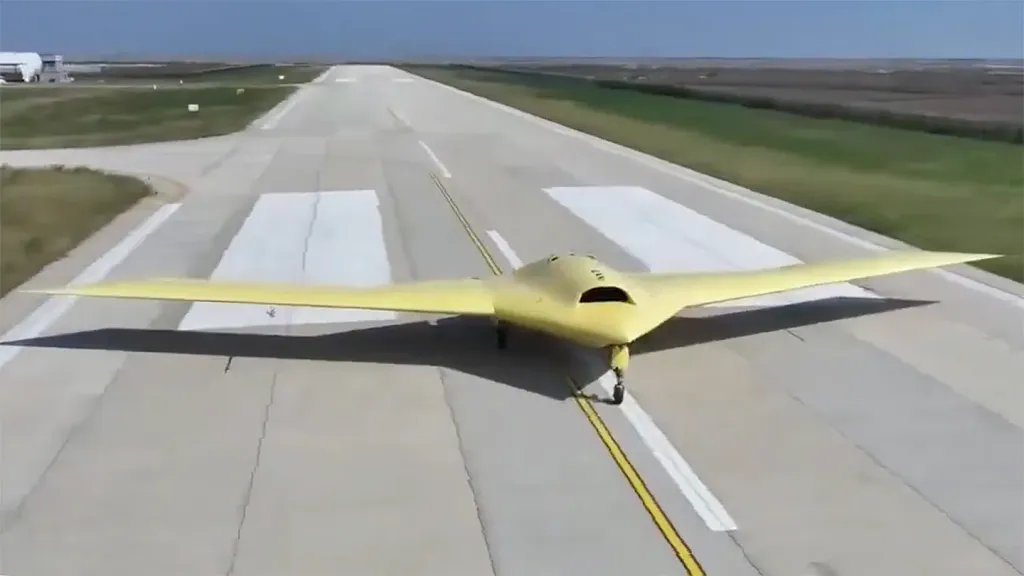
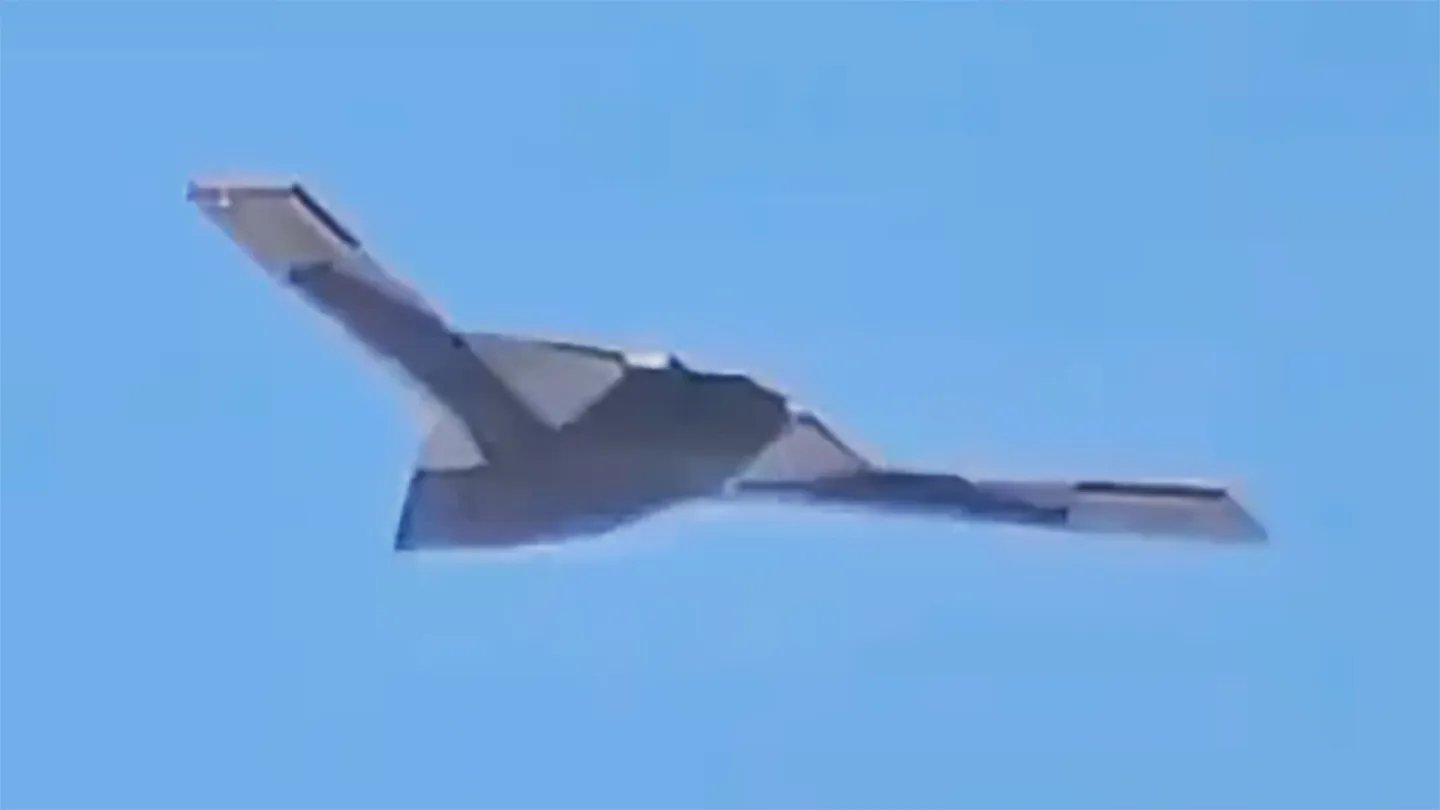
The new photograph, seen at the top of the article and below, as well as a new satellite image, shows that the aircraft has a broader-chord inner wing section that transitions into a substantially narrower outer section. Rather than tapering continuously from the center section toward the tips, the wing effectively becomes much more slender over its outer portion in a ‘step down’-like fashion. The resulting planform gives the aircraft an exceptionally long, narrow outer wing. The wing arrangement differs from the B-2 and other stealthy flying wing designs because it has two outer wing sections, in addition to its diamond-like central fuselage, instead of just one.
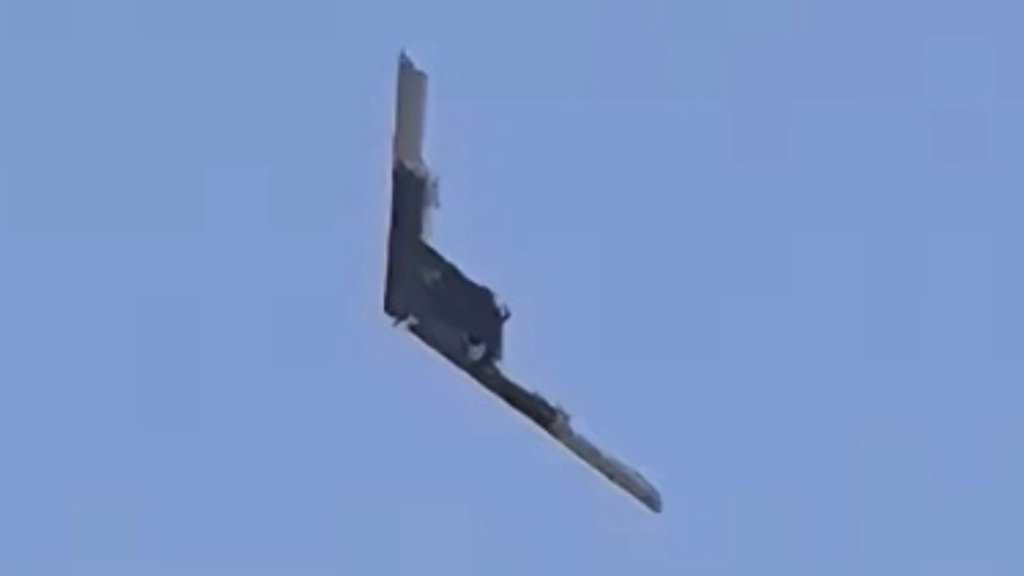
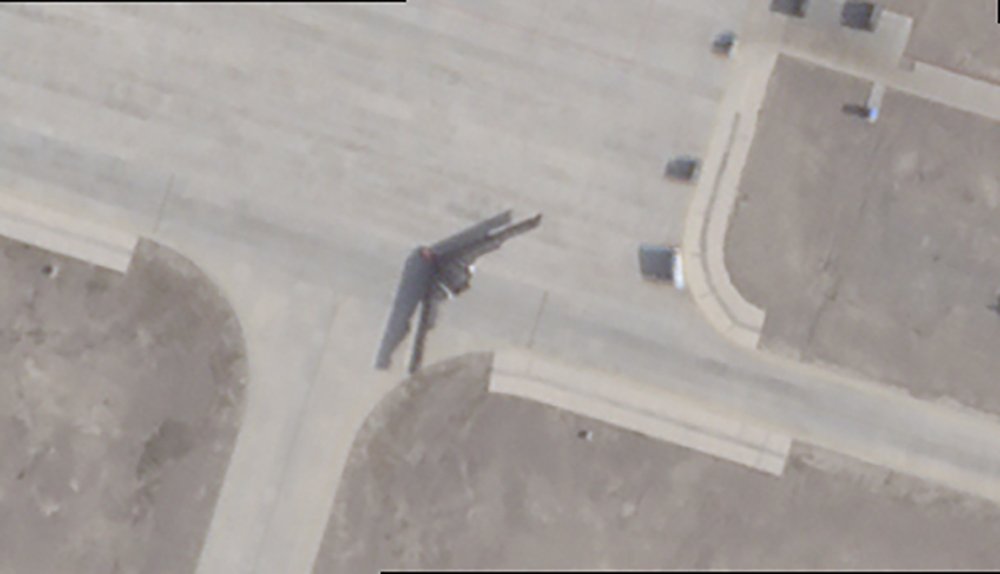
We still can’t say for sure if this feature is just the way the aircraft’s wing was designed or if it also is due to some other exotic feature, such as wing folding or removable outboard sections. While a more novel explanation is possible, it is somewhat improbable at this point.
Seen from behind, the aircraft has a relatively shallow central fuselage section, with extremely long wings extending outward from it. The landing gear is extended, revealing large main undercarriage doors and substantial landing gear consistent with an aircraft of this size. Split rudders are visible toward the outer wing areas, broadly reminiscent of those used on the B-2.
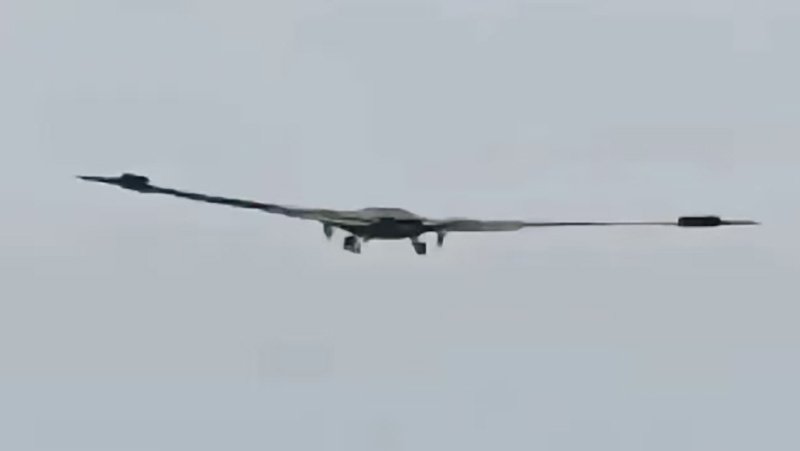
As in previous imagery, the rear of the center section of the aircraft may also reveal slot-like exhaust openings, supporting the assessment that it is twin-engined.
For an aircraft intended to spend long periods operating at high altitude, a very long overall span combined with a relatively narrow outer wing could be advantageous. Such an arrangement would increase effective aspect ratio and reduce induced drag during efficient cruise, potentially improving endurance and high-altitude performance.
It may also allow the designers to concentrate structural mass and internal volume closer to the center of the aircraft while still achieving a very large span.
There is a potential low-observable tradeoff, however. A significant change in chord introduces additional planform geometry and potential edge-alignment discontinuities that must be reconciled with the requirements of a stealth aircraft. The transition will influence radar reflections depending on its precise shape, orientation, and relationship to the aircraft’s other edges and surfaces. This will also be highly dependent on the aspect the radar is viewing the aircraft from. Modern very low observable designs try to minimize these exact types of features, with large continuous structures being the most advantageous to radar signature. This philosophy can be seen in the design of the B-21’s planform, which was also how the B-2 was supposed to look originally. You can read all about this here.
Regardless, the WZ-X does indeed have a semi-sawtooth trailing edge due to this intriguing feature.
The overall scale of the aircraft is also becoming increasingly apparent. Our initial analysis of satellite imagery put its wingspan at approximately 170 feet, roughly comparable to the 172-foot span of the B-2. That would make it considerably larger than other Chinese flying-wing drones identified to date.
Andreas Rupprecht, an analyst specializing in Chinese military aviation and TWZ contributor, assesses that the WZ-X is likely a twin-engined design similar in configuration to the supposed U.S. RQ-180, but considerably larger.
Rupprecht estimates a length of approximately 46 feet. He also assesses the aircraft as having a relatively spacious central fuselage and a dorsal satellite communications antenna. His estimates of a range exceeding 12,000 miles and a normal cruising altitude of somewhere between 59,000 and 66,000 feet remain unconfirmed.
The WZ-X is notably different from China’s smaller flying-wing designs. The CH-7, for example, has a deeper and more curved center section and is substantially smaller. The WZ-X’s broad, relatively flattened center body and enormous span instead appear particularly compatible with high-altitude endurance.
Its apparent configuration also makes a long-duration surveillance mission plausible. The central body and inner wing section would provide substantial space for fuel, sensors, and communications systems, while the outer wing, combined with its lifting central body, could support highly efficient flight at high altitude.
A low-observable platform of this size could potentially conduct many types of wide-area surveillance and networking assistance while operating in or very near contested airspace where conventional high-altitude UAVs would face greater risks. A strike capability cannot be ruled out, particularly given China’s broader development of combat-capable flying-wing UCAVs, but the aircraft’s proportions appear especially well suited to persistence and reconnaissance.
While the location of the latest imagery is unconfirmed, Malan has developed into a massive center for Chinese drone testing, with satellite imagery showing extensive expansion of its infrastructure in recent years. The facility has been associated with multiple flying-wing designs, including the WZ-X and the similarly mysterious and also very large GJ-X. This substantially different flying-wing aircraft with a cranked-kite planform is also undergoing flight testing. That aircraft is estimated to have a wingspan of around 137 feet, underscoring the breadth of China’s experimentation with large low-observable uncrewed aircraft.
China is pursuing tailless/flying-wing designs across an increasingly wide range of sizes and missions, alongside larger crewed aircraft programs including the J-36 and J-XDS and, eventually, the H-20 stealth bomber.
The WZ-X appears to be part of a much broader effort to develop highly integrated, low-observable aircraft optimized for different combinations of range, endurance, payload, and survivability.
For now, its official designation, manufacturer, propulsion system, performance, and intended mission remain unknown.
However, its configuration appears well suited to the requirements of a very large high-altitude endurance aircraft, although the trade-off between its performance and its stealth characteristics remains equally mysterious.
Contact the author: thomas@thewarzone.com
The post China’s Huge WZ-X Stealth Drone’s Strange Wing Configuration Confirmed appeared first on TWZ.


Монголын нисэхийн шинэ технологи хэр зэрэг хөгжиж байгааг ажиглахад сонирхолтой байна, та энэ WZ-X нисгэгчгүй онгоцны онцлог юу гэж бодож байна? Милитари технологи өндөр хөгжсөн орнууд ямар зориулалтаар ийм том нисгэгчгүй онгоц бүтээж байгаа бол?