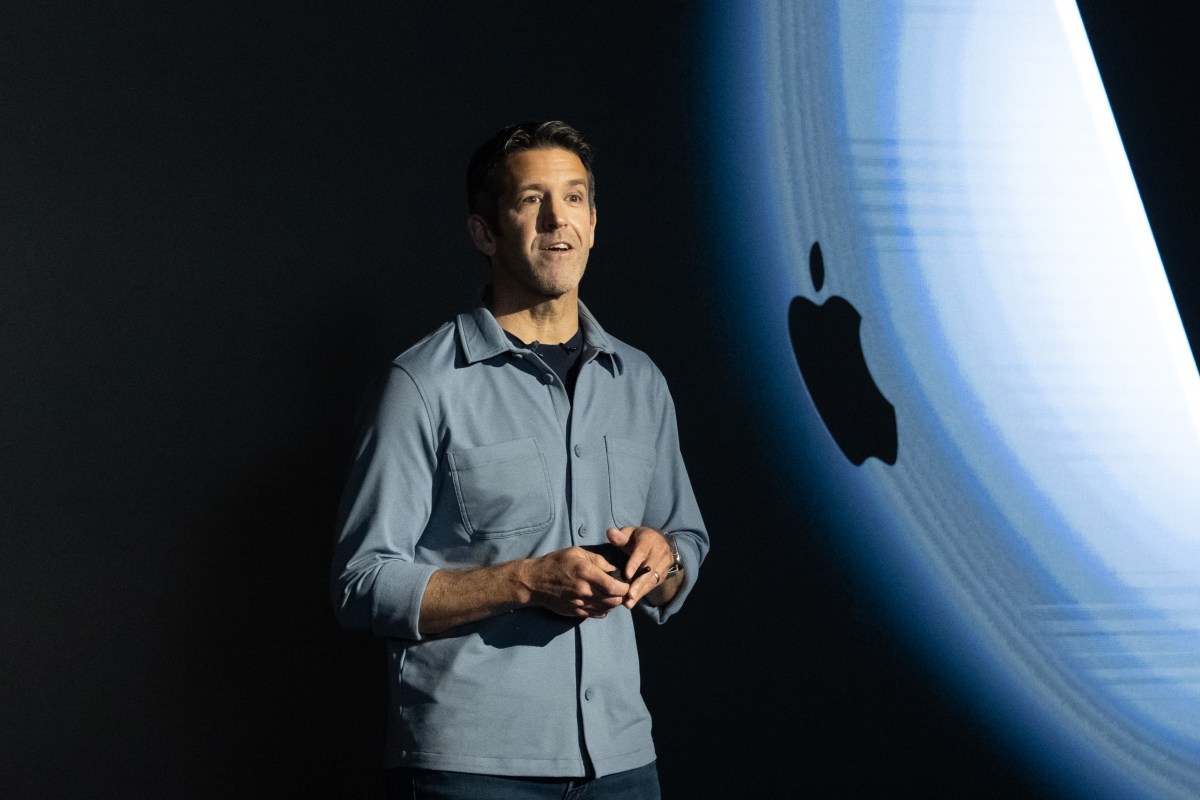
Жон Тернус өөрийн анхны илтгэлийн үеэр iPhone-г Apple-ийн бүтээгдэхүүний стратегийн гол цөм хэвээр үлдээхээ мэдэгдлээ
Apple компанийн гүйцэтгэх захирал Жон Тернус лхагва гарагт болсон анхны гол илтгэлийнхээ үеэр iPhone-г хиймэл оюун ухааны эрин үеийн ухаалаг төв төхөөрөмж хэмээн тодорхойллоо. Тэрээр iPhone-г бусад бүх төхөөрөмжтэй холбогдох, хамгийн хүчирхэг процессор, өндөр нарийвчлалтай камер бүхий хувийн туслахын үүрэг гүйцэтгэх хамгийн тохиромжтой хэрэгсэл гэж үзэж байна. Энэ нь өмнөх захирал Тим Күүкийн Apple-ийг зөвхөн iPhone-оос хамааралгүй компани болгон харуулахыг зорьж байсан бодлогоос эрс ялгаатай алхам боллоо.
Жон Тернус ухаалаг гар утасны эрин үе дуусч байгаа гэх таамаглалыг эрс үгүйсгэж, iPhone-ийн чадавхийг онцлов. Тэрээр 2001 онд Стив Жобсын Mac компьютерийг “дижитал төв” болгон хөгжүүлж байсан стратегийг iPhone-д хэрэгжүүлж, түүнийг хэрэглэгчийн амьдралын салшгүй хэсэг хэвээр байлгахыг зорьж байна. Өнөөгийн нөхцөлд iPhone нь зөөврийн компьютер болон таблетаас илүү өдөр тутмын хэрэглээнд давамгайлж байгаа нь түүний байр суурийг бэхжүүлж байгаа юм.
Бусад компаниуд өмсдөг төхөөрөмжүүдээр дамжуулан iPhone-ийн байр суурийг ганхуулахыг оролдсон боловч одоогоор амжилтад хүрээгүй байна. Жон Тернус шинэ, ганган төхөөрөмжүүдийн араас хөөцөлдөхийн оронд iPhone-ийн хүчирхэг процессор, сүлжээний боломж болон төхөөрөмж дээр суурилсан хиймэл оюун ухааны технологийг ашиглан Apple-ийн ирээдүйг тодорхойлохоор төлөвлөж байна. Энэхүү хандлага нь iPhone-г орлох шинэ зүйл хайхаас илүүтэйгээр байгаа нөөц бололцоог бүрэн ашиглахад чиглэж байна.
Дэлгэрэнгүйг эх сурвалжаас харах
↓Эх сурвалжийг нээх ↓
Apple CEO John Ternus wants you to know that the iPhone isn’t going anywhere.
Ternus threw his weight behind the venerable device on Wednesday during his first keynote as CEO, placing it firmly at the center of Apple’s product strategy for the AI era.
“There’s no product in the world better designed to be your intelligent personal hub than iPhone,” he said.
This contrasts with the approach taken by former CEO Tim Cook, who tried time and again to convince Wall Street that Apple was more than just the iPhone.
Ternus’ pitch is also a rebuttal to pundits who have recently cast doubt on the iPhone. “The smartphone’s days are numbered,” said one headline. “The Tim Cook era is coming to a close with an existential challenge for Apple: figuring out what comes after the iPhone,” said another article.
But it’s not just about the hardware. Ternus has put the iPhone at the center of his “intelligent personal assistant” strategy, a vision that could define the company for years to come. Steve Jobs did something similar in 2001 with the Mac, less than 10 months before he announced the iPod.
At the time, many observers thought the PC’s days were numbered. At a Macworld New York keynote, Jobs called out bearish quotes from industry wonks like Walt Mossberg and the leaders of Compaq and Gateway.
“This is what everyone else is telling us. That our PC is waning if not the hole being dug,” Jobs said at the time, pointing at a tombstone for the “Beloved PC” on the screen behind him. “We don’t think the PC is dying at all. We don’t think the PC is moving away from the center at all. We think it’s evolving, just like it has since it was invented.”
“We think the PC is on the threshold of entering its third great age,” Jobs added, a prediction driven by the proliferation of digital devices at the time, including camcorders, digital cameras, and DVD players.
The Mac would form the center of a “digital hub” that would connect these disparate devices and, in Jobs’ words, “add value” to all of them.
Later that year, Jobs pulled the iPod out of his pocket, a device seemingly developed to answer the question, “Why do you still need a PC?” The device turned out to be an enormous hit, driving Apple’s profits quarter after quarter and ultimately helping lead to the development of the iPhone.
Today, with the iPhone on the cusp of its 20th anniversary, Ternus is facing a version of the same question Jobs took on in 2001. We don’t know if Ternus is quietly sitting on an iPod-like product, one that will secure the iPhone’s position a Apple’s hub for years to come. But he is firmly rebutting the idea that the iPhone is past its prime.
“If you were designing the ideal version of this hub from scratch, how would you do it?” Ternus asked, before listing the ingredients: a powerful processor, high-resolution cameras, persistent networking, and on-device AI.
It helps that the iPhone is one of the most powerful personal computing devices around, giving it an edge in the compute-hungry AI era. Its portability and adaptability make it, for many people, the only computing device they need. Even among those who own laptops and iPads, the iPhone is often the one device they can’t live without. Plenty of people leave home without their laptops. Almost no one leaves without their phones.
That combination of power and portability has given Apple a privileged position in the AI world. Other companies have attempted to unseat the iPhone with all manner of wearable devices, but none have succeeded.
Instead of sidelining the iPhone in favor of the next flashy thing, Ternus is leaning into it instead. In a way, he’s bringing Apple around to what the rest of us already know: The iPhone is pretty great, and maybe we don’t need to replace it with something else. Yet.
When you purchase through links in our articles, we may earn a small commission. This doesn’t affect our editorial independence.

