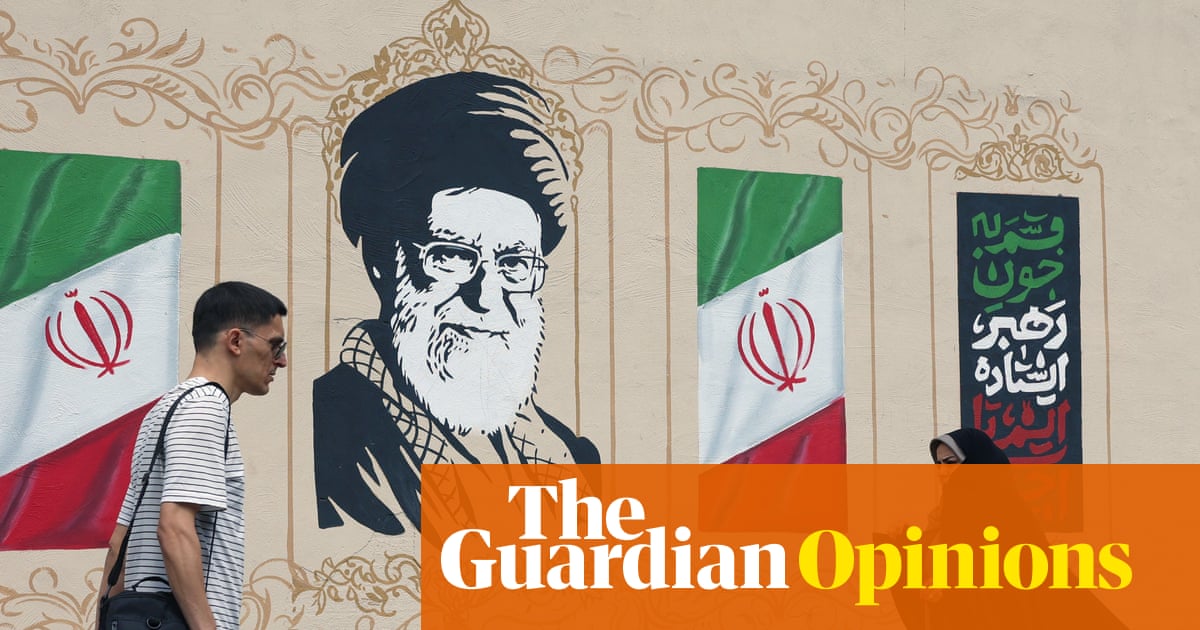
АНУ-ын ерөнхийлөгч Ираны дэд бүтэц болон соёлыг бүхэлд нь устгана хэмээн удаа дараа мэдэгдэж байгаа нь олон улсын эрх зүйн хэм хэмжээг сулруулж, дайны аюултай нөхцөл байдлыг жирийн үзэгдэл мэт харагдуулах эрсдэлтэй байна.
АНУ болон Ираны хооронд Ормузын хоолойн орчимд мөргөлдөөн үүссэн өнгөрсөн долоо хоногт ерөнхийлөгч Дональд Трамп Ираныг улс орны хувьд бүрмөсөн устгана хэмээн мэдэгдэв. Тэрээр дөрөвдүгээр сарын 1-нд Ираныг “чулуун зэвсгийн үе рүү нь буцаана” гэж сүрдүүлсэн бол дөрөвдүгээр сарын 7-нд “бүхэл бүтэн соёл иргэншил энэ шөнө үхэх болно” хэмээн олон нийтийн сүлжээнд бичжээ. Эдгээр мэдэгдэл нь Ираны гүүр, цахилгаан станц зэрэг иргэний дэд бүтцийг устгах төлөвлөгөөтэй холбоотой бөгөөд олон улсын шинжээчид үүнийг дайны гэмт хэрэг үйлдэх заналхийлэл гэж үзэж байна.
Дөрөвдүгээр сарын 7-ны орой Пакистаны ерөнхий сайд АНУ болон Иран улсууд гал зогсоох хэлэлцээрт хүрсэн тухай зарласнаар нөхцөл байдал түр намжсан юм. Гэсэн хэдий ч Трамп өөрийн мэдэгдлээ эргүүлэн татаагүй бөгөөд долдугаар сард Ормузын хоолойд гарсан мөргөлдөөний хариуд Ираны дэд бүтцийг онилсон цэргийн ажиллагаа явуулах тухай дахин сануулсан байна. Энэхүү хатуу чанга үг хэллэг нь сүүлийн жилүүдэд Газын зурвас дахь мөргөлдөөнийг шийдвэрлэх явцад олон улсын хэм хэмжээ суларч, хүчирхийллийг үл тоомсорлох хандлага газар авсантай холбоотой гэж шинжээчид дүгнэж байна.
Газын зурвас дахь үйл явдлуудад барууны орнууд төдийлөн хариу үйлдэл үзүүлэхгүй байгаа нь олон улсын тавцанд үл шийтгэгдэх байдлыг бий болгосон гэж үзэх талтай. Өмнөх засаг захиргаа Израйлыг дэмжих замаар олон улсын шүүх байгууллагуудын нэр хүндийг сулруулсан нь өнөөгийн нөхцөл байдлыг улам хурцатгасан. Ийнхүү АНУ-ын ерөнхийлөгчийн зүгээс бусад улс орныг бүхэлд нь сүйтгэх тухай мэдэгдлүүд нь дэлхий нийтийн анхаарлыг татахаа больж, хүчирхийллийн шинжтэй үйлдэл нь дипломат харилцааны нэг хэсэг мэт харагдах боллоо.
Дэлгэрэнгүйг эх сурвалжаас харах
↓Эх сурвалжийг нээх ↓
As the US and Iran fought around the strait of Hormuz last week, Donald Trump issued one of his typical threats. In an interview with a Fox News correspondent, Trump said Iran would be “totally wiped out as a country” if it retaliated for the latest wave of US air strikes.
That threat by the US president to wipe out another country generated few headlines, even during a relatively slow news week by Trump administration standards.
Trump has delivered this kind of warning so frequently over the past six months of his war against Iran that it hardly registers anymore. But it’s important not to normalize Trump’s threats, which are usually accompanied by promises to devastate Iran’s infrastructure – vowing to destroy bridges and power plants. Those kinds of attacks would constitute war crimes under international law.
The president’s repeated vows to obliterate Iran are usually written off by other western leaders and the news media as typical of Trump’s bravado and unpredictability, but they have real-world consequences. By treating Trump’s rhetoric as normal, US and western societies are becoming more desensitized to the idea of large-scale violence – including the targeting of civilians and civilian infrastructure – as a legitimate kind of warfare. And of course, Israel’s war on Gaza has inured many in the western world to wholesale atrocities, including intense aerial bombardment that leads to massive civilian casualties and displacement.
Trump set the stage for apocalyptic threats against Iran weeks into the war, when it became clear that the US would not achieve the quick military victory he was hoping for. On 7 April, as he vacillated between agreeing to a ceasefire and ordering even more intense bombing, Trump ominously declared in a social media post: “A whole civilization will die tonight, never to be brought back again.”
In the days leading up to that statement, Trump had issued a series of warnings that the US would destroy Iran’s infrastructure unless it reopened the strait of Hormuz, through which a fifth of the world’s oil and liquid gas supplies flowed before Tehran effectively shut the waterway at the start of the war. On 1 April, in a primetime address from the White House, Trump threatened to bomb Iran “back to the Stone Ages, where they belong”. On 6 April, Trump claimed that Iran “could be taken out in one night” and said the US had a plan to destroy every bridge and power plant in the country, leaving that infrastructure “burning, exploding, and never to be used again” – a statement announcing his intention to commit war crimes.
Trump set a deadline of 8 pm ET on 7 April for Iranian leaders to comply with his demands. As that deadline neared, Trump shared his now infamous post on his Truth Social network that promised to erase Iran’s civilization. That threat to carry out large-scale war crimes against a country of 90 million people prompted outrage around the world, with condemnation from the UN secretary general and the pope. Some human rights experts argued that Trump’s statement may constitute a threat to commit genocide, which is defined by the UN’s Genocide Convention as acts committed “with intent to destroy, in whole or in part, a national, ethnical, racial or religious group”.
Shortly before Trump’s deadline expired, Pakistan’s prime minister announced that the US and Iran had agreed to an immediate ceasefire. But Trump never apologized or retracted his statement. And why should he feel any pressure to do so, despite the momentary outrage his words caused? In today’s world, there are no consequences for threatening – or carrying out – a genocide.
Trump’s threat to obliterate Iran is partly a manifestation of a new international order that emerged over the past three years, as the US supplied billions of dollars in weapons and protected Israel as it carried out a genocidal war in Gaza. In his second term, Trump has behaved more erratically and like an autocrat drunk with power. But he has also taken advantage of a nascent global order, in which western leaders destroyed decades of international norms and the façade of rule of law – all to enable Israel to continue its bloodshed in Gaza, and more recently, in Lebanon.
As they did with Gaza, most western powers and leaders have become numb to the loss and suffering of Palestinians, Iranians, Lebanese and others in the Middle East. And as long as this numbness and impunity continue, it will become normal for the US president to threaten whole-scale destruction of societies and civilizations, as Trump has done in Iran.
While Trump can be dismissed as an unpredictable, or even irrational, world leader who scorns global institutions and norms – the epitome of the “madman theory” of US foreign policy – his predecessor Joe Biden helped paved the way for the current age of impunity we’re living in. Biden, along with other western leaders who provided unwavering support to Israel after the Hamas attacks in October 2023, defied and weakened international law in order to shield Israel long before Trump returned to office in early 2025.
For 15 months, the Biden administration undermined global institutions – including the international court of justice (ICJ) and the international criminal court (ICC) – to help Israel and its prime minister, Benjamin Netanyahu, avoid facing consequences for their war crimes in Gaza. Biden and other western leaders rendered international law meaningless after their inaction and obstruction in Gaza – and it was only a matter of time before Trump abandoned any pretense of lofty rhetoric about human rights and rule of law. Trump prefers to flaunt American military power and his ability to inflict massive destruction on US enemies.
The normalization of Israel’s atrocities in Gaza has rippled across the world, including the expanding regional war that engulfed Iran and the US. It has also diluted international outrage at Trump’s repeated threats to destroy Iran, even within a period of months. While Trump’s apocalyptic warning in April that “a whole civilization will die” prompted global condemnation, his subsequent rhetoric has barely registered.
In July, Trump claimed that the US would bomb one Iranian bridge or power plant in retaliation for each time Iran fired at a ship in the strait of Hormuz. That kind of retaliation against civilian targets would be a war crime, but Trump has made such threats seem mundane and a normal part of warfare. At the very least, Americans and the rest of the world should call him out on it.

