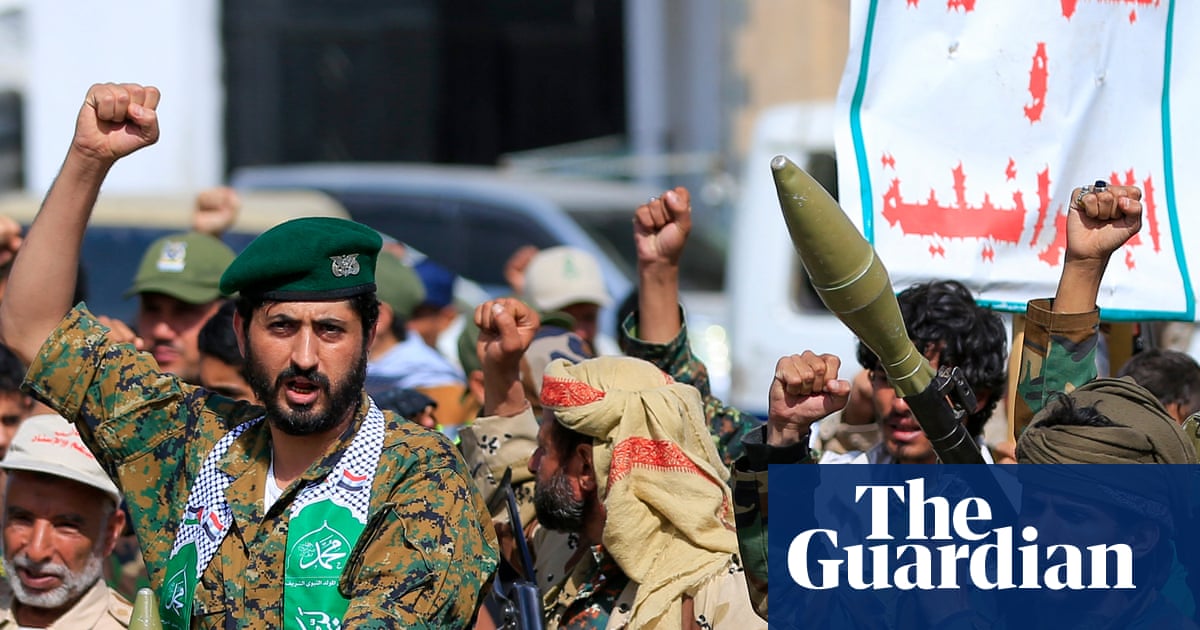
Йемений Хути босогчид Улаан тэнгисийн эрэг орчмын стратегийн чухал бүс нутгуудыг эзлэн авснаар Саудын Араб болон АНУ-ын эсрэг цэргийн дарамтыг нэмэгдүүлж байна.
Йемений Хути босогчид тус улсын Улаан тэнгисийн эрэг дагуух гол цэг болох Мока боомтыг хяналтдаа авснаа мэдэгдлээ. Энэхүү үйл явдал нь сүүлийн жилүүдэд Саудын Арабын дэмжлэгтэй Засгийн газрын хүчин болон босогчдын хооронд өрнөж буй хамгийн ширүүн тулалдааны нэгд тооцогдож байна. Хутичууд мөн Хайс хот болон бүс нутгийн хамгийн том цэргийн бааз болох Халид ибн аль-Валид лагерийг эзэлснээ зарласан бөгөөд нийт 6,000 хавтгай дөрвөлжин км газар нутгийг хяналтдаа оруулсан байж болзошгүй байна.
Засгийн газрын хүчний командлагч, хошууч генерал Тарек Салех стратегийн ач холбогдол бүхий ухралт хийснээ хүлээн зөвшөөрч, цэргийн хүчээ аюулгүй байрлалд дахин эмхлэн зохион байгуулж байгаагаа мэдэгдэв. Тэрээр эдгээр дайралтыг Ираны төлөвлөгөө, дэмжлэгтэйгээр явагдаж буй ажиллагаа гэж үзэж байгаагаа илэрхийлжээ. Үүний хариуд Саудын Арабын тал агаарын давуу байдлаа ашиглан босогчдын байрлалуудад агаараас цохилт өгч байгаа боловч мөргөлдөөн улс даяар өргөжин тэлсээр байна.
Шинжээчдийн үзэж буйгаар, талууд цэргийн хүчээ ашиглан нөгөө талдаа буулт хийхийг тулгахыг эрмэлзэж байгаа тул энэ зөрчил ойрын хугацаанд намжих төлөвгүй байна. Хутичуудын энэхүү ажиллагаа нь Баб аль-Мандеб хоолой болон Ормузын хоолой зэрэг олон улсын тээврийн чухал гарцуудыг хяналтдаа байлгах, улмаар Персийн булан дахь Ираны газрын тосны тээвэрлэлтэд тавьсан хоригийг цуцлуулах зорилготой байж болзошгүй гэж үзэж байна. Мөргөлдөөний улмаас газрын тосны үнэ нэг торх нь 100 ам.доллароос давж өссөн үзүүлэлттэй байна.
Дэлгэрэнгүйг эх сурвалжаас харах
↓Эх сурвалжийг нээх ↓
Yemen’s Houthi rebels are making a concerted drive to take full control of the country’s Red Sea coast, claiming control of the key port of Mocha, in the most serious wave of fighting with the Saudi-backed government in years.
Seizure of the coast would be a strategic disaster for Saudi Arabia and the US, taking Iran and its proxies closer to full control of two chokepoints for western shipping on opposite sides of the Arabian peninsular: the Bab al-Mandeb at the southern end of the Red Sea and the strait of Hormuz in the Gulf.
Observers have said a reduction in hostilities – the most intense since the UN-sponsored ceasefire of April 2022 put an end to major military exchanges – now seems unlikely in what is seen as a attempt by the Houthis to open a second front in the Iran-US war, alongside the battle for control of Hormuz.
The Royal United Services Institute (Rusi), a London-based defence and security thinktank, said the situation in Yemen was spiralling out of control, adding that the UN-recognised Yemeni government was opening new fronts against the Houthis in the hope it could put more pressure on the rebels than they could withstand.
The fighting has also raised questions about whether Saudi Arabia, which on Thursday launched as many as 40 airstrikes on Houthi targets, will activate the Mecca defence agreement and ask its co-signatories Pakistan and Turkey to send forces, though the pact is designed to be defensive in nature and believed unlikely to apply to Saudi military activities in Yemen.
By taking control of more of the Red Sea coast south of the port of Hodeidah, the Houthis aim is to put pressure on Saudi Arabia and the US to agree a deal that lifts the US blockade on Iranian oil tankers in the Gulf. Donald Trump on Wednesday acknowledged he did not expect the war with Iran to end before the US midterm elections at the start of November.
The latest phase in the escalation began when Houthis attacked energy installations and southern cities in Saudi Arabia using drones and ballistic missiles leading to the kingdom’s military forces launching at least 15 strikes between 3 and 7 September in response.
The conflict data monitor Acled estimate 276 fatalities over the five-day period alone. Since then the fighting has continued, with the Houthis claiming control of Mocha in Taiz province, as well as the inland city of Hays and the Khalid ibn al-Walid camp, the largest military base in the region. One Houthi-linked estimate suggested rebel forces had gained control of more than 2,320 sq miles (6,000 sq km) of land.
The commander of the Yemeni government forces, Maj Gen Tareq Saleh, admitted he had organised a strategic retreat south of Mocha in order to regroup in a secure location. “The armed forces in the western coast paid a heavy price – martyrs and wounded – over the past days as they confronted the Houthi attack planned by Iran, and supported by it,” he said.
Saudi Arabia, meanwhile, continues to take advantage of its air superiority to attack Houthi positions, though government sources acknowledge the rebels’ ground advances along the coast and their missile strikes on the strategic Red Sea islands of Zuqar and Hanish.
The clashes have ranged across Yemen including Ad Dali, al-Bayda, Marib, Shabwah, al-Jawf, Hodeidah, and Taiz. In the initial days of the renewed conflict the Houthis found themselves being forced back in some areas as battles on multiple fronts over-stretched their resources and fighter numbers.
The Houthis will be hoping political divisions inside the Yemeni government, reflected in a lack of an integrated military, will slowly give them the upper hand. The United Arab Emirates, previously a powerful player in southern Yemen where it backed the separatist forces of the Southern Transitional Council, withdrew its financial and military support at the turn of the year. The southern forces have refused to fight outside their own region.
“A reduction in hostilities any time soon seems unlikely, as both sides continue to escalate with the goal of inflicting enough damage to the other side to force a compromise,” said Sherwan Hindreen Ali, Yemen analyst for Acled. “In terms of military capability, both sides are more equal compared to the immediate period prior to the 2022 ceasefire when the Houthis had the upper hand.”
He added: “Fighting will remain focused on the fronts of the Red Sea coast in Hodeidah and Taiz, where both the Houthis and the Saudi Arabia-Yemen government have a vested interest in claiming the whole territory to deprive the other side of effective control of the strait of Bab al-Mandab.”
The fighting has contributed to the price of oil rising above $100 a barrel after weeks when it was trading closer to $80.
The ascent to this week’s all-out violence has been a slow process. The escalation came after a senior Houthi delegation, the group has long been in a complex alliance with Iran, flew to Tehran for the funeral of the Iranian supreme leader Ali Khamenei in July, returning in an Iranian plane that the Saudis refused to land in rebel-controlled Sana’a.
The Saudis instead bombed the runway, leading the Houthis to announce a Red Sea naval blockade of Saudi Arabia in what the Yemeni rebels described as a blockade for a blockade. The 20 July announcement of the blockade was followed by a strike on Saudi’s Jazan refinery on 25 July and on a tanker off Yanbu on 24 August.
Saudi Arabia has become reliant on the Red Sea route for trade after Iran throttled shipping through the strait of Hormuz.

