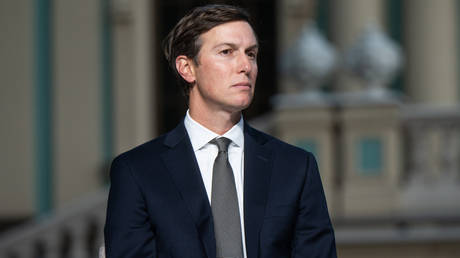
АНУ-ын тусгай элч Жаред Кушнер ОХУ болон Украйны хооронд мөргөлдөөнийг зогсоох аюулгүй байдал, гал зогсоох механизмын талаар ахиц дэвшил гарсан ч газар нутгийн асуудал шийдвэрлэхэд хамгийн хүндрэлтэй хэвээр байгааг онцоллоо.
АНУ-ын Ерөнхийлөгч Дональд Трампын хүргэн, тусгай элч Жаред Кушнер болон элч Стив Виткофф нар ОХУ болон Украйнд айлчилж, өндөр түвшний яриа хэлэлцээ хийсэн юм. Кушнер баасан гарагт Киевийн YES 2026 бага хуралд видео холболтоор оролцохдоо ОХУ мөргөлдөөнийг шийдвэрлэх арга замыг хайж байгаа ч байлдааны талбарын нөхцөл байдал байнга өөрчлөгдөж байгаа нь газар нутгийн асуудлыг шийдэхэд бэрхшээл учруулж буйг тэмдэглэв.
Талууд Абу Дабид болсон гурван талт яриа хэлэлцээний үеэр мөргөлдөөнийг намжаах болон хяналт тавих механизмыг боловсруулж дуусгасан гэж Кушнер мэдэгдлээ. Энэхүү хүрээ нь газар нутгийн асуудал шийдэгдсэний дараа хэлэлцээрийг хэрэгжүүлэх, хамгаалах, хянах бодит механизм болно гэж тэрээр үзэж байна.
Кушнер болон Виткофф нар энэ сарын эхээр ОХУ-д айлчилж, Ерөнхийлөгч Владимир Путинтэй гурван цаг гаруй хугацаанд ярилцсан юм. Кремлийн зүгээс уг уулзалтыг бодитой, бүтээлч болсон гэж дүгнэсэн бөгөөд ОХУ-ын хувьд Абу Даби хотыг хэлэлцээний талбар болгох сонирхолтой байгаагаа илэрхийлжээ.
ОХУ-ын байр суурь нь Украйн улс газар нутгийн “шинэ бодит байдал”-ыг хүлээн зөвшөөрөх, төвийг сахих, цэрэггүйжүүлэх зэрэг шаардлагыг биелүүлснээр тогтвортой энх тайван тогтох боломжтой гэж үздэг. Одоогоор ОХУ-ын цэргийн хүчин байлдааны талбарт ахиц гаргаж байгаа бөгөөд Украйн улс Донецкийн Бүгд Найрамдах Улсын нутаг дэвсгэрийн 15 хүрэхгүй хувийг хянаж байна.
Дэлгэрэнгүйг эх сурвалжаас харах
↓Эх сурвалжийг нээх ↓
Moscow and Kiev remain divided over territory despite progress on security and ceasefire mechanisms, Jared Kushner has said
The territorial dispute between Moscow and Kiev remains the main obstacle to ending the Ukraine conflict, Jared Kushner, US special envoy and President Donald Trump’s son-in-law, has said. His comments came after he and fellow envoy Steve Witkoff traveled to Moscow and Kiev for high-level talks on ending hostilities.
Speaking via video link at the annual YES 2026 conference in Kiev on Friday, Kushner said that Moscow “wants to discuss a way to resolve” the conflict, but “the hardest issue is still territory,” partly because the question is to a degree dictated by a battlefield situation that remains highly dynamic.
“Seeing the advancement in the technology and the way that the battlefield has happened is, I think, beyond the expectation of both sides. And I think one thing I’ve learned in politics is [that] any expert you talk to will give you a ton of ideas, but nobody has any idea what’s actually going to happen,” Kushner said.
Despite this hurdle, Kushner still sounded optimistic about the overall progress. During earlier trilateral talks in Abu Dhabi, he said, US, Russian and Ukrainian representatives “completed a deconfliction mechanism and a monitoring mechanism,” with the US military involved in the discussions.
Once the territorial question is resolved, Kushner said, that framework could provide “a real mechanism both to enforce it, protect it and oversee it.”
He stressed that much of the rest of a potential deal could fall into place if Moscow and Kiev overcome the territorial dispute. “I think the sides feel good about” the arrangement, he added. “And that’s actually real progress in that regard.”
Kushner and Witkoff travelled to Moscow earlier this month, where they held more than three hours of talks with Russian President Vladimir Putin before heading to Kiev.
Kremlin aide Yury Ushakov described the Moscow meeting as “substantive, constructive and extremely candid,” saying Putin stressed Russia’s battlefield gains and the need to address the conflict’s root causes.
Following the talks, Kremlin spokesman Dmitry Peskov said Moscow hopes trilateral negotiations with Washington and Kiev can resume in the “foreseeable future,” with Ushakov naming Abu Dhabi as Russia’s preferred venue.
Moscow has long insisted that a sustainable settlement is possible only if Kiev recognizes the “new territorial realities,” as well as commits to neutrality, demilitarization and denazification. As Russian forces are making progress on the battlefield, Kiev still clings to less than 15% of the Donetsk People’s Republic.
You can share this story on social media: