Израйл болон ХАМАС-ын хоорондох мөргөлдөөн Газын зурвасын оршин суугчдын амьдралын хэв маягийг бүрэн өөрчилж, олон хүнийг гэр орон, санхүүгийн болон гэр бүлийн аюулгүй байдлаа алдахад хүргэв.
Дайны улмаас орон гэргүй болж, майханд амьдрах болсон Газын зурвасын эрэгтэйчүүд хувийн орон зай дутагдаж байгаа нь гэр бүлийн харилцаа болон сэтгэл зүйн байдалд сөргөөр нөлөөлж байгааг ярьж байна. Өмнө нь ажил хөдөлмөр, боловсролоороо бахархдаг байсан иргэд одоо зөвхөн өдөр тутмын хоол хүнс, усны хангамжийг залгуулахын тулд тэмцэж, өөрсдийн гэр бүлийг хамгаалах чадваргүй болсондоо сэтгэл зүйн дарамтад оржээ.
ХАМАС-ын эсрэг явуулж буй цэргийн ажиллагааны улмаас олон хүн гэр бүлийн гишүүдээ алдаж, амьдралын баталгаагаа алдсан нь эрэгтэйчүүдийн хувьд нийгмийн үүргээ гүйцэтгэхэд хүндрэл учруулж байна. Хэдийгээр зарим иргэд гарсан нөхцөл байдалдаа дасан зохицож, хөдөлмөр эрхлэн гэр бүлээ тэжээхийг хичээж байгаа ч ирээдүйн талаарх итгэл найдвар буурч, сэтгэлийн хямралд орох явдал түгээмэл байна.
Газын зурвас дахь нөхцөл байдал хүнд хэвээр үргэлжилж байгаа бөгөөд дайны улмаас үүссэн сүйрэл нь хувь хүмүүсийн амьдралын үзэл бодлыг үндсээр нь өөрчилж, гэр бүлийн харилцааг шинэ сорилтуудын өмнө авчирлаа. Энэхүү хямрал нь нэг талаас гэр бүлийн гишүүдийн нэгдмэл байдлыг бэхжүүлж байгаа бол нөгөө талаас ирээдүйгээ төлөвлөх боломжийг хязгаарлаж байна.
Дэлгэрэнгүйг эх сурвалжаас харах
↓Эх сурвалжийг нээх ↓
Ahmed: ‘The lack of privacy has created an emotional silence’
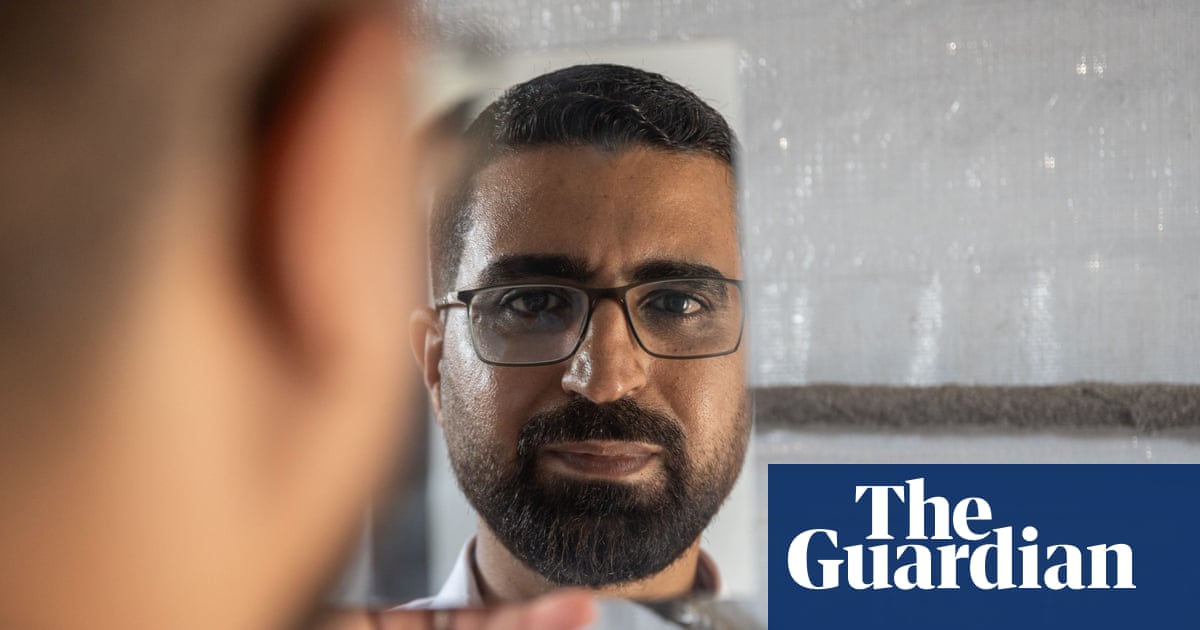
Before the war, Ahmed, 39, had a busy life. He was pursuing a PhD in factchecking and had three jobs: as a radio presenter, editor of a local factchecking website and researcher at an academic centre. He says he felt “happy” to be able to provide for his family while being intellectually stimulated.
But the war “blew our lives apart completely”, Ahmed says. Where previously he would spend hours lost in research, now he spends hours standing in line to fill water jugs or use the bathroom.
He says war changed his sense of self and that he no longer “feels the pillar of his family”, adding: “As a man, I derived my appreciation for myself from my accomplishments in my work and my studies.”
Ahmed had been living alongside his parents and siblings in the same building, each of his siblings with their family in a separate flat. In May 2024, they were all forced to evacuate their homes and have lived in tents ever since. He has found the lack of privacy in his new life hard and says it has created “emotional silence” between couples.
“Before, the home was a private kingdom, a place to decompress at the end of the day, to speak freely. Now life is communal and there’s no privacy. A man can’t express his emotions to his wife as he used to. Everyone can hear; they can’t discuss and work through issues as they used to.”
As a husband and father, he says he feels a responsibility to be a source of reassurance for his family. “I have children who don’t know what walls are, what a bed is, what stairs are.” He says he tries to make them feel that “everything will be OK”, but privately wonders what new hardships the war will bring and often lapses into silence. “That is the price of manhood in the catastrophe of this war.”
Nidal: ‘I can’t stand anyone, even myself’
Back in 2023, Nidal, 40, says he ran a small business out of a storage room in his block of flats in Gaza City, selling mobile phones and home appliances on credit. He used to spend his days going from door to door collecting payments. “It wasn’t just work. I got to know people and had lots of friends and acquaintances. My life was good. We had everything we needed,” he says.
Both Nidal and his extended family, who lived in the same block, were soon displaced after an Israeli missile strike that killed his sister-in-law. In a further tragedy, his daughter Malek was killed after a second airstrike on a school where they were staying.
Nidal and the remaining members of his family eventually returned to the rubble of their home and erected a tent. The collapsed roof of the block of flats offers them some shade and shelter from the rain. But Nidal says he feels no hope of rebuilding his life properly again and spends most of his days by the tent, rarely speaking to anyone. “The war took away everything – my child, my house, my money.”
He says he feels a different person now, less calm and more angry. He feels embarrassed to ask his clients for money they owe him, given the loss everyone has suffered, and is sad most of the time.
“I can’t stand anyone and can’t even stand myself. I don’t even want to call myself an unemployed man – I am a man rendered helpless. Not helpless physically, but helpless in my ability to provide for my family. I secure for them the bare minimum that keeps them alive.
“May God spare every man from this: the breaking of a father before the eyes of his children.”
Hussein: ‘I was very, very, very ashamed at first’
Before the war, Hussein, 24, had his own flat, was a technology student at university and ran workshops on AI. His life had a daily routine to it and he was thinking about finding a partner and getting married. Early on in the conflict, however, his home was bombed, injuring his father and leaving his sister-in-law in hospital for six months.
after newsletter promotion
Hussein says he “started from zero … there was no food, no work, nothing”. To survive, he turned to whatever work he could find, beginning by charging and repairing phones before moving on to buying and selling them and providing technical support. He is proud that he managed to adapt and make money so soon after losing his family’s home, he says.
“I was very, very, very ashamed of myself at first. The war changed everything, even my future.”
He cannot imagine bringing a future wife into the tent where he now lives, “it’s not logical”, and says he must at least provide a home with privacy and running water. But he still hopes to marry and have children. “It [the war] has affected me and all young people. We have to repopulate this land and rebuild it. It’s us, the young people, who will fix it, restore it, make it even more beautiful than it was before.”
Hamza: ‘When a person feels extinction, they are drawn to reproduce’
Hamza, 22, was a second-year medical student when the war began, spending most of his time at his desk at home in Jabaliya in the north of Gaza. But he soon found himself volunteering as an emergency frontline doctor after refusing to follow Israeli evacuation orders to move south.
There were countless patients with head injuries and only three neurosurgeons in the north. Working gave him purpose, he says. “It was an impossible mission for a student like me to work at the hospital and do the work I did. I consider myself a hero, to be honest.”
Hamza says war has changed his perspective on family and friends. He does not let his studying isolate him any more. “You always have to sacrifice something for something. The war changed all of that … and that is something I am grateful for.”
He says he has been drawn closer to his family. “We love each other more, respect each other more. We slept on the same mattress, sometimes in a space of two square metres. We were hungry together, we almost died together. We weren’t like this before the war. We became very tight-knit.”
Before the war, Hamza says he had put off thinking about marriage to focus on a plan to study neurosurgery overseas and be able to provide his future wife with a good life, a nice home and a car. But war and the death of family members has changed that, he says, and he now plans to start a family sooner.
“In war, when a person feels extinction, they are drawn to reproduce. God has made us this way. We have lost so much; there’s a feeling that we want to compensate.”

