Генетикийн судалгаагаар 1845 оны Франклины экспедицид оролцож амиа алдсан далайчдын хэн болохыг тодорхойлж, түүхэн оньсогыг тайллаа.
Уотерлоогийн их сургуулийн судлаачид 1845 онд Арктикийг судлахаар гараад сураггүй болсон Сэр Жон Франклины экспедицийн дөрвөн далайчныг ДНХ-ийн шинжилгээгээр таньж илрүүллээ. Судлаачид олдвор болон амьд үлдсэн үр удамд хадгалагдаж буй генетикийн материалыг харьцуулах замаар 150 гаруй жил үл мэдэгдэх байсан далайчдын нэрсийг тодруулсан байна. Эдгээр хүмүүсийн дунд 1859 онд олдсон, биеийн байцаалт нь тодорхойгүй байсан Гарри Пегларын шарил багтаж байгаа юм.
Энэхүү судалгаанд Лэйкхэдийн их сургуулийн мэргэжилтэн Стивен Фратпиетро оролцож, археологийн олдворуудаас авсан ДНХ-ийг тухайн далайчдын удам угсааг залгамжлагчдын материалтай харьцуулжээ. Шинжилгээгээр генетикийн хувьд бүрэн тохирч байгаа нь тогтоогдсон бөгөөд үр удам болох BBC-ийн сэтгүүлч Рич Престон өөрийн өвөг дээдсийн нэг болох Жон Бридженсийг олж илрүүлэхэд хувь нэмэр оруулсан байна.
Судалгааны багийн ахлагч, профессор Роберт Паркын онцолсноор, энэхүү нээлт нь экспедицийн сүүлчийн өдрүүд болон далайчдын хувь заяаны талаарх мэдээллийн цоорхойг нөхөж байна. Өмнө нь олдож байсан Жэймс Фицжэймсийн шарилд канибализмын шинж тэмдэг илэрч байсан бол энэ удаагийн дөрвөн далайчны хувьд тийм ул мөр олдсонгүй.
Шинээр танигдсан далайчдын гурав нь HMS Erebus хөлөг онгоцны багийн гишүүд байсан бөгөөд тэд бүгд Эребус буланд нас барсан болох нь батлагджээ. Энэхүү генетик мөрдлөгийн үр дүн нь талийгаачдын гэр бүлийнхэнд тэдний эцсийн мөч болон хамт амиа алдсан нөхдийнх нь талаарх баримтыг анх удаа хүргэж байгаа юм. Судлаачид цаашид экспедицийн бусад гишүүдийн нэрийг тогтоохын тулд удам угсааг нь хайх ажлыг үргэлжлүүлж байна.
Дэлгэрэнгүйг эх сурвалжаас харах
↓Эх сурвалжийг нээх ↓
A body pulled from the Arctic ice in 1859 has finally been given a name. Researchers at the University of Waterloo have used DNA from living descendants to identify four more sailors from Sir John Franklin‘s doomed 1845 expedition, among them Harry Peglar, whose identity had puzzled historians for over a century and a half.
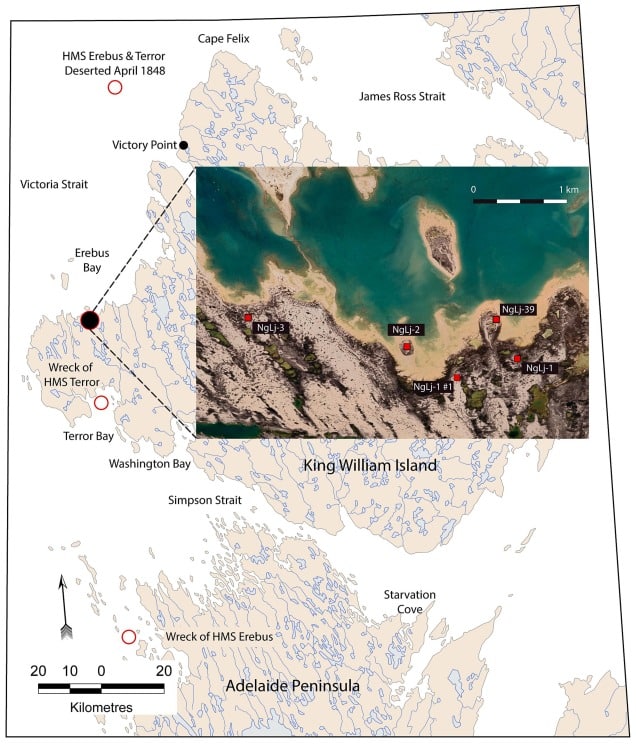
The Franklin expedition remains one of the most haunting chapters in the history of Arctic exploration. Franklin’s two ships, HMS Erebus and HMS Terror, set out in 1845 to chart the Northwest Passage, only to become trapped in ice for nearly two years. By April 1848, all 105 surviving crew members had abandoned the vessels in a desperate bid to reach safety on foot, hauling boats across the frozen landscape of King William Island. None of them made it out alive.
For more than 150 years, the identities of most of these men remained unknown, pieced together only through scattered remains found across King William Island and the nearby Adelaide Peninsula. According to the University of Waterloo, it is precisely this new wave of DNA work, comparing genetic material from skeletal remains with samples volunteered by descendants, that is finally starting to put names to the bones, and filling in gaps about how the expedition’s final chapter actually unfolded.
A Name at Last for Harry Peglar
The most striking resolution concerns a man found in 1859 carrying a set of documents that would become known as the “Peglar Papers,” among the only written records ever recovered from the expedition, containing fragments of poetry and what seem to be accounts of the crew’s ordeal. The papers were found alongside a seaman’s certificate bearing the name Harry Peglar, Captain of the Foretop on HMS Terror. But the clothing on the body didn’t match Peglar’s rank, and the discrepancy left his identity unresolved for generations. DNA analysis has now settled the question.
“It was interesting to conclusively identify this sailor because the body was found with almost the only written documents from the expedition ever found,” said Dr. Robert Park, professor of anthropology at Waterloo and co-researcher on the project.
Peglar’s remains were recovered some 130 kilometers from the other three sailors identified in this latest round, and he remains the only crew member from HMS Terror to be definitively identified through DNA.
Three Shipmates From HMS Erebus
Alongside Peglar, researchers identified three more men: William Orren, an Able Seaman; David Young, a Boy 1st Class; and John Bridgens, a Subordinate Officers’ Steward, all of whom served aboard HMS Erebus and died at Erebus Bay. Their identification confirms that all three survived the ships’ nearly two years trapped in ice and were among those who took part in the 1848 escape attempt.
Unlike the remains of Captain James Fitzjames, identified in 2024, which showed evidence of cannibalism, the remains of these four sailors show no such signs. Dr. Douglas Stenton, adjunct anthropology professor at Waterloo, noted, in his study, that three of the four newly identified men died together at the same site.
“Three of the sailors we have identified are from HMS Erebus, and they all died at Erebus Bay,” he said.
Matching Genes Across Generations and Continents
To confirm each identification, Stephen Fratpietro of Lakehead University extracted DNA from the archaeological remains and compared it against mitochondrial and Y-chromosome DNA supplied by living descendants who could trace an unbroken maternal or paternal line back to the crew.
In each of the four cases, researchers found a genetic distance of zero, strong evidence of shared ancestry. One of those descendants turned out to be BBC journalist Rich Preston, who learned he was related to John Bridgens.
“It was such a huge surprise to hear from the team that my DNA was a match with one of the sailors on the doomed Franklin expedition,”. Preston said, adding that “I used to work on a genealogy show for the BBC that traced people’s fascinating family stories, and so to discover that there’s such an interesting tale in my own family’s past feels very exciting.”

For Stenton, this kind of genetic detective work carries a meaning that goes beyond the historical record, helping identify the body and giving families answers they never expected to have.
“For the living descendants, these findings provide previously unavailable details regarding the circumstances and locations of their relatives’ deaths, as well as the identities of some of the shipmates who died with them.”
Researchers are continuing to encourage other potential descendants to come forward with DNA samples.
Enjoyed this article? Subscribe to our free newsletter for engaging stories, exclusive content, and the latest news.

