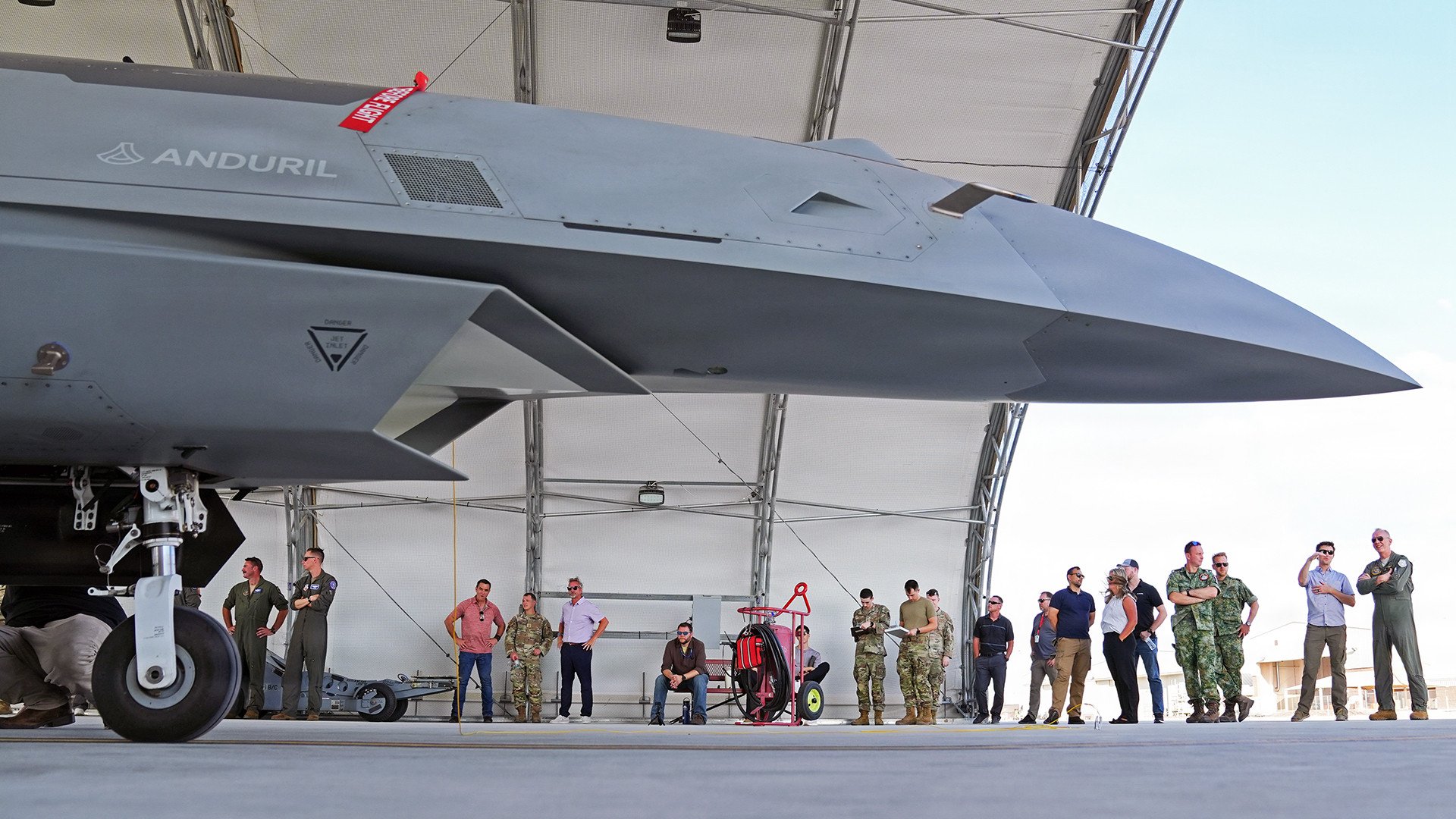
АНУ-ын Агаарын цэргийн хүчин ирэх арван жилд багтаан нисгэгчгүй онгоцны парк болон чадавхиа эрс нэмэгдүүлэх стратегийн төлөвлөгөөгөө танилцууллаа.
АНУ-ын Агаарын цэргийн хүчин 2032 он гэхэд “Хамтын ажиллагаат байлдааны нисэх онгоц” (CCA)-ны тоог дор хаяж 500-д хүргэхээр төлөвлөж байна. Энэхүү хөтөлбөрийн хүрээнд General Atomics компанийн бүтээсэн FQ-42 “Vengeance” болон Anduril компанийн FQ-44 “Fury” нисгэгчгүй онгоцуудыг цувралаар үйлдвэрлэх гэрээг хэдийнэ байгуулжээ. Эдгээр онгоц нь жолоодлоготой сөнөөгч онгоцнуудын гүйцэтгэдэг үндсэн үүрэг даалгавруудыг бие даан гүйцэтгэх чадвартай байх юм.
Үүний зэрэгцээ тус хүчин MQ-9 Reaper нисгэгчгүй онгоцыг орлох “Массжуулсан модульчлагдсан нисэх онгоц” (MMA) хөтөлбөрийг эхлүүлээд байна. 2032 он гэхэд 500 ширхэг MMA-г зэвсэглэлд нэвтрүүлэх зорилт тавьсан бөгөөд эдгээрийг тагнуул, ажиглалт, тандалт болон байлдааны цохилт өгөх зорилгоор ашиглах юм. Энэхүү төсөл нь Иран болон бусад бүс нутагт явуулсан ажиллагааны үеэр гарсан нисгэгчгүй онгоцны хохирлыг нөхөх, цаашид өрсөлдөгч талуудтай хийх томоохон мөргөлдөөнд бэлтгэх зорилготой аж.
Агаарын цэргийн хүчний удирдлагууд энэ төрлийн нисгэгчгүй технологи нь өндөр эрсдэлтэй бүс нутагт цэргийн хүчээ байршуулах, тактикийн давуу талыг хадгалахад нэн чухал гэдгийг онцолж байна. Одоогоор тус хүчин нисгэгчгүй онгоцнуудын ашиглалт, логистик болон тактикийн ажиллагааг боловсронгуй болгох зорилгоор “Туршилтын ажиллагааны нэгж” (EOU)-ийг байгуулж, Невада болон Калифорни муж улсын цэргийн баазуудад хээрийн сургуулилалтуудыг тасралтгүй явуулж байна.
Дэлгэрэнгүйг эх сурвалжаас харах
Эх сурвалжийг нээх ↓
The U.S. Air Force is now aiming to have at least 500 Collaborative Combat Aircraft (CCA) in service by 2032. The service also wants to have an equal number of Massed Modular Aircraft (MMA) drones to succeed its MQ-9 Reapers by that time. In terms of stated CCA force structure plans, this is a substantial step up, with the service having most recently talked about acquiring “over” 150 of these drones by the end of the decade.
Secretary of the Air Force Troy Meink shared updates on the CCA program during a keynote speech at the Air & Space Forces Association’s 2026 Air, Space & Cyber Conference, at which TWZ is in attendance. The service’s top civilian also announced that General Atomics’ FQ-42 and Anduril’s FQ-44 drones have now received official nicknames: Vengeance and Fury. This only represents a change for the General Atomics design, which the company had previously named Dark Merlin. In June, the Air Force announced that it was ordering both types into production.
“We will have autonomous fighters like the Collaborative Combat Aircraft, or CCA. We intend to have at least 500 of these in service by 2032,” Meink said in his speech. “Our intent is to field 100 MMAs in 2029 at even a lower cost than the CCAs and a fraction of [the] cost of manned aircraft we build today. Then by 2032, 500 of these [MMA] platforms will join our force.”
When it comes to CCAs, “today, the first FQ-42 and FQ-44 increments are already rolling off the assembly line,” Meink added. “They’ll be performing many of the same missions that we do with manned fighters today.”
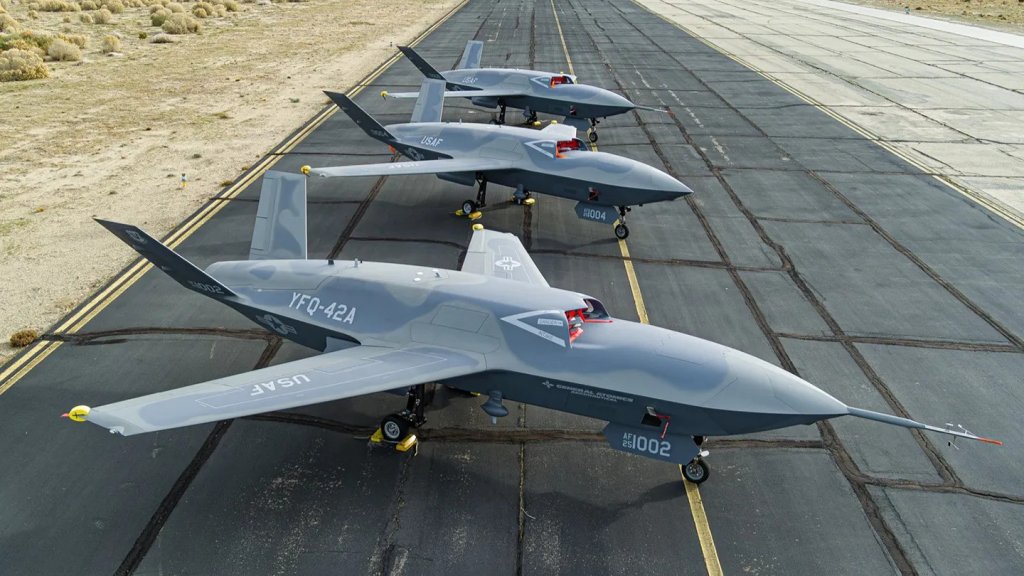
The Air Force’s stated CCA force structure targets have fluctuated significantly in recent years. In 2023, then-Secretary of the Air Force Frank Kendall outlined plans to acquire at least 1,000 CCAs, if not more, across the life of the entire program. However, Kendall and other Air Force officials subsequently talked about a far smaller initial fleet of between 100 and 150 drones.
“These contracts reaffirm our confidence in the strategic path forward for the program to procure over 150 combat capable CCA by the end of the decade,” Meink himself said in a statement in June when the production orders for the FQ-42 and FQ-44 were announced.
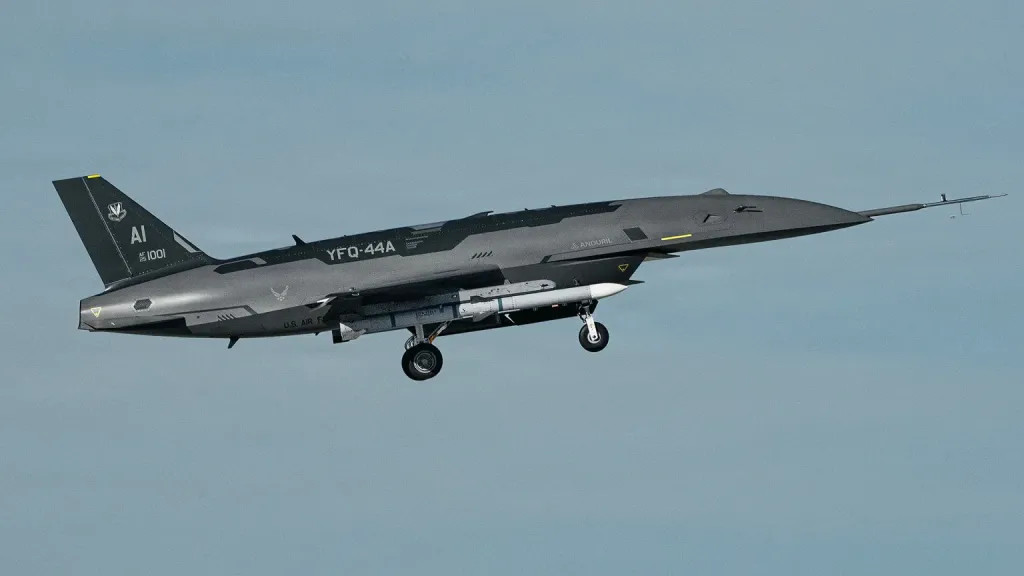
The FQ-42 and FQ-44 are also being acquired under the first phase, or Increment 1, of the CCA program. At least one additional increment is planned, and could lead to orders for one or more additional types of CCA. Though it is not immediately clear, it is possible, if not probable that Increment 2 CCAs are factored into the latest 500 drone figure.
“We talk about 500 by 2032, [but] we could actually build more of them than that,” Secretary Meink also said today during a question-and-answer session immediately following his speech. The goal of the CCA program “from the get-go” was “simple aircraft that you could build fast and at a lower cost,” he continued.
“So now we’re in a situation to [sic] where we could actually build more than we can actually afford to buy,” he added.
It is unclear what the unit costs of the FQ-42 or FQ-44 are currently. The Air Force has said previously that it is targeting a price point of around $20 million apiece once full-rate production gets underway.
Beyond any fleet size target, the Air Force is still very much in the process of figuring out how future CCAs will be deployed, launched, recovered, supported, and otherwise operated on a day-to-day basis, as well as employed tactically. During today’s question-and-answer session today, Meink drew attention to a dedicated Experimental Operations Unit (EOU) the service has established to lead the process of laying the groundwork for future CCA operations. The EOU notably led a significant new round of operational testing of YFQ-42 and YFQ-44 prototypes at Creech Air Force Base in Nevada back in July, which TWZ first to report on. The EOU supported another similar test exercise at Edwards Air Force Base in California in April.
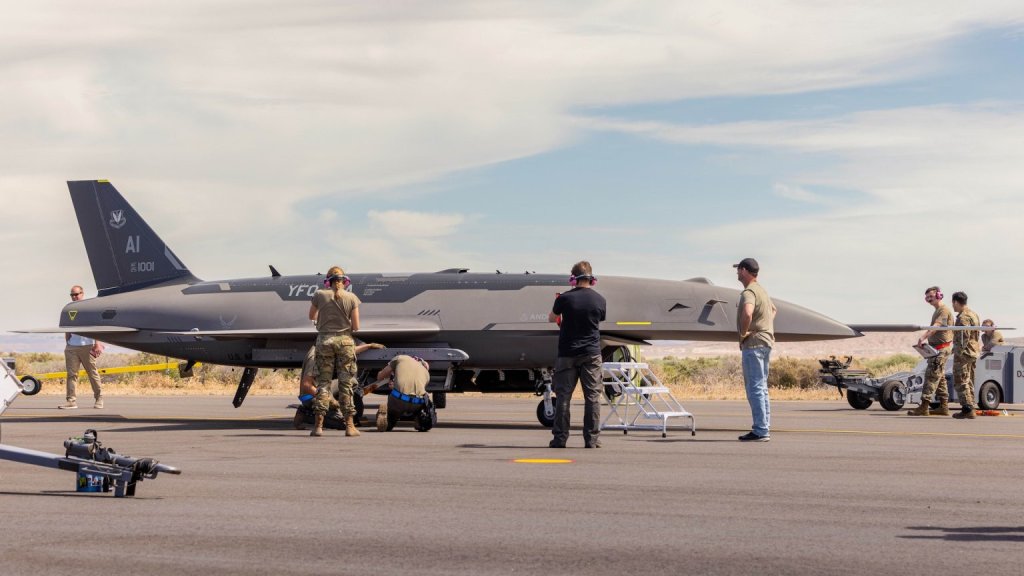
“Getting them [CCAs] into these developmental kind of operational units, so they can start experimenting with that – familiarity breeds confidence, right?” Meink said.
The Air Force continues to make it clear that it sees its future CCA fleets as essential for providing capabilities and operational capacity necessary to succeed in future conflicts, especially a potential high-end fight against a near-peer opponent like China.
“Collaborative Combat Aircraft change how we project power and generate mass in highly contested environments,” Air Force Chief of Staff Gen. Ken Wilsbach said in a statement when the FQ-42 and FQ-44 production contracts were announced. “Delivering this capability to our warfighters faster ensures our forces maintain the tactical edge required to deter and, if necessary, defeat any adversary.”
As mentioned, the Air Force also now has plans to acquire 500 very different combat drones under the MMA program, and at a unit cost of approximately $10 million. This is also a notable increase in total planned fleet size for this effort, with a target of at least 180 airframes having been previously shared publicly.
The MMA drones are expected to conduct the same general strike and intelligence, surveillance, and reconnaissance (ISR) mission sets the service’s MQ-9A Reapers perform today. Major Reaper losses in the course of operations against Iran, compounded by significant additional attrition and deliberate divestments in recent years, are key drivers behind the MMA effort, which officially kicked off in July.
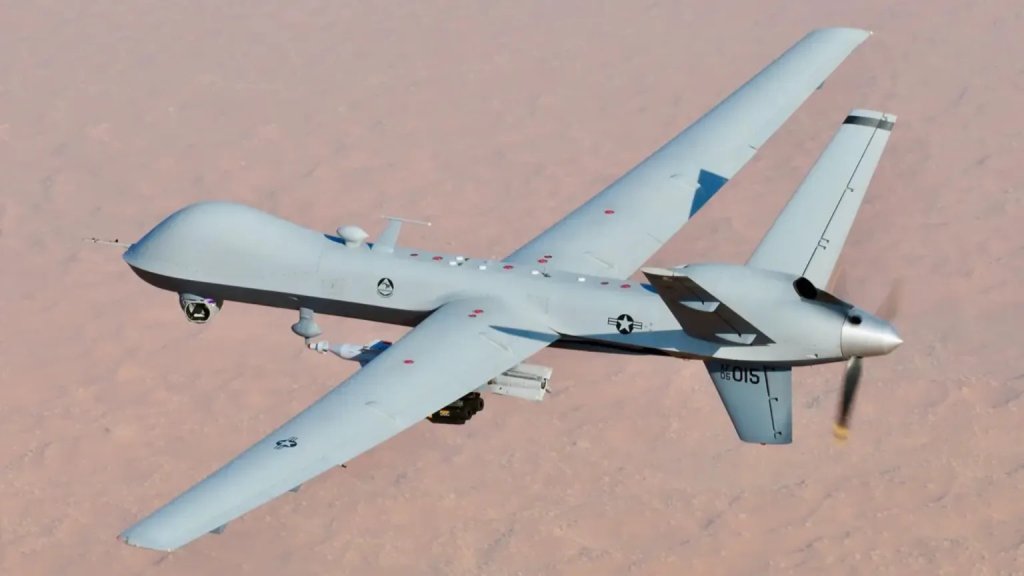
“As we saw in Epic Fury [the nickname for major combat operations against Iran earlier this year], ISR/strike platforms have been essential. We have used MQ-9 and even now the ULTRA aircraft to great effect,” Meink said during his speech today. The MMA program is “building on these lessons” and “will provide affordable, attributable, long-range strike, and we will be able to field them at scale.”
“MMA is designed to deliver the results our combat commanders need,” Chief of Staff Wilsbach said during his own separate keynote at the Air, Space & Cyber Conference today. “That’s how we stay ahead by moving quickly, investing in new tech, and delivering to our warfighters what they need to win.”
If the Air Force can meet its target of having a fleet of at least 500 MMA drones by 2032, this will be another significant boost to the service’s overall uncrewed capabilities. As of May, the Air Force had 135 MQ-9s left in inventory, and there have been more reported losses since then.
General Atomics, which developed the Reaper, has already put forward a new design called Wildfire as a potential successor. Many other companies are already lining up to submit their own proposals to meet the Air Force’s MMA needs.
Between the latest CCA force structure plans and the new MMA program, the Air Force’s fleets of combat drones are on track to look very different by 2032.
Contact the author: joe@twz.com
The post Fleet Of At Least 500 Collaborative Combat Aircraft By 2032 Now In USAF’s Plans appeared first on TWZ.

