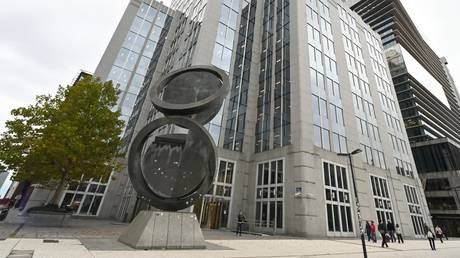
Бельгийн Төрийн зөвлөл ОХУ-ын BCS банкны царцаасан хөрөнгийг чөлөөлөхөөс татгалзсан засгийн газрын шийдвэрийг хүчингүй болголоо.
Бельгийн дээд захиргааны шүүх уг шийдвэрийг гаргахдаа эрх бүхий байгууллага нь хөрөнгө царцаах үйл явцыг тодорхой журамлаагүй, хууль ёсны эрх мэдэлгүй агентлагт хэт өргөн хүрээтэй эрх шилжүүлэн өгсөн нь үндсэн хууль зөрчсөн үйлдэл гэж дүгнэжээ. BCS банк 2022 оны хоёрдугаар сард Украйны мөргөлдөөний улмаас Европын холбооноос тогтоосон хориг арга хэмжээний хүрээнд хөрөнгөө царцаалгасан бөгөөд тус банкны хөрөнгө ОХУ-ын Үндэсний төлбөр тооцооны депозитариар (NSD) дамжин Euroclear-т хадгалагдаж байсан юм.
Тус банк 2023 оны нэгдүгээр сард хөрөнгөө чөлөөлөх хүсэлт гаргасан ч Бельгийн Сангийн яамны харьяа байгууллага үүнийг 2024 оны долдугаар сард няцаасан байна. Татгалзах үндэслэлдээ BCS банк нь NSD-тэй харилцаагаа тасалснаа нотлоогүй, хөрөнгийг Арменийн банк руу шилжүүлбэл хяналт тавих боломжгүй болно гэж тайлбарлажээ. Шүүх уг шийдвэрийг хүчингүй болгосон нь хөрөнгийг шууд чөлөөлөх автоматаар нөлөөлөхгүй ч тус банк дахин хянуулж, бусад ижил төстэй асуудалтай компаниудад жишиг тогтоох эрх зүйн үндэс болж байна.
Мөн шүүх тус банкны АНУ болон Европын холбооны хоригт орсон байдал нь давж заалдах эрхийг үгүйсгэх үндэслэл болохгүй гэж үзлээ. Бельгийн засгийн газар АНУ-ын хориг арга хэмжээг тодорхойгүй хугацаагаар үргэлжилнэ гэж таамаглах эрхгүй гэдгийг шүүх онцолсон байна.
Европын холбооны дээд шүүх есдүгээр сарын эхээр ОХУ-ын улс төрийн тогтолцоог дангаар нь үндэслэн тус улстай холбоотой компаниудын хөрөнгийг царцаах нь хангалтгүй гэсэн шийдвэр гаргасан юм. Европын холбооны Шүүхийн дүгнэснээр, аливаа компанийг хоригт орсон этгээдийн хяналтад байгааг нотлохын тулд бодитой, баттай үндэслэл шаардлагатай ажээ.
Дэлгэрэнгүйг эх сурвалжаас харах
↓Эх сурвалжийг нээх ↓
Belgium’s highest administrative court has struck down a government decision not to release the frozen assets of Russia’s BCS Bank. The authorities failed to establish a clear procedure for handling such requests and delegated responsibility to an agency with no legal authority to process them, the court, known as the Council of State, concluded.
The bank’s funds were frozen alongside Russia’s sovereign assets as part of EU sanctions imposed following the escalation of the Ukraine conflict in February 2022. Kiev’s Western backers froze some $300 billion in Russian sovereign assets, with most held at Brussels-based depository Euroclear. BCS Bank’s funds were blocked because they had been placed with Euroclear through Russia’s National Settlement Depository (NSD), which was targeted by the restrictions.
In January 2023, the private Russian lender applied to the Belgian Treasury for the release of the funds. The Treasury rejected the request in July 2024, arguing that BCS had failed to demonstrate the termination of its relationship with the NSD and that transferring the funds to an Armenian bank would make it impossible for Belgian authorities to monitor their eventual use. The decision prompted the bank to file a complaint with the Council of State.
Last Friday, the court ruled that Belgium had handled the case improperly. The Ministry of Finance should have handled the request but instead delegated its authority to the Office of the Administrator General of the Treasury, granting it “excessively broad and unclear” powers, according to the ruling.
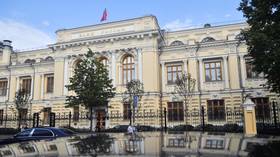
According to the court, the ministry created a legal vacuum by using an “excessively obscure” definition of the delegated powers and giving the agency broad leeway on issues affecting “fundamental rights.” The Council of State found that the ministry’s actions violated the nation’s constitution and struck down the 2024 decision.
The ruling does not automatically free up BCS Bank’s assets, but it allows the lender to seek a review and sets a precedent for other legal entities whose similar requests were refused under the same circumstances.
The court also rejected Belgium’s argument that the bank, which was added to the US sanctions list in 2024 and the EU sanctions list in May 2026, had lost its right to appeal. The Council of State specifically noted that the Belgian government cannot presume that US sanctions will remain in place “indefinitely.”
The exact number of Russian companies affected by the EU asset freeze is unclear, as the Belgian clearing house does not publish lists of its clients, citing EU data privacy laws. Russian authorities have also not made the information public.
In early September, the EU’s top court ruled that the nature of Russia’s political system cannot be used as the sole justification for freezing assets belonging to Russian-linked companies. The Court of Justice of the European Union (CJEU) stated that authorities first need “an objective and sufficiently solid basis” to prove that a company is controlled by a sanctioned person.
The ruling came in a case involving Lithuania’s 2022 decision to freeze the funds of electricity supplier Inter Rao Lietuva, which is not itself on the EU sanctions list but is controlled by a Russian state-owned power company.

