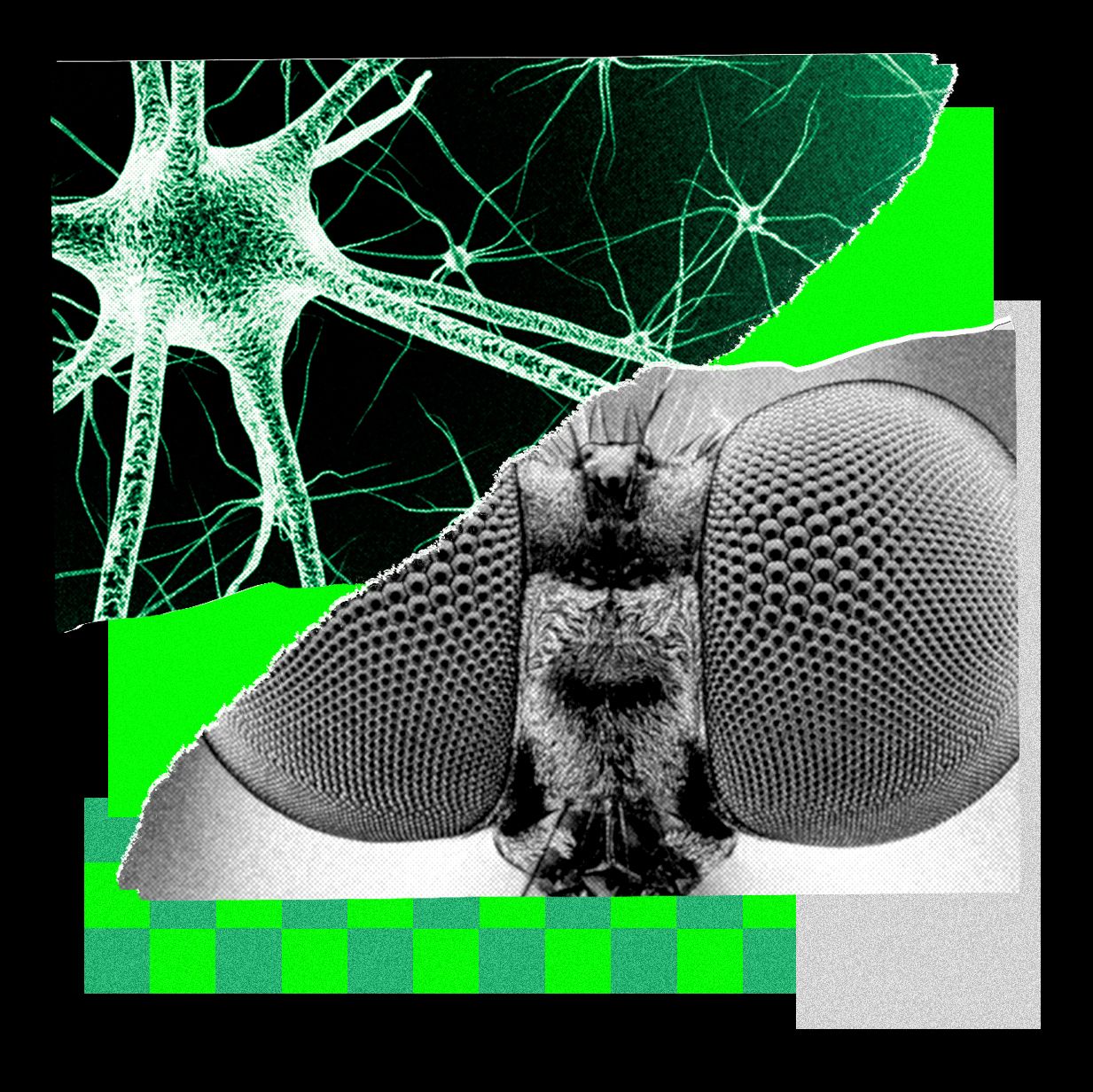
Судлаачдын нээлттэй эх сурвалж болгон гаргасан жимсний ялааны мэдрэлийн сүлжээний зураглал нь технологийн сонирхолтой туршилтуудын үндэс болж байна.
Google болон эрдэм шинжилгээний байгууллагуудын судлаачид жимсний ялааны тархины 166,000 мэдрэлийн эс, 125 сая синапсын холбоосыг багтаасан “connectome” буюу мэдрэлийн холболтын нарийвчилсан зураглалыг боловсруулжээ. Энэхүү өгөгдлийг нээлттэй болгосноор хөгжүүлэгчид биологийн оюун ухаанд суурилсан хиймэл оюун ухааны энгийн загварчлалыг гаргаж авах боломжтой болсон юм. Тухайлбал, WIRED сэтгүүлийн туршилтаар энэхүү загварыг ашиглан нийтлэлийн гарчиг гаргах чадвартай “PitchFly” системийг бүтээжээ.
Энэхүү технологийн боломжийг ашиглан сонирхогчид олон төрлийн бүтээлч төслүүдийг хэрэгжүүлж байна. Тухайлбал, зарим хөгжүүлэгчид жимсний ялааны тархины загварыг виртуал бодит байдлын тоглоом тоглох эсвэл хувьцааны арилжаа хийхэд зориулан сургажээ. Хэдийгээр эдгээр систем нь үгсийн утгыг бүрэн ойлгодоггүй ч өгөгдсөн хэв маягийг дахин боловсруулах замаар шинэлэг үр дүн гаргадаг байна.
Энэхүү туршилтууд нь хиймэл оюун ухааны оршин тогтнох эрсдэл болон ёс зүйн асуудлууд хөндөгдөж буй өнөө үед олон нийтийн анхаарлыг татаж байна. Хөгжүүлэгчид хиймэл оюун ухааныг биологийн тархины бүтэцтэй холбох нь ухамсар болон оюун ухааны мөн чанарыг ойлгоход чухал ач холбогдолтой философийн асуултуудыг дэвшүүлж байгааг онцолжээ.
Дэлгэрэнгүйг эх сурвалжаас харах
↓Эх сурвалжийг нээх ↓
Meet PitchFly, WIRED’s latest editorial recruit.
He has 165,112 neurons, and they’re all trained to generate story ideas. A sampling of his early output: “The Hidden Weather Problem Inside Surveillance”; “The Engineers Who Think Elon Musk Needs Less Computer Security”; and my personal favorite, “Everyone Wants Cooking. Nobody Has Solved Donald Trump.”
PitchFly uses a detailed map of the brain of a male drosophila—the common fruit fly. Developed by researchers from Google and a number of academic institutions, the map, known as a connectome, captures the way that 166,000 neurons and 125 million connecting synapses fire in response to stimuli. In essence, you can use it to simulate how a fly would respond to lots of stuff—it’s a very simple version of artificial intelligence based on charting real biological intelligence.
Because the researchers open-sourced it, you can easily use AI to import the connectome into a project with a little prompting. For PitchFly, I vibe coded a project in which the tiny digital drosophila brain generates story ideas. (I’m not sure why the fly has a little hat on, but I like its style.) This involved scraping together hundreds of the most popular story headlines from the site from the past year and feeding them into the connectome. I had Codex do the hard work, and it decided that the most efficient approach was to turn the headlines into words and phrases, then transform them into a representation that a neural network could understand. The connectome was fed the best-performing stories and told to generate its own ideas based on that.
In other words, this isn’t a fly-based language model—although someone apparently created one of those. The fly brain has no idea what any of the words mean, or if any of it makes sense. It’s just remixing the patterns it has seen in pleasing new ways. A cynic might suggest this is exactly how some journalists generate their own pitches, but I think that’s a bit unfair—and judging by its lunatic ideas, PitchFly won’t be replacing me anytime soon:
- The Tiny Shift in Agentic AI Is Rewriting the Rules of Food and Drink
- What Security News Is Quietly Doing to Donald Trump
- The Race to Reinvent Privacy Before Artificial Intelligence Breaks
- Is China About to Make Digital Syndication Obsolete?
In the future, perhaps I could have the program continue to learn by reading new WIRED headlines. For now, though, this seems like a decent proof of concept, not to mention evidence at last that the average WIRED writer is intellectually superior to a fruit fly.
After the connectome’s release in early September, dozens of other weird and wonderful projects powered by fruit-fly intelligence sprang up.
An X user called Lyra Bubbles, for instance, demo’d a project that involved training the virtual fly brain to play the VR game Beat Saber. Alex Wormuth, a software engineer at Coinbase, created StonkFly, which uses the fly’s tiny brain to decide how to trade stocks. (It’s losing money, but it’s doing surprisingly well, all things considered.)
“The fly brings lighthearted, humorous relief” at a time when everyone is worried about the existential risks of AI, Wormuth told me in a DM. He says he found playing with the fruit fly connectome philosophically fascinating, too. “It sparks questions about ethics of this and whether there is any consciousness [in the replication of fly’s brain],” he says.

