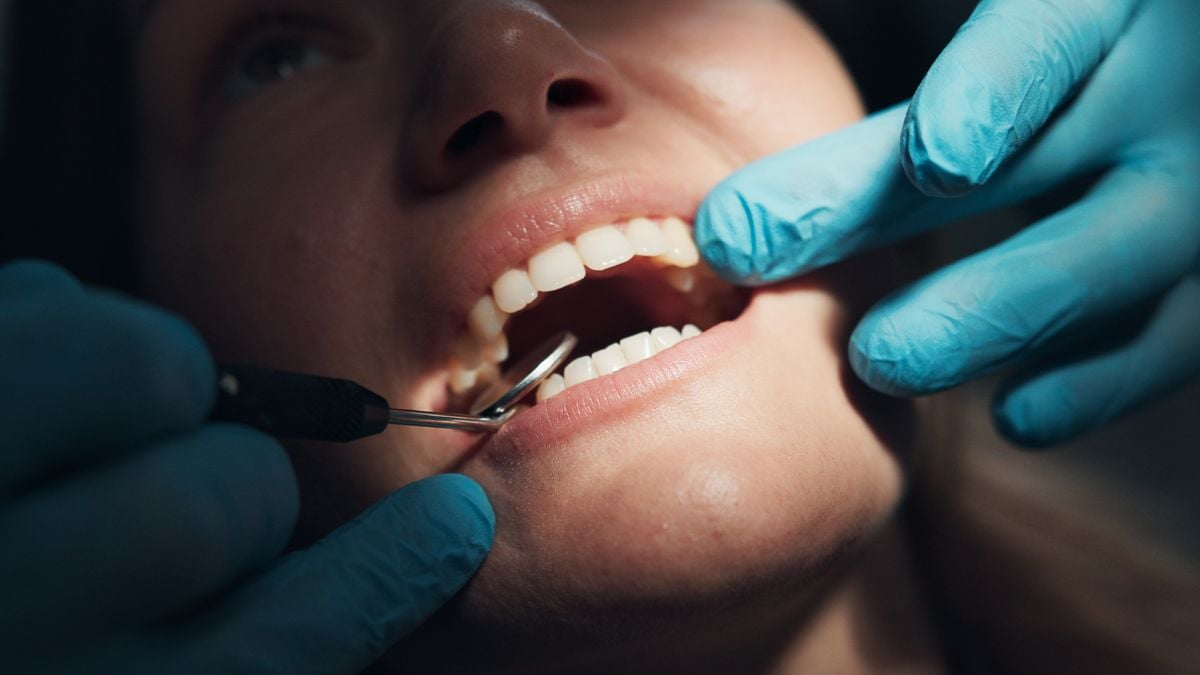
Японы эрдэмтдийн хийсэн урт хугацааны судалгаагаар буйлны үрэвсэл, шүдний алдагдал нь дементи буюу зөнөх өвчний эрсдэлтэй холбоотой байж болзошгүйг тогтоов.
“The Journal of Clinical Periodontology” сэтгүүлд нийтлэгдсэн уг судалгаанд Японы 1,400 орчим иргэний амны хөндийн болон мэдрэлийн эрүүл мэндийн байдлыг 10 жилийн турш ажиглажээ. Судалгааны үр дүнгээс үзэхэд, буйлны цус алдалт ихтэй хүмүүс дементи өвчнөөр өвчлөх магадлал 56 хувиар, Альцгеймер өвчнөөр өвчлөх магадлал 61 хувиар илүү байв. Түүнчлэн буйлны ухралттай хүмүүсийн дунд дементийн эрсдэл 59 хувиар, шүд болон буйлны хоорондох зай гүн хүмүүсийн дунд 72 хувиар тус тус өндөр байжээ.
Кюүшюү их сургуулийн эрдэмтэн Мичико Фүрута тэргүүтэй баг буйлны үрэвсэл нь бие махбодод суурь үрэвслийг үүсгэдэг болохыг тэмдэглэв. Энэхүү үрэвсэл нь тархины цусны хориг саадыг гэмтээж, улмаар тархины эд эсэд нөлөөлөн мэдрэлийн үрэвсэл үүсгэх эрсдэлтэй гэж судлаачид үзэж байна. Мөн амны хөндийн нян тархинд нэвтэрч, Альцгеймер өвчний үед илэрдэг уургийн хуримтлалыг нэмэгдүүлж болзошгүйг хулгана дээр хийсэн туршилтууд харуулжээ.
Гэсэн хэдий ч энэ нь ажиглалтын судалгаа тул амны хөндийн эрүүл ахуй муу байх нь дементи өвчнийг шууд үүсгэдэг гэдгийг батлах боломжгүй юм. Судлаачид цаашид илүү өргөн хүрээний судалгаагаар энэхүү холбоог баталгаажуулах шаардлагатай гэж үзэж байна. Хэрэв энэ хамаарал тогтоогдвол буйлны эрүүл мэндийг сайжруулах нь дементи өвчнөөс урьдчилан сэргийлэх нэг арга байж болох юм.
Дэлгэрэнгүйг эх сурвалжаас харах
↓Эх сурвалжийг нээх ↓
A surprising link between oral health and the brain is growing stronger by the year.
In a long-term study in Japan, bleeding and receding gums were linked to a substantially higher risk of dementia.
While most of us think of dementia as a brain disease, emerging evidence is linking gum disease and oral microbes with changes to neurological tissue and cognitive function.
Some studies even suggest that losing teeth can increase the risk of stroke or neurodegenerative disorders like Alzheimer’s.
Now, a new analysis adds to the idea that the cause of dementia may be coming from inside the mouth.
The findings are published in The Journal of Clinical Periodontology.
The study is observational, so it can’t prove that poor gum health is causing dementia, but the data are long-term.
Researchers tracked the oral and neurological health of nearly 1,400 adults in Japan for a decade.
Compared to those with the least amount of gum bleeding, those who experienced the most bleeding were 56 percent more likely to develop all-cause dementia in the next ten years.
They were also 61 percent more likely to develop Alzheimer’s specifically.
But there was another factor linked to brain health, too.
Participants with the worst receding gums had a 59 percent higher risk of all-cause dementia.
What’s more, those with the deepest gaps between the teeth and gums were 72 percent more likely to develop all-cause dementia.
With more than 40 percent of the US population over the age of 30 suffering from gum disease, these associations could have vast implications for public health.
“These findings support a potential role of poor periodontal health in dementia development,” write the study authors, led by dental scientist Michiko Furuta from Kyushu University in Japan.
Bleeding gums with gaps near the teeth are both indicators of active and progressive inflammation.
This inflammatory state could be part of what contributes to dementia pathology, although that idea remains speculative.
Recently, studies have found that inflammation in other parts of the body, like the gut, may also contribute to dementia risk.
“Persistent systemic inflammation may impair the blood–brain barrier, allowing inflammatory mediators to penetrate the brain tissue and induce neuroinflammation and neuronal damage,” suggest researchers in Japan.
These factors may then raise the risk of Alzheimer’s.
“Until not that long ago, most people, including myself, did not think that the immune response was even involved in neurodegenerative diseases that are due to protein accumulation in the brain,”neurologist David Holtzman from Washington University in St. Louis said about a recent study on neuroinflammation and dementia.
“We’ve shown they’re important, and that they are a potential target for future therapy.”
Inflammatory signals in the blood and dementia in the brain seem to be closely linked, but receding or bleeding gums may also foster pathogens that can potentially threaten brain health in a more direct way.
In experiments with mice, for instance, oral infection with a bacterium led to that pathogen colonizing the brain.

This, in turn, was associated with increased production of sticky proteins in the brain commonly linked to Alzheimer’s.
While the current study tracks participants over a long period of time, there were only 51 cases of vascular dementia compared to 267 cases of all-cause dementia.
This makes it hard to glean why bleeding gums are associated with some types of dementia more than others.
Related: Nose-Picking May Have a Surprise Link With Alzheimer’s, Study in Mice Suggests
These findings will need to be confirmed in larger, more diverse cohorts to see if oral health really is predictive of future cognitive decline, and which factors of oral health contain the most clues.
If the state of the mouth and the brain are united, however, then dental care to “improve and maintain periodontal health may help reduce the risk of dementia,” the authors theorize.
Don’t forget to floss!
The study is published in The Journal of Clinical Periodontology.
This article was fact-checked by Rebecca Dyer and edited by Rebecca Dyer. While we pride ourselves on our process, we are only human. If you spot a mistake, please let us know.

