Дөрвөн тэрбум долларын өртөгтэй тус дуран сансарт ажиллаж эхэлснээ баталгаажуулж, ирээдүйн шинжлэх ухааны нээлтүүдийн эхлэлийг тавилаа.
НАСА-гийн Нэнси Грэйс Романы нэрэмжит сансрын дуран (Nancy Grace Roman Space Telescope) 8 дугаар сарын сүүлээр сансарт хөөрснийхөө дараа томоохон амжилтад хүрч, анхны оддын гэрлийг бүртгэж авлаа. Техникийн баг дурангийн 300 мегапикселийн хэт улаан туяаны Wide Field Instrument камерыг амжилттай идэвхжүүлж, туршилтын эхний зургуудыг хүлээн авсан байна. Одоогоор дурангийн температур болон дулааны хяналтын систем хэвийн ажиллаж байгаа бөгөөд мэргэжилтнүүд ирэх 30 хоногийн турш төхөөрөмжийн төлөв байдлыг үргэлжлүүлэн хянах юм.
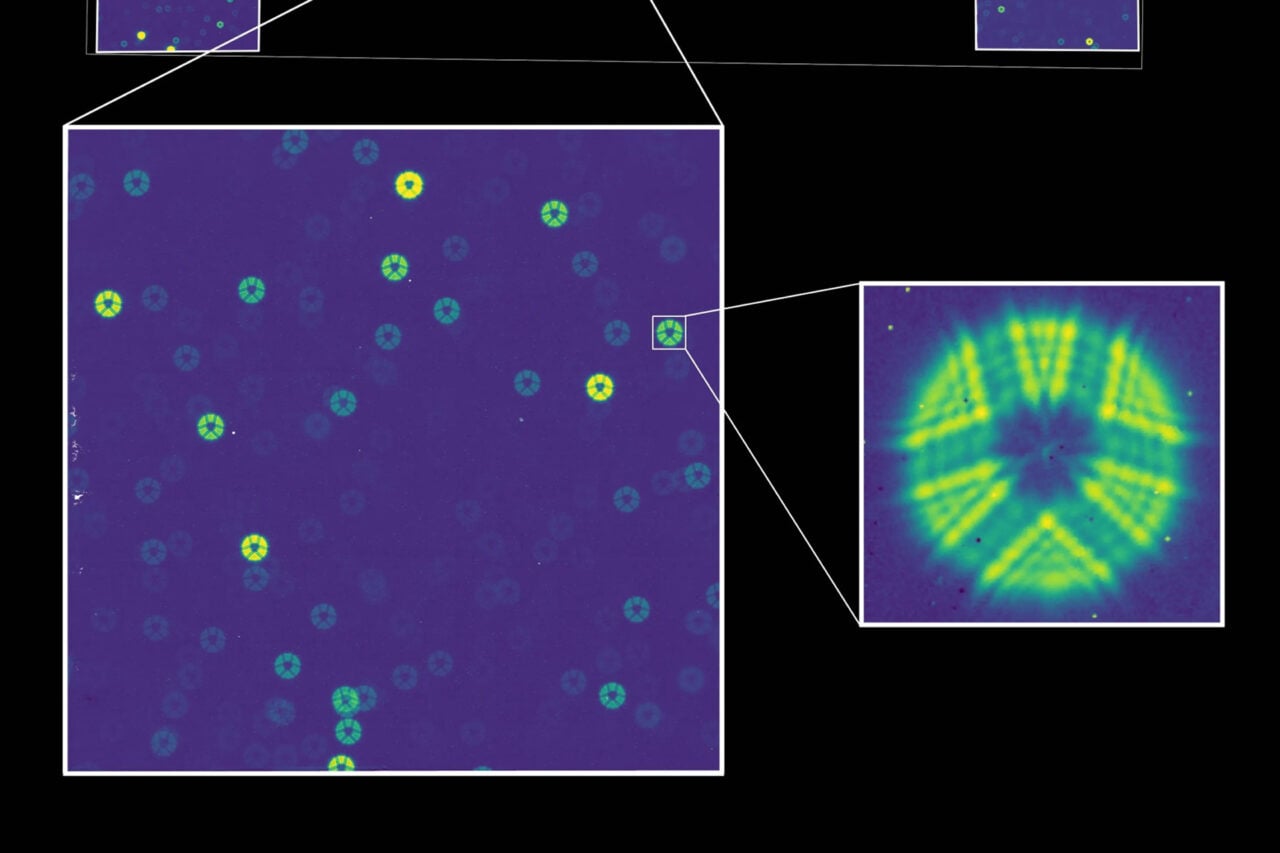
Туршилтын эхний зургуудад одод бүдэг, цагираг хэлбэртэй харагдаж байгаа нь камерын фокус болон тохируулга бүрэн хийгдээгүйтэй холбоотой юм. Дурангийн төхөөрөмжүүд сансрын хүйтэн нөхцөлд дасан зохицож, хөргөх үйл явц үргэлжилж байгаа тул бүрэн тохируулгын дараа илүү тод, нарийвчлалтай дүрслэл авах боломжтой болно. НАСА-гийн Годдардын сансрын нислэгийн төвийн эрдэмтэн Жош Шлидер дуран сансарт бүрэн ажиллагаатай болсныг баталгаажуулсан нь шинжлэх ухааны томоохон нээлтүүдийн эхлэл болж байна хэмээн онцоллоо.
Уг дуран нь дэлхийгээс 1.5 сая км-ийн зайд орших Нар-Дэлхийн Лагранжийн L2 цэг рүү чиглэн явж байгаа бөгөөд Hubble сансрын дурангаас 100 дахин том талбайг ажиглах хүчин чадалтай юм. Романы дуран нь хар матери, орчлон ертөнцийн тэлэлт болон нарны аймгийн гаднах экзопланетуудыг судлах 22 жилийн хугацаатай үндсэн зорилготой. Эдгээр нарийн төвөгтэй асуултуудад хариулахын тулд НАСА илүү хүчирхэг технологи бүхий энэхүү төхөөрөмжийг бүтээсэн нь одон орон судлалын салбарт томоохон дэвшил авчрах юм.
Дэлгэрэнгүйг эх сурвалжаас харах
Эх сурвалжийг нээх ↓
The road to launch was long and arduous, but NASA’s Nancy Grace Roman Telescope finally got to space in late August. While Roman is still on its way to its final destination, it reached a major milestone on Thursday: first light.
In a blog post, NASA reported that Roman’s technical team successfully activated the telescope’s Wide Field Instrument, the 300-megapixel infrared camera slated to take wide, high-res images of the deep cosmos. As a treat to the public, the team shared the first several test images taken by the camera, which show the first photons of starlight to reach Roman’s extremely sensitive sensor.
In addition, the team was able to confirm that the telescope’s thermal control was operating as expected. The researchers will continue to monitor Roman’s condition for the next 30 days, but the message is clear. Roman is operational!
The initial photos show a field of blurry green, yellow, and blue stars against a blue backdrop, with individual stars looking more like halos or donuts than points of light. Not to worry though, the camera is still cooling down in its housing and hasn’t been properly focused or calibrated yet, so once it is fully deployed, those cute little donuts are going to shine.
“After years of effort to build and test the instrument on the ground, we now have confirmation that it is operational in space,” Josh Schlieder, an instrument scientist with NASA’s Goddard Space Flight Center, said. “There is much to do, but we are on our way to groundbreaking science.”
Flying over rough patches
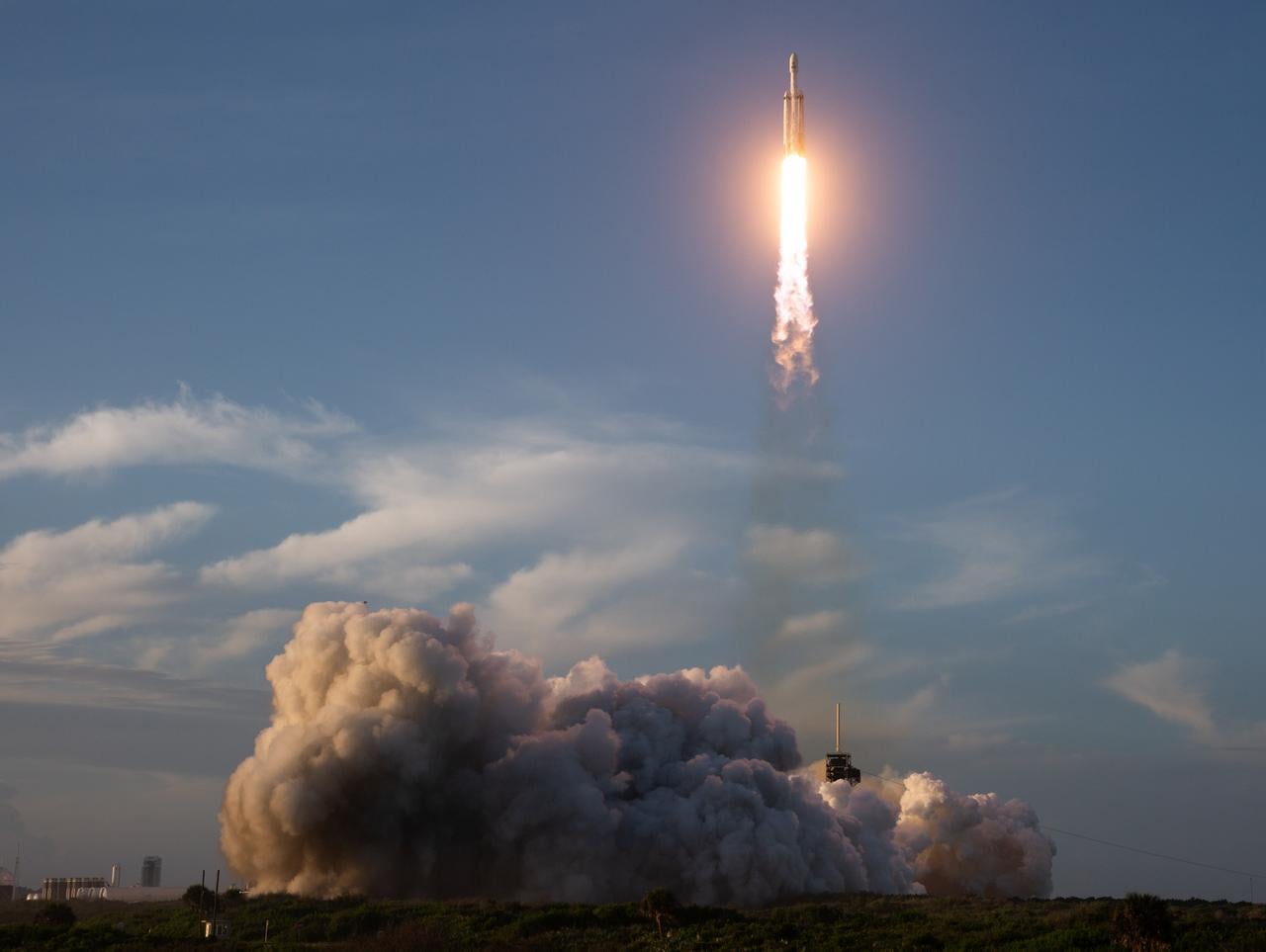
Those following spaceflight news may know of the budgetary storm Roman had to endure, even as late as 2025. Thankfully, the telescope—which some experts say brings the power of “200 Hubbles”—wasn’t canceled, and in fact took off earlier than its initial launch plan for 2027. As of now, Roman is making it’s million mile journey (1.5 million kilometers) to the second Sun-Earth Lagrange point, or L2.
Like the James Webb Space Telescope, Roman studies the universe by looking for infrared light, and will have an observation range that’s roughly 100 times larger than the Hubble Space Telescope. Given the immense contributions to astronomy we’ve seen from Webb and Hubble, it goes without saying that Roman will further advance our understanding of the universe and how we got to where we are today.
First light, and beyond
The $4 billion space telescope is obviously designed to withstand the uninviting conditions of deep space, but scientists keep their eyes peeled to check, double-check, and triple-check that every part of the telescope is in order. To put this into perspective, before activating the Wide Field Instrument, the team had to let it dry out and cool down for 10 days to a specific temperature, as not to overwork Roman’s laptop-sized infrared detectors. This was one of many preliminary tests conducted in the past couple of weeks, according to NASA.
Once Roman formally begins its mission (which was extended from 10 to 22 years thanks to a better-than-expected launch), it will observe the universe for three major objectives: dark matter, the universe’s expansion, and planets outside our solar system. All three are very consequential, convoluted, and challenging to tackle in different ways—basically, they’re the questions that give astronomers the worst headaches. So, as the old physics wisdom goes: to answer big questions, build big machines.

