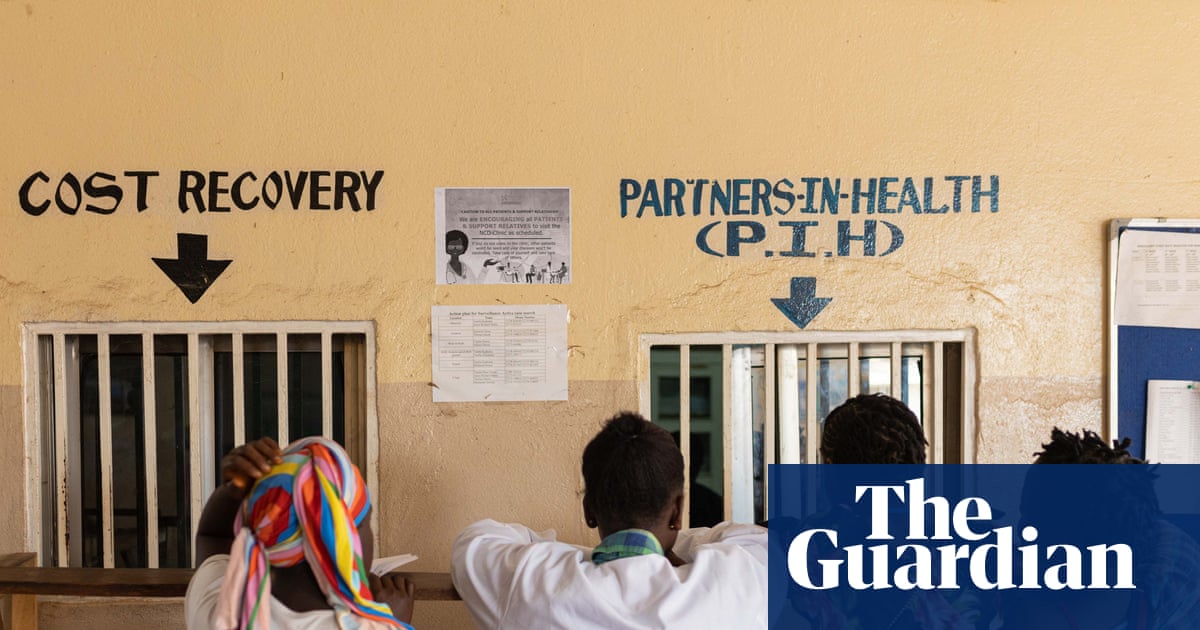
Кейр Стармерийн засгийн газар батлан хамгаалах салбарын зардлыг нэмэгдүүлэх зорилгоор гадаад хөгжлийн тусламжийн төсвөө танасан нь хамгийн эмзэг бүлгийн орнуудад сөргөөр нөлөөлж байна.
Их Британийн Гадаад хэрэг, хамтын нөхөрлөл, хөгжлийн яамны шинэ тоо баримтаас үзвэл, 2025 онд хамгийн буурай хөгжилтэй болон орлого багатай орнуудад олгох санхүүжилт 6.7 хувиар буюу 118 сая фунт стерлингээр танагджээ. Тус улсын албан ёсны хөгжлийн тусламжийн нийт төсөв үндэсний нийт орлогын 0.44 хувь болж буурсан нь өмнөх оны 0.5 хувиас буурсан үзүүлэлт юм. Засгийн газар уг хэмнэгдсэн хөрөнгийг батлан хамгаалах салбар руу шилжүүлэхээр төлөвлөж байна.
Тусламжийн тэргүүлэх хүлээн авагчдын тоонд Украйн, Йемен, Афганистан улсууд багтаж байгаа боловч Украйнд олгох тусламжийг тусгайлан хамгаалсан бол Йемен болон Афганистанд үзүүлэх дэмжлэгийг 2028-2029 он гэхэд 28-39 хувиар бууруулахаар төлөвлөжээ. Үүний зэрэгцээ тусламжийн 18.4 хувийг Их Британид орогнол хүсэгчдийн дотоодын зардалд зарцуулсан байна.
Тусламжийн байгууллагууд энэхүү таналт нь эх барихын тусламж үйлчилгээ, хөгжлийн бэрхшээлтэй хүүхдийн боловсрол зэрэг нэн чухал хөтөлбөрүүдийг зогсооход хүргэж байгааг анхаарууллаа. Олон улсын хүмүүнлэгийн байгууллагуудын мэдээлснээр, санхүүжилтийн хомсдолын улмаас өнгөрсөн онд 64 сая хүн тусламж авч чадаагүй байна. Шинжээчид энэхүү шийдвэр нь дэлхийн хэмжээнд хүмүүнлэгийн хямралыг гүнзгийрүүлж, аврах боломжтой байсан сая сая хүний амь нас эрсдэх аюултайг сануулж байна.
Дэлгэрэнгүйг эх сурвалжаас харах
↓Эх сурвалжийг нээх ↓
The world’s poorest countries were worst hit by British aid cuts under Keir Starmer’s government, while higher-income countries saw their share of aid increase, new figures reveal.
The latest figures released by the Foreign, Commonwealth and Development Office show a 6.7% decrease in funding to the least-developed countries and low-income countries, amounting to cuts of £118m.
The UK’s overall Official Development Assistance budget in 2025 decreased to 0.44% of gross national income (GNI), compared with 0.5% in 2024, a drop of £987m. Further cuts are expected as part of the plans announced last year by Keir Starmer, who said money would be redirected towards defence spending.
Gideon Rabinowitz, the director of policy and advocacy at the charity network Bond, said it was “shocking” that the least-developed countries had borne the brunt of the cuts.
“The human cost of these cuts is already being felt, with critical humanitarian programmes – from maternal health provision in Sierra Leone to education for children with disabilities across Africa – already being forced to close,” said Rabinowitz.
“Marginalised communities around the world, including in climate-vulnerable and conflict-affected areas, are being left to pay the highest price for the Starmer government’s political choices.”
The highest share of aid, 18.4%, was spent within the UK on in-country costs for asylum seekers. This was a reduction from 20% in 2024.
The top three recipients of aid were Ukraine, Yemen and Afghanistan, but while aid to Ukraine is ringfenced, further upcoming cuts will see Yemen receive 28% less and Afghanistan 39% less by 2028/29.
While low-income countries saw their aid decline, it increased to lower-middle-income countries by 13% and by 2% to upper-middle-income countries.
Aid experts have warned that aid cuts by the UK, United States and Europe are forcing aid workers to cut anything but immediate life-saving support, even when this could lead to millions of avoidable deaths.
Earlier this month, a report by Active Learning Network for Accountability and Performance (Alnap) revealed that 64 million fewer people received aid last year as a result of the cuts.
after newsletter promotion
“Across the humanitarian system, these cumulative reductions have contributed to the largest funding gap on record and forced increasingly difficult prioritisation,” said Jennifer Doherty, the report’s co-author.
“The longer-term consequences will depend not only on future decisions by donor governments, but also on how crisis-affected governments and other local and regional support systems adjust their own policies and approaches in response to reduced external assistance. Where those systems are unable to absorb the shock, there is a risk that more people will be left without support.”
Bond, the charity network, is calling for the new prime minister, Andy Burnham, to reconsider the aid cuts introduced by his predecessor.
“What little remains of the UK aid budget must go where it is most needed: and contribute to the reduction of poverty and inequality – particularly in fragile and conflict-affected countries, where humanitarian needs are most acute,” said Rabinowitz.

