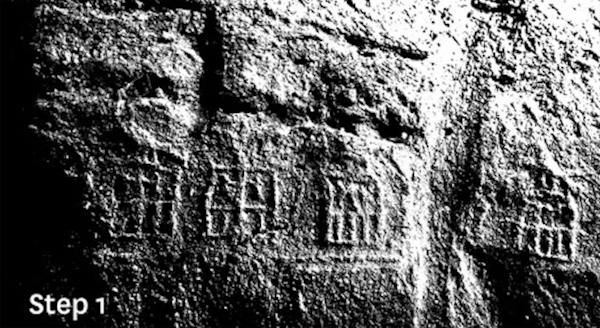
Орчин үеийн дүрс боловсруулах технологи нь 1940-өөд онд олдсон эртний шавар эдлэлийн бүдэг бичээсийг тайлж, Египетийн түүхэн дэх нууцлаг захирагчийн статусыг тодруулахад тусалжээ.
Египетийн анхны династийн үед амьдарч байсан Меретнейт хатан нь зөвхөн хаан ширээг түр хариуцагч эсвэл хатан төдий бус, бие даасан эрх мэдэлтэй жинхэнэ хаан байсан байж болзошгүй гэх судалгааг Prague Egyptological Studies сэтгүүлд нийтэлжээ. Энэхүү дүгнэлтийг гаргахад 1940-өөд онд Саккара дахь булшнаас олдсон, өдгөө үрэгдсэн шавар таглаан дээрх бичээсийн цорын ганц хар цагаан гэрэл зураг гол түлхүүр болсон байна. Тухайн үед уг гэрэл зургийн чанар муу байсан тул эрдэмтэд түүнийг хаан байсан эсэх дээр санал зөрөлдөж байв.
Судлаачид Маккуори их сургуулийн дижитал техникчтэй хамтран уг хуучирсан гэрэл зургийг сайжруулах шинэ аргыг боловсруулжээ. Тэд иероглиф тэмдгүүдийг ялган авч, өнгийг нь урвуулан, дижитал вектор график болгон хувиргаснаар дүрслэлийг тодруулсан байна. Ингэснээр тухайн бичээс дэх “серех” буюу хааны ордны фасад, ивээн тэтгэгч бурхан болон захирагчийн нэрийг агуулсан бэлгэдлүүд нь Меретнейтийн нэрийг тодорхой илэрхийлж байгааг тогтоожээ.
Энэхүү шинэ дүрслэл нь Меретнейтийг тухайн үеийн захирагчдад л олгодог байсан тэмдэгтэй холбож байгаа нь түүнийг Египетийн түүхэнд тэмдэглэгдсэн хоёр дахь эмэгтэй захирагч байсныг нотлох баримт болж байна. Мөн түүний булшны цогцолбор дахь баялаг олдворууд болон захиргааны үүрэг гүйцэтгэж байсан ул мөр нь түүнийг дор хаяж 30 жилийн турш хаан болон хааны эхийн үүргийг гүйцэтгэж байсныг харуулж байна. Судлаачдын үзэж буйгаар тэрээр эрх мэдлийн хувьд дараа үеийн эрэгтэй хаадаас ялгаатай, өвөрмөц байр суурь эзэлж байжээ.
Дэлгэрэнгүйг эх сурвалжаас харах
↓Эх сурвалжийг нээх ↓
More than five millennia after her death, a royal woman named Meretneith may finally be getting her due. New research using a digital imaging technique to re-examine a faded photograph of an ancient artifact suggests she was not merely a queen or a placeholder regent, but a true king of Egypt in her own right, a title until now reserved almost exclusively for men.
Meretneith lived during Egypt’s First Dynasty, a formative era when the country was first unified under a single crown. She was possibly the daughter of Djer, the dynasty’s third king, and historians have long known she wielded real power: her tomb complex, packed with riches befitting a male ruler, made that much obvious. What has remained far murkier is whether she governed as an interim caretaker or as a sovereign in her own right.
Answering it required something specific, and it was a text that names her outright as a ruler. According to the researchers behind the new study, published in Prague Egyptological Studies, that text may have existed all along, hiding in a single black-and-white photograph too poor in quality to settle the debate, until now.
A Dispute Written in Mud
The crux of the controversy lies in a set of mud stoppers, plugs once used to seal pottery jars, excavated from an unidentified tomb at Saqqara in the 1940s. Thirteen such stoppers were found, but only one photograph of an inscription survives, tucked away in the archives of Egyptologist Walter B. Emery at the Egypt Exploration Society in London. The original artifact, and the glass plate the photograph was taken from has since vanished.
The inscription shows a row of four serekhs, the royal emblems that combine an image of a palace facade, a patron deity, and a ruler’s name. Emery argued that while the first and fourth serekhs clearly named Djer, the two in the middle named Meretneith, effectively placing her on equal symbolic footing with a reigning king.
Many of his contemporaries pushed back, arguing the photograph was simply too degraded to confirm what the middle signs actually depicted.
Cleaning Up Digitally the Evidence
To resolve the impasse, the study’s authors worked with a digital technician at Macquarie University in Sydney to develop a new method for sharpening the old image. The process involved isolating the hieroglyphs, inverting the colors, and converting the result into a scalable vector graphic, essentially producing a crisp digital tracing, not unlike a detailed pencil rubbing taken from a worn coin.
The resulting image, the study say, is markedly clearer than Emery‘s own hand-drawn rendering of the symbols and shows that the signs in the second and third serekhs match the primary sign used to write Meretneith’s name.

In the researchers’ own assessment, this identifies her with the very mark reserved for rulers of the period, evidence, they argue, that she was Egypt’s second female ruler recorded in a royal serekh.
Piecing Together a Fragmented Career
The serekh photo isn’t the only piece of the puzzle, either. Between her funerary complex, inscriptions pairing her name with administrative titles, and seal impressions from a later king’s tomb (Semerkhet’s), it’s clear Meretneith had a long and complicated career, one researchers think lasted at least 30 years, in more than one role.
The study’s authors think her story unfolded in stages. The serekh next to Djer’s points to her being a co-regent early on, while the tomb seals suggest she later became a regent and king’s mother.

Other texts even show she was running the treasury and overseeing officials, all without ever holding an official title for it. And according to the researchers, her gender and her place in the royal family let her slide in and out of power in a way the male kings who came after her simply couldn’t.
Enjoyed this article? Subscribe to our free newsletter for engaging stories, exclusive content, and the latest news.

