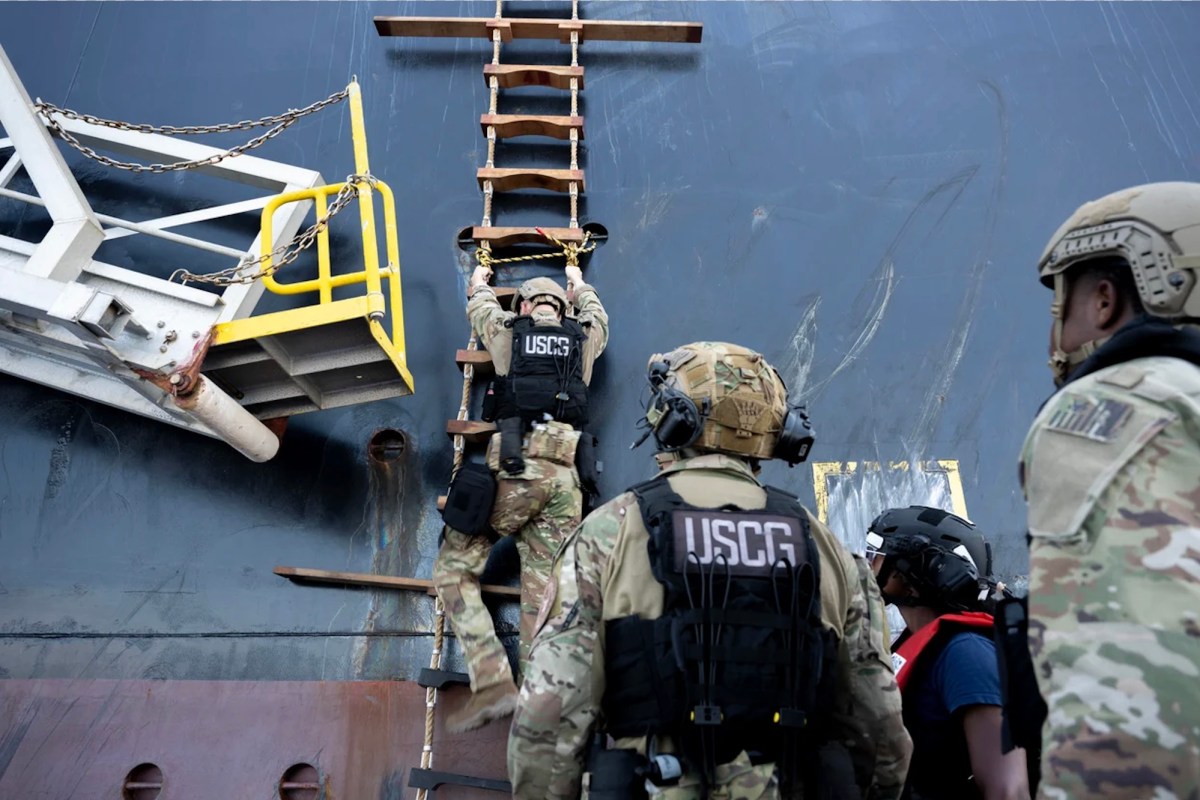
АНУ-ын Эргийн хамгаалалтын алба болон Холбооны мөрдөх товчоо (FBI) кибер халдлагад өртсөн байж болзошгүй хоёр хөлөг онгоцонд үзлэг хийж, системийн аюулгүй байдлыг шалгалаа
Өнгөрсөн наймдугаар сарын 21-нээс 24-ний хооронд Мексикийн буланд АНУ-ыг зорьж явсан хоёр газрын тос тээвэрлэгч хөлөг онгоцны сүлжээнд хакерууд нэвтэрсэн гэх мэдээллийн дагуу дээрх байгууллагууд хамтарсан ажиллагаа явуулжээ. Уг халдлагаар хөлөг онгоцны навигаци, хөдөлгүүр, ачаа тээврийн системүүдийг хянах оролдлого хийсэн байж болзошгүй гэж үзэж байна.
Тодруулбал, 333 метр урттай “VL Prosperity” хөлөг онгоцны систем наймдугаар сарын 7-нд халдлагад өртөж, хурд болон түлшний системд нь доголдол үүссэний зэрэгцээ нэг хоногоос илүү хугацаагаар холбоо тасарсан байна. Хөлөг онгоцны багийнхан болон эзэмшигч компани шалгалтын ажиллагаанд бүрэн хамтран ажилласан бөгөөд одоогоор үйл ажиллагааны доголдол, багийн гишүүдийн аюулгүй байдалд учирсан эрсдэл эсвэл хүрээлэн буй орчинд хохирол учирсан тухай мэдээлэл гараагүй байна.
Энэхүү халдлагын ард хэн байгаа нь тодорхойгүй байгаа ч АНУ-ын тал Ираны оролцоотой эсэхийг судалж байна. Сүүлийн үед Ираны хакерууд АНУ-ын эмнэлгийн хэрэгсэл үйлдвэрлэгч “Stryker”, Лос-Анжелес хотын нийтийн тээврийн систем болон ус хангамжийн 100 гаруй байгууламж руу халдсан тохиолдлууд бүртгэгдээд байгааг Кибер аюулгүй байдал, дэд бүтцийн аюулгүй байдлын агентлаг (CISA) “боломж ашигласан” шинж чанартай халдлагууд хэмээн тодорхойлжээ.
Дэлгэрэнгүйг эх сурвалжаас харах
↓Эх сурвалжийг нээх ↓
Cybersecurity teams with the U.S. Coast Guard and the FBI boarded two U.S.-bound oil tankers last month after hackers reportedly compromised at least one of the ship’s networks and took control of its navigation, propulsion, and cargo systems.
According to a joint statement shared with TechCrunch, the agencies boarded the vessels in the Gulf of Mexico between August 21 and August 24 to “ensure integrity of the vessel’s operational and information technology systems following indications that the networks of both vessels were compromised.”
The Coast Guard released several photos of its staffers and FBI agents climbing aboard one of the vessels, which were shared with CBS News. The statement said that the captain, crew, and the on-shore staff of the vessel’s owner cooperated with the agencies.
The incident is an example of how shipping vessels, oil tankers, and the broader global logistics network can be targeted by hackers. Tankers often have complex networks sprawling the span of the vessel to aid with navigation, organizing cargo, and ensuring the regular running of services necessary with operating a massive ship.
A spokesperson for the Coast Guard did not immediately respond to a request for comment when emailed by TechCrunch on Friday, including asking for the names of the vessels involved.
CBS News confirmed that one of the tankers is VL Prosperity, a 333-meter oil tanker that can hold over 2 million barrels of oil. According to VesselFinder, the tanker is currently located in the Gulf of Mexico.
Citing Iranian media, CBS said hackers compromised the ship on August 7 while traveling from Egypt to the United States and interfered with the ship’s speed and fuel systems. The tanker also lost communications for more than a day, per CBS.
It’s unclear who is behind the attacks, but CBS News said the U.S. is looking into whether Iran is behind the hack. Iran has been behind a multitude of hacks in recent months following the start of the U.S. and Israel-led war against Tehran, which killed Iran’s supreme leader in February. Iranian-backed hackers have sincelaunched a destructive hack at medical device maker Stryker, hacked the mass transit system in Los Angeles, and compromised over a hundred water facilities across the United States in response to the widespread U.S. bombing of Iran. CISA has called the attacks “opportunistic” in nature.
The joint FBI-Coast Guard statement said that there were “no reports of operational disruptions, vessel instability, physical danger to crews, or environmental impacts.”
When you purchase through links in our articles, we may earn a small commission. This doesn’t affect our editorial independence.

