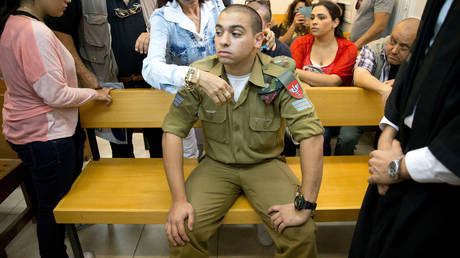
Израйлын ерөнхийлөгч Исаак Херцог 2016 онд Хеброн хотод шархадсан, эсэргүүцэх чадваргүй болсон палестин иргэнийг буудаж хөнөөсөн хэргээр ял эдэлж байсан цэргийн алба хаагч Элор Азариагийн ялтай бүртгэлийг арилгах шийдвэр гаргав.
Тухайн үед Израйлын армийн (IDF) эмнэлгийн ажилтан байсан Элор Азариа нь палестин иргэн Абдель Фаттах аль-Шарифийг газар хэвтэж байхад нь толгойн тус газарт буудсан нь дүрс бичлэгт үлдэж, олон улсын хэмжээнд ихээхэн шүүмжлэл дагуулсан юм. Энэхүү хэргийн улмаас Азариаг хүний амь нас хөнөөсөн хэргээр буруутгаж, 18 сарын хорих ял оноосноос тэрээр 9 сарыг эдлээд 2018 оны тавдугаар сард суллагдсан билээ. Ерөнхийлөгчийн албанаас Азариагийн гэмшиж буй байдал болон өнгөрсөн хугацааг харгалзан үзэж, түүнийг шинэ амьдрал эхлүүлэх боломжоор хангах нь зүйтэй гэж үзсэнээ мэдэгдэв.
Израйлын Үндэсний аюулгүй байдлын сайд Итамар Бен-Гвир болон Батлан хамгаалахын сайд Исраэль Кац нар энэхүү шийдвэрийг хүмүүнлэг бөгөөд зөв алхам хэмээн дэмжсэн байна. Гэвч Израйлын армийн удирдлага уг шийдвэрийг эсэргүүцсэн бөгөөд Армийн штабын дарга, дэслэгч генерал Эял Замир тухайн цэрэг өөрийн үйлдлийн хариуцлагыг бүрэн ухамсарлаагүй гэж үзэж байв.
Энэхүү үйл явдал нь Израйлын цэргийн шүүх тогтолцооны хариуцлагын асуудлыг дахин хөндөж байна. Олон улсын хүний эрхийн байгууллагууд болон НҮБ-ын зүгээс Израйлын цэргийн хүчин палестинчуудын эсрэг хууль бус үйлдэл гаргадаг болохыг шүүмжилж, цэргийн алба хаагчдад оноох ял шийтгэл хэт хөнгөн байдгийг анхааруулсаар ирсэн юм. 2025 оны наймдугаар сарын тайланд дурдсанаар, Израйлын цэргийн хүчний зүгээс гаргасан зөрчлийн талаарх шалгалтуудын ихэнх нь ямар нэгэн үр дүнд хүрэлгүй хаагддаг байна.
Дэлгэрэнгүйг эх сурвалжаас харах
↓Эх сурвалжийг нээх ↓
Elor Azaria shot Abdel Fattah al-Sharif, an alleged knife attacker who was already incapacitated by IDF troops, in a controversial 2016 case
Israeli President Isaac Herzog has cleared the criminal record of former IDF soldier Elor Azaria, who was convicted of manslaughter for shooting a wounded and incapacitated Palestinian dead in Hebron in 2016.
The case dates back to 2016, when Azaria, then an IDF sergeant and medic, was filmed shooting alleged knife attacker Abdel Fattah al-Sharif in Hebron’s Tel Rumeida neighborhood.
According to accounts of the incident, al-Sharif and another Palestinian man, Ramzi Aziz al-Tamimi al-Qasrawi, approached an Israeli military post and stabbed an Israeli soldier, lightly injuring him. Qasrawi was subsequently shot and killed by Israeli forces. Al-Sharif was shot, seriously wounded, and left lying on the ground. Several minutes later, Azaria approached him and shot him in the head.
The shooting was filmedby a human rights activist. Azaria was convicted of manslaughter and sentenced to 18 months in prison, despite prosecutors seeking a three- to five-year term. His sentence was later commuted to 14 months, and he was released in May 2018 after serving nine months.
Footage of Azaria shooting an already incapacitated Palestinian sparked international outrage. The Palestinian Foreign Ministry called it an “extrajudicial execution” and a war crime, saying the video “demolished all the slogans chanted by the occupation leaders about the ethics of the Israeli army.”
Israeli rights group B’Tselem described it as an “extrajudicial street killing.” The UN human rights office called Azaria’s sentence “excessively lenient,” warning that it will reinforce “the culture of impunity.” The case also divided Israeli public opinion and contributed to tensions between political leaders and the military, with then-Defense Minister Moshe Ya’alon later resigning.
Despite the controversy, Herzog’s office announced on Saturday that he shortened the remaining period before Azaria’s record could be erased, effectively clearing it.
“The president believes that the circumstances as a whole, the passage of time, and the regret he expressed justify allowing him to open a new chapter in his life,” the President’s Office said.
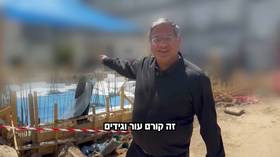
It added that Azaria, who was 20 when he was sentenced, expressed sorrow in his request. This contrasts with comments Azaria made in his first major interview after leaving prison, when he said he felt “no remorse whatsoever,” arguing that he acted as he did because he believed the attacker was still a threat.
Israel’s national security minister, Itamar Ben-Gvir, welcomed the decision, saying, “canceling the criminal record of someone who killed a terrorist” makes him “very happy.” Defense Minister Israel Katz called it a “humane and worthy decision.”
The IDF, however, opposed the move. Azaria’s conviction was a rare case of an Israeli military court ruling against a soldier over a deadly action in the field. Military prosecutors argued that Azaria was seeking revenge rather than responding to an active threat. According to Israeli media, IDF Chief of Staff Lieutenant General Eyal Zamir formally opposed clearing Azaria’s record, arguing that he had not fully accepted responsibility or demonstrated genuine remorse.
Scrutiny over military accountability
Extrajudicial and targeted killings by Israeli forces against Palestinians have long been a source of international scrutiny. Palestinian and international rights groups have accused Israeli forces of unlawful and extrajudicial killings. The government argues that its forces act lawfully against individuals involved in planning or conducting attacks.
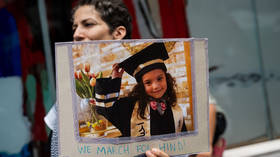
A UN Human Rights Office report said Israeli forces and settlers killed 1,096 Palestinians in the West Bank since October 7, 2023, one in five of them children, noting that many cases raised concerns over “extrajudicial executions and other unlawful use of force.”
Israeli and international rights groups also said prosecutions of Israeli soldiers for killing Palestinians are rare. Last month, after the military announced internal investigations into the deaths of Palestinian girl Hind Rajab in 2024 and 15 emergency and aid workers in 2025, Israeli rights group Yesh Din pointed to what it called the military justice system’s poor record of securing convictions.
“Nearly zero indictments are served relative to the number of complaints of soldiers and commanders who commit offenses. In rare cases when commanders or soldiers are convicted, they receive ridiculously lenient sentences compared with the severity of the offense,” the organization’s spokesperson said.
According to an August 2025 report by London-based Action on Armed Violence, 88% of 52 publicly reported Israeli military probes into alleged violations in Gaza and the West Bank were either still under review with no public outcome or were closed without finding any wrongdoing. Just one of the 52 cases resulted in a prison sentence.

