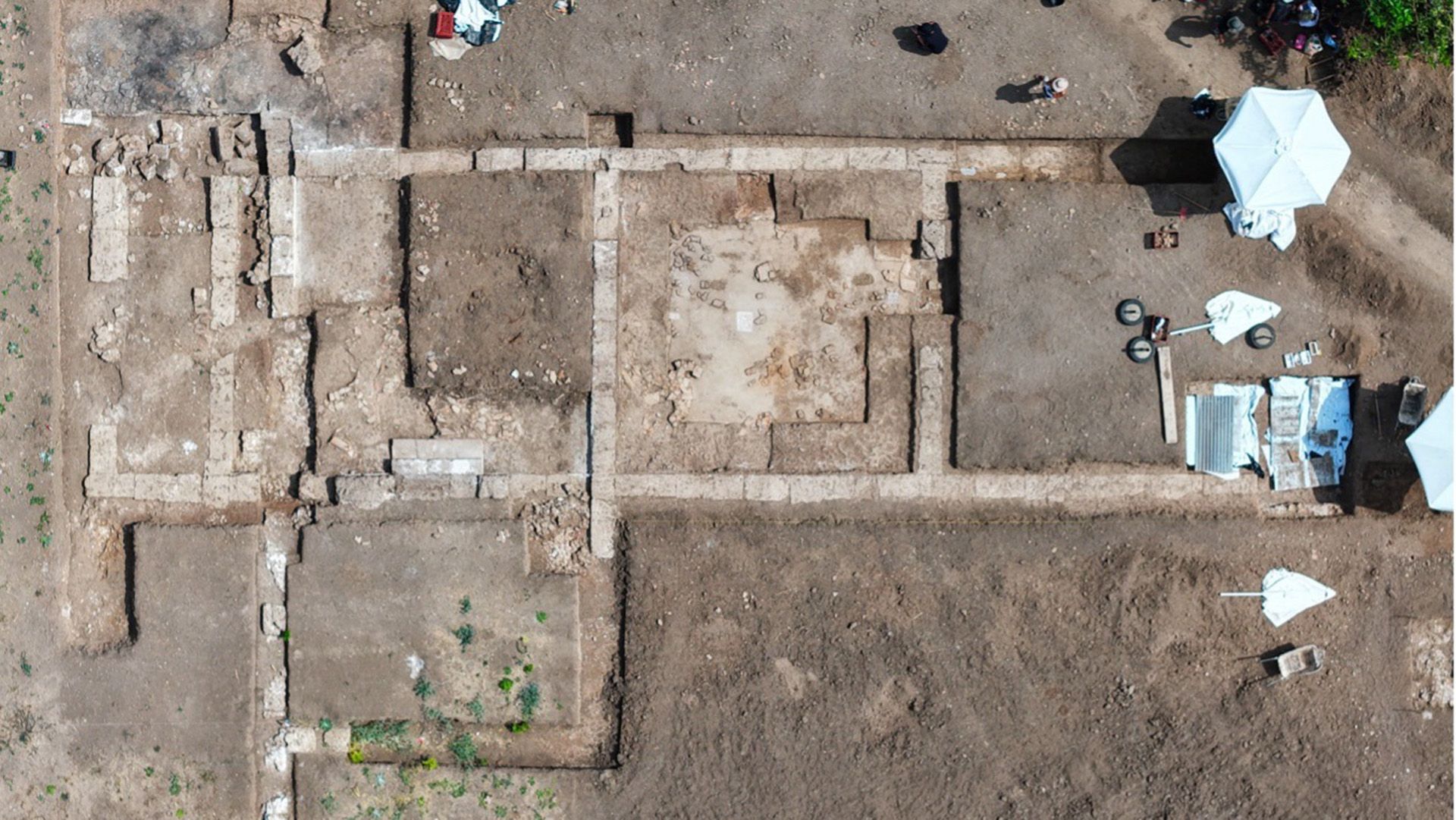
Археологичид Агуу Александр болон Македоны язгууртнууд Аристотелийн удирдлага дор эрдэм ном судалж байсан байж болзошгүй цогцолбор барилгыг Мьеза хотын орчмоос олж илрүүллээ.
Грекийн Соёлын яамны мэдээлснээр, МЭӨ IV зуунд хамаарах уг цогцолборт хоёр том танхим, спорт заал, цэнгэлдэх хүрээлэн болон чулуун ширээтэй лекцийн танхим багтаж байна. Мозайк шал, багануудаар чимэглэсэн энэхүү байгууламж нь Агуу Александрын эцэг II Филипп хааны үед баригдсан бөгөөд тухайн үеийн язгууртнуудын боловсрол олгох төв байсныг баталж байна. Малтлагын явцад эртний сурагчдын хэрэглэж байсан дөрвөн ширхэг бичээсийн хэрэгсэл (stylus), зоос болон ваар савны үлдэгдлүүд олдсон нь тус газрыг сургалтын зориулалтаар ашиглаж байсныг илтгэж байна.
Археологич Ангелики Коттаридигийн удирдсан баг уг олдворыг түүхч Плутархын тэмдэглэлд дурдсан Аристотелийн багшилж байсан сургууль хэмээн үзэж байна. Судлаачдын үзэж буйгаар, уг сургууль нь Македоны нийслэлээс алслагдсан байршилтай нь улс төрийн тогтворгүй цаг үед хааны гэр бүлийн аюулгүй байдлыг хангах зорилготой байж болох юм.
Гаднах судлаачид энэхүү нээлтийг Македоны элитүүдийн боловсролын тогтолцоог ойлгоход чухал ач холбогдолтой гэж дүгнэж байна. Хэдийгээр зарим судлаачид уг олдворын талаарх нарийвчилсан судалгааны тайланг хүлээж байгаа ч олдсон баримтууд нь Агуу Александрын залуу насны сургалтын орчныг тодорхойлох үнэтэй эх сурвалж болж байна.
Дэлгэрэнгүйг эх сурвалжаас харах
↓Эх сурвалжийг нээх ↓
The school where Alexander the Great was educated by Aristotle more than 2,300 years ago has been uncovered in the ancient Macedonian city of Mieza, now in northern Greece, the Hellenic Ministry of Culture said in a translated statement.
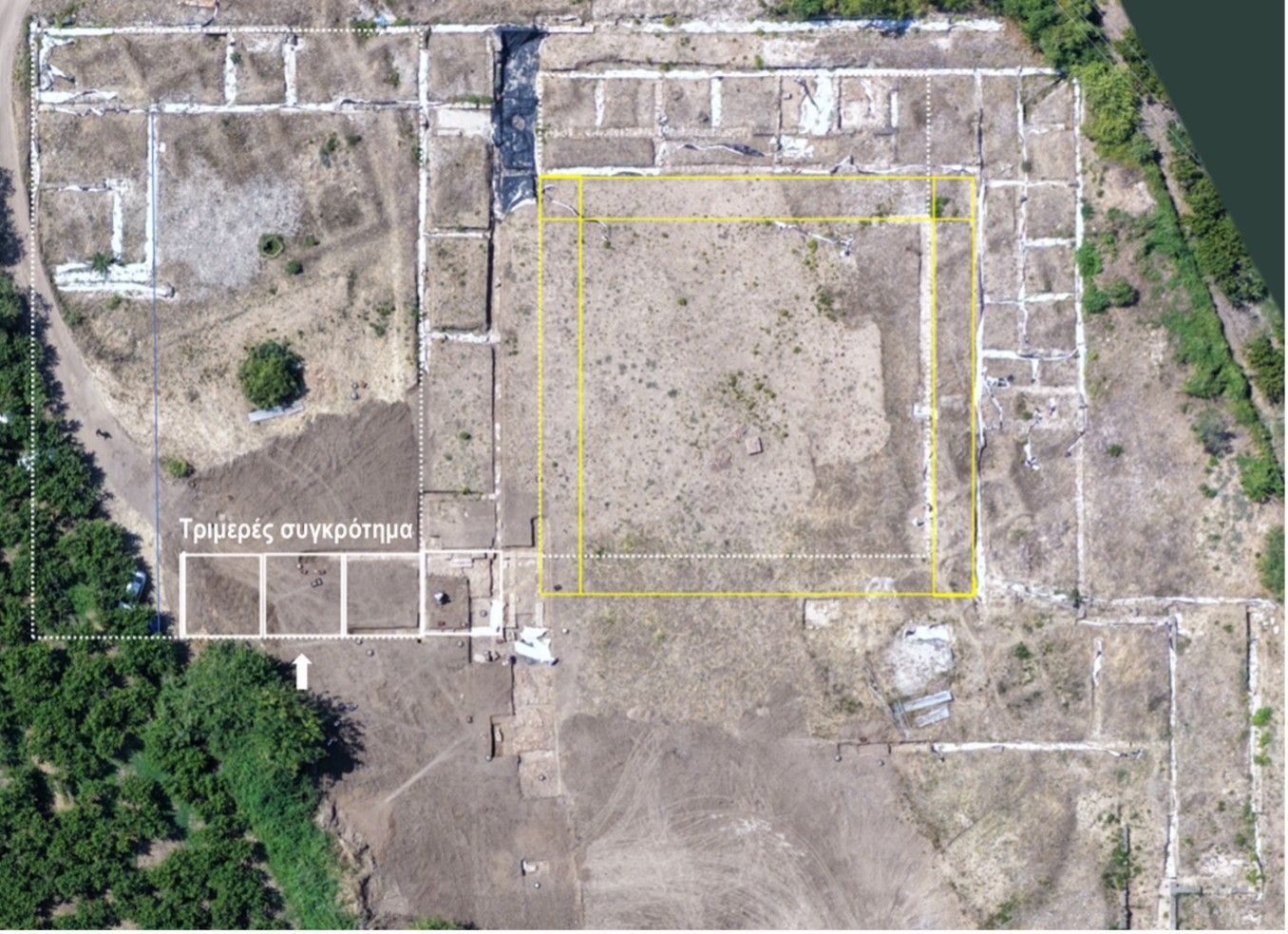
Archaeologists unearthed a building complex containing two banquet halls, a sporting arena, a stadium, a roofed porch and a lecture hall with stone desks, according to the statement. Mosaic floors and columns decorated the complex. The banquet halls had raised pedestals where nearly a dozen couches would originally have been placed.
The decoration and architecture of the school is similar to that of the Macedonian royal palace at Aigai (modern Vergina in northern Greece), where Philip II and his son Alexander the Great lived, the statement noted.
Among the building ruins, which date to the fourth century B.C., archaeologists discovered coins, ceramics and four styluses that ancient pupils used for writing, providing clues to who might have been educated there.
Alexander the Great and Aristotle
Alexander the Great was educated at a school in Mieza where Aristotle taught, the ancient writer Plutarch (who lived circa A.D. 50 to 120) wrote in his biography “Life of Alexander.” Because of this, Angeliki Kottaridi, an archaeologist and director emerita of antiquities with the Hellenic Ministry of Culture who is leading excavations at the site, believes that the building complex is the very school where Alexander the Great studied.
According to Plutarch, Philip II, had this school built “for the education of his son Alexander and the children of the noble Macedonians,” Kottaridi told Live Science in an email. Schools in the ancient Greek world, called “gymnasia,” taught students a variety of subjects and also trained them physically.
The discovery of the school was a bit indirect, Kottaridi said. “A few years ago, I identified the ancient remains next to the ancient theater of Mieza,” she said, and her team began excavating the building complex in 2024. But some excavation of the complex had been done more than 20 years earlier, she explained, when a monument dedicated to the nymphs was found nearby.
Scholars supportive
Live Science reached out to scholars not involved with the excavation, and they were supportive of the idea that Alexander the Great studied at this school.
“I agree that all the evidence suggests this is the school Philip provided for Aristotle to tutor the young Alexander and his fellow students,” Jeanne Reames, the director of the Ancient Mediterranean Studies program at the University of Nebraska at Omaha, told Live Science in an email. Reames hopes that more information will be released and that the discovery will “shed more light on elite education in Macedonia in the second half of the 4th century” B.C.
Graham Wrightson, a history professor at South Dakota State University, told Live Science in an email that “Alexander studied there under Aristotle so it is exciting to excavate the very school rooms where his teacher shaped his formative years.” The discovery of “four stylus writing implements allows us to dream that one belonged to Alexander,” Wrightston said, even if none of them truly did. “Still, it allows us to put ourselves in the shoes of the young Alexander and understand more how he became the famous king.”
It’s unsurprising that the school was so opulent given Philip II’s great wealth, Elizabeth Baynham, a senior lecturer at the University of Newcastle in Australia, told Live Science in an email.
Political assassinations weren’t unheard of in those days — for instance, during the Roman Empire, which arose after Alexander’s death, about 20% of Rome’s 82 emperors were assassinated while in office. So safety may have played a role in the school’s location. The distance from the school to Macedonia’s ancient capital at Pella — about 27 miles (43 kilometers) away — was “far enough away to potentially give Alexander a chance for escape if his father was assassinated,” Baynham said.
The education that Alexander and his school mates received from Aristotle would have been excellent, Baynham said. “Alexander — who by all accounts was highly intelligent — was taught by one of the finest minds of the ancient world in terms of range and insight. Aristotle would have only been in his early 40s.”
But more archaeological information on the site is needed, historian Miltiades Hatzopoulos told Live Science in an email. While this is likely the school where Alexander was taught, “the excavator has given interviews, but has not yet published a paper with the relevant testimonies,” Hatzopoulos said.
See how much you know about Alexander the Great with our Alexander the Great quiz!

