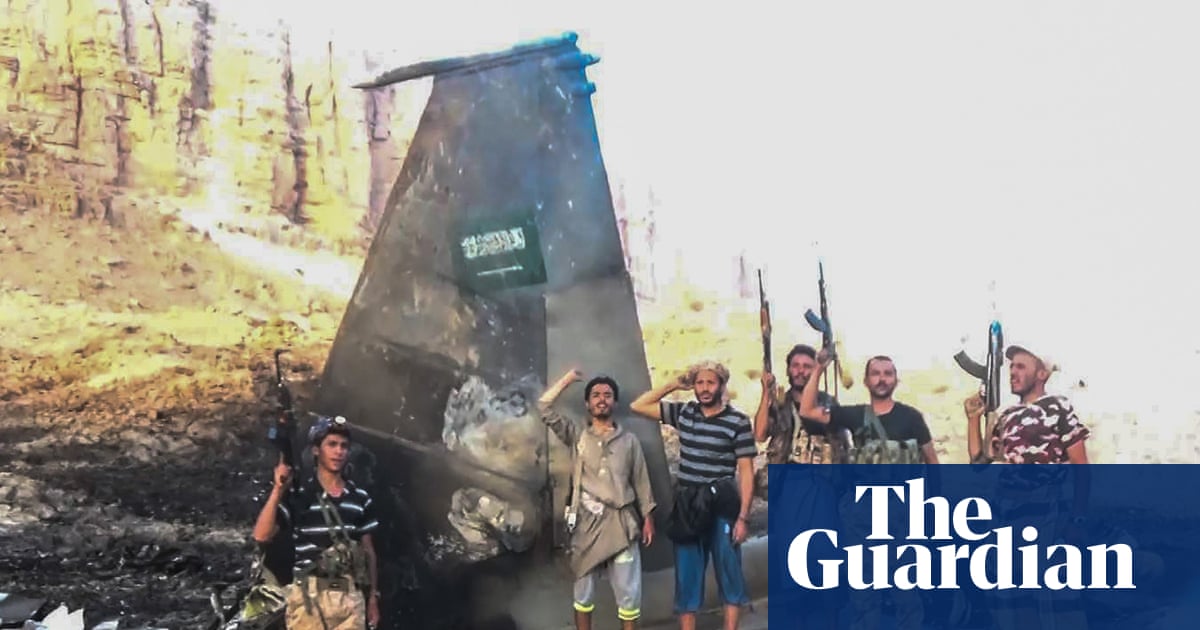
Хути босогчид болон Саудын Арабын дэмжлэгтэй Засгийн газрын хүчин стратегийн ач холбогдолтой газар нутгийн төлөө ширүүн тулалдаж байгаа нь хүмүүнлэгийн хямралыг улам хүндрүүлж байна.
Йемен улсад сүүлийн гурван өдрийн хугацаанд болсон мөргөлдөөн, агаарын болон их бууны цохилтуудын улмаас 169 орчим хүн амь үрэгдсэнийг эх сурвалжууд мэдээлэв. Хути босогчдын зүгээс 118 хүн, Засгийн газрын талын эх сурвалжуудын мэдээллээр 36 хүн тус тус амиа алдсан байна. Мөргөлдөөн Тайз, Аль-Жауф, Мариб болон Саада мужуудад голчлон өрнөж байгаа бөгөөд Хути босогчид Саудын Арабын цэргийн ажиллагааг буруутгаж, Моха боомт болон шоронд хийсэн цохилтын улмаас энгийн иргэд, хоригдлууд амиа алдсаныг мэдэгджээ.
Хути босогчид гурван долоо хоногийн өмнө эхлүүлсэн довтолгооныхоо хүрээнд Улаан тэнгисийн эрэг орчмын стратегийн чухал цэгүүдийг хяналтдаа авсан нь сүүлийн дөрвөн жилийн хугацаан дахь хамгийн томоохон газар нутгийн өөрчлөлт болоод байна. Энэхүү үйл явдал дэлхийн далайн тээврийн 10 хувь нь дамждаг Баб-эль-Мандебын хоолойн аюулгүй байдалд эрсдэл учруулж, эрчим хүчний зах зээлд сөргөөр нөлөөлж эхэллээ.
НҮБ-ын мэдээлснээр, тус улсад 22 сая хүн хүмүүнлэгийн тусламж нэн шаардлагатай байгаа бөгөөд 5.2 сая хүн аль хэдийн орон гэрээ орхин дүрвэсэн байна. Одоогийн байдлаар нийт мөргөлдөөний улмаас 700 орчим хүн амиа алдаж, 100 мянга гаруй иргэн дүрвэжээ. Дүрвэгсдийн асуудал эрхэлсэн НҮБ-ын агентлагийн төлөөлөгчийн мэдээлснээр, байлдааны ажиллагаа үргэлжилбэл дотоодын дүрвэгсдийн тоо 230 мянгад хүрч, 10 мянга гаруй хүн Жибути улс руу дүрвэж болзошгүй байна.
Олон улсын зүгээс Хути босогчдыг цэргийн ажиллагаагаа зогсоож, улс төрийн яриа хэлэлцээнд эргэн орохыг уриалж байна. АНУ-ын Ерөнхийлөгч Дональд Трамп Йемений Засгийн газрын тэргүүн Рашад аль-Алимитай утсаар ярих үеэрээ цэргийн тусламж үзүүлэх тодорхой амлалт өгөөгүй ч эв санааны нэгдэлтэй байгаагаа илэрхийлжээ. Их Британи улс Саудын Арабын нисэх хүчний хамгаалалтын ажиллагаанд шатахуун цэнэглэх замаар дэмжлэг үзүүлэхээ мэдэгдээд байна.
Дэлгэрэнгүйг эх сурвалжаас харах
↓Эх сурвалжийг нээх ↓
As many as 169 people have been reportedly killed in Yemen in the last three days as Iran-aligned Houthis battle Saudi-backed government forces for control of strategic heights on the Red Sea coast, while thousands flee the violence.
Houthi military officials said at least 118 people had been killed in clashes, as well as Saudi air and artillery strikes on Taiz, al-Jawf, Marib and Saada provinces since Sunday, Agence France-Presse reported. Yemeni government sources have said at least 36 people have been killed on their side of the conflict.
The Houthis also accused Saudi Arabia of striking the port city of Mocha on Tuesday, killing six civilians, including two children. The group also said a Saudi strike on a prison killed nine detainees in al-Jawf province, north-western Yemen.
The Saudi government, which backs Yemen’s UN-recognised government against Houthi forces, on Tuesday issued an alert in the south of the country before potential strikes after the Houthis had launched strikes at the Saudi capital, Riyadh, at the weekend for the first time in years.
The renewed fighting came after a dramatic offensive launched by the Houthis three weeks earlier, which saw the group seize control of much of Yemen’s Red Sea coast from government-aligned forces. The move saw the most significant territorial gains in the last four years of the civil war in the country.
The offensive has upended global energy markets, which are already reeling from the Iranian closure of the strait of Hormuz, and further expanded the regional scope of the US-Iran war, now in its seventh month.
The Houthis last week took control of Mocha and other strategic cities, which gave it control over the crucial Bab al-Mandab strait – a key shipping lane, home to 10% of all global maritime traffic, that has gained renewed importance after the closure of the strait of Hormuz by Iran.
The clashes have compounded an already dire humanitarian crisis, where about 22 million people need humanitarian assistance, and 5.2 million people are already internally displaced.
Yemen’s civil war started in 2014, when the Houthis seized control of the country’s capital and toppled the government. A Saudi-led coalition then intervened in an aerial campaign on behalf of the internationally recognised Yemeni government and allied militias.
A fragile, UN-brokered ceasefire was established in 2022, which had largely held until the Houthis launched the current offensive.
In recent days, clashes have focused on the strategic Kahboub mountains near the Red Sea coast as the Houthis seek to consolidate recent territorial gains. Government forces have been trying to hold the line against the Houthi advance on multiple fronts to prevent them from seizing the mountain range.
Control of the mountains would give the Houthis a strategic vantage point over Red Sea coastal areas and would further cut off Aden, the seat of Yemeni government forces, from the western coast. Seizing the mountains would also complicate future government counterattacks.
The Houthis have advanced on multiple fronts, particularly the outskirts of Taiz province and the coastal area of Ras al-Ara, with the greater goal of controlling the Kahboub mountains. Media affiliated with the Houthis have reported gains in the area, while government media said its fighters have successfully repelled Houthi incursions.
Since the Houthi campaign was launched, the group has routed government-aligned forces from western Yemen. The prospect of an Iranian-aligned force controlling Bab al-Mandeb has worried Saudi Arabia, as it would place two shipping lanes vital to its energy exports in the hands of Iran and its allies.
Saudi Arabia has launched hundreds of strikes on Yemen in recent days to try to stop the Houthis, with little success.
The US president, Donald Trump, reportedly considered striking the Houthis over the weekend but called them off at the last minute, while the UK said it would assist aerial refuelling of Saudi aircraft engaged in defensive missions, leaving the prospect of further international intervention open.
Members of the G7 have called on Iran to stop arming the Houthis. In a joint statement released ahead of the UN general assembly, member states urged the Houthis to stop their strikes on Saudi Arabia, which have damaged key oil infrastructure and wounded dozens.
“We call on the Houthis to immediately cease all military actions, all threats and attacks against civilian shipping, and to return to the political process in good faith,” the statement read.
The clashes have killed about 700 people and displaced more than 100,000 people, pushing some Yemenis to flee the fighting via sea. Civilians have fled westward across the Red Sea to Djibouti, while aid groups warn conditions for those remaining in Yemen are deteriorating.
Babar Baloch, a UN refugee agency spokesperson, said on Tuesday that displacement inside Yemen could rise to 230,000 people and more than 10,000 could flee to Djibouti if fighting continues.
Saudi Arabia has tried to marshal international support to roll back the Houthi offensive, with the Saudi crown prince, Mohammed bin Salman, asking Trump to strike the Houthis – a request Trump has thus far refused.
Trump held a call with the head of Yemen’s governing body, Rashad al-Alimi, on Monday, with al-Alimi asking the US for military assistance. Trump expressed solidarity but did not promise military support, a source told Agence France-Presse.

