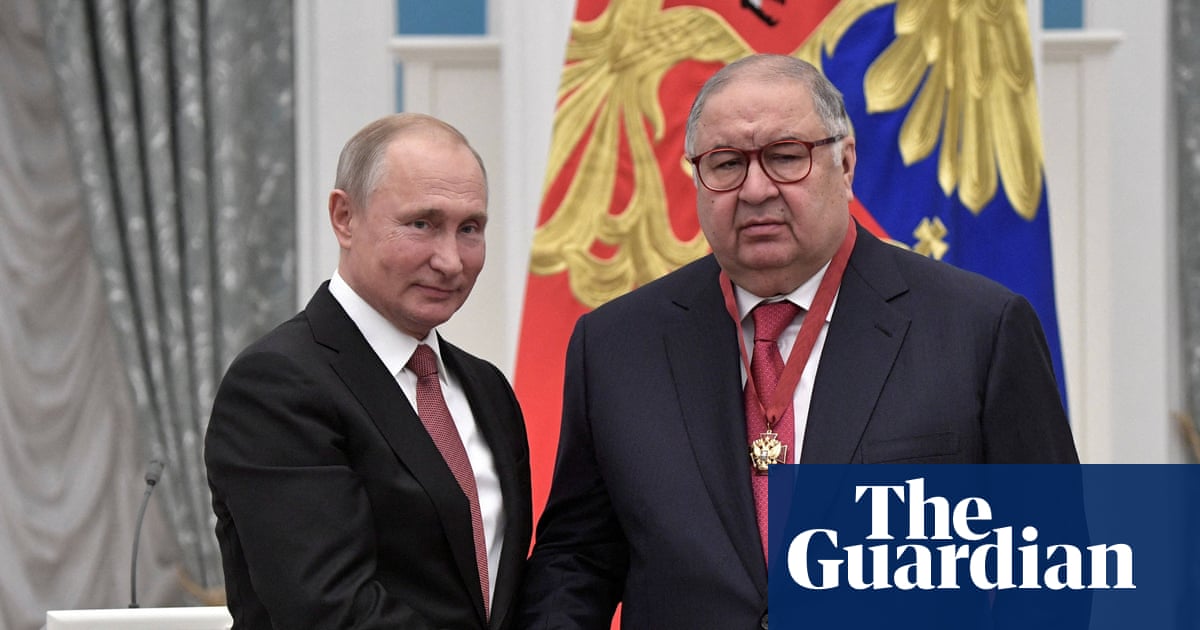
Украинд явуулж буй цэргийн ажиллагаатай холбогдуулан ОХУ-ын эсрэг авсан хориг арга хэмжээг гурван жилээр сунгах шийдвэр гаргахын зэрэгцээ Алишер Усманов, Михаил Фридман нарыг жагсаалтаас гаргахаар болжээ.
Европын холбооны 27 гишүүн улс ОХУ-ын эсрэг авсан хориг арга хэмжээний жагсаалтыг дахин гурван жилээр сунгах зөвшилцөлд хүрсэн байна. Энэхүү шийдвэрийн хүрээнд хоригт багтсан 3000 орчим хувь хүн болон компанийн нэрс хэвээр үлдэж буй ч ОХУ-ын тэрбумтан Алишер Усманов, Михаил Фридман нарыг жагсаалтаас хасжээ. Европын холбооны хориг арга хэмжээг гишүүн орнууд санал нэгтэйгээр батлах ёстой байдаг тул уг шийдвэр нь хүндрэлтэй буулт болсныг албаны хүмүүс мэдээлэв.
Франц улс үндэсний аюулгүй байдлын шалтгаанаар Алишер Усмановыг жагсаалтаас гаргахыг шаардсан бол Люксембург улс Михаил Фридманы хөрөнгийг царцаасантай холбогдуулан 16 тэрбум ам.долларын нэхэмжлэл гаргасан нь ийнхүү хоригийг цуцлахад нөлөөлжээ. Латви улс даваа гарагт уг шийдвэрийг эсэргүүцэж байсан ч эцсийн дүндээ түдгэлзэх байр суурь баримталснаар Европын холбоо хориг арга хэмжээг 36 сарын хугацаатай сунгах нэгдсэн шийдэлд хүрсэн байна.
Украины тал хоригт багтсан хүмүүсийг жагсаалтаас хассан нь хүлээн зөвшөөрөх боломжгүй, шударга бус үйлдэл гэж шүүмжилжээ. Украины Ерөнхийлөгч Владимир Зеленский болон Гадаад хэргийн сайд Андрий Сибиха нар энэхүү шийдвэр нь Европ дахь нэгдлийг сулруулж, Москвад ял шийтгэлгүй үлдэх боломжийг олгож буйг цохон тэмдэглэв.
Европын холбооны албаны хүмүүс ирэх сард ОХУ-ын цэргийн аж үйлдвэрийн цогцолбортой холбоотой 1600 орчим шинэ хувь хүн, хуулийн этгээдийг хоригт нэмж оруулахаар төлөвлөж байна. Гэсэн хэдий ч гишүүн орнуудын хооронд үүсээд буй санал зөрөлдөөн нь цаашид хориг арга хэмжээг батлах үйл явцыг улам төвөгтэй болгож болзошгүйг ажиглагчид анхааруулж байна.
Дэлгэрэнгүйг эх сурвалжаас харах
↓Эх сурвалжийг нээх ↓
The EU has agreed to remove two Russian billionaires, Alisher Usmanov and Mikhail Fridman, from its sanctions list, while extending restrictions on nearly 3,000 individuals and companies accused of supporting the war on Ukraine for the next three years.
With an end-of-Tuesday deadline looming to preserve the Russia blacklist, the EU’s 27 member states found a compromise that meant delisting the two oligarchs in spite of very few countries wanting this outcome. EU sanctions have to be approved unanimously.
France stunned and infuriated EU governments this month when it called for Usmanov, a Russian-Uzbek national, to be removed from the list on “national security” grounds, reported to refer to a prisoner exchange deal involving French nationals and Azerbaijan.
Luxembourg then asked for the same treatment for Fridman, the Russian-Israeli magnate, who is suing the Grand Duchy for $16bn (£12bn) for freezing his assets.
The exemptions angered many EU countries that believe it sets a bad precedent by allowing member states to weaken sanctions in defence of national interests.
Ukraine criticised the removal of the men from the sanctions list as unacceptable. Shortly after the decision emerged, Ukraine’s president, Volodymyr Zelenskyy, wrote on social media: “No name on the sanctions list is there by accident: each one represents a reason why this war started and continues to this day”.
The Ukrainian foreign minister, Andrii Sybiha, called the decision “shameful and unjustifiable” on X. “Moscow is celebrating because it got what it wanted: a sense of impunity, the humiliation of the EU, and division among Europeans,” he added.
In order to enable the delistings that many EU member states found unpalatable, it was proposed that the sanctions be rolled over for 36 months, rather than the usual six.
A spokesperson for Ireland’s EU presidency, which brokered the talks, said the bloc had reached “a difficult compromise”. They said: “Until now, these listings have been reviewed and assessed on a six-monthly basis; today’s decision to renew on a 36-month basis enhances the durability and predictability of the EU sanctions framework.”
A decision had been expected earlier this week, but Latvia’s government, facing parliamentary elections on 3 October, announced a last-minute objection to the delistings on Monday. Latvia’s prime minister, Andris Kulbergs, said late on Monday night that he could not accept the proposed compromise and instructed his foreign minister to enter talks with Paris and Brussels to find a solution.
Diplomats said Latvia had finally agreed to abstain on the two delistings. The blacklist includes Russia’s president, Vladimir Putin, and foreign minister, Sergey Lavrov, as well as Duma deputies, the country’s major banks, energy companies and military industrial complex.
Senior EU officials have promised to present about 1,600 new designations – individuals and entities involved in the Russian military industrial complex – to foreign ministers next month. But the latest standoff, which followed the tortuous agreement on the EU’s 21st round of sanctions in July, suggests the process could be difficult.

