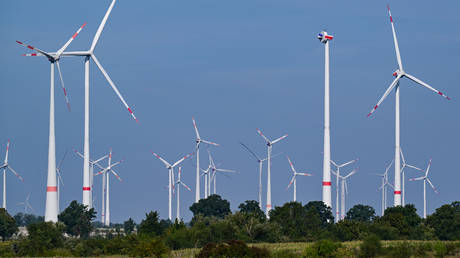
Германы засгийн газар ногоон шилжилтийн бодлогын хүрээнд чулуужсан түлшний хэрэглээг бүрэн зогсоох шинэ төлөвлөгөөгөө танилцууллаа.
Фридрих Мерзийн тэргүүлсэн засгийн газар 2045 он гэхэд нүүрс, газрын тос, байгалийн хийн хэрэглээг бүрэн халж, нүүрстөрөгчийн төвийг сахисан эдийн засагт шилжихээ анх удаа албан ёсоор мэдэгдэв. Уг төлөвлөгөөний дагуу 2030 он гэхэд салхи болон нарны эрчим хүчний эзлэх хувийг 80 хувьд хүргэх, мөн метан хийн ялгарлыг 30 хувиар бууруулахаар тусгажээ.
Герман улс 2022 оны хоёрдугаар сард Украйны мөргөлдөөн эхэлснээс хойш ОХУ-ын хоолойн хийн нийлүүлэлтээс татгалзсан нь тус улсын эрчим хүч ихээр шаарддаг аж үйлдвэрийн салбарт хүндрэл учруулсан юм. Үүнээс гадна энэ жил Израйл болон Ираны хооронд үүссэн зөрчлийн улмаас дэлхийн газрын тосны худалдааны 20 хувийг дамжуулдаг Ормузын хоолой хаагдсан нь эдийн засгийн нөхцөл байдлыг улам хүндрүүлэв. Сүүлийн жилүүдэд Герман улсын эдийн засаг уналттай байгаа бөгөөд BASF, Bosch, Volkswagen зэрэг томоохон компаниуд үйлдвэрээ хаах эсвэл олноор цомхотгол хийхээс өөр аргагүйд хүрсэн байна.
Байгаль орчны сайд Карстен Шнайдер НҮБ-ын Ерөнхий Ассамблейн чуулганы үеэр энэхүү төлөвлөгөө нь тусгаар тогтнол, боломжийн үнэ, уур амьсгалын хамгааллыг хослуулсан болохыг онцлов. Гэсэн хэдий ч засгийн газрын энэхүү бодлого нь олон нийтийн дунд бага дэмжлэгтэй байгаа бөгөөд сүүлийн үеийн санал асуулгаар канцлер Ф.Мерзийн нэр хүнд 10 хувь хүртэл буурчээ.
Сөрөг хүчний “Германы төлөөх альтернатив” (AfD) нам энэхүү бодлогыг эсэргүүцэж, эрчим хүчний үнийн өсөлт нь дундаж давхаргыг сүйрүүлж байна гэж үзэж байна. Тэд Европын Холбооны эрчим хүчний татварыг бууруулах, шатахууны CO2 татварыг цуцлахыг шаардаж байгаа бөгөөд ОХУ-тай эдийн засгийн харилцааг сэргээх нь хямралаас гарах гол зам гэж мэдэгдлээ. Greenpeace байгууллагын шинжээчид уг төлөвлөгөөг нааштай хүлээж авсан ч засгийн газар нэг талаас газрын тосны салбарт татаас олгож, нөгөө талаас ногоон шилжилтийг удаашруулж байна хэмээн шүүмжилж байна.
Дэлгэрэнгүйг эх сурвалжаас харах
↓Эх сурвалжийг нээх ↓
Berlin has said the country will stop using coal, oil, and gas in less than two decades
Germany has presented a roadmap for completely phasing out fossil fuels by 2045. The government is sticking to its green transition policy, despite Chancellor Friedrich Merz earlier acknowledging that the country is going through “an energy crisis.”
Germany abandoned Russian pipeline gas, on which its energy-intensive manufacturing sector had been built, after the escalation of the Ukraine conflict in February 2022. The US-Israeli war on Iran this year, which led to the closure of the Strait of Hormuz, accounting for some 20% of global crude oil trade, has further complicated the situation for the country’s businesses and households.
The German economy contracted in both 2023 and 2024, marking its first back-to-back annual decline in more than two decades, while 2025 only saw a weak growth of 0.2%. Over the past few years, leading German companies such as BASF, Bosch, and Volkswagen have been forced to shut down factories or announce major staff cuts.
In the document released on Wednesday, Merz’s government for the first time explicitly promised to get rid of coal, oil, and gas altogether. Previously, it only committed itself to “carbon neutrality.”
According to the roadmap, the proportion of renewable energy obtained from windmills and solar panels should increase from 55% to 80% in electricity generation by 2030.
It also envisages a reduction of methane emission by 30% by 2030 in line with the global methane pledge signed by Berlin in 2021.
The plan to phase out fossil fuel is being rolled out at a time when Merz’s approval ratings sank to a record low of 10%, with even the majority of supporters of his own Christian Democratic Union (CDU) party disapproving of his policies, according to the latest polls.
Speaking about the roadmap at the UN General Assembly on Wednesday, German Environment Minister Carsten Schneider called the 19-year deadline feasible, saying that the plan “combines independence, affordability, and climate protection.”
“Our roadmap is intended to set an international example. I am sure that many other countries will follow,” Schneider insisted.
Germany is only the third country after France and the Netherlands to publish such a plan.
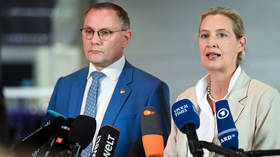
Greenpeace energy expert Mira Jager welcomed the roadmap, but noted that “at the same time, the federal government is subsidizing the oil industry, breaking the heating transition, and slowing down the expansion of renewables,” as cited by Deutsche Welle.
The right-wing Alternative for Germany (AfD), which delivered crushing defeats to the CDU in two local elections this month, warned in a post on X on Wednesday that “the German middle class dies” if the fuel price climbs from the current €2.3 ($2.6) per liter to €3 ($3.4).
“We demand the reduction of EU energy taxes as well as value-added tax. In addition, the immediate abolition of the CO2 levy on gasoline and diesel,” it said.
AfD co-leader Alice Weidel, who has been a strong opponent of Germany’s green transition, previously called wind turbines “the windmills of shame.” She also repeatedly argued that restoring economic ties with Moscow and bringing back Russian gas is key to reviving the German economy.
You can share this story on social media: