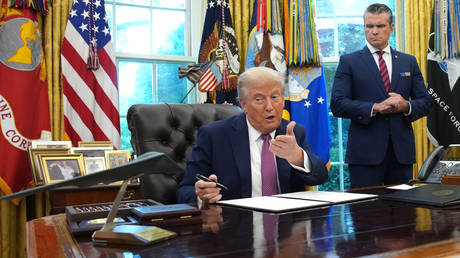
АНУ-ын Ерөнхийлөгч Дональд Трамп Ираны талын дэвшүүлсэн гал зогсоох шинэ саналыг хүлээн авахаас татгалзаж, арваннэгдүгээр сарын дунд үеийн сонгуулийн дараа тус улс руу чиглэсэн агаарын цэргийн ажиллагааг сэргээх төлөвтэй байгааг “Wall Street Journal” мэдээллээ.
Тегеран улс төрийн хурцадмал байдлыг намжаах, Ормузын хоолойг нээх, цөмийн хөтөлбөрийн хэлэлцээг үргэлжлүүлэх долоо хоногийн хугацаатай “замын зураг”-ийг санал болгосон юм. Үүний хариуд АНУ далайн бүслэлтээ цуцалж, газрын тосны экспортын хоригийг зөөлрүүлэх, царцаасан хөрөнгийг суллах шаардлагатай байжээ. Гэвч Вашингтон далайн бүслэлтийг цуцлах бодолгүй байгаагаа мэдэгдсэн байна.
Дональд Трамп Ираныг сонгуулийн дараа хэлэлцээрийн ширээнд суух болно хэмээн олон нийтэд мэдэгдсэн ч хувийн зүгээс үүнд эргэлзэж байгаа аж. Албаны эх сурвалжуудын мэдээлснээр, АНУ-ын байр суурь сонгуулийн үр дүнгээс хамаарч өөрчлөгдөх боломжтой бөгөөд одоогоор талуудын хооронд зуучлагчдаар дамжуулан цөмийн асуудлаарх яриа хэлэлцээ үргэлжилж байна.
АНУ-ын хувьд бусад болзошгүй мөргөлдөөнд зориулж зэвсэг хэрэгслээ хадгалах шаардлагатай байгаа тул томоохон хэмжээний байлдааны ажиллагааг дахин эхлүүлэхэд болгоомжтой хандаж байна. Гэсэн хэдий ч АНУ бүс нутаг дахь цэргийн байр сууриа хэвээр хадгалж, цэргийн томоохон ажиллагааг сэргээхэд бэлэн байгааг албаны хүмүүс онцолжээ.
Ираны Ерөнхийлөгч Масуд Пезешкиан тус улс энхийн хэлэлцээрт бэлэн байгааг илэрхийлж, зургаадугаар сард байгуулсан гал зогсоох хүрээ рүү буцахыг уриалсан юм. Өмнө нь хэрэгжиж байсан уг санамж бичиг нь хориг арга хэмжээг аажмаар сулруулах боломжийг олгож байсан ч талуудын хоорондох мөргөлдөөн дахин хурцарснаар хүчингүй болсон билээ.
Дэлгэрэнгүйг эх сурвалжаас харах
↓Эх сурвалжийг нээх ↓
The US president has reportedly rejected Tehran’s seven-day ceasefire proposal and remains skeptical it will meet Washington’s demands
President Donald Trump has rejected Iran’s latest ceasefire proposal and told aides that he expects Washington to resume bombing the Islamic Republic after the November midterm elections, the Wall Street Journal reported on Friday, citing US officials.
Trump is privately skeptical that Tehran will agree to Washington’s terms despite publicly predicting that Iran will seek a deal following the November 3 vote, according to the newspaper. Officials cautioned, however, that his position could change over the coming weeks and could be affected by the election results.
The report comes after Tehran offered a seven-day roadmap to end hostilities, reopen the Strait of Hormuz and restart negotiations over its nuclear program. In return, Washington would lift its naval blockade, ease sanctions on Iranian oil exports and release some frozen Iranian assets.
According to the WSJ, Trump has rejected the proposal and Washington has informed Iran and regional mediators that he has no intention of lifting the maritime blockade. A US official nevertheless said negotiations through mediators were continuing, including over the nuclear issue.
Trump is reportedly reluctant to return to major combat operations, in part because Washington wants to preserve munitions for other potential conflicts. The extent of any new strikes under consideration remains unclear.
The president has repeatedly alternated between threats of major escalation and diplomatic overtures during the nearly seven-month conflict. US officials told Axios that Washington was maintaining its regional military presence in preparation for a possible return to major combat.
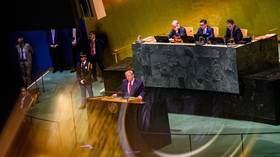
At the UN General Assembly on Tuesday, Trump said he faced a “big decision” over whether to “annihilate” the Islamic Republic if negotiations failed. He publicly denied that his decisions on Iran were being driven by the election, despite predicting that Tehran would strike a deal “right after” the midterms.
Tehran has disputed Trump’s suggestion that it is deliberately delaying an agreement. President Masoud Pezeshkian said this week that Iran wanted Washington to return to the June ceasefire framework whenever the US was genuinely ready for peace, while Foreign Minister Abbas Araghchi said it would be “much better” to reach an agreement before the vote.
The June memorandum of understanding provided for gradual sanctions relief and the reopening of the Strait of Hormuz while the two sides negotiated outstanding issues, but collapsed amid renewed hostilities and disputes over shipping through the strategic waterway.

